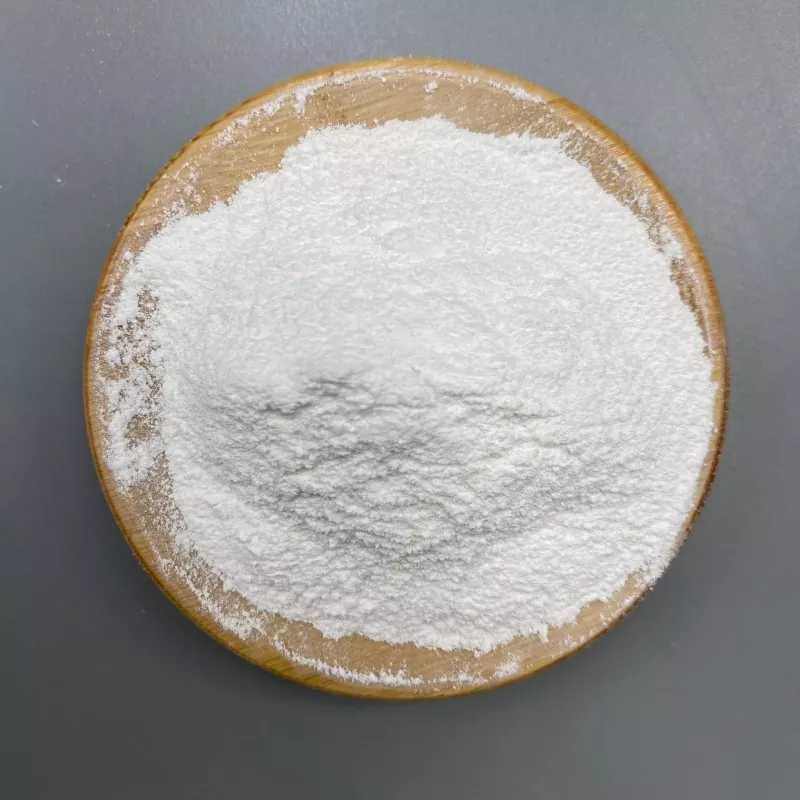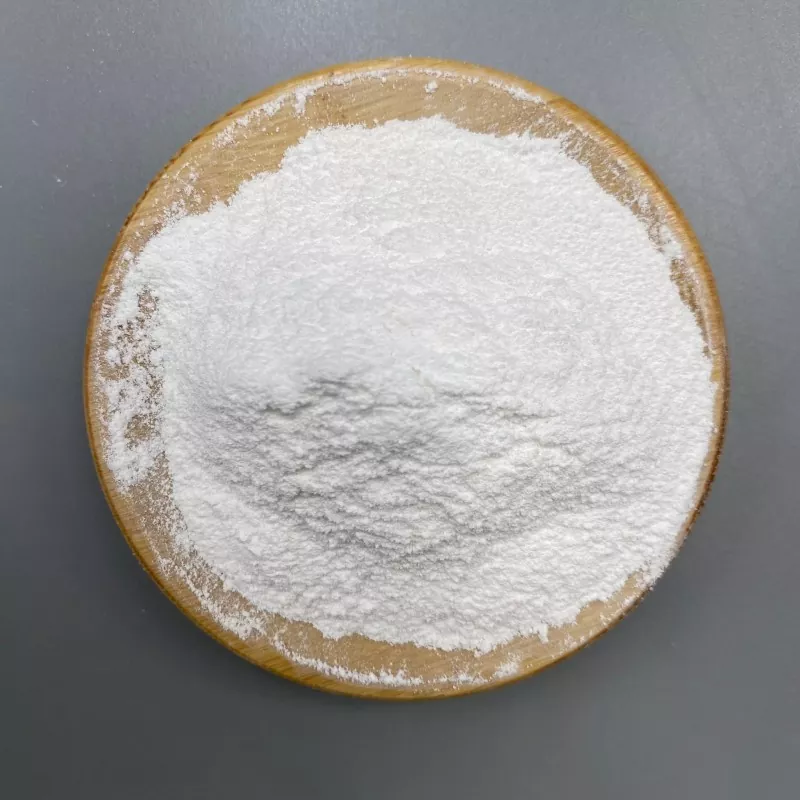
Magnesium sulfate is used across several industries because it can provide magnesium and sulfate components for different production processes. Compared with hydrated magnesium sulfate, anhydrous magnesium sulfate contains no crystal water, making its low-moisture characteristics useful in applications where water content needs to be controlled.
For manufacturers and distributors, understanding the actual application requirements is important when selecting Anhydrous Magnesium Sulfate. Purity, moisture content, particle form, packaging, storage conditions, and intended application can all affect product selection. AOLANSU supplies chemical raw materials for industrial customers and can provide product solutions according to different application and procurement requirements.
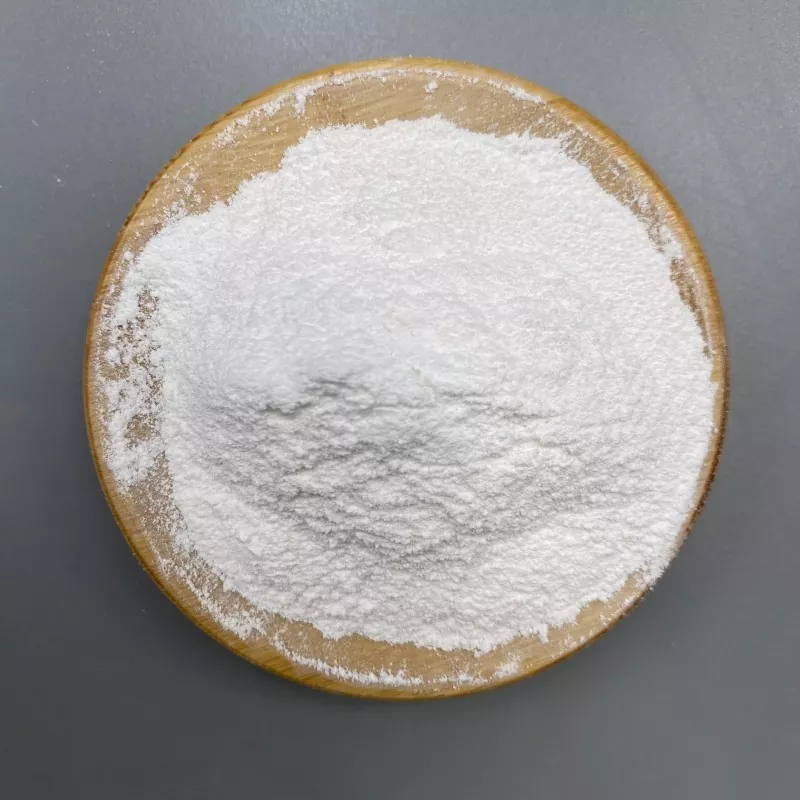
Anhydrous magnesium sulfate does not contain the crystal water found in hydrated forms of magnesium sulfate. This characteristic makes it useful when manufacturers need a magnesium sulfate raw material with controlled water content.
Magnesium is an important element in agricultural and industrial processes. Magnesium sulfate can therefore be used where magnesium supplementation is required and where sulfate is also suitable for the formulation or production process.
Anhydrous magnesium sulfate has hygroscopic properties and can absorb moisture from its surrounding environment. This property makes it useful as a drying agent in selected chemical and laboratory applications.
In chemical laboratories and manufacturing processes, anhydrous magnesium sulfate can be used to remove residual water from certain organic materials and solvents. Its ability to absorb moisture makes it a practical drying material for suitable processes.
The amount required depends on the starting material, moisture level, process conditions, and desired degree of drying. Users should determine the appropriate dosage through process testing rather than applying a fixed amount to every material.
Magnesium is an essential plant nutrient involved in chlorophyll formation and photosynthesis. Magnesium sulfate can be used as a magnesium source in agricultural formulations when soil or crop conditions indicate a need for magnesium supplementation.
Its agricultural application may include fertilizer formulations and nutrient supplementation. Application rates should be determined according to soil analysis, crop requirements, local agricultural recommendations, and the formulation being used.
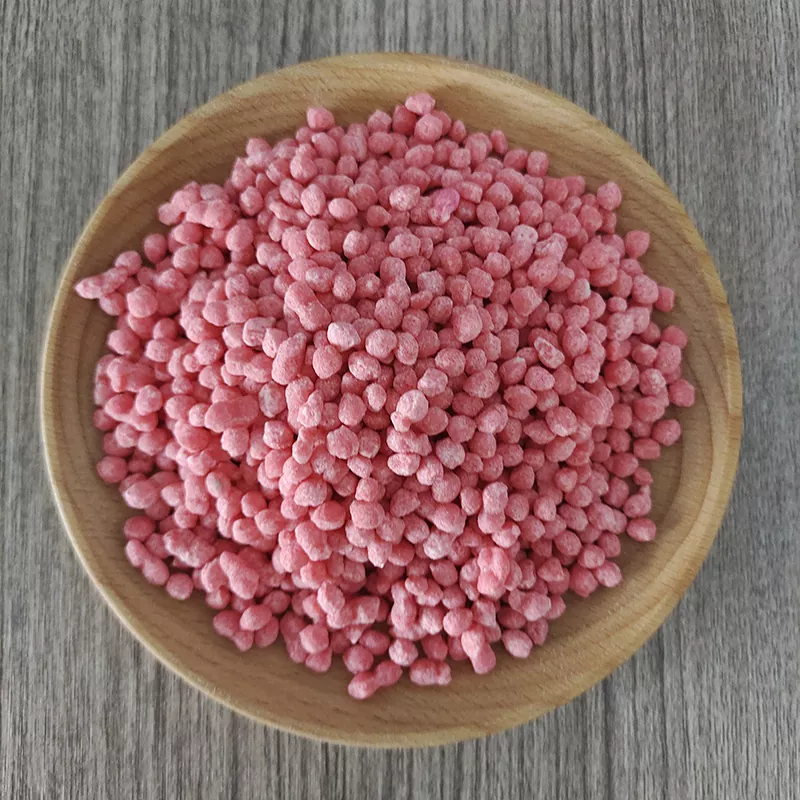
Magnesium sulfate can serve as a raw material in fertilizer manufacturing. It provides magnesium together with sulfur, allowing formulators to develop nutrient products containing both elements.
For fertilizer manufacturers, particle size, purity, solubility, moisture level, and packaging stability can be important when integrating the material into downstream production.
Anhydrous magnesium sulfate is commonly used in laboratory procedures where moisture needs to be removed from an organic phase. Its drying capability makes it useful for sample preparation and chemical processing.
Depending on purity and specification, magnesium sulfate may also be incorporated into selected industrial formulations. Buyers should confirm whether the product grade and technical parameters meet the requirements of the final application before placing a bulk order.
| Evaluation Factor | Why It Matters |
|---|---|
| Purity | Determines suitability for different industrial or agricultural applications |
| Moisture Content | Important for applications requiring controlled water content |
| Particle Size | Affects dissolution, handling, and downstream processing |
| Appearance | Helps verify product consistency during incoming inspection |
| Packaging | Protects the material from moisture during transportation and storage |
| Application Grade | Should correspond to the requirements of the final application |
| Batch Consistency | Important for continuous manufacturing and formulation |
| Technical Documentation | Supports quality control and procurement evaluation |
Because anhydrous magnesium sulfate can absorb moisture from the surrounding environment, storage in a dry location is important. Open packaging should not be left exposed to humid air for extended periods.
The product should remain in properly sealed packaging during storage and transportation. Once a package has been opened, unused material should be resealed promptly to reduce unnecessary exposure to atmospheric moisture.
Warehouses should be dry, clean, and well ventilated. Locations close to water sources, steam, or other high-humidity conditions should be avoided when storing moisture-sensitive chemical raw materials.
For bulk chemical storage, first-in-first-out inventory management can help reduce unnecessary storage time. Packaging should also be inspected regularly for damage, leakage, or loss of sealing integrity.
Packaging does more than facilitate transportation. For hygroscopic materials, suitable packaging also helps maintain product condition during storage and distribution.
Industrial buyers should consider packaging material, bag or container size, sealing method, palletization, transportation conditions, and expected storage duration. For export orders, packaging should also be suitable for the customer's logistics route and warehouse environment.
Magnesium is central to chlorophyll molecules and plays an important role in plant photosynthesis. Where magnesium deficiency is identified, magnesium-containing fertilizers can help provide the nutrient required for crop growth.
Sulfur is another plant nutrient. Magnesium sulfate therefore offers the possibility of supplying magnesium and sulfur within the same fertilizer formulation.
Fertilizer manufacturers may combine magnesium sulfate with other nutrient materials according to crop type, soil characteristics, application method, and target nutrient ratios. Product selection should be based on the technical requirements of the final formulation.
| Characteristic | Anhydrous Magnesium Sulfate | Hydrated Magnesium Sulfate |
|---|---|---|
| Crystal Water | No crystal water | Contains crystal water |
| Moisture Control | Suitable where low water content is required | Higher water content depending on hydration state |
| Drying Applications | Widely used for suitable moisture-removal processes | Generally less suitable as a drying agent |
| Agricultural Use | Can provide magnesium and sulfur | Can also provide magnesium and sulfur |
| Selection Priority | Water content and application requirements | Hydration state and formulation requirements |
The appropriate form depends on the manufacturing process. Buyers should not select between anhydrous and hydrated magnesium sulfate based only on price; the chemical form and moisture requirements of the final application should be evaluated first.
Incoming batches should be evaluated against the agreed chemical specification. Purity and the concentration of relevant components are particularly important when the material will be used in controlled industrial formulations.
Moisture testing is especially relevant for anhydrous material because exposure to humid air can change its physical condition. Buyers requiring low-moisture material should establish clear moisture specifications with the supplier.
Particle size can affect dissolution, mixing, handling, and processing performance. For applications requiring a specific particle distribution, buyers should confirm the supplier's available specifications before ordering.
Consistent quality between batches is important for manufacturers operating continuous production lines. A clear batch identification and quality documentation system can make incoming inspection and traceability more efficient.
AOLANSU provides chemical raw materials for customers in different industrial fields. Buyers can communicate their required grade, purity, packaging, application, and order volume to determine a suitable supply specification.
Different customers may use magnesium sulfate for agricultural formulations, chemical processing, laboratory applications, or other industrial processes. AOLANSU can evaluate product requirements according to the intended use rather than applying the same specification to every customer.
For international buyers, packaging, transportation, documentation, and storage requirements should be considered together with the chemical specification. Proper preparation can help maintain product condition throughout the supply chain.