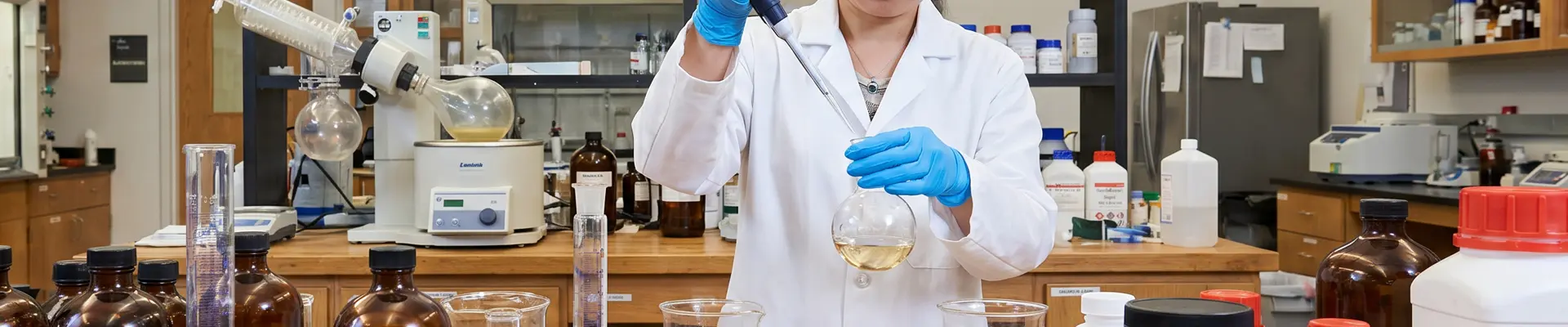
1,2-Dichloroethane EDC, also known as ethylene dichloride, is a colorless transparent chlorinated hydrocarbon liquid with CAS No. 107-06-2 and molecular formula C₂H₄Cl₂. For industrial buyers, its value is closely related to purity, moisture control, batch consistency, packaging compatibility, and supply reliability. With a purity of ≥99%, low water content, and stable physical and chemical properties, the material is suitable for PVC-related production, solvent applications, and chemical synthesis.
AOLANSU, operated by Shandong Aolansu Environmental Technology Co., Ltd., provides industrial chemical materials through controlled production and quality inspection procedures. As a manufacturer with hazardous chemical production certification, AOLANSU focuses on specification consistency, compliant packaging, and supply coordination for customers purchasing chlorinated chemical raw materials in bulk.
Chemical Name: 1,2-Dichloroethane EDC
Synonyms: Ethylene dichloride, symmetric dichloroethane
CAS Number: 107-06-2
Molecular Formula: C₂H₄Cl₂
| Parameter | Specification |
|---|---|
| Purity | ≥99% |
| Water Content | ≤0.1% |
| Appearance | Colorless transparent liquid |
| Density at 20°C | 1.25–1.27 g/cm³ |
| Boiling Point | 83–85°C |
| Flash Point | 10°C, closed cup |
| CAS Number | 107-06-2 |
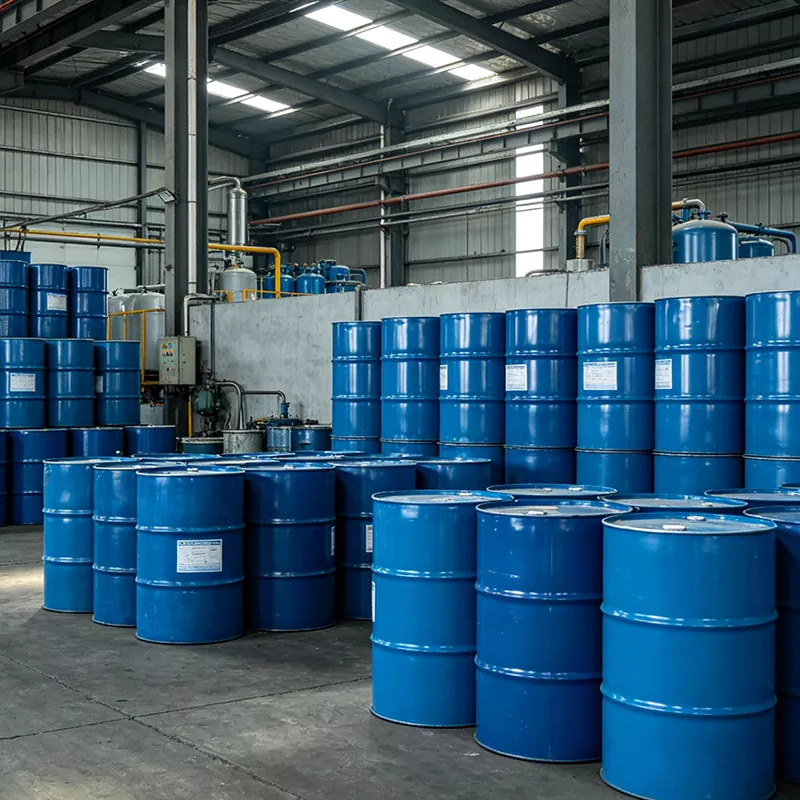
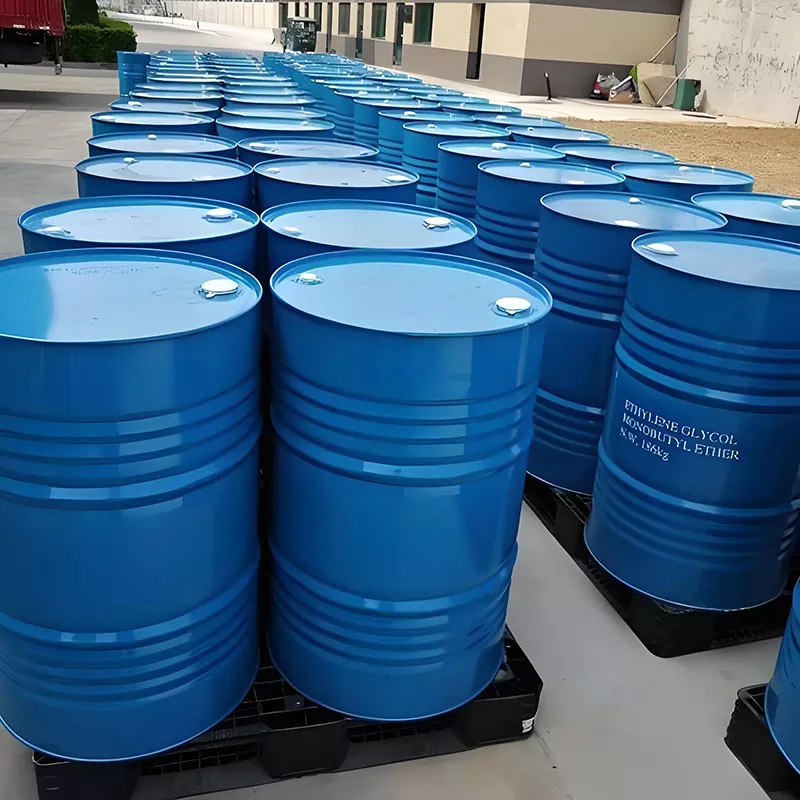
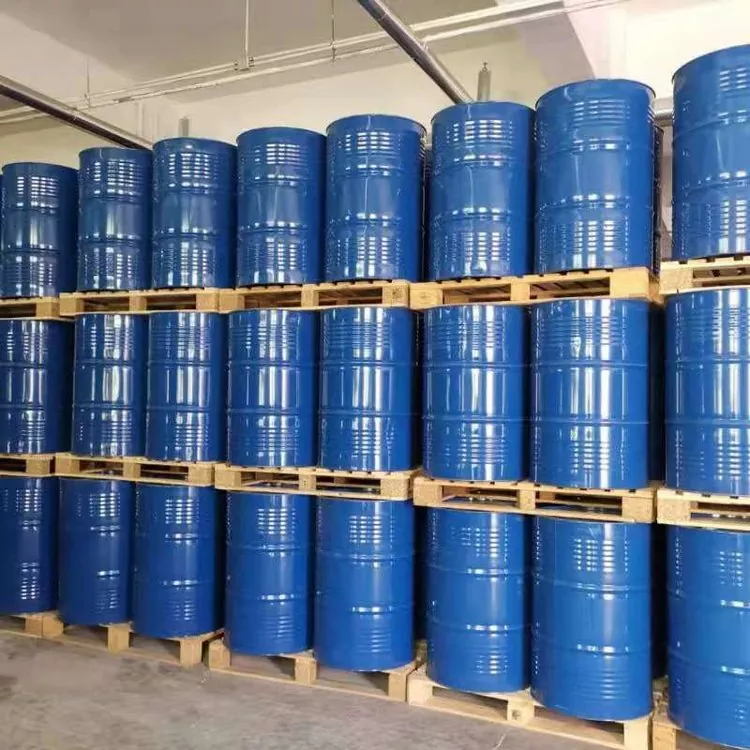
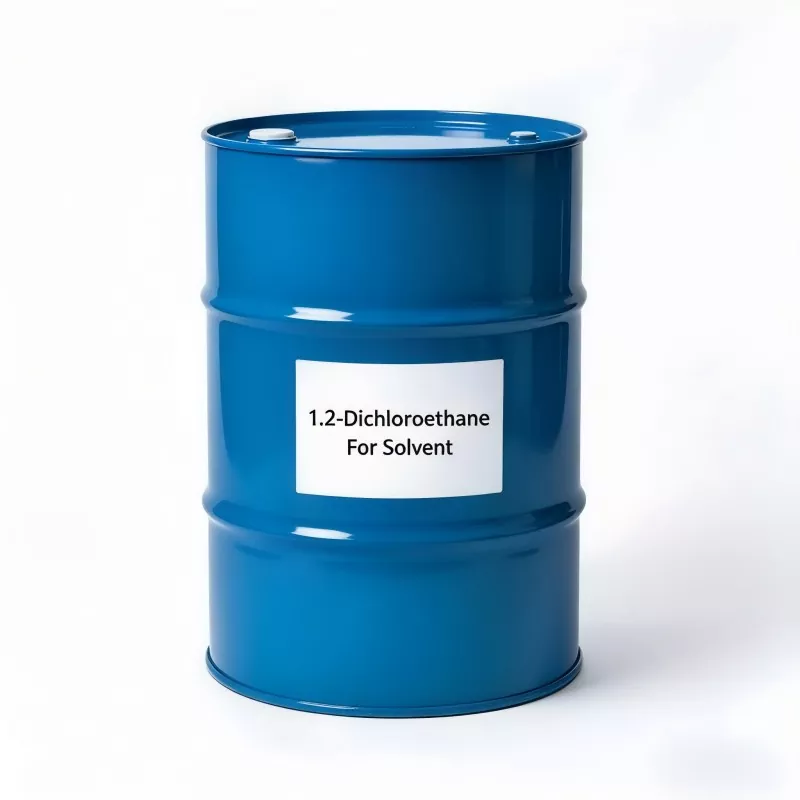
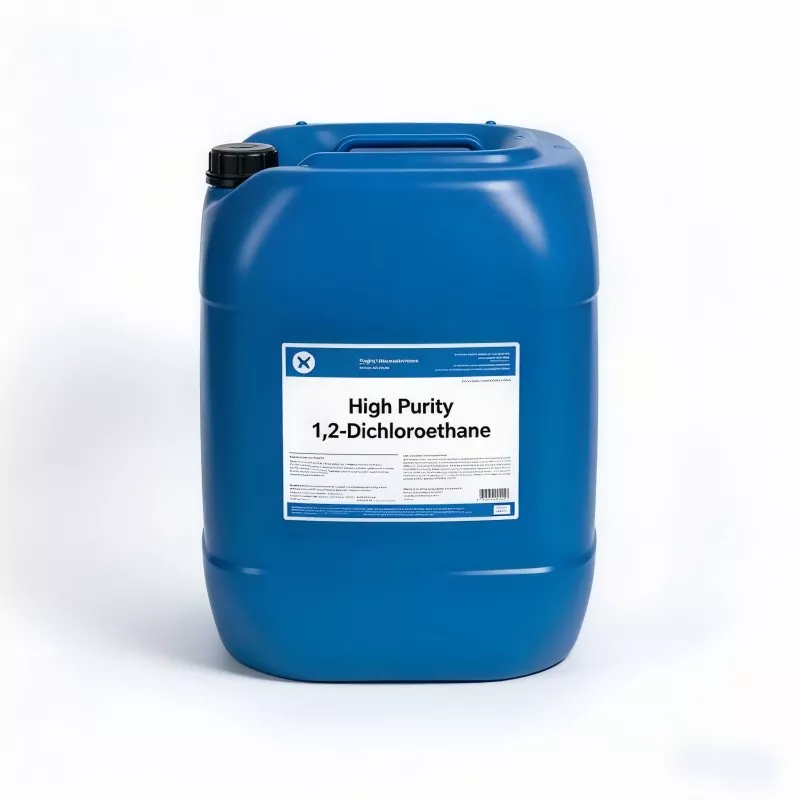
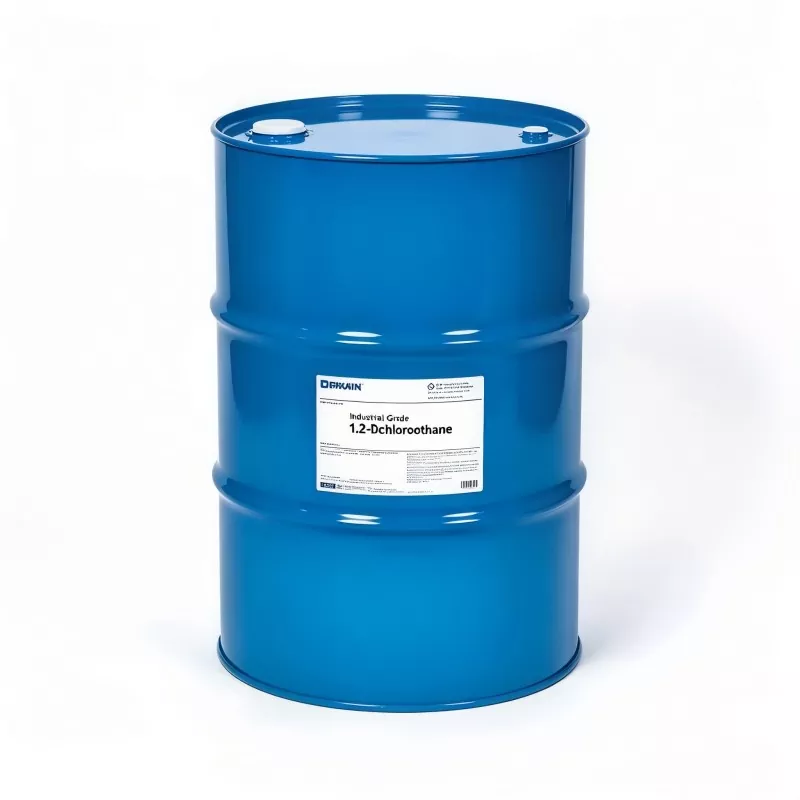
| Packaging | 200L steel drum / ISO tank / bulk shipment |
| Custom Packaging | Available for suitable specifications, labeling, logo, and drum configuration |
Produced through controlled purification and distillation processes to achieve ≥99% purity. Low moisture and controlled impurities help reduce variations in downstream chemical processes where raw material consistency is important.
The material has strong solvency for various organic substances, including selected resins, rubber compounds, oils, and other organic materials. This property allows it to function as a process solvent in appropriate industrial formulations and synthesis operations.
With a boiling point of approximately 83–85°C, it can be separated and recovered through suitable industrial distillation systems. Its physical properties should be considered when designing storage, process, recovery, and ventilation systems.
For continuous manufacturing processes, stable purity and moisture levels help reduce fluctuations in raw material input. AOLANSU applies batch inspection procedures to monitor relevant quality indicators before shipment.
One of the major industrial uses is the production of vinyl chloride monomer (VCM), which is subsequently used in PVC resin manufacturing. Consistent feedstock quality is important for maintaining stable operation in large-scale production systems.
Its solvent properties make it suitable for selected coatings, adhesives, inks, varnishes, and other formulations where compatibility with organic materials is required. Application suitability should be confirmed against the formulation and applicable regulations.
It can serve as a chemical intermediate or process material in selected organic synthesis applications, including the manufacture of fine chemical and agrochemical intermediates.
Appropriate grades may be used in controlled laboratory environments for organic synthesis, extraction, sample preparation, and analytical procedures. Laboratory users should select the grade according to the required analytical or research specifications.
Available packaging includes 200L steel drums, ISO tanks, and bulk shipment options depending on order volume and transportation arrangements. Container selection should account for chemical compatibility, sealing requirements, and applicable dangerous goods regulations.
Because this material is a hazardous chemical with flammable and toxic properties, storage requires appropriate ventilation, ignition-source control, compatible containers, and segregation from incompatible materials. Facilities should follow applicable local safety regulations and the product's safety documentation.
AOLANSU coordinates packaging, labeling, product documentation, and shipment arrangements according to the applicable requirements for hazardous chemical transportation. Customers can confirm destination-country requirements before placing bulk orders.
AOLANSU uses controlled production and purification procedures to maintain stable product specifications. Key indicators such as purity, moisture content, and appearance can be checked according to the agreed purchasing requirements.
Quality inspection documentation can be coordinated according to the order requirements. Buyers can specify technical parameters and documentation needs in advance for procurement evaluation and shipment preparation.
Production and logistics resources support drum, ISO tank, and bulk procurement. AOLANSU works with industrial customers requiring recurring supply, helping coordinate delivery schedules and packaging arrangements according to project requirements.
AOLANSU has hazardous chemical production certification and follows applicable production safety requirements for controlled chemical materials.
Controlled production and batch inspection help maintain consistent purity and physical properties, supporting customers with repeat procurement requirements.
Drum, ISO tank, and bulk supply options provide flexibility for different purchasing volumes and logistics arrangements. Packaging details can be discussed according to the destination and transportation method.
Key considerations include purity, water content, required grade, order volume, packaging format, destination regulations, and intended application. For continuous production, batch consistency and reliable documentation are also important.
Yes. For suitable orders, AOLANSU can discuss container size, labeling, logo, and packaging configuration according to product characteristics and applicable hazardous goods transportation requirements.
Yes. The 1,2-Dichloroethane EDC can be supplied in steel drums, ISO tanks, or bulk formats depending on order quantity and logistics conditions. Supply schedules can be coordinated for regular or long-term industrial procurement.