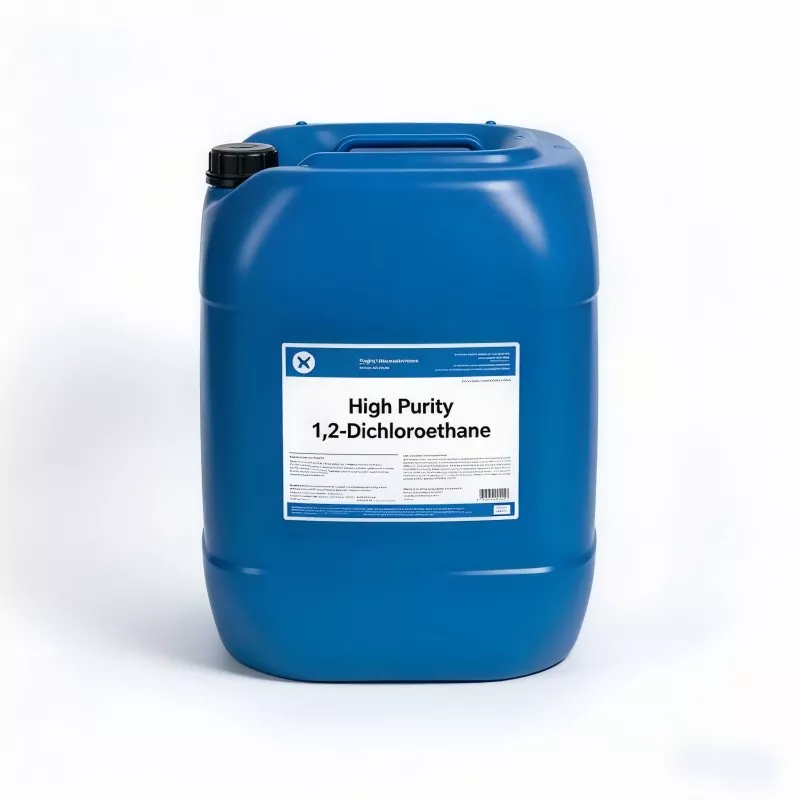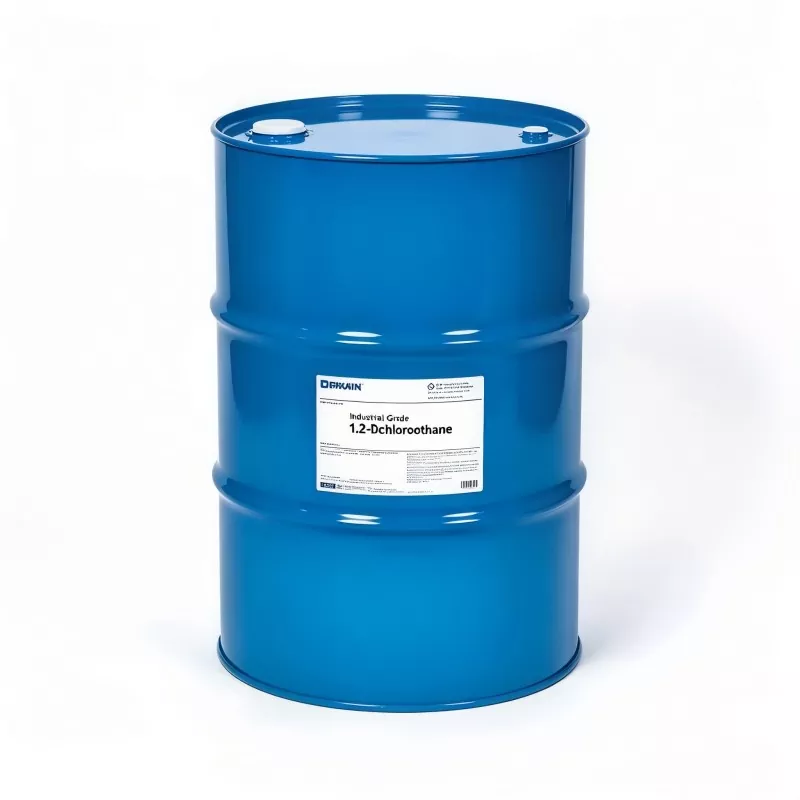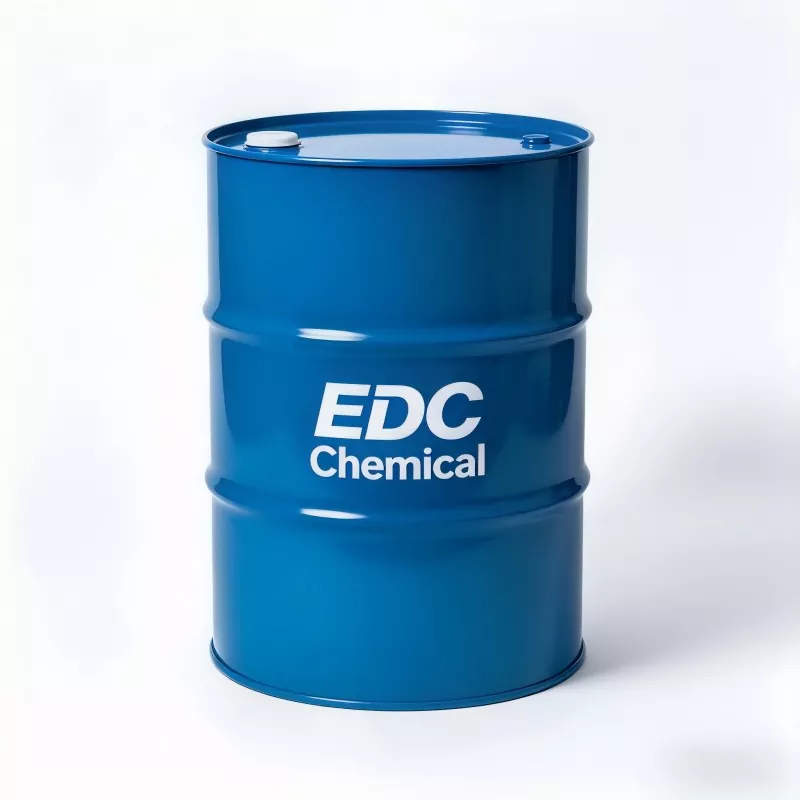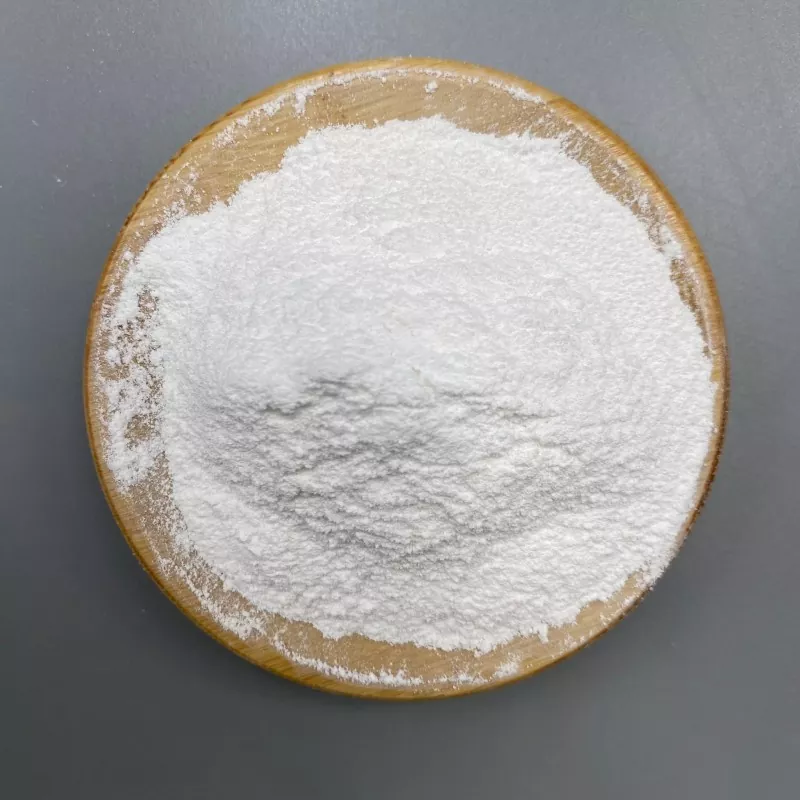
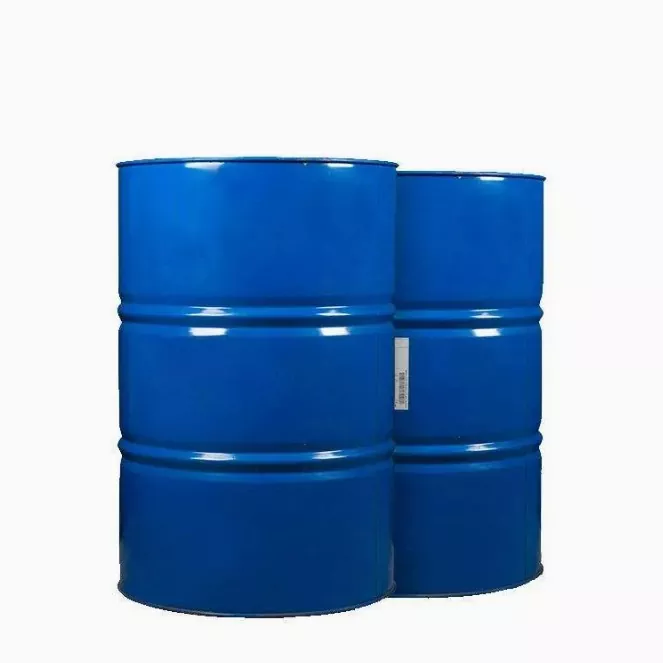
For Vinyl Chloride Monomer (VCM) producers, the quality of ethylene dichloride (EDC) directly affects cracking stability, raw material consumption, equipment operation, and the consistency of downstream PVC resin. EDC For Vinyl Chloride Monomer Production from AOLANSU is developed specifically for ethylene-based VCM production, with a purity of ≥99.9%, moisture ≤0.01%, and impurity content ≤0.1%. The product is manufactured through controlled chlorination, purification, and precision rectification processes to provide a stable feedstock for continuous VCM cracking operations.
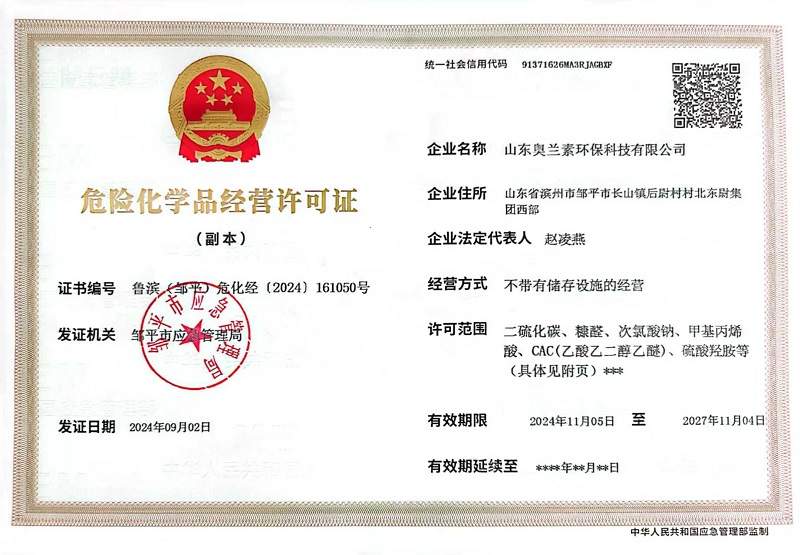
Shandong Aolansu Environmental Protection Technology Co., Ltd. is a China-based chemical supplier with a Dangerous Chemicals Business License. We focus on batch consistency, production traceability, export compliance, and long-term supply for international VCM and PVC manufacturers. Rather than supplying a general-purpose chemical, AOLANSU provides material specifications oriented toward the operating requirements of industrial VCM production lines.
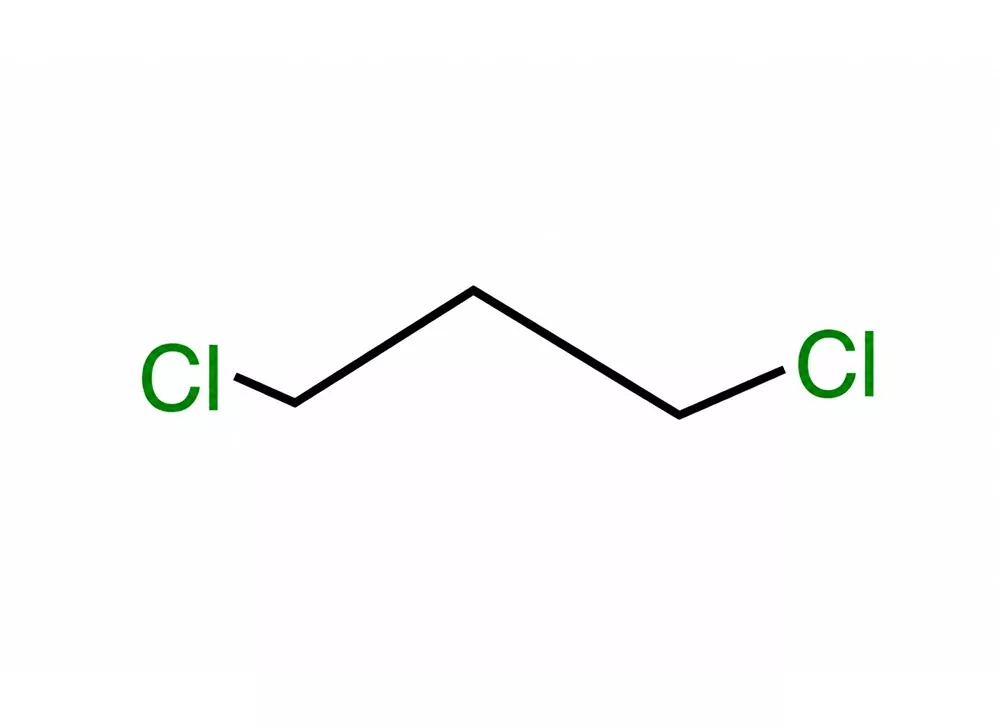
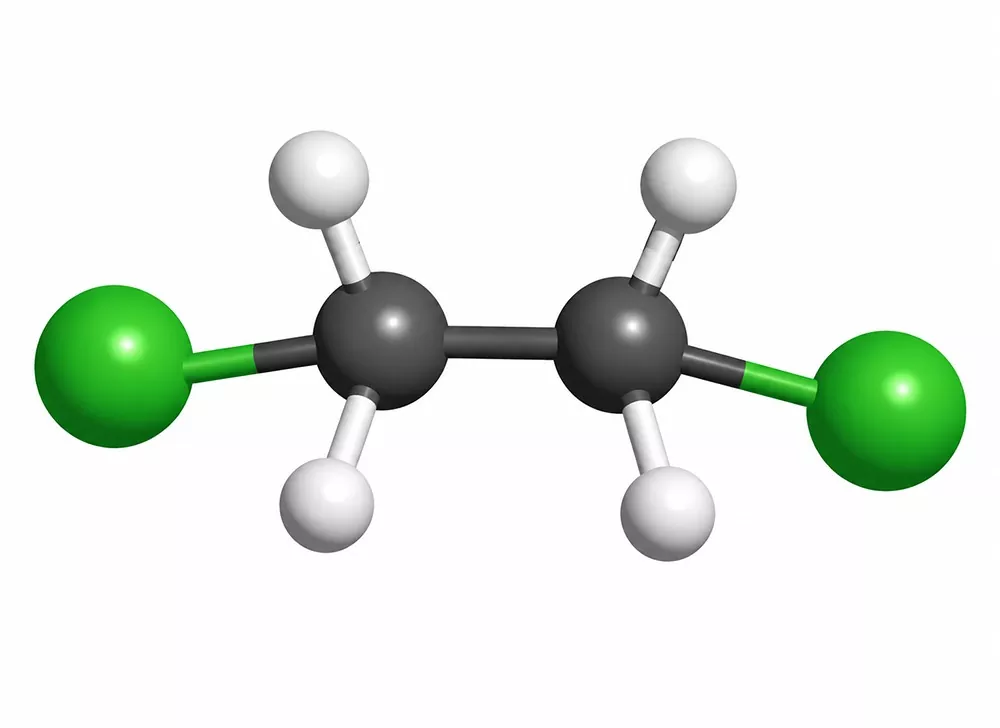
EDC is not simply a chemical raw material in an ethylene-based VCM process. It serves as the intermediate feedstock that enters the cracking section and is converted into vinyl chloride monomer and hydrogen chloride. Variations in purity, moisture, and trace impurities can therefore influence heat transfer conditions, cracking behavior, downstream separation, and the overall stability of the production process.
For high-capacity VCM plants, consistent feed quality is especially important because production normally operates continuously. A small variation repeated across multiple production cycles can increase process adjustments, affect energy consumption, or create additional pressure on purification and separation systems. Our EDC For Vinyl Chloride Monomer Production is controlled around these practical procurement requirements, helping buyers maintain a more predictable feedstock specification.
| Parameter | Specification |
|---|---|
| Product Name | EDC For Vinyl Chloride Monomer Production |
| CAS No. | 107-06-2 |
| Purity | ≥99.9% (GC detection) |
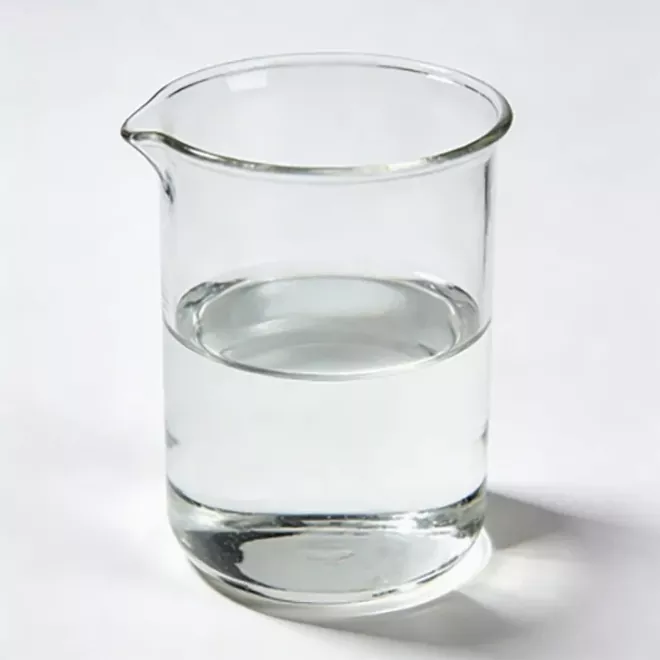
| Appearance | Colorless transparent liquid, no visible impurities |
| Density (20℃) | 1.253–1.255 g/cm³ |
| Boiling Point | 83.4–83.6℃ |
| Moisture | ≤0.01% |
| Impurity Content | ≤0.1% |
| UN Number | 1184 |
| Raw Materials | Ethylene, Chlorine |
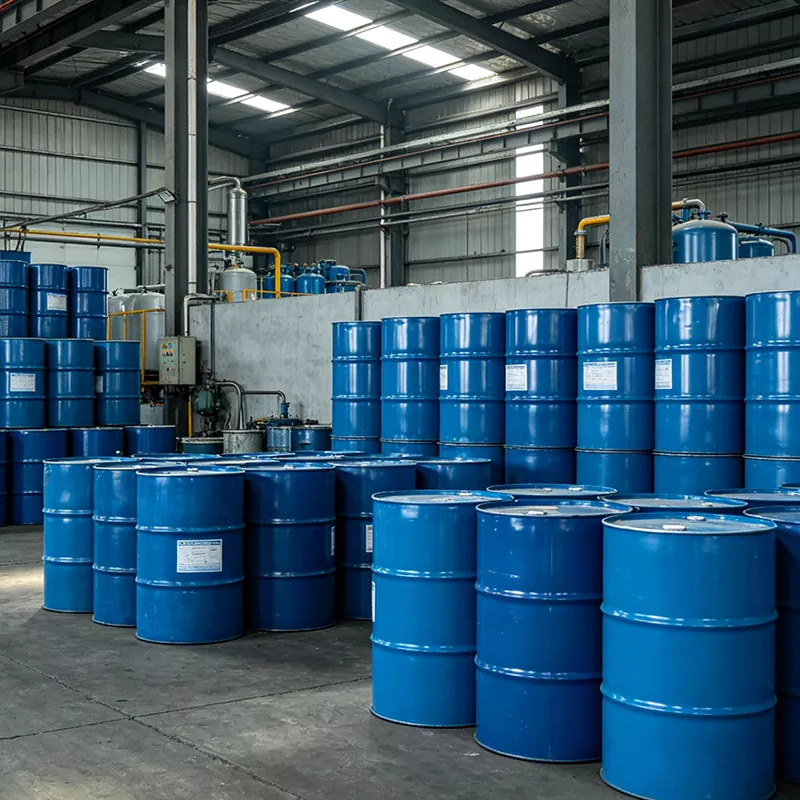
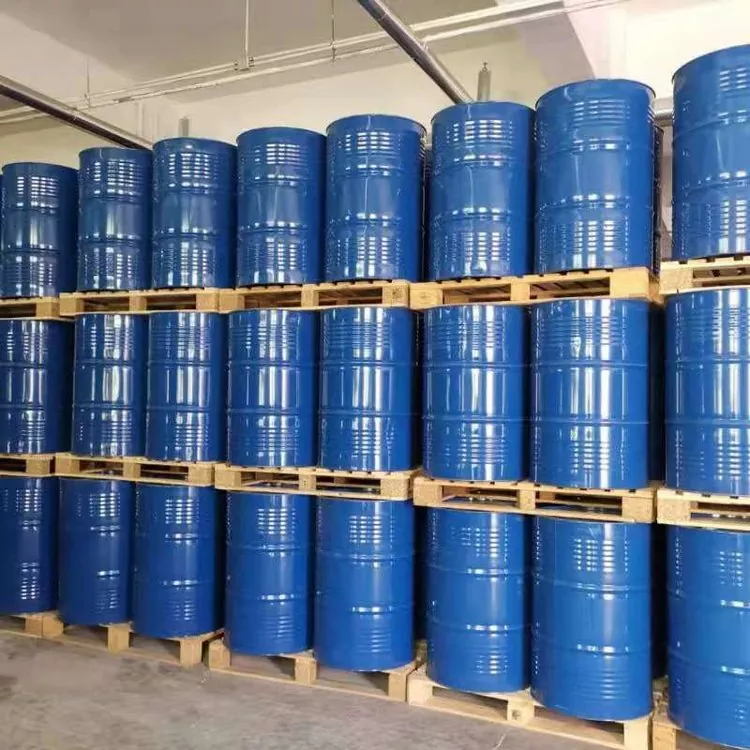
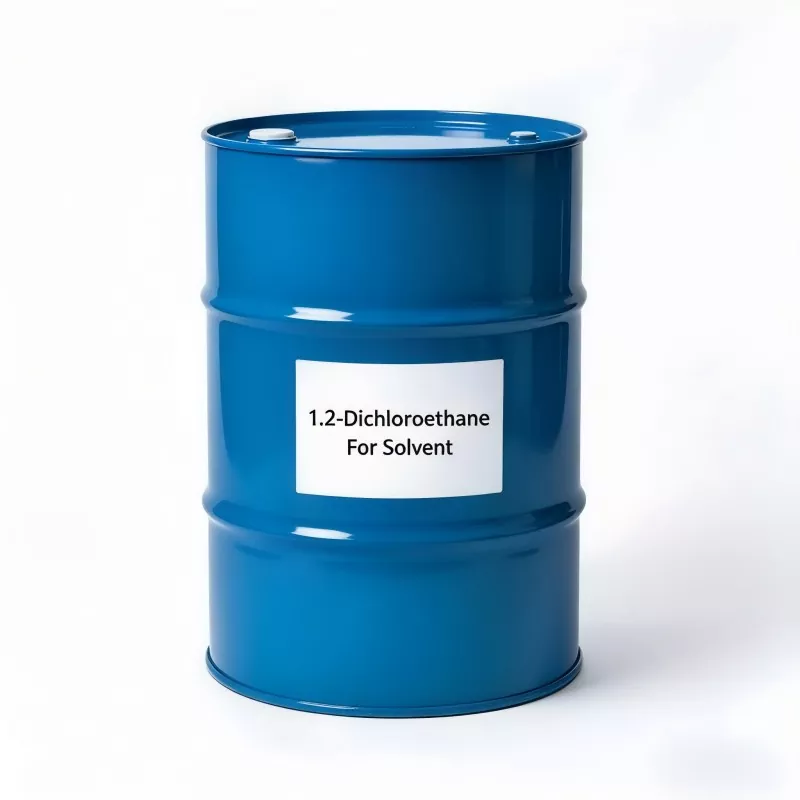
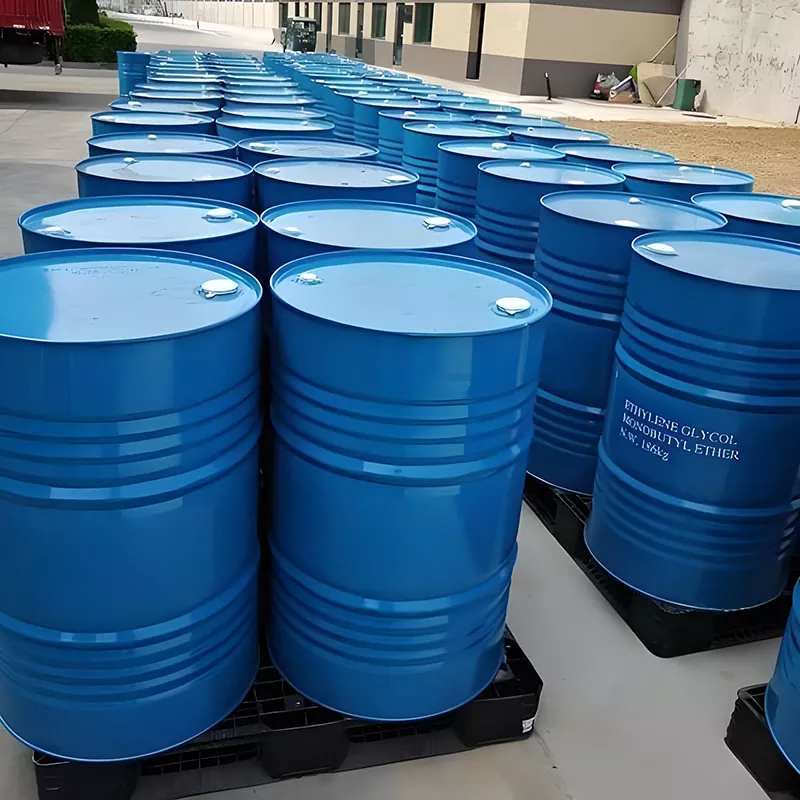
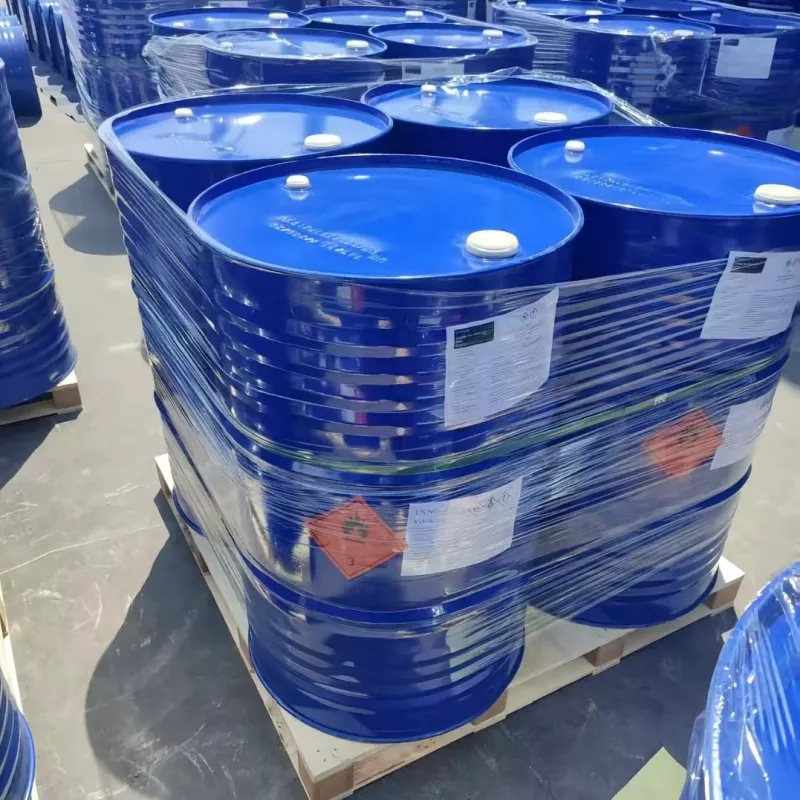
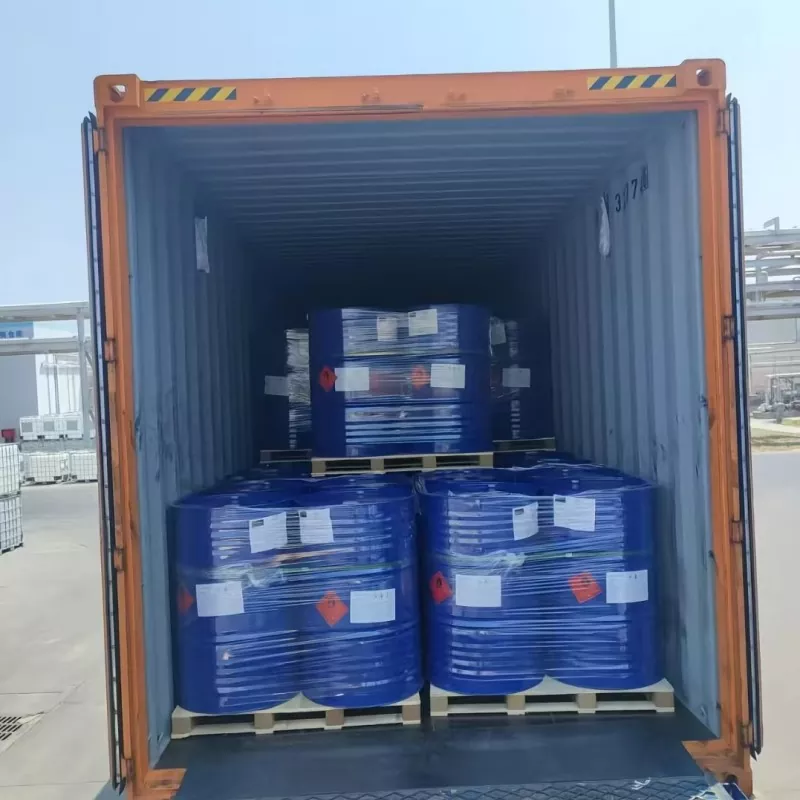
| Package | 200kg galvanized iron drum, 1000kg IBC tank, 20ft ISO tank |
| Applicable Process | Ethylene method VCM production |
The ethylene route generally involves chlorination of ethylene to produce EDC, followed by purification and high-temperature cracking to obtain VCM and hydrogen chloride. The hydrogen chloride generated during cracking can then participate in the oxychlorination stage, creating an integrated production cycle.
Within this process, the feedstock must provide predictable physical and chemical characteristics so that downstream equipment can operate under controlled conditions. High-purity EDC can reduce the introduction of unnecessary contaminants into the cracking and separation sections, while low moisture content helps maintain consistent process conditions.
For manufacturers operating continuous VCM production lines, this relationship makes raw material consistency an important purchasing criterion rather than simply selecting the lowest-cost EDC available.
AOLANSU controls the product through multiple stages of production and testing. Raw materials are selected according to defined specifications, while purification and rectification are used to control the final composition. Before shipment, each batch is tested for key quality indicators such as purity, moisture, and impurity content.
The target of this process is not only to achieve a laboratory purity figure, but to maintain a consistent specification between different batches. For VCM producers, this can make procurement planning easier and reduce the need for frequent adjustments caused by changes in incoming raw materials.
Each shipment can be supported with batch-specific quality documentation, including COA and MSDS, allowing buyers to verify the material before introducing it into their production system.
VCM Production: The primary application is as an intermediate feedstock in the ethylene-based VCM production route. After purification, EDC enters the cracking section where it is converted into VCM and hydrogen chloride.
PVC Resin Manufacturing: Stable VCM production provides the upstream foundation for PVC resin manufacturing. PVC produced from VCM is subsequently used in pipes, profiles, cables, flooring, films, construction materials, and other industrial products.
Integrated Chlor-Alkali Facilities: EDC can also fit into integrated production systems where chlorine, ethylene, VCM, and PVC operations are connected. Consistent feedstock quality can support coordinated operation across multiple production stages.
A PVC producer operating an ethylene-based VCM production line was experiencing fluctuations in raw material quality from different suppliers. Variations in impurity levels increased the frequency of process adjustments and created additional pressure on downstream purification operations.
The customer switched to Shandong Aolansu's EDC For Vinyl Chloride Monomer Production, with a specified purity of ≥99.9% and moisture content of ≤0.01%. AOLANSU provided batch-level quality documentation and maintained a consistent delivery specification throughout the cooperation period.
After introducing the new supply source, the customer reported more stable feedstock quality during continuous production. The frequency of raw-material-related process adjustments was reduced, while the VCM production line maintained a more consistent operating condition. The customer subsequently established a long-term procurement arrangement with AOLANSU for regular EDC supply.
Different VCM producers have different consumption patterns, storage capacities, and delivery schedules. AOLANSU therefore supports several packaging and logistics options, including 200kg galvanized iron drums, 1000kg IBC tanks, and 20ft ISO tanks. The appropriate packaging method can be discussed according to order volume, destination, storage conditions, and transportation requirements.
For new suppliers, process validation, or small-scale testing, buyers can first arrange sample evaluation before moving to regular procurement. For established VCM plants, long-term bulk supply can be coordinated according to production schedules to reduce the risk of interruptions caused by irregular raw material availability.
EDC is classified as a dangerous chemical and requires controlled handling during storage and transportation. AOLANSU holds a Dangerous Chemicals Business License and works with professional dangerous-goods logistics providers for international shipments.
For overseas orders, the necessary commercial and safety documentation can be prepared according to destination-country requirements, including COA, MSDS, customs documentation, and relevant dangerous-goods transportation documents. Buyers can therefore evaluate not only product quality but also the compliance requirements involved in importing and using the material.
AOLANSU focuses on the requirements of industrial chemical procurement rather than treating every customer as a standard spot-order buyer. Our production and quality-control procedures are designed to maintain consistent specifications across batches, while our logistics and documentation support helps overseas customers coordinate procurement with their production schedules.
For VCM and PVC manufacturers, the key value is the combination of ≥99.9% purity, low moisture, batch traceability, flexible packaging, dangerous-goods logistics support, and long-term supply coordination. These factors allow buyers to evaluate the material based on total production requirements instead of purchasing price alone.
EDC is the key intermediate used in the ethylene-based VCM production route. It is produced through chlorination-related processes and then cracked at high temperature to generate vinyl chloride monomer and hydrogen chloride. The resulting VCM is subsequently used for PVC production.
Moisture is one of the quality indicators that should be controlled when EDC is used as a VCM feedstock. Excessive moisture or other impurities can affect process conditions and downstream separation. Our product specification controls moisture at ≤0.01% to provide a consistent feedstock for industrial VCM operations.
Our EDC for VCM applications has a specified purity of ≥99.9%, with impurity content controlled at ≤0.1%. Each batch can be supported by a COA for buyer verification and quality traceability.
Yes. AOLANSU supports both trial orders and long-term bulk procurement. Packaging can be selected from drums, IBC tanks, or ISO tanks according to the buyer's consumption volume, storage conditions, and transportation requirements.
For international orders, AOLANSU can provide documents such as COA, MSDS, customs declaration documents, and applicable dangerous-goods transportation documentation. Specific documents can be confirmed according to the destination country and shipping method.
EDC is a hazardous chemical and should only be handled by trained personnel under appropriate industrial safety procedures. Storage and transportation must follow the applicable dangerous-goods regulations, with suitable ventilation, compatible containers, and controlled ignition sources. Buyers should always refer to the current MSDS and local regulations before handling the product.
If you are sourcing a stable EDC feedstock for an ethylene-based VCM production line, AOLANSU can provide product specifications, COA, samples, packaging options, and a quotation according to your required volume and destination.
Address
(North of Dongwei Group, West) Houwei Village, Changshan Town, Zouping City, Binzhou, Shandong Province, China
Tel