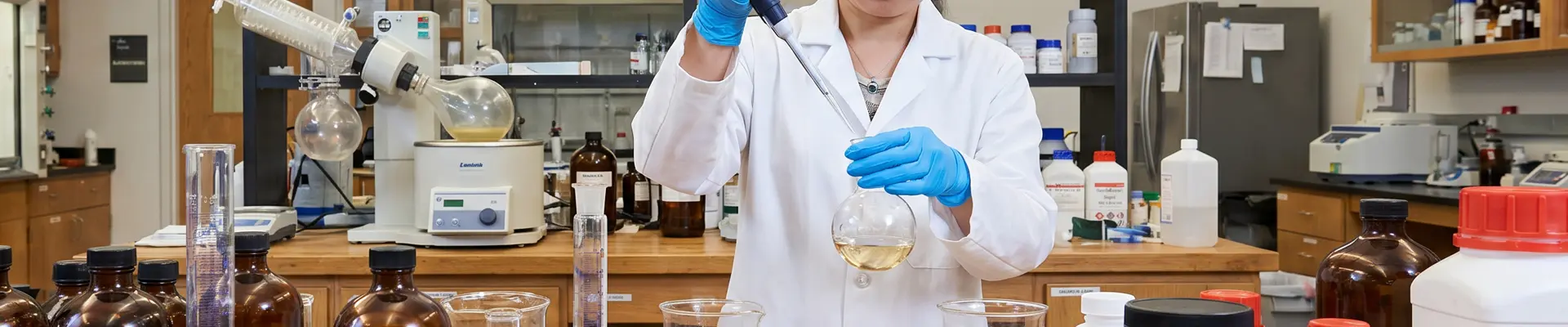
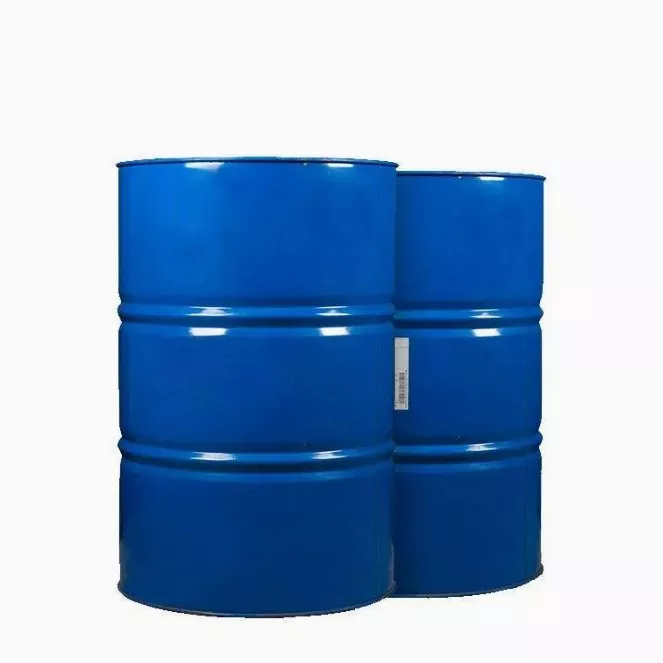
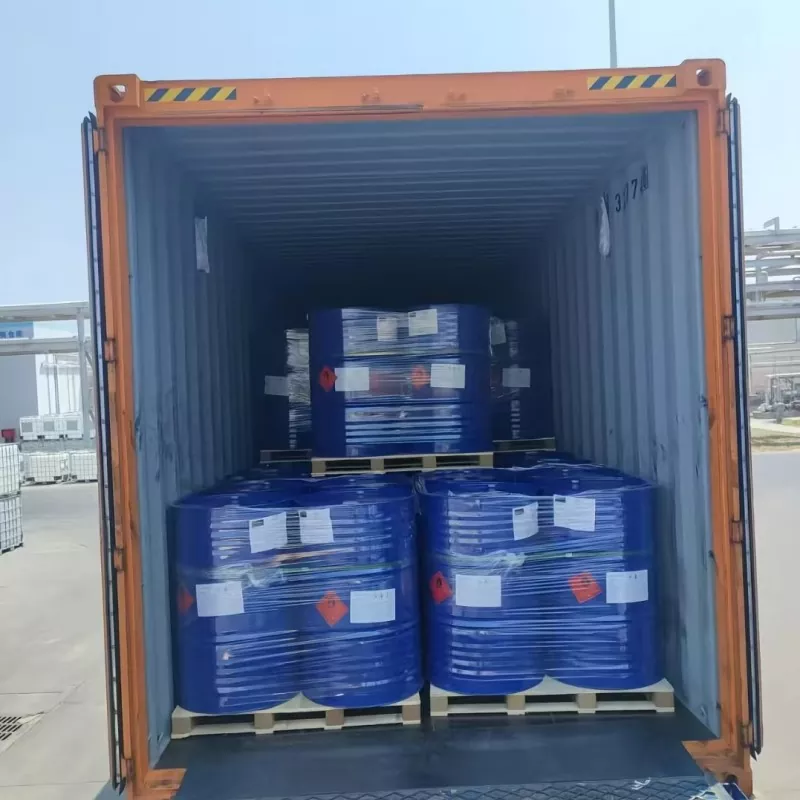
In chemical manufacturing, solvent selection often affects more than reaction completion. Compatibility with raw materials, dissolution behavior, reaction temperature, solvent recovery, and downstream purification can all influence the overall production cost. 1,2-Dichloroethane For Chemical Synthesis supplied by AOLANSU is intended for chemical manufacturers that require a controlled chlorinated solvent for synthesis, extraction, intermediate processing, and related operations. With a purity of ≥99.8%, moisture ≤0.02%, and impurity content ≤0.2%, it provides a defined material specification for process evaluation and industrial procurement.
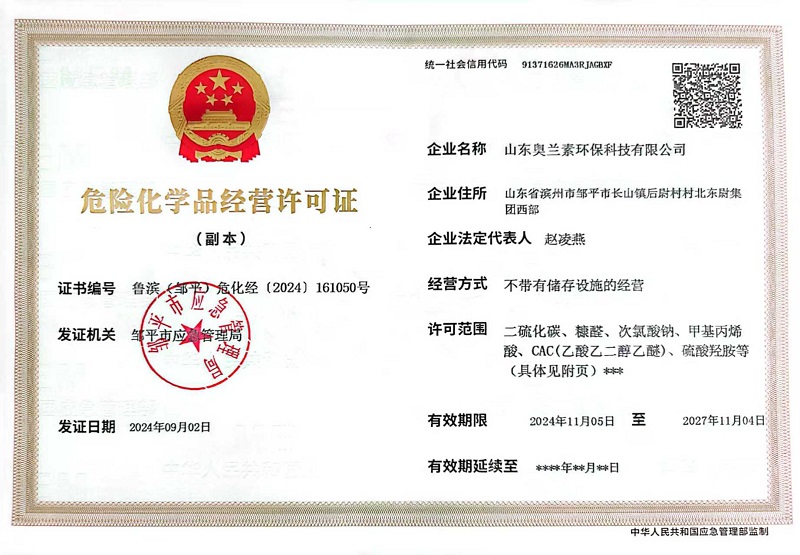
Shandong Aolansu Environmental Protection Technology Co., Ltd. is a China chemical supplier holding a Dangerous Chemicals Business License. Instead of positioning the material only as a general-purpose solvent, AOLANSU focuses on helping buyers evaluate whether its physical properties, purity level, packaging, and documentation are compatible with their existing production process.
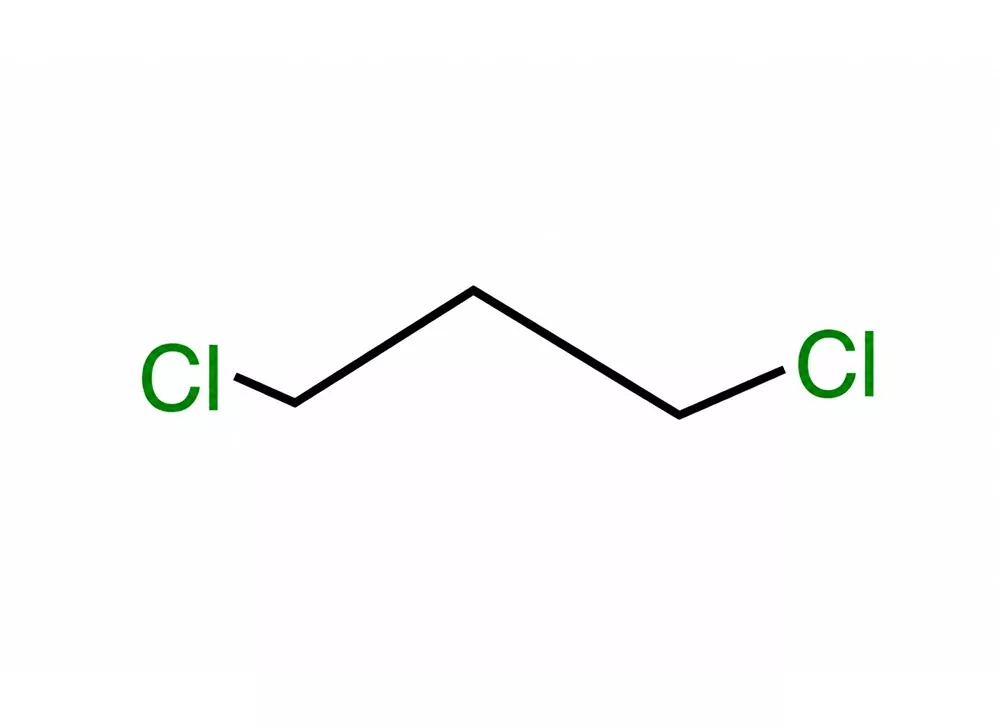
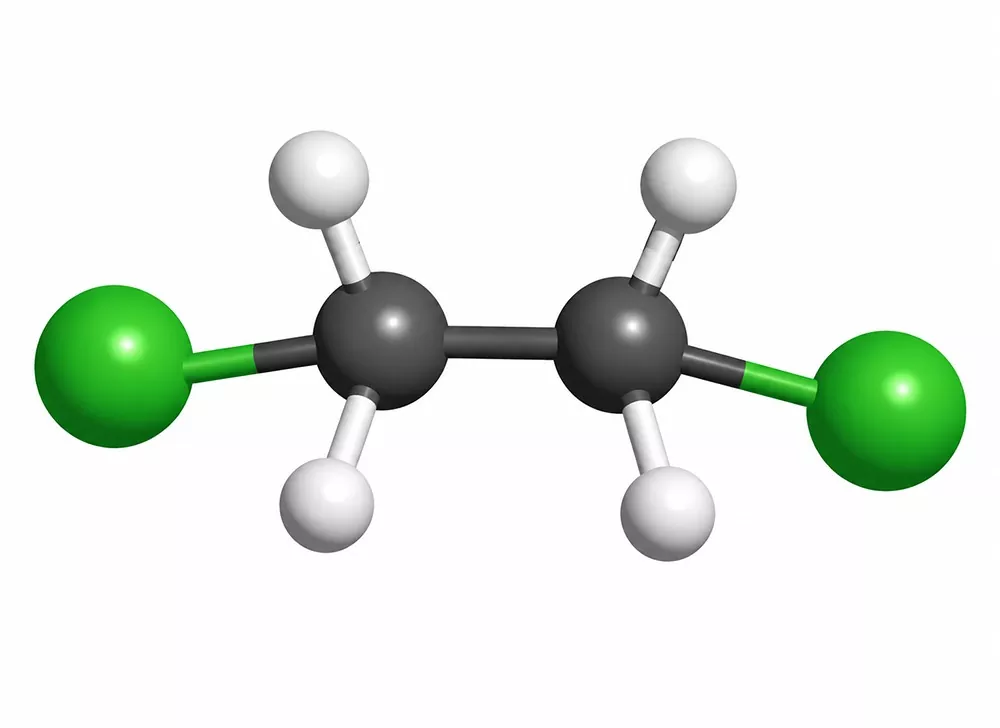
For chemical synthesis, the most suitable solvent is determined by the complete reaction system rather than by price or purity alone. Solubility, boiling point, polarity, interaction with reactants, reaction temperature, phase separation, and recovery conditions should all be considered before introducing a new solvent into production.
1,2-Dichloroethane has a boiling point of approximately 83.4–83.6℃ and is widely compatible with many organic compounds. Its physical characteristics can make it useful in synthesis routes where a volatile organic medium is required and where solvent removal or recovery forms part of the downstream process.
For procurement teams, this means that evaluating the product against the actual formulation and reaction conditions can be more useful than comparing suppliers only by nominal purity.
| Parameter | Specification |
|---|---|
| Product Name | 1,2-Dichloroethane For Chemical Synthesis |
| CAS No. | 107-06-2 |
| Purity | ≥99.8% (GC detection) |
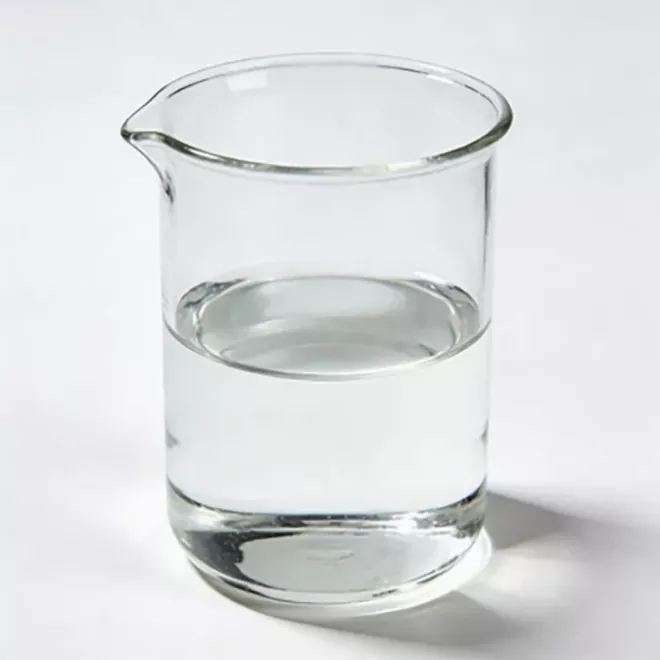
| Appearance | Colorless transparent liquid, no visible impurities |
| Density (20℃) | 1.253–1.255 g/cm³ |
| Boiling Point | 83.4–83.6℃ |
| Moisture | ≤0.02% |
| Impurity Content | ≤0.2% |
| UN Number | 1184 |
| Raw Materials | Ethylene, Chlorine |
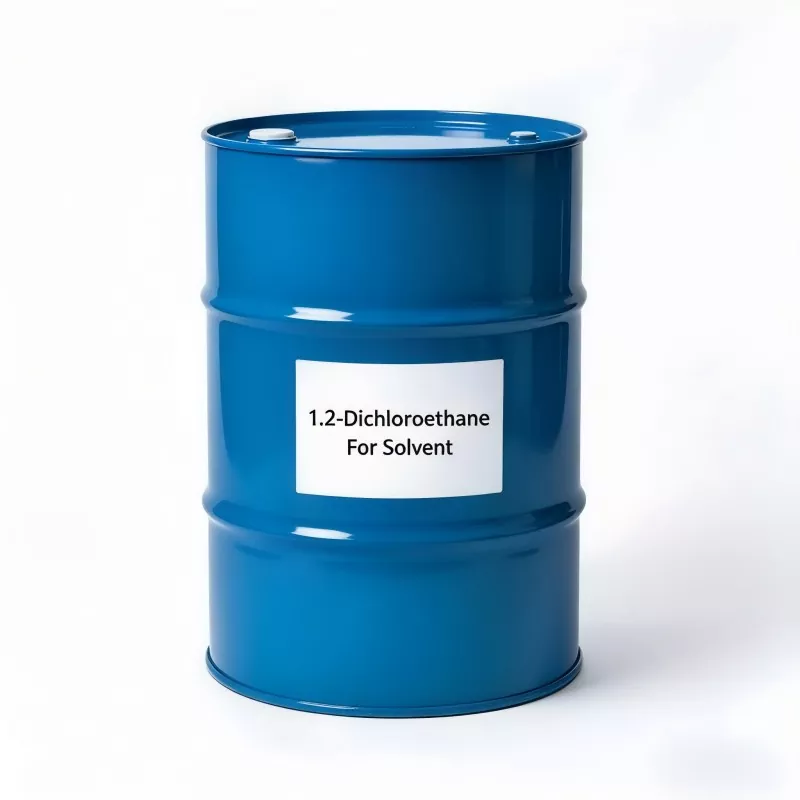
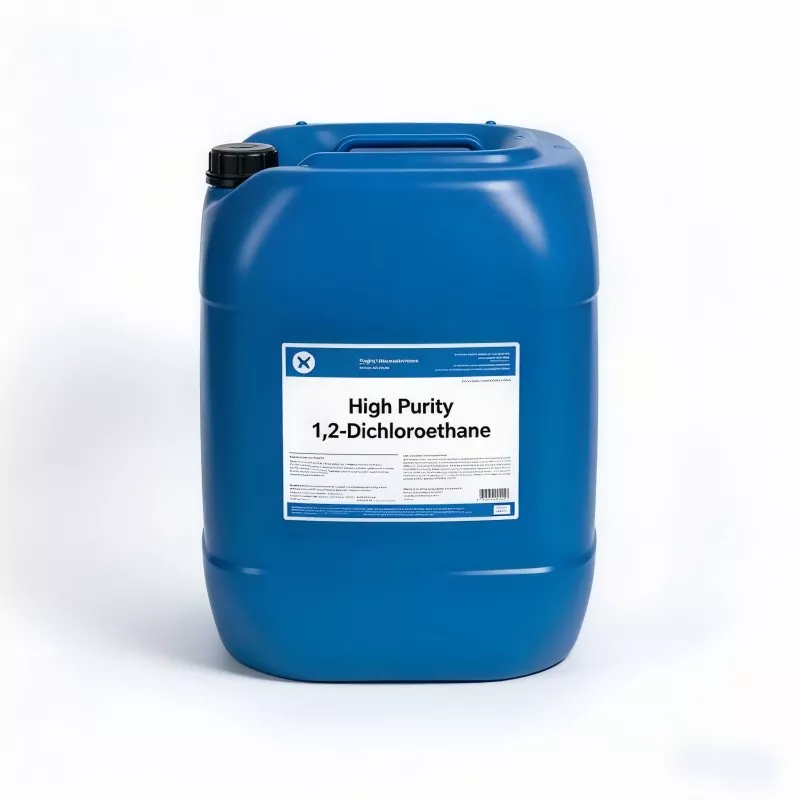
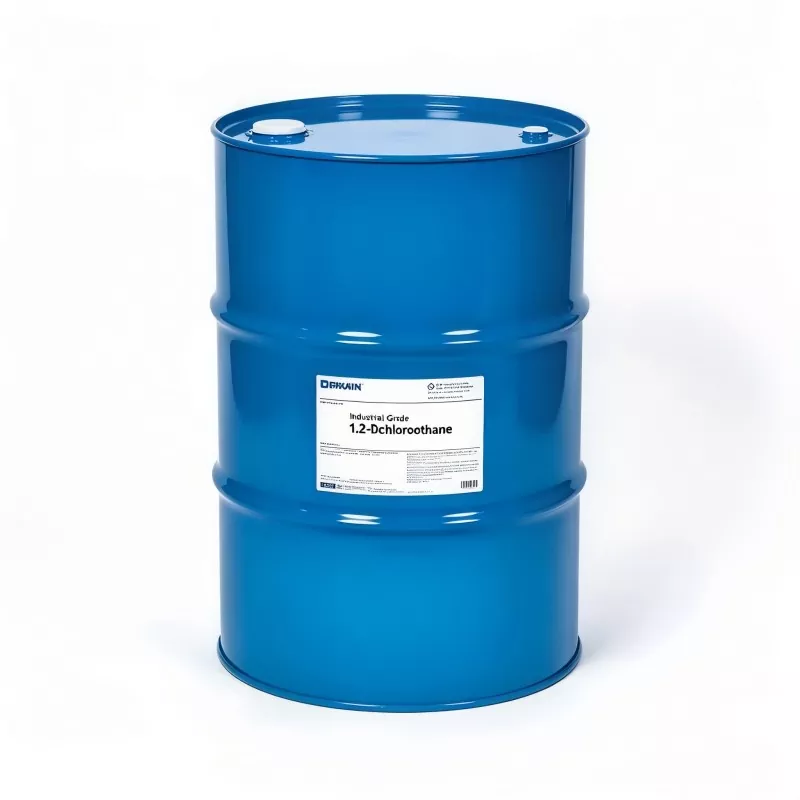
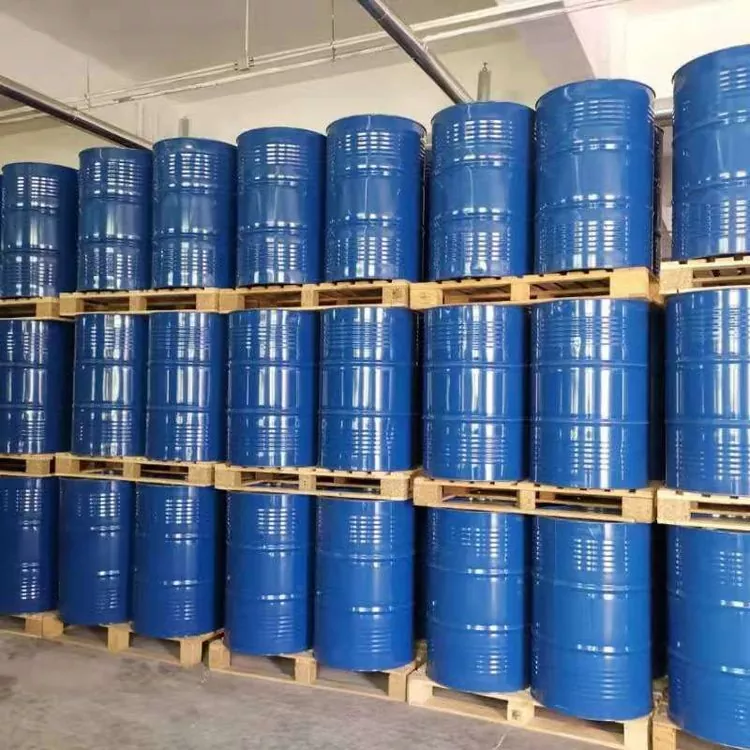
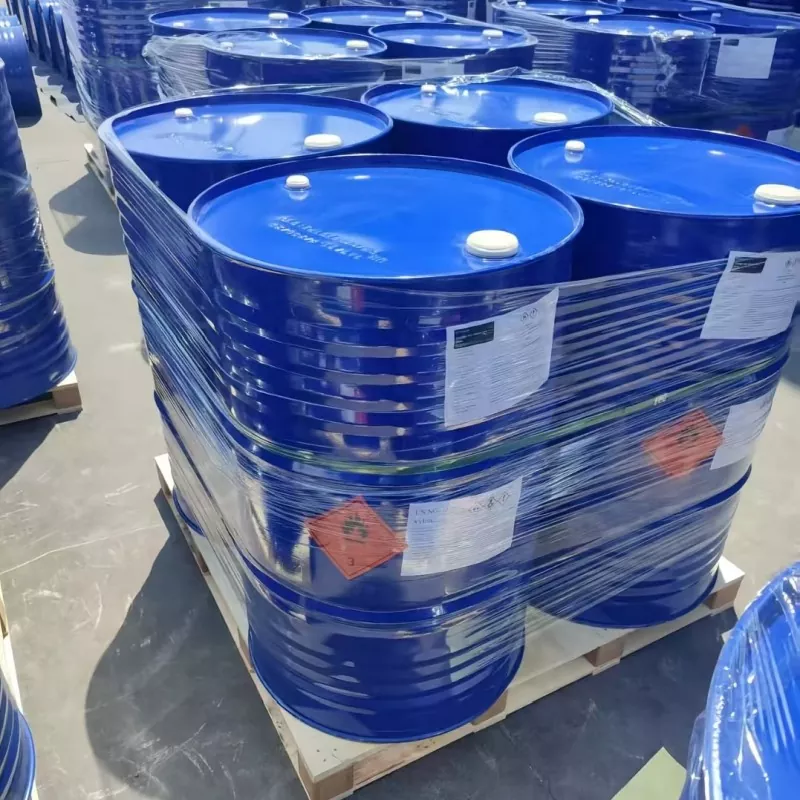
| Packaging | 20kg glass bottle, 200kg galvanized iron drum, 1000kg IBC tank |
The solvent can dissolve or mix with many organic substances, making it suitable for reaction systems where solid or liquid organic materials need to be brought into a more uniform reaction environment. This characteristic can help improve contact between reaction components and simplify formulation development.
With a boiling point around 83.4–83.6℃, the solvent can be removed through suitable evaporation or distillation systems after a synthesis step. For facilities equipped with solvent recovery units, its volatility can also be considered when designing recovery and reuse procedures.
Chemical production frequently involves reaction, extraction, washing, concentration, and purification rather than a single reaction step. A solvent with predictable physical properties can therefore be useful across several connected operations, provided that its compatibility with the specific process has been confirmed.
Organic Intermediate Production: It can be used as a reaction medium or processing solvent in selected organic synthesis routes and in the preparation of chemical intermediates.
Pharmaceutical Chemical Processing: Certain pharmaceutical intermediate processes may use chlorinated solvents during reaction, extraction, or purification. Suitability must be determined according to the customer's formulation, regulatory requirements, and final-product specifications.
Agrochemical Synthesis: It can be considered for selected pesticide and herbicide manufacturing processes where its solvent characteristics are compatible with the reaction system.
Fine Chemical Processing: Manufacturers of dyes, pigments, specialty intermediates, plasticizer-related chemicals, and other fine chemicals can evaluate it where controlled solvent properties are required.
Changing a chemical supplier or replacing an existing solvent should normally begin with process verification rather than an immediate full-scale purchase. Differences in impurity profile, moisture, evaporation behavior, and interaction with other raw materials can become more visible when the material enters an actual reaction system.
AOLANSU supports a staged purchasing approach. Buyers can first evaluate samples or small quantities against their laboratory formulation, followed by pilot-scale testing and finally regular production procurement after internal approval.
This approach allows technical teams to compare reaction yield, purification behavior, solvent consumption, recovery efficiency, and final-product quality before committing to long-term supply.
A domestic pharmaceutical company was looking for a more consistent solvent source for an intermediate synthesis process. Its previous material showed fluctuations in moisture and impurity levels, which occasionally affected reaction efficiency and the qualification rate of the finished intermediate.
The company tested AOLANSU material with purity ≥99.8% and moisture ≤0.02%. After laboratory verification and pilot production, the customer incorporated the material into its synthesis process.
The customer reported a 15% improvement in reaction efficiency, a noticeable improvement in finished-product qualification and yield, and better consistency between production batches. The material was subsequently used in a pharmaceutical cleanroom-controlled production environment.
A car paint manufacturer in Jiangsu Province was experiencing formulation instability when using traditional mixed solvents. Surface defects appeared intermittently, particularly when changes in solvent composition affected resin dissolution and coating formation.
The manufacturer evaluated AOLANSU's 1,2-Dichloroethane For Chemical Synthesis as part of a revised solvent system. Following formulation testing, the company reported fewer coating defects together with improvements in weather resistance and abrasion resistance. Production yield also increased steadily after the formulation was standardized.
A leather processing plant in Shandong Province required a solvent suitable for a specific finishing process. The existing formulation showed inconsistent color performance, particularly between different production batches.
After testing AOLANSU material, the manufacturer adjusted its processing formulation according to its own production conditions. The finished leather showed more consistent color performance and improved surface quality, allowing the company to target higher-end leather goods applications.
For a new chemical supplier, buyers generally need to verify three aspects: whether the material matches the required specification, whether it behaves consistently in the production process, and whether the supplier can provide the documentation required for purchasing and importing.
AOLANSU provides ≥99.8% purity material with controlled moisture and impurity specifications. Batch-related quality information can be supplied through COA documentation, while MSDS and applicable export documents support the customer's internal compliance review.
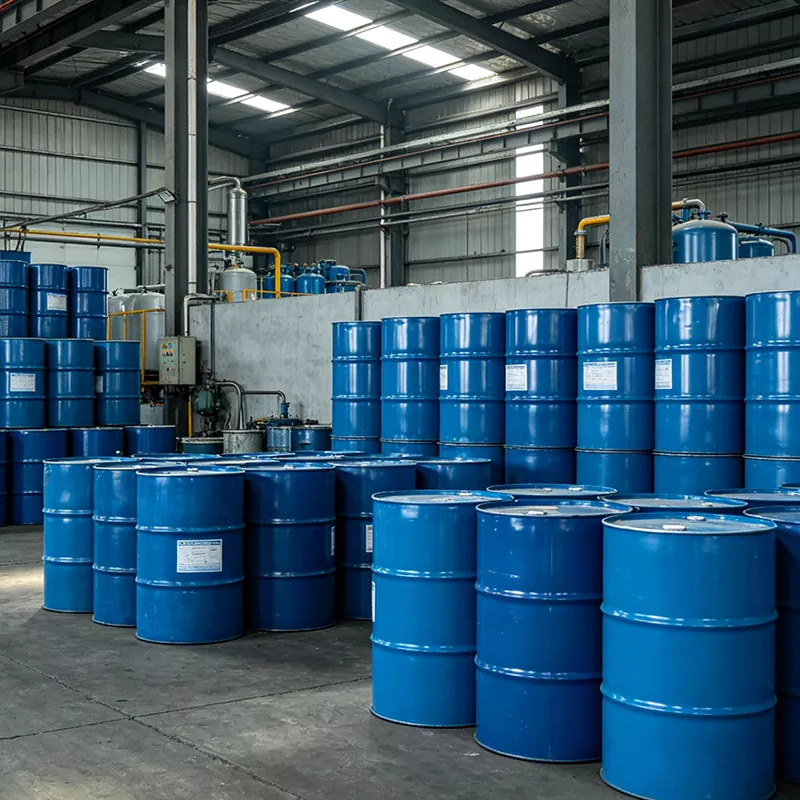
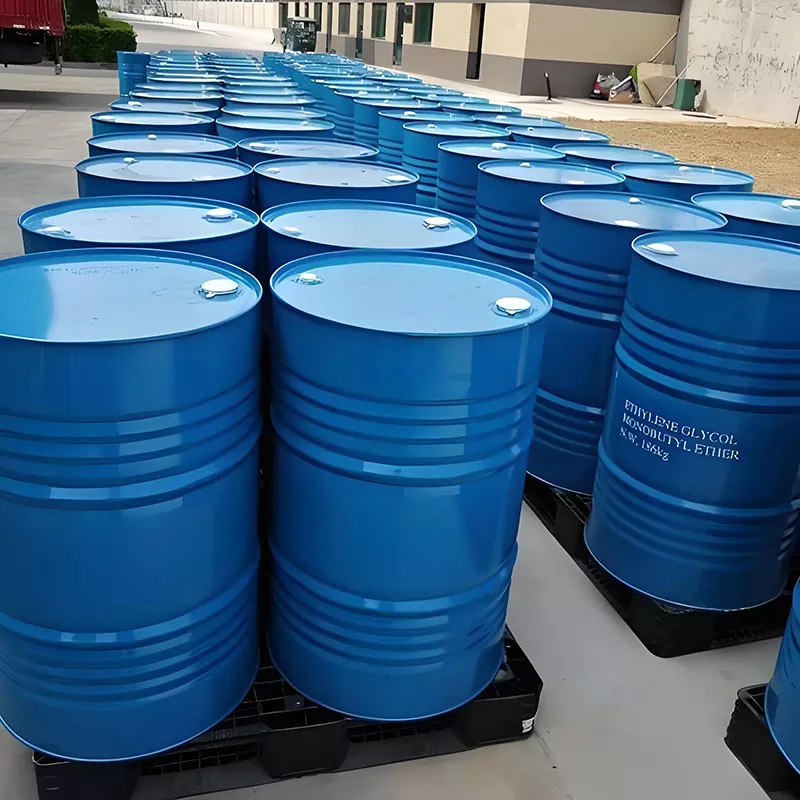
The available 20kg glass bottle, 200kg galvanized iron drum, and 1000kg IBC packaging also allow customers to select a package according to laboratory testing, pilot production, or industrial consumption requirements.
Small-volume buyers may require manageable packaging for laboratory evaluation, while chemical plants usually prioritize transportation efficiency and storage capacity. AOLANSU therefore provides different packaging formats instead of applying one standard package to every customer.
20kg glass bottles can be considered for testing and evaluation, 200kg galvanized iron drums are suitable for conventional industrial purchasing, and 1000kg IBC tanks are available for higher-volume consumption. Packaging specifications can be discussed according to the customer's process, destination, and logistics requirements.
When purchasing hazardous chemicals internationally, technical documentation is an important part of supplier evaluation. Buyers may need to review the product specification, safety information, transport classification, packaging information, and customs documentation before placing an order.
AOLANSU can provide COA, MSDS, customs-related documents, and applicable dangerous-goods transportation documentation. As a company holding a Dangerous Chemicals Business License, we can also coordinate with professional dangerous-goods logistics providers for international shipments.
A solvent that performs well in one formulation may not necessarily produce identical results in another synthesis route. Reaction temperature, reactant concentration, catalyst system, residence time, purification method, and solvent recovery equipment can all influence the final result.
For this reason, AOLANSU recommends that new buyers conduct compatibility testing before large-scale adoption. The testing can focus on reaction performance, dissolution behavior, evaporation, separation, residue, solvent recovery, and final-product quality. Once the technical team confirms suitability, regular procurement can then be arranged.
The specified purity is ≥99.8% by GC detection. Moisture is controlled at ≤0.02%, while impurity content is controlled at ≤0.2%. Batch-specific COA documentation can be provided for buyer verification.
It can be evaluated for suitable pharmaceutical intermediate synthesis, reaction, extraction, or purification processes. However, whether it is appropriate for a specific pharmaceutical process should be confirmed through the buyer's own technical validation and applicable regulatory requirements.
Yes. AOLANSU supports sample and small-batch testing. Buyers can evaluate the material against their own reaction conditions before moving to pilot-scale or long-term procurement.
Available packaging includes 20kg glass bottles, 200kg galvanized iron drums, and 1000kg IBC tanks. The appropriate package can be selected according to testing requirements, consumption volume, storage facilities, and transportation conditions.
Its boiling point of approximately 83.4–83.6℃ makes it potentially suitable for recovery through appropriate distillation systems. Actual recovery performance depends on the customer's equipment and process design, so technical validation should be completed before implementation.
AOLANSU can provide COA, MSDS, customs-related documents, and applicable dangerous-goods transportation documentation. Additional documentation can be discussed according to the destination country and shipping requirements.
Address
(North of Dongwei Group, West) Houwei Village, Changshan Town, Zouping City, Binzhou, Shandong Province, China
Tel