Choosing an industrial solvent is not simply a matter of selecting the highest purity available. For manufacturers, the more important questions are whether the solvent can dissolve the target material efficiently, whether its evaporation behavior matches the production process, whether it can be introduced into an existing formulation without major adjustment, and whether supply remains consistent after the formulation is approved.
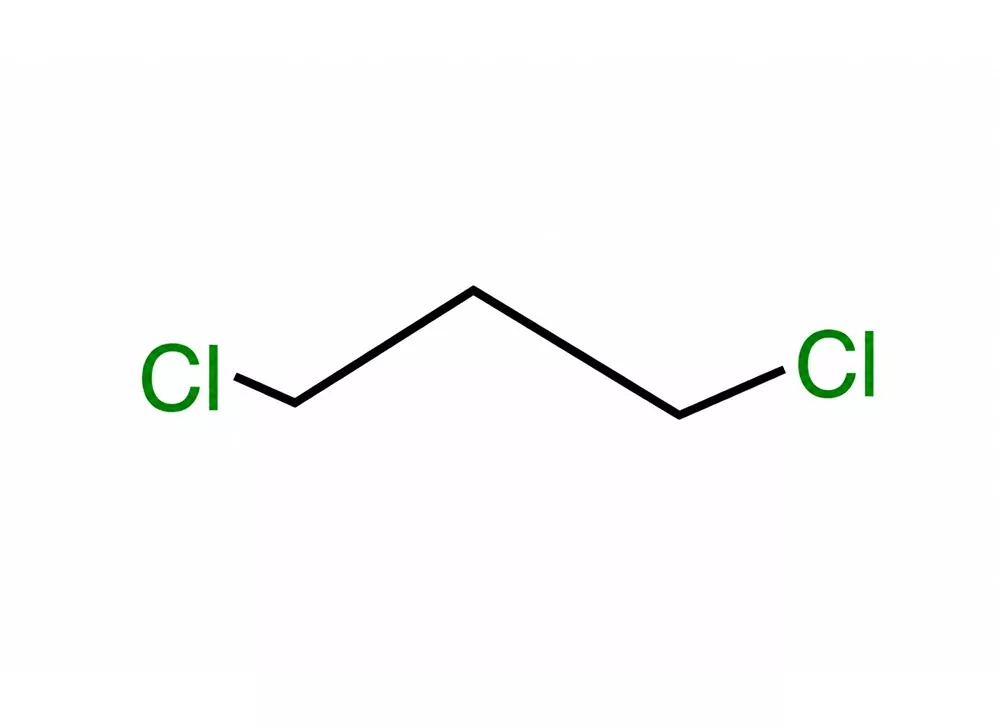
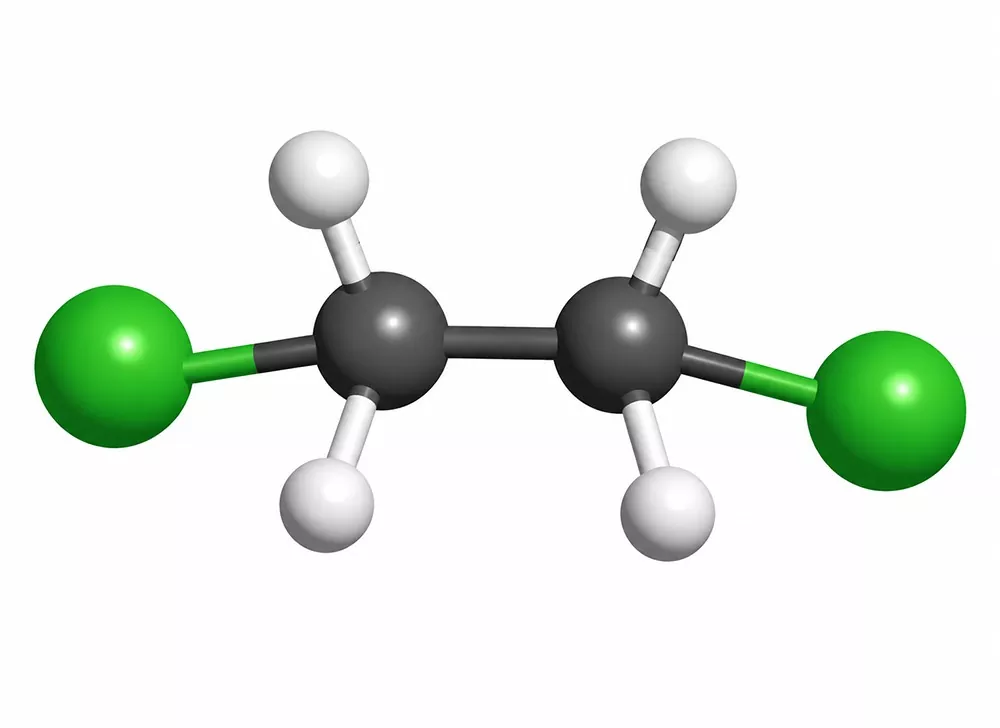
99.5% 1,2-Dichloroethane For Solvent is developed for industrial processes that require strong organic solvency and predictable physical properties. With a purity of ≥99.5%, moisture content of ≤0.03%, and a boiling point of 83.4–83.6℃, it provides a defined solvent profile for formulation development, cleaning, extraction, and other chemical processing operations.
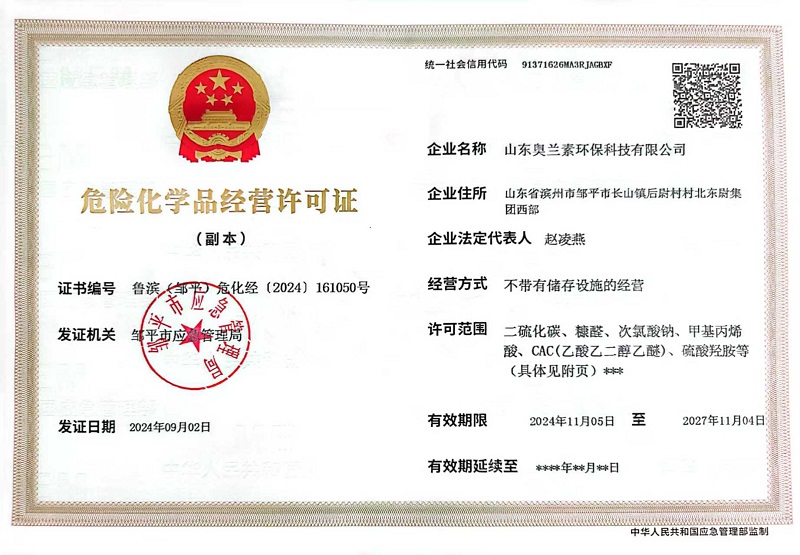
Shandong Aolansu Environmental Protection Technology Co., Ltd. supplies this material to international industrial buyers with hazardous chemicals business qualifications, batch quality documentation, flexible packaging, and export logistics support. AOLANSU focuses on helping customers evaluate solvent compatibility before making a long-term purchasing decision.
A solvent may dissolve a raw material effectively in a laboratory test but behave differently during continuous production. Resin concentration, temperature, mixing speed, formulation viscosity, and drying conditions can all influence the final result.
For this reason, 99.5% 1,2-Dichloroethane For Solvent should be evaluated according to the complete production process rather than a single dissolving test. Its strong organic solvency makes it suitable for processes involving selected resins, rubber materials, oils, pigments, and other organic substances.
The boiling point of this product is approximately 83.4–83.6℃. This defined physical characteristic gives process engineers a clear reference when adjusting solvent ratios, drying temperatures, ventilation rates, and coating or formulation speeds.
For manufacturers moving away from mixed solvents, controlling the evaporation profile can be particularly important. A solvent system that evaporates too rapidly may affect surface leveling, while excessively slow evaporation can extend drying time and reduce production throughput.
For some industrial formulations, excessive moisture can influence viscosity, dispersion, drying behavior, and raw-material compatibility. With moisture controlled at ≤0.03%, this grade provides a more predictable starting point for processes where water content needs to remain controlled.
| Parameter | Specification |
|---|---|
| Product Name | 1,2-Dichloroethane For Solvent |
| CAS No. | 107-06-2 |
| Purity | ≥99.5% |
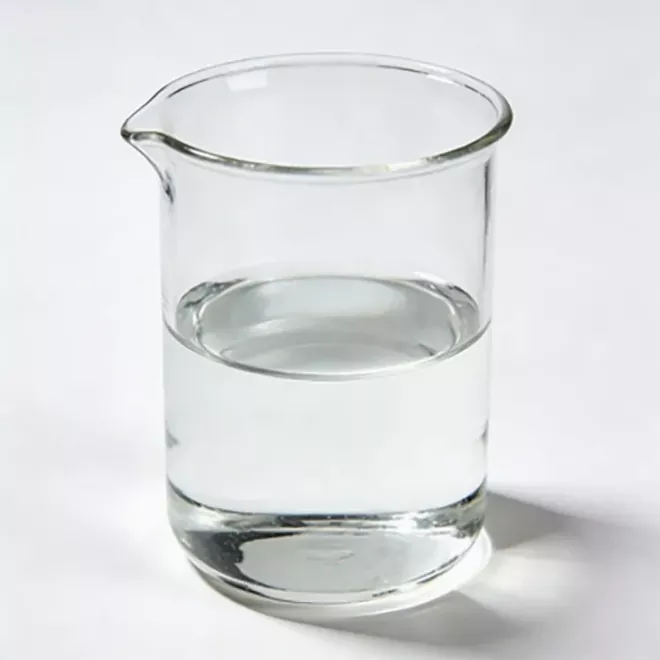
| Appearance | Colorless transparent liquid |
| Density at 20℃ | 1.253–1.255 g/cm³ |
| Boiling Point | 83.4–83.6℃ |
| Moisture | ≤0.03% |
| UN Number | 1184 |
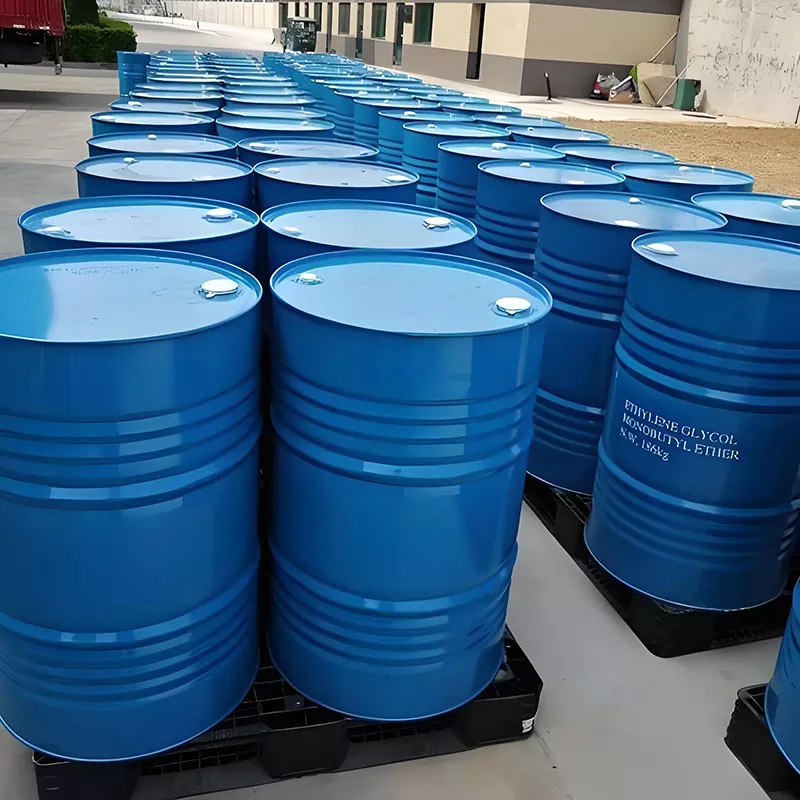
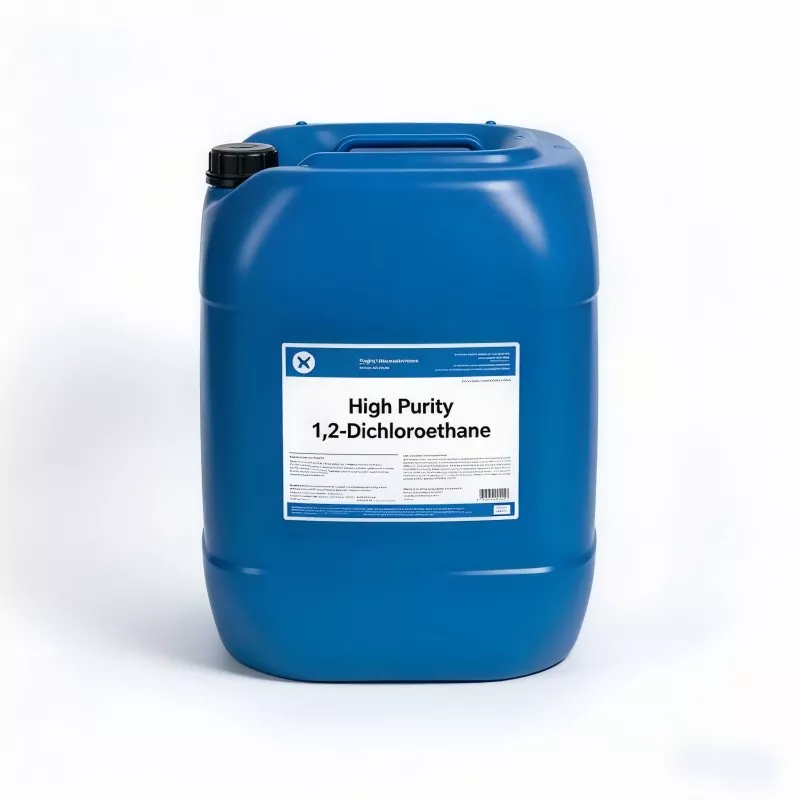
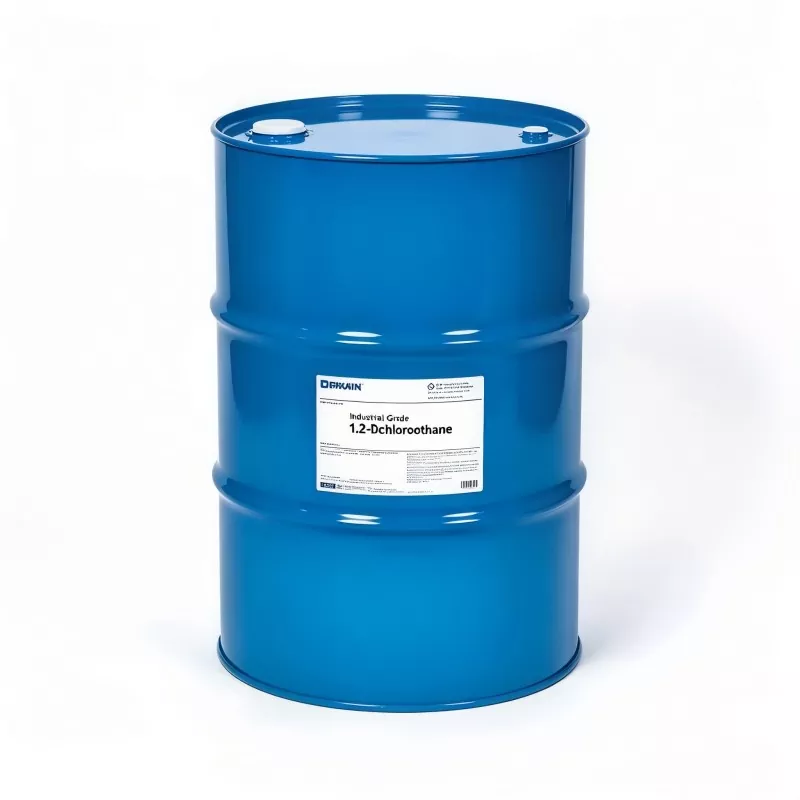
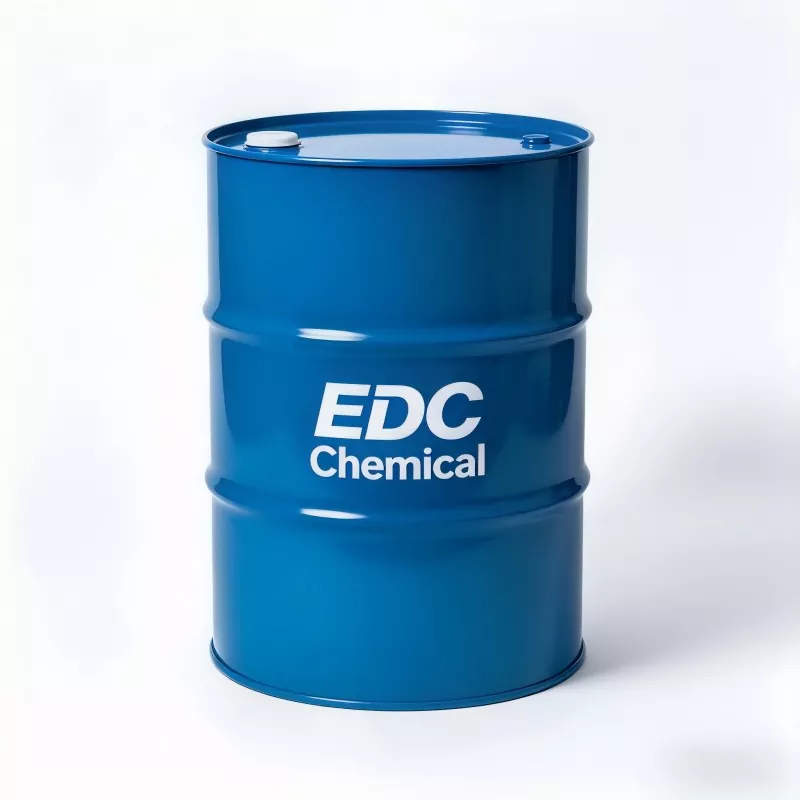
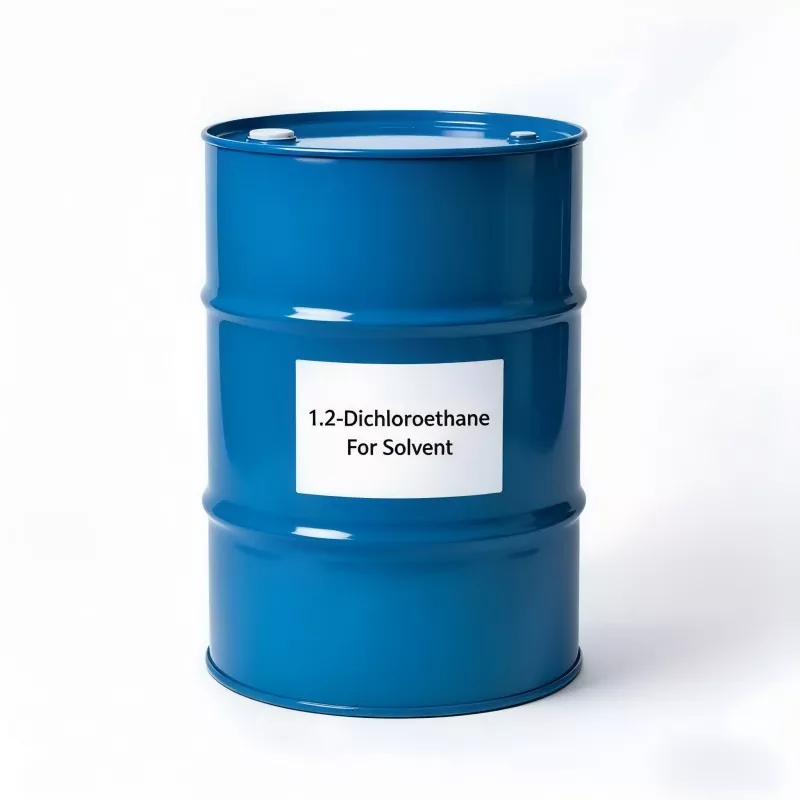
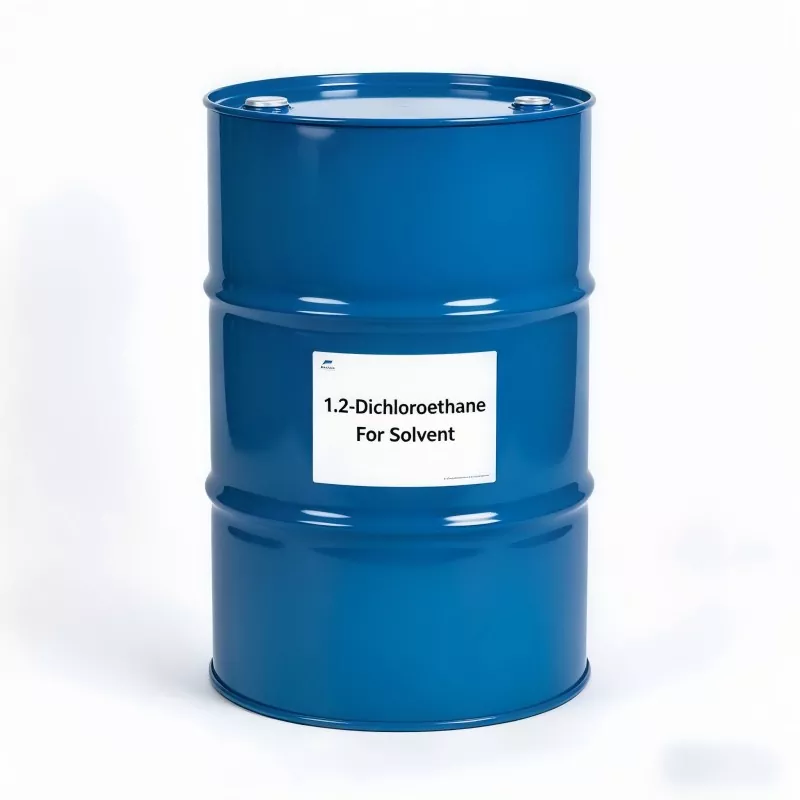
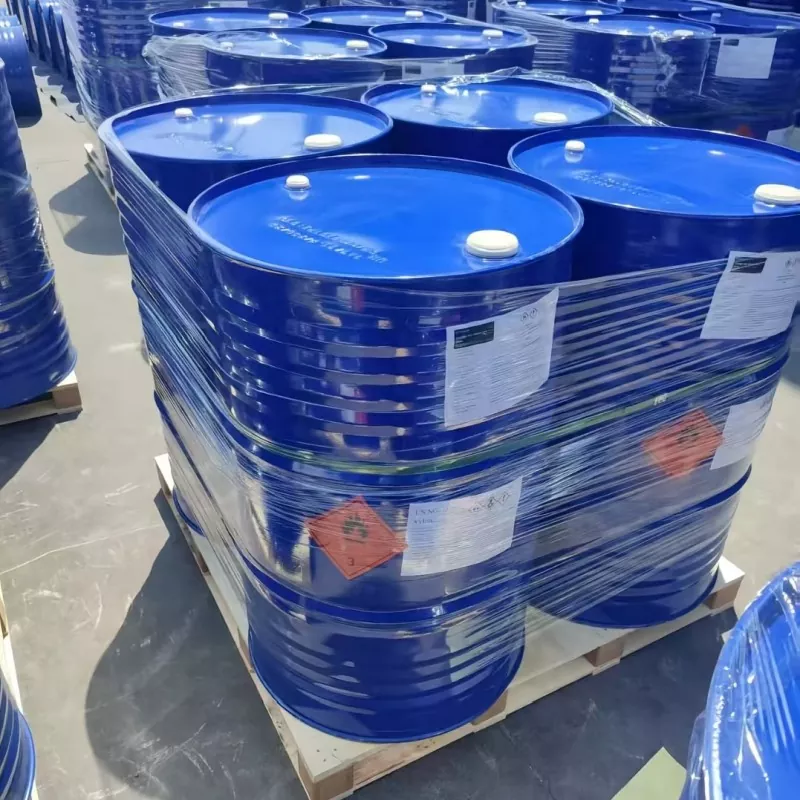
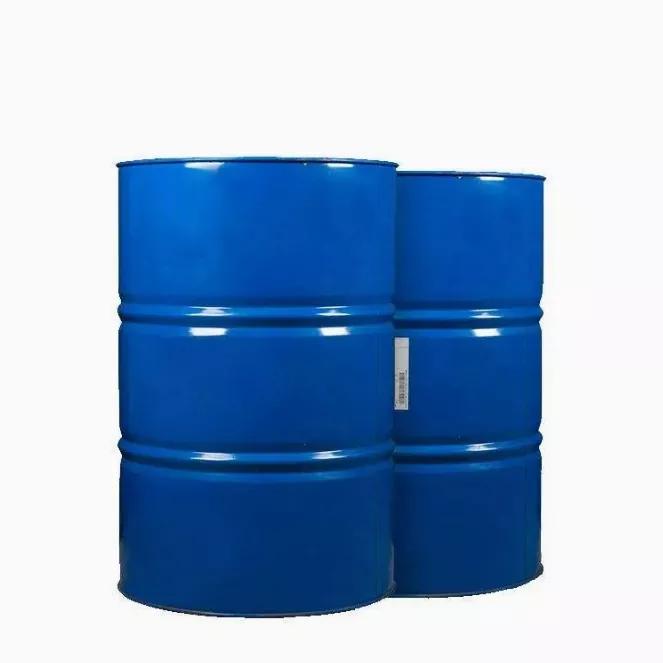
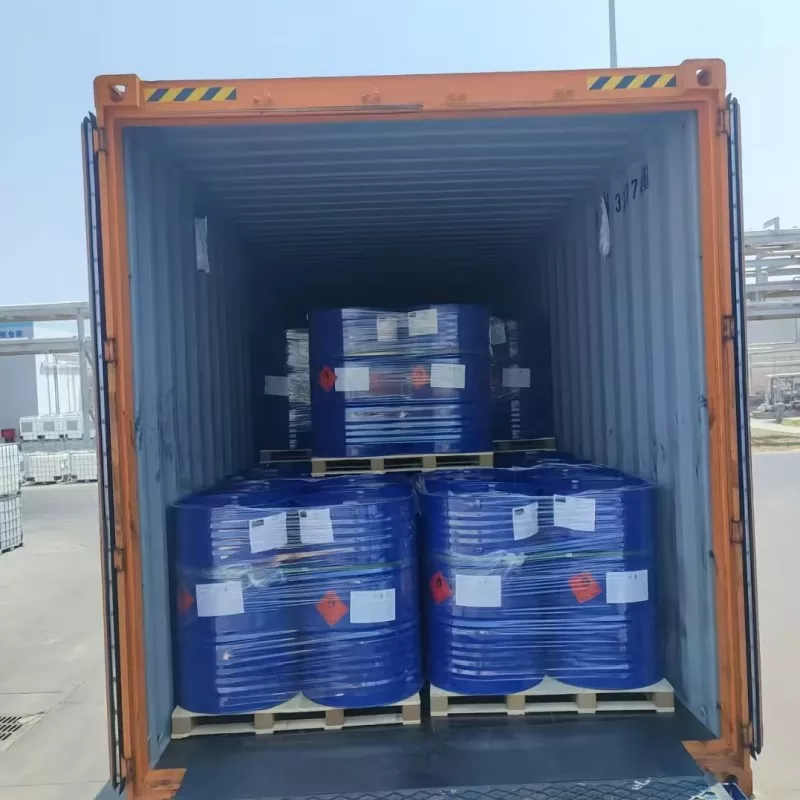
| Package | 200kg galvanized drum / IBC tank / Customized |
In industrial coating production, solvent selection affects resin dissolution, viscosity adjustment, leveling, drying, and final surface appearance. This material can be considered for coating systems that require strong organic solvency and a defined evaporation range. Formulation trials can be used to determine the optimum solvent-to-resin ratio for a specific coating system.
Ink manufacturers need solvents that can effectively interact with binders, pigments, and additives while maintaining suitable drying characteristics for the printing equipment. The product can be evaluated as part of a solvent system for selected printing ink formulations, particularly where consistent batch behavior is important.
In rubber and adhesive production, solvent selection can influence material dispersion and processing viscosity. The product can be introduced into compatible formulations to facilitate the blending of selected organic components. Compatibility testing should be performed with the actual polymer, resin, and additives used by the manufacturer.
Its ability to dissolve oils and organic residues allows it to be considered for selected industrial cleaning operations. It can be used in processes where removal of grease, oil, and processing residues is required, provided that substrate compatibility, ventilation, and applicable workplace regulations have been evaluated.
The defined physical properties of the solvent can also be useful in certain organic extraction and separation processes. Process engineers can evaluate its volatility and solvent strength according to the target compound and separation equipment.
Replacing an existing solvent should not be based solely on price or purity. A successful replacement normally requires comparison of dissolution behavior, evaporation speed, viscosity response, drying conditions, residue formation, and finished-product quality.
For customers considering 99.5% 1,2-Dichloroethane For Solvent as an alternative to a traditional mixed solvent, AOLANSU can provide samples and technical documentation for preliminary evaluation. This allows buyers to compare the material under their actual formulation or cleaning conditions before committing to a larger procurement volume.
A large coating manufacturer in Southeast Asia had long used traditional mixed solvents. During production, the company frequently encountered insufficient material dissolution and residual defects in finished products, resulting in a persistently high defect rate.
The manufacturer switched to Shandong Aolansu industrial-grade 1,2-Dichloroethane For Solvent. The customer adjusted its solvent formulation according to the product's dissolution capability, moisture level, and evaporation characteristics.
After the formulation was optimized, the defect rate of finished coatings decreased by 30%. The more predictable evaporation behavior also helped improve production-line operation, increasing overall production efficiency by 20%.
The customer subsequently adopted a regular procurement schedule. AOLANSU provided quality inspection reports, safety documentation, and export paperwork for each shipment, helping the manufacturer maintain continuity after the initial formulation change.
For new customers, a small trial order can be used to evaluate dissolution performance, formulation compatibility, evaporation behavior, and finished-product quality before introducing the material into continuous production.
Once the solvent has passed the customer's internal validation, regular purchasing can be arranged according to monthly consumption and inventory requirements. This approach helps manufacturers avoid frequent emergency purchases and provides better control over raw-material inventory.
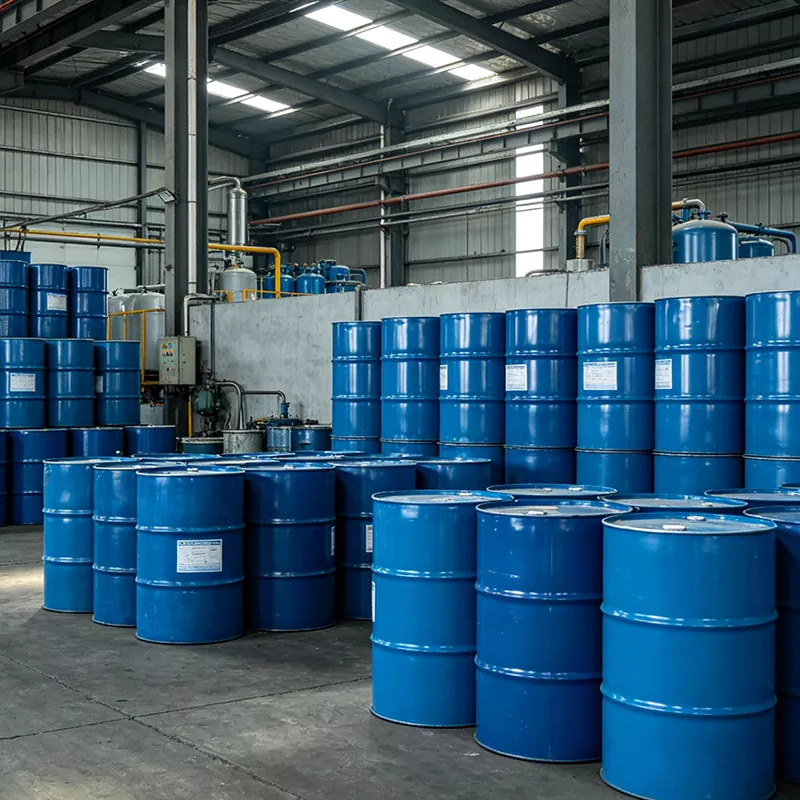
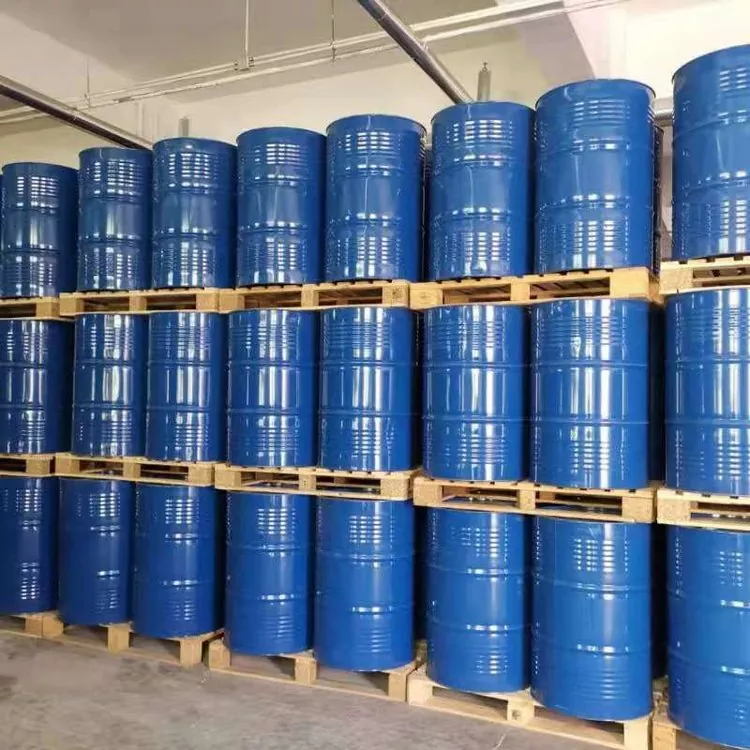
For large-volume users, AOLANSU can coordinate packaging, production scheduling, documentation, and dangerous-goods logistics according to the agreed order quantity and destination. Standard options include 200kg galvanized drums and IBC tanks, with customized packaging available for suitable orders.
Industrial chemical buyers often need more than a product name and nominal purity when approving a new supplier. AOLANSU can provide batch-related COA documentation, MSDS, and applicable export documents so purchasing and technical departments can complete their internal supplier evaluation.
Buyers can review parameters such as purity, moisture, appearance, density, and other agreed specifications before confirming regular supply. This documentation-based approach also helps companies maintain internal raw-material traceability.
1,2-Dichloroethane is a hazardous chemical and requires controlled storage and handling. The material should be kept in a cool, dry, and well-ventilated location away from ignition sources and incompatible substances. Appropriate protective equipment and engineering controls should be used during handling.
Because the product is volatile and toxic, operators should follow the applicable SDS, workplace safety procedures, dangerous-goods transportation requirements, and local regulations. Compatibility between the solvent, containers, equipment, and production materials should also be verified before commercial use.
Shandong Aolansu Environmental Protection Technology Co., Ltd. serves international customers that require industrial chemical solvents with defined specifications and dependable supply. The company holds a hazardous chemicals business license and supports overseas procurement with product documentation, packaging options, sample evaluation, and export logistics coordination.
Rather than providing a one-size-fits-all recommendation, AOLANSU can discuss the buyer's existing solvent, target material, application temperature, required packaging, monthly consumption, and destination before recommending a suitable purchasing plan.
For manufacturers evaluating 99.5% 1,2-Dichloroethane For Solvent, samples, COA, MSDS, packaging details, and quotation information can be provided according to the actual application and order volume.
Not necessarily. Solvent replacement depends on the resin, polymer, additives, concentration, drying conditions, and equipment used in the existing process. We recommend laboratory or pilot testing first and can provide samples for compatibility evaluation.
The combination of ≥99.5% purity, ≤0.03% moisture, strong organic solvency, and a boiling point of 83.4–83.6℃ provides a defined physical profile for process evaluation and formulation adjustment.
Yes. AOLANSU supports trial procurement so customers can verify the material under their own production conditions before establishing a regular supply agreement.
The standard options are 200kg galvanized drums and IBC tanks. Customized packaging can be discussed according to order quantity, transportation conditions, and destination requirements.
AOLANSU can provide applicable COA, MSDS, customs clearance documentation, and other export materials required for the shipment and destination market.
Address
(North of Dongwei Group, West) Houwei Village, Changshan Town, Zouping City, Binzhou, Shandong Province, China
Tel