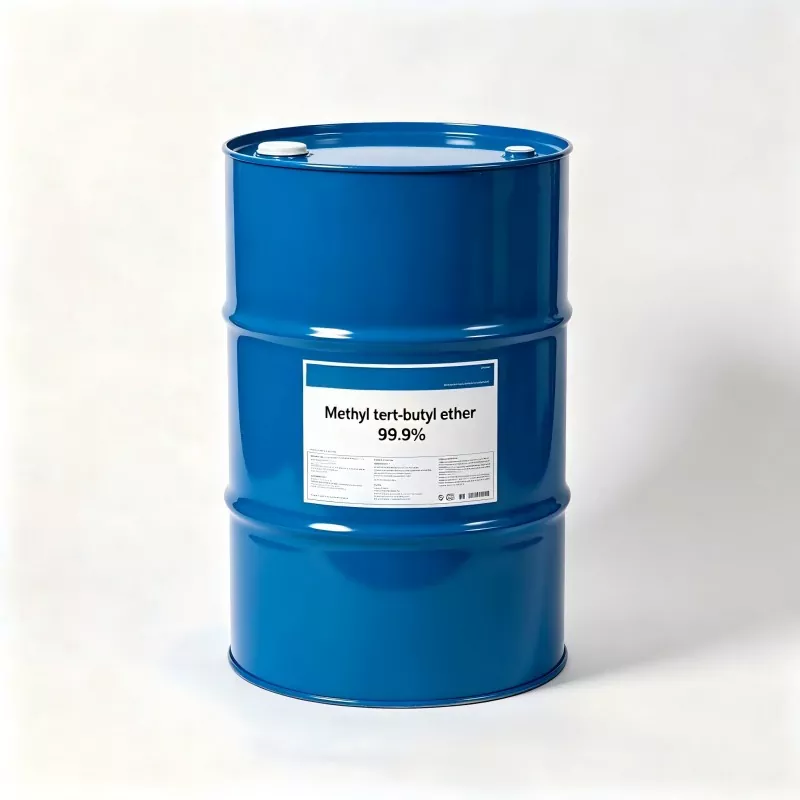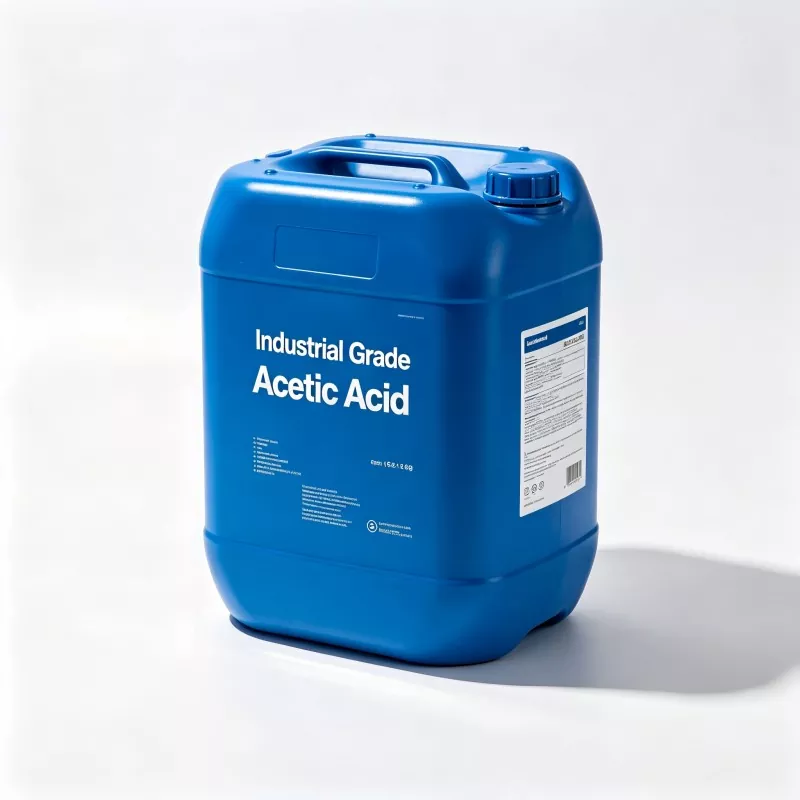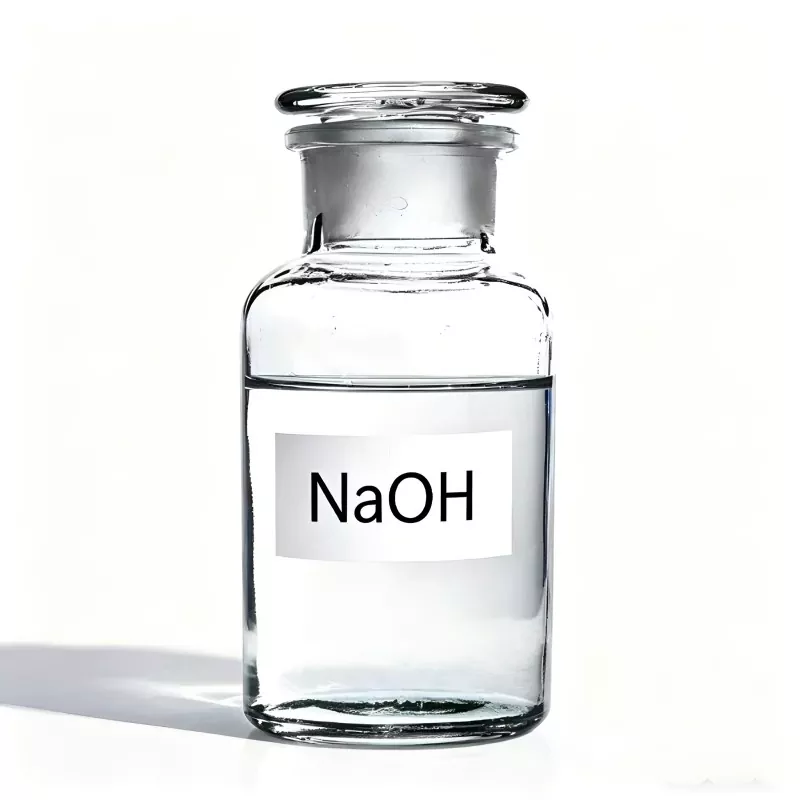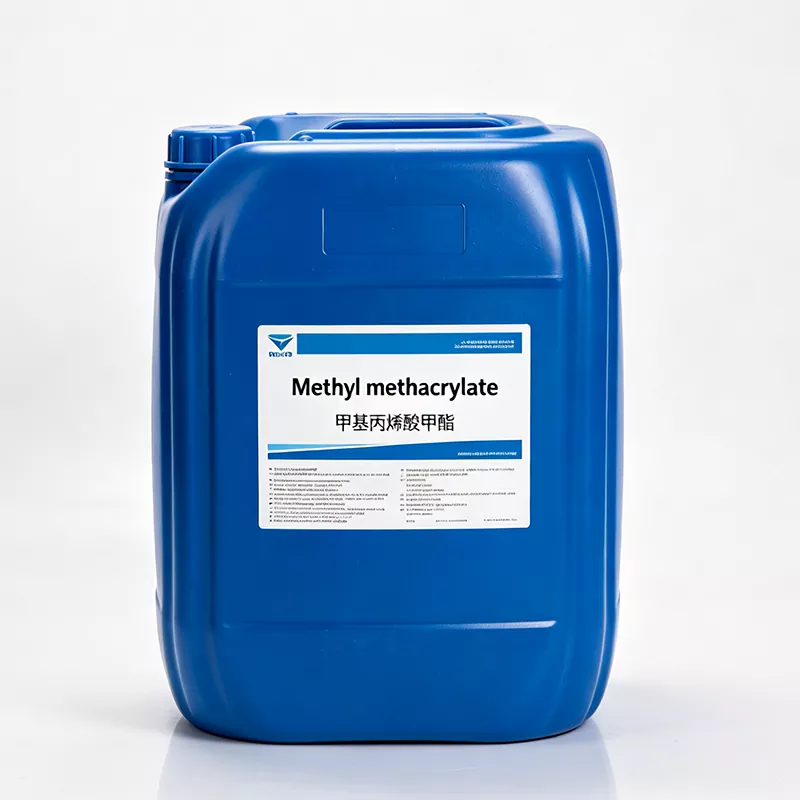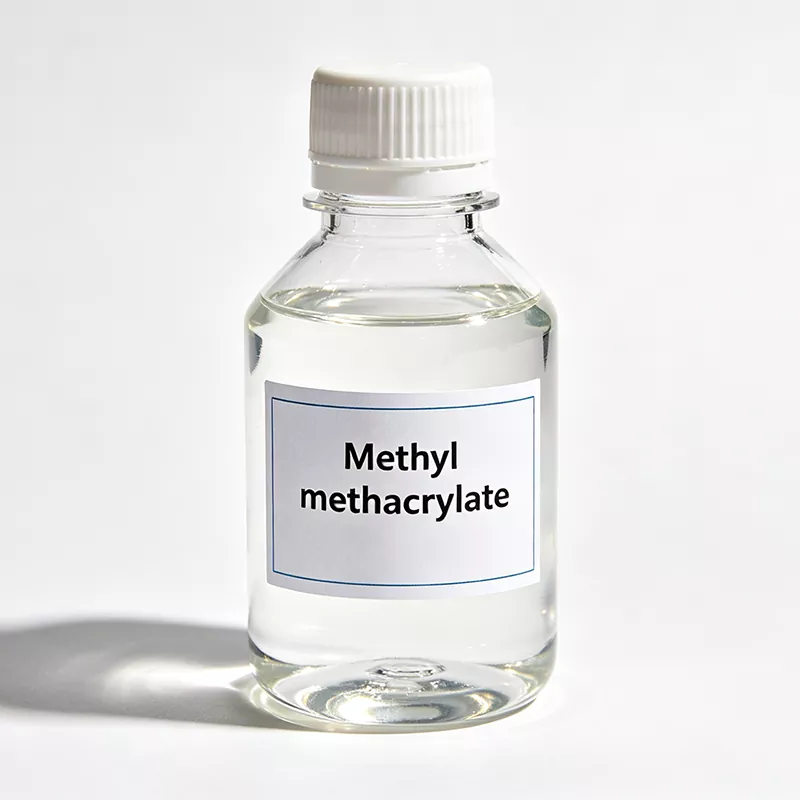
Hazardous industrial chemicals are chemical materials that require controlled handling because of properties such as corrosivity, toxicity, flammability, or chemical reactivity. Their safe use depends not only on product quality but also on suitable packaging, storage conditions, transportation procedures, and application management. AOLANSU supplies a broad range of hazardous chemical materials for industrial customers, supported by compliant production facilities, quality inspection procedures, and hazardous chemical production certification.
For B2B buyers, consistent specifications, reliable documentation, packaging integrity, and stable supply are essential when sourcing Hazardous industrial chemicals. AOLANSU focuses on batch consistency and supply coordination, helping customers select appropriate grades, concentrations, and packaging formats for chemical manufacturing, surface treatment, electronics, pharmaceuticals, printing and dyeing, and other industrial processes.
This category includes hydrochloric acid, sulfuric acid, nitric acid, hydrofluoric acid, sodium hydroxide, potassium hydroxide, ammonia, acetic acid, and formic acid. These materials are commonly used in metal treatment, chemical synthesis, wastewater treatment, papermaking, printing and dyeing, pharmaceuticals, and surface processing. Selection should consider concentration, material compatibility, packaging, and intended process conditions.
Toxic chemical materials include selected heavy metal salts, organic solvents, and pesticide intermediates. Products such as nickel chloride, copper sulfate, benzene, toluene, xylene, and related intermediates are used in electroplating, coatings, adhesives, batteries, chemical synthesis, and other manufacturing processes. Grade and impurity requirements can vary considerably between applications.
Flammable liquids such as methanol, ethanol, acetone, and ethyl acetate are widely used as solvents, fuels, and synthesis materials. Flammable solids and oxidizing substances require additional controls because heat, ignition sources, or incompatible materials may create safety risks. Proper classification and packaging are important factors when arranging international shipments.
Reactive materials require careful control because they may react with water, acids, oxidizing agents, or other chemicals. Cyanides, sulfides, and selected reactive intermediates are used in metallurgy, electroplating, and chemical production. Application-specific compatibility assessment and appropriate emergency procedures should be established before use.
AOLANSU selects raw materials according to the required product grade and application. Incoming materials are checked before entering production to help control impurity levels and maintain stable chemical composition.
Production batches are subject to quality inspection covering relevant indicators such as concentration, purity, appearance, and impurity content. Testing requirements can be aligned with customer specifications and applicable industry standards.
Packaging is selected according to the chemical characteristics of each material. Containers are checked for sealing performance, compatibility, labeling, and transportation suitability before shipment to reduce the risk of leakage or product deterioration.
For international procurement, AOLANSU can coordinate product specifications, inspection documents, packaging information, and other applicable shipping documentation. Customers can confirm documentation requirements before order placement to support smoother customs and logistics processes.
Used as reaction materials, solvents, pH regulators, and synthesis intermediates in chemical manufacturing. Stable concentration and predictable purity are important for maintaining process consistency.
Acids and alkaline chemicals are widely used for metal cleaning, pickling, etching, neutralization, and surface preparation. Appropriate chemical concentration and material compatibility help achieve consistent treatment results.
High-purity chemical materials are required for selected semiconductor, electronic component, and precision surface-treatment processes. Where necessary, customers can specify tighter impurity limits and grade requirements.
Selected acids, alkalis, and other chemical materials are used for pH adjustment, neutralization, process-water treatment, and wastewater treatment. Product selection should be based on water composition and treatment objectives.
Packaging can be selected according to chemical properties, concentration, order volume, and transportation requirements. Options may include corrosion-resistant plastic containers, suitable drums, cylinders, or other compliant packaging formats.
Storage conditions depend on the specific chemical. Products should be kept in suitable designated areas with appropriate ventilation, temperature control, segregation of incompatible substances, and clearly identified containers.
Before shipment, AOLANSU coordinates product classification, packaging information, labeling, and applicable transportation documentation. Hazardous materials should be transported through qualified logistics channels in accordance with the regulations of the origin, transit, and destination countries.
AOLANSU operates with hazardous chemical production certification and follows applicable safety and production requirements for controlled chemical materials.
Established production and supply coordination capabilities support regular orders, bulk procurement, and long-term cooperation. Specifications can be confirmed according to individual purchasing requirements.
For qualified products, AOLANSU can provide different purity levels, concentrations, grades, and packaging configurations according to application requirements and applicable regulations.
The appropriate grade depends on the application, required purity, concentration, impurity limits, and local regulatory requirements. Industrial, reagent, and electronic applications may require different specifications, so buyers should confirm technical requirements before ordering.
Yes. Packaging can be discussed according to the chemical characteristics, order quantity, transportation method, and destination requirements. AOLANSU can also coordinate relevant labeling and documentation requirements for international shipments.
AOLANSU can assist with product specification confirmation, packaging arrangements, inspection documentation, and shipment coordination. For hazardous materials, transportation and export procedures are handled according to applicable regulatory requirements.