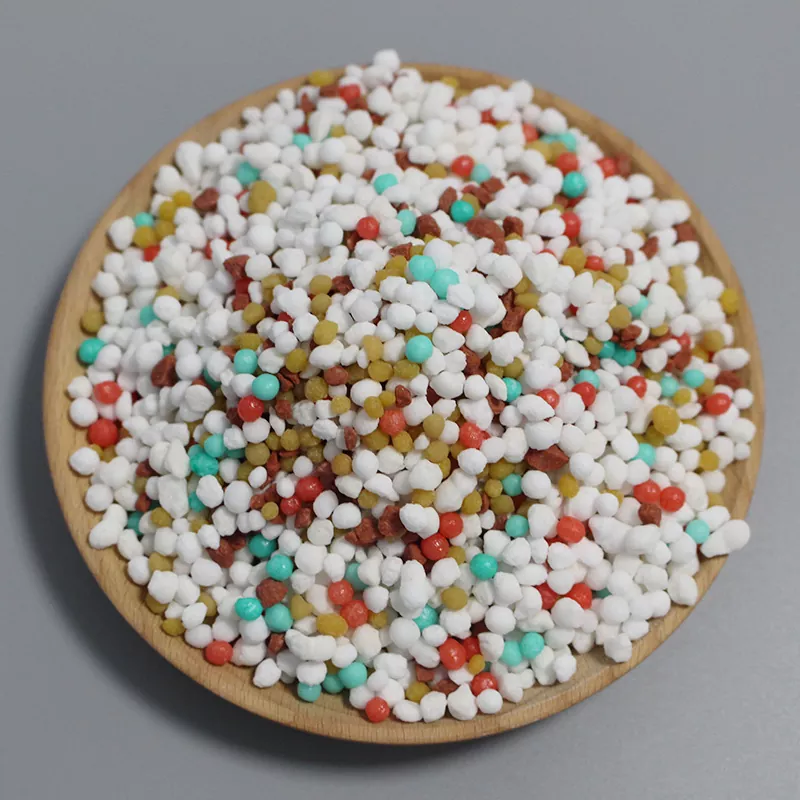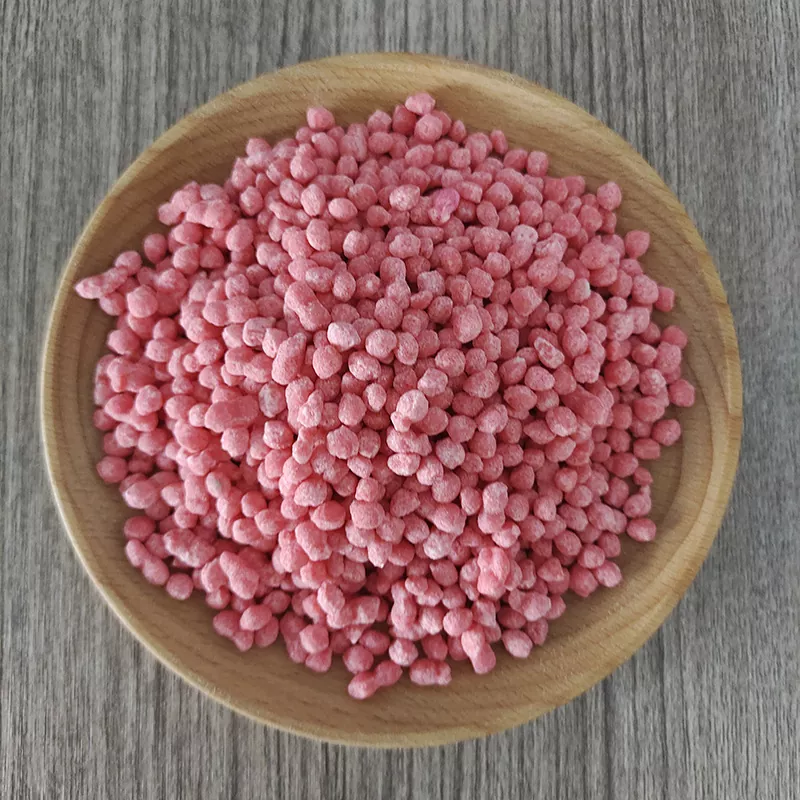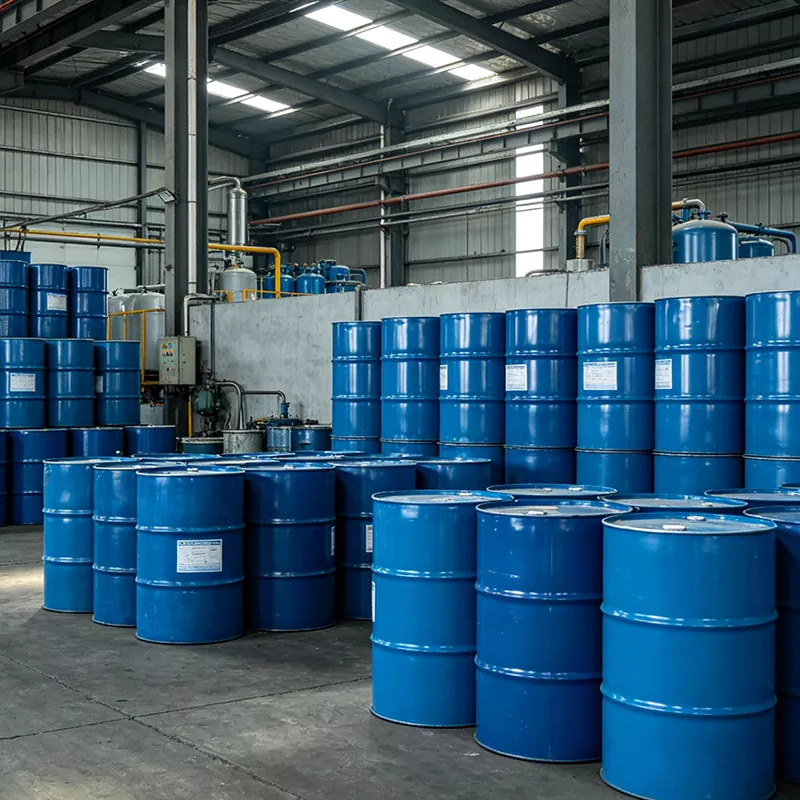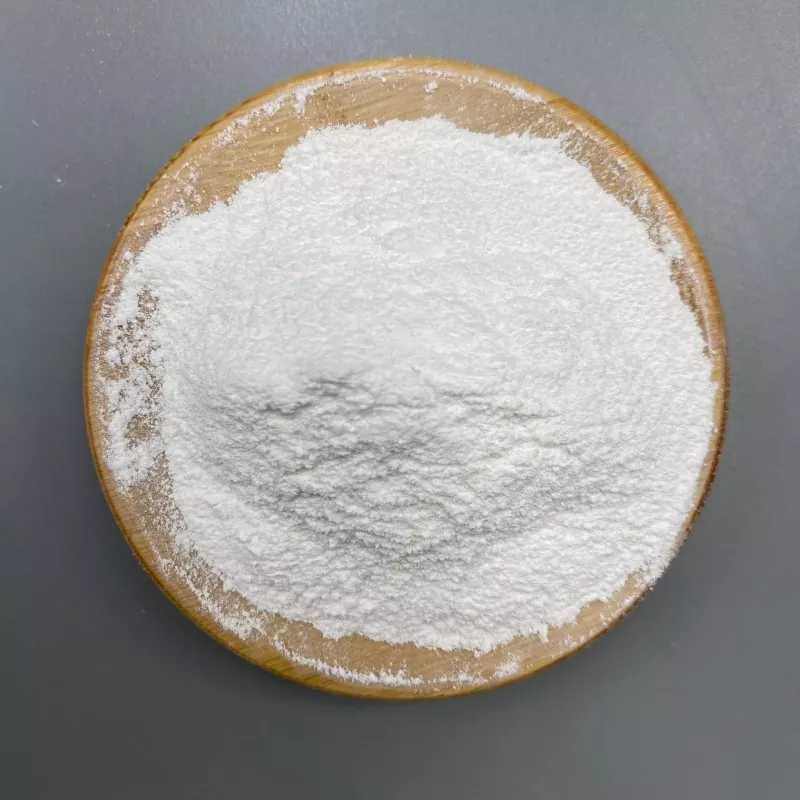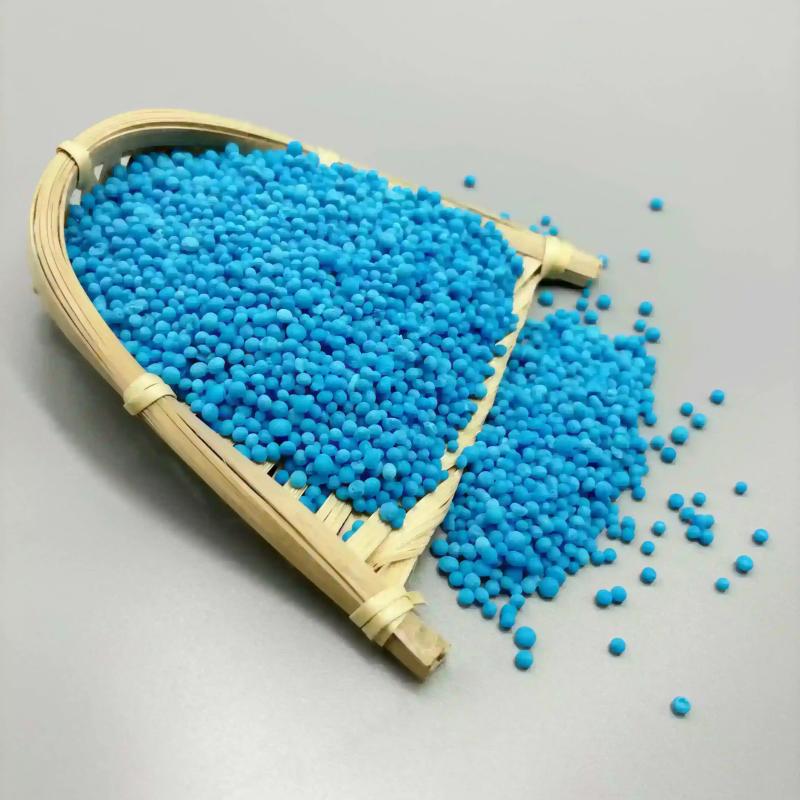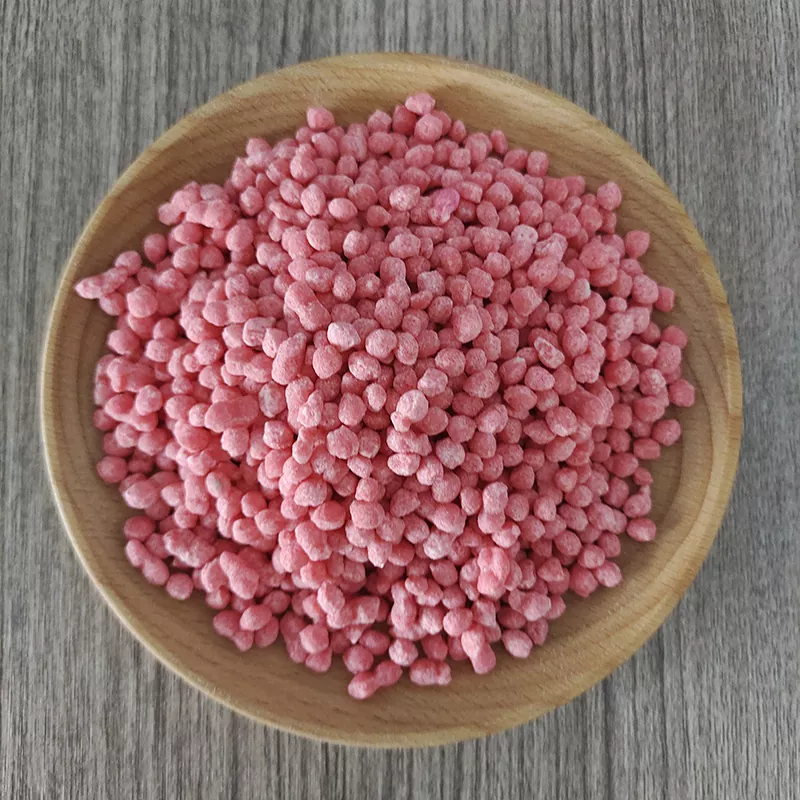
As a source of magnesium and sulfur, anhydrous magnesium sulfate is used in agriculture, chemical processing, laboratory work, and other industrial applications. Its ability to absorb moisture also makes it useful as a drying agent. However, this same characteristic means that storage, handling, and application require careful attention.
For companies purchasing chemical raw materials, understanding the practical precautions before use can help maintain product quality and improve workplace handling. AOLANSU provides chemical products for industrial and agricultural applications and recommends that users select the appropriate grade according to the intended application, technical requirements, and applicable regulations.
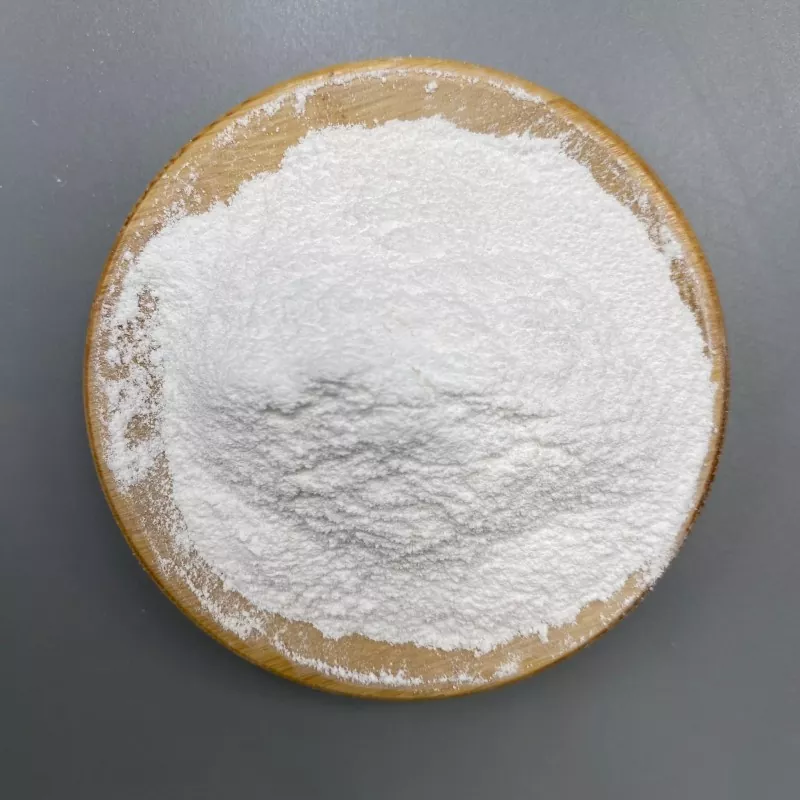
Anhydrous magnesium sulfate readily absorbs water from the surrounding environment and can gradually form hydrated magnesium sulfate. This property is beneficial when the material is intentionally used as a drying agent, but it can affect product condition when a low-moisture material is required.
Containers should therefore remain tightly closed when the product is not being used. Exposure to humid air should be minimized during weighing, transfer, production, and storage.
Powdered or fine-granular materials may generate dust during pouring, weighing, mixing, or packaging. Operators should avoid unnecessary dust generation and maintain suitable ventilation in work areas.
For operations involving frequent or large-scale handling, appropriate engineering controls and personal protective equipment should be selected according to the workplace risk assessment and the product's Safety Data Sheet.
Workers handling anhydrous magnesium sulfate should use suitable eye protection and gloves. Additional protective clothing or respiratory protection may be necessary depending on the handling quantity, workplace conditions, and dust exposure.
Personal protective equipment should be selected based on the specific product documentation and applicable occupational safety requirements.
Good ventilation helps reduce airborne dust during material transfer and processing. For enclosed production areas or repeated powder handling, local exhaust ventilation may provide additional control.
Workers should also follow normal chemical hygiene practices, including washing hands after handling and avoiding eating or drinking in areas where chemical materials are processed.
Direct contact with the eyes, skin, and clothing should be minimized during routine handling. If accidental contact occurs, users should follow the first-aid instructions provided in the applicable Safety Data Sheet.
Because anhydrous magnesium sulfate absorbs atmospheric moisture, opened containers should be resealed promptly after material is removed. Long-term exposure to humid air may change the physical condition of the product.
This is especially important when the material is purchased for applications where anhydrous characteristics or controlled moisture content are required.
The product should be stored in a cool, dry, and well-ventilated location. It should be protected from water, excessive humidity, and other sources of moisture.
Warehouse personnel should periodically check packaging integrity, particularly when products are stored for extended periods or transported through humid environments.
Damaged bags, drums, or other containers can allow moisture to enter and may increase the possibility of dust generation. During loading, unloading, and warehouse handling, packaging should be protected from puncture, crushing, and unnecessary impact.
Anhydrous magnesium sulfate is commonly used as a drying agent in laboratory and chemical processes because it has a strong affinity for water. The required quantity depends on the amount of moisture present and the material being dried.
Users should establish the appropriate amount based on the specific process rather than applying a fixed quantity to every operation. Excess material may also increase the workload associated with filtration or separation.
When used as a drying agent, water absorption is the intended function. Once the material has absorbed substantial moisture, its drying performance will change. Operators should therefore establish an appropriate process endpoint according to the specific application.
Magnesium sulfate can provide magnesium and sulfur to crops, but the actual need for these nutrients depends on crop type, soil conditions, existing nutrient levels, and fertilization practices.
Soil testing and crop nutrient requirements should be considered before developing an agricultural application plan.
More fertilizer does not necessarily result in better crop performance. Application rates should be determined according to soil test results, crop requirements, growth stage, and local agricultural recommendations.
For commercial farming projects, buyers should confirm the fertilizer grade, nutrient specification, application method, and local regulatory requirements before purchasing in bulk.
| Item | What Buyers Should Check |
|---|---|
| Purity | Confirm whether the product meets the requirements of the intended application |
| Moisture Content | Important when anhydrous characteristics need to be maintained |
| Particle Size | Affects handling, mixing, dissolution, and process performance |
| Packaging | Should provide suitable protection against atmospheric moisture |
| Product Grade | Confirm suitability for industrial, agricultural, laboratory, or other applications |
| COA | Provides batch-specific quality information |
| SDS | Provides handling, storage, emergency, and protective information |
| Storage Conditions | Confirm appropriate temperature, humidity, and packaging requirements |
| Regulatory Requirements | Check requirements in the destination country and specific application |
During spill cleanup, unnecessary movement or sweeping that creates airborne dust should be avoided. Personnel should use suitable protective equipment and ensure adequate ventilation before collecting the material.
Spilled material should be collected using a method appropriate for the workplace and product condition. Recovered material should not automatically be returned to the original container if contamination is possible.
Disposal or recovery should follow the applicable Safety Data Sheet and local environmental requirements.
For industrial users and distributors, consistent quality between batches is important. Buyers should compare the COA data of delivered batches with the agreed product specification.
Because anhydrous magnesium sulfate is moisture-sensitive, packaging quality can directly affect storage performance. Buyers should consider sealing quality, material strength, transportation conditions, and expected storage duration.
The same chemical may have different specification requirements depending on its application. Industrial processes, laboratory procedures, agriculture, and other uses should be evaluated separately rather than relying solely on a generic product description.
Reliable documentation helps buyers understand product characteristics and handling requirements. An SDS provides information about storage, handling, emergency measures, and personal protection, while a COA provides batch-specific quality data.
Before placing an order, buyers should communicate the intended application, required purity, moisture specification, particle size, packaging, and destination market requirements to the supplier.
For moisture-sensitive materials, appropriate packaging is an important part of product quality management. Packaging should be selected according to transportation distance, climate, storage period, and handling conditions.
AOLANSU works with international customers to evaluate chemical product specifications, packaging requirements, documentation, and application needs.
| Situation | Recommended Practice |
|---|---|
| Routine Handling | Minimize dust and use appropriate personal protective equipment |
| Powder Transfer | Maintain adequate ventilation and avoid unnecessary agitation |
| Storage | Keep containers tightly sealed and protect the product from moisture |
| Drying Applications | Monitor moisture absorption and determine the appropriate process endpoint |
| Agricultural Use | Base application rates on soil and crop nutrient requirements |
| Spill Cleanup | Control dust and follow appropriate collection and disposal procedures |
| Procurement | Confirm grade, purity, moisture, COA, SDS, packaging, and regulatory requirements |
Proper handling of anhydrous magnesium sulfate starts with controlling moisture exposure and maintaining suitable workplace conditions. Tightly sealed packaging, dry storage, dust control, appropriate personal protection, and application-specific procedures are important throughout the product's storage and use cycle.
For agricultural applications, fertilizer rates should be based on actual crop and soil requirements. For industrial and chemical applications, buyers should pay particular attention to purity, moisture content, particle size, packaging, and process compatibility.
With suitable product specifications, documentation, packaging, and supply support, AOLANSU can help international buyers select and manage chemical materials according to their specific application requirements.