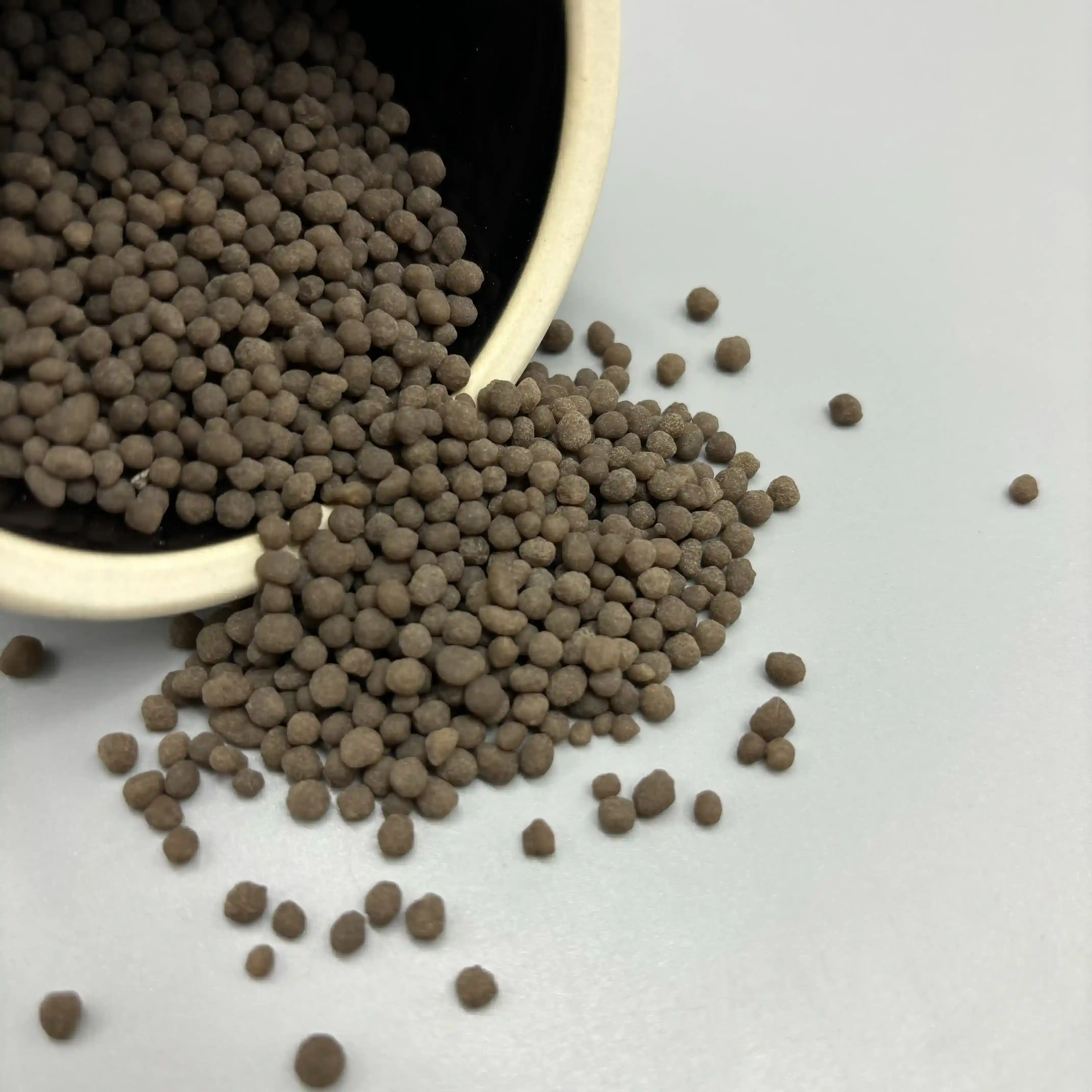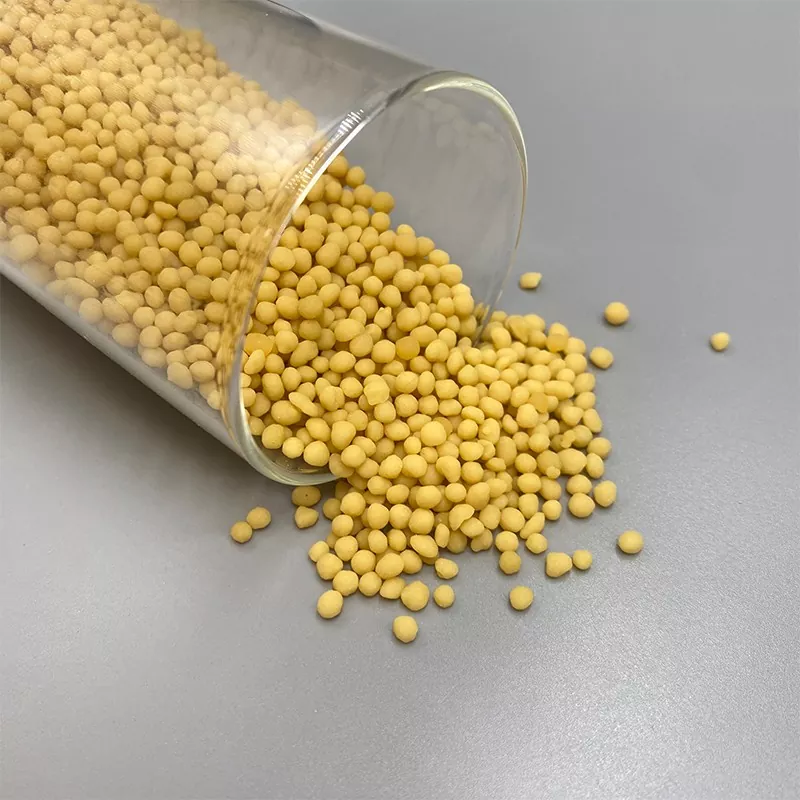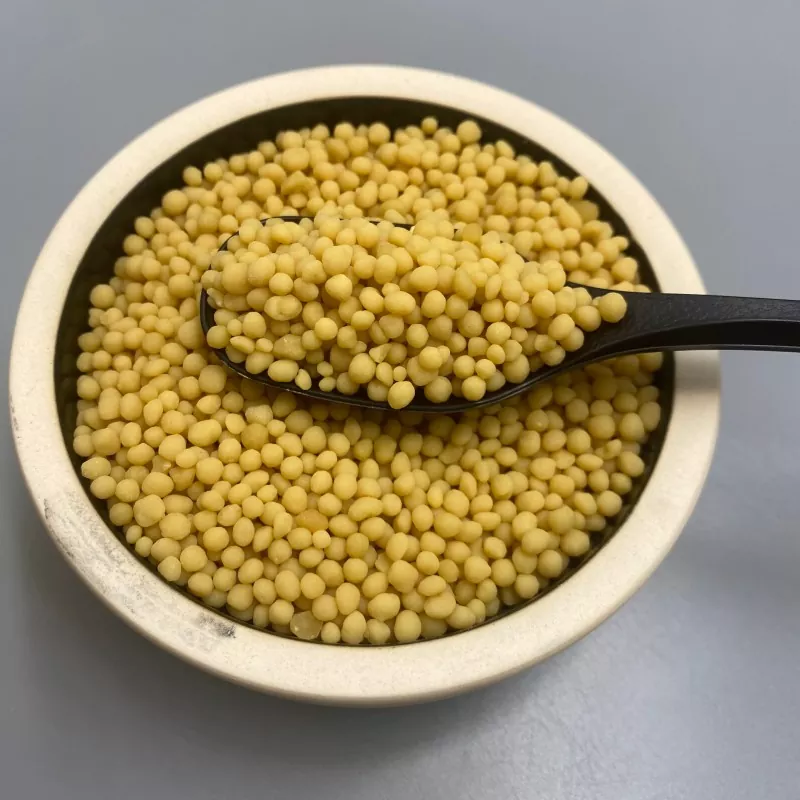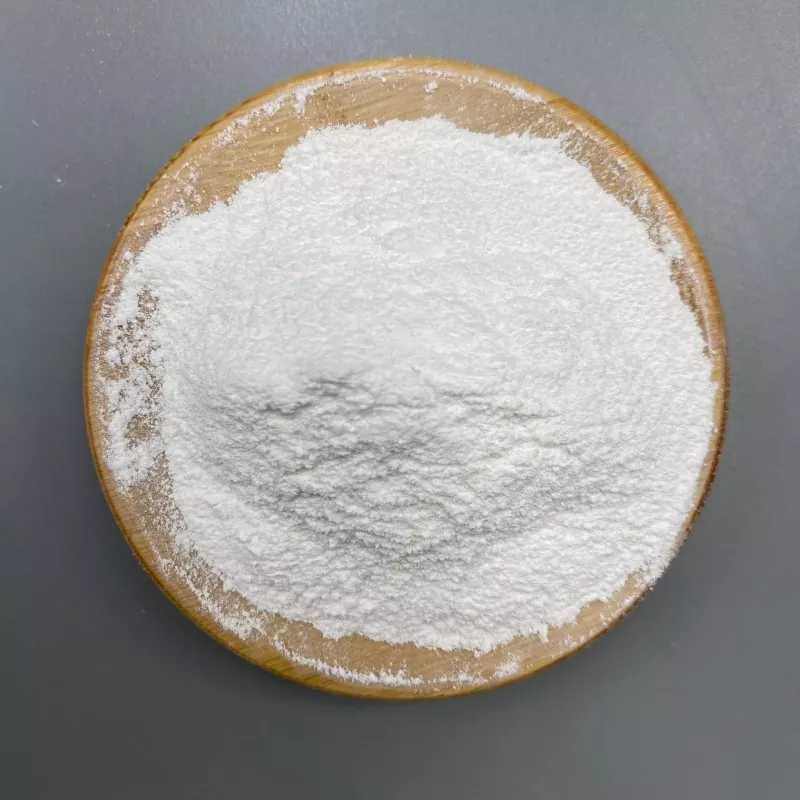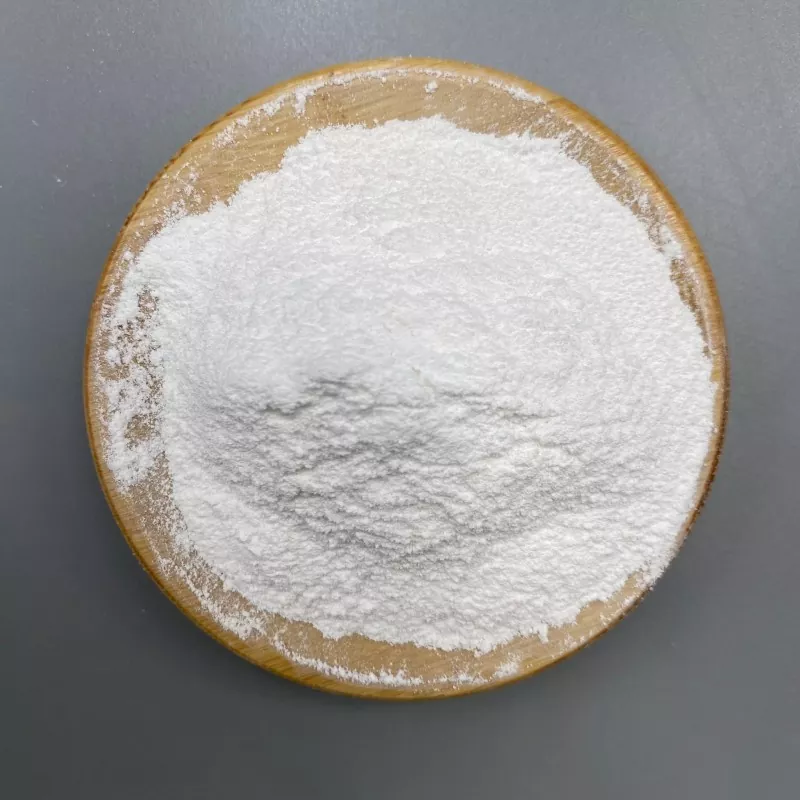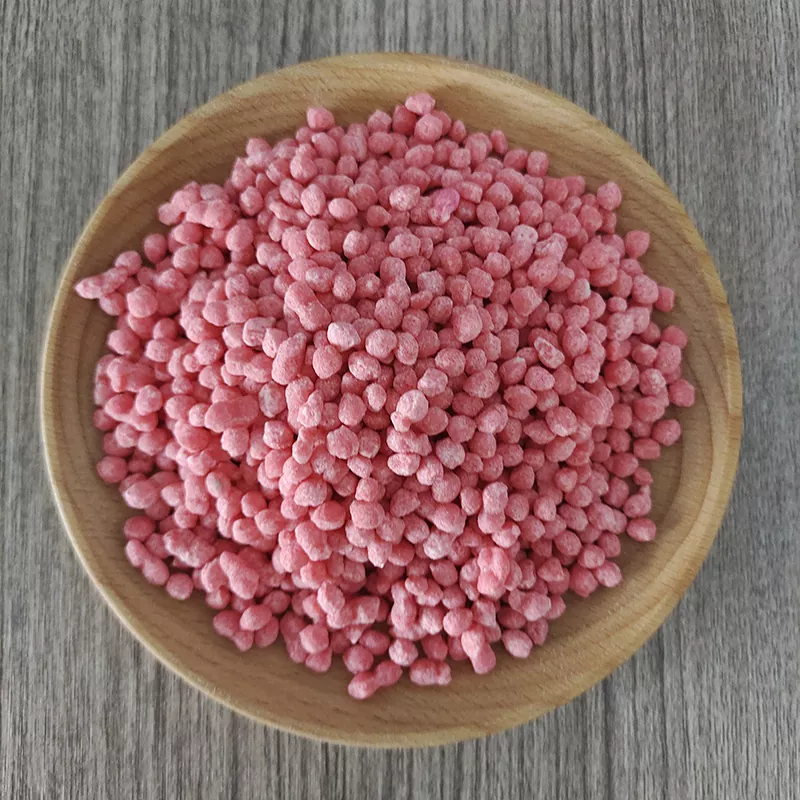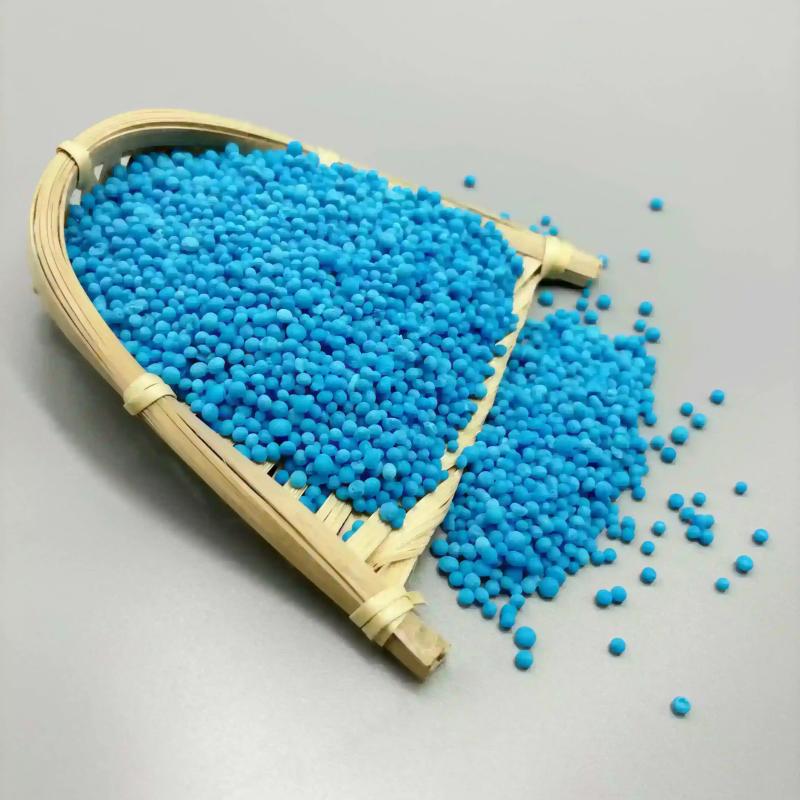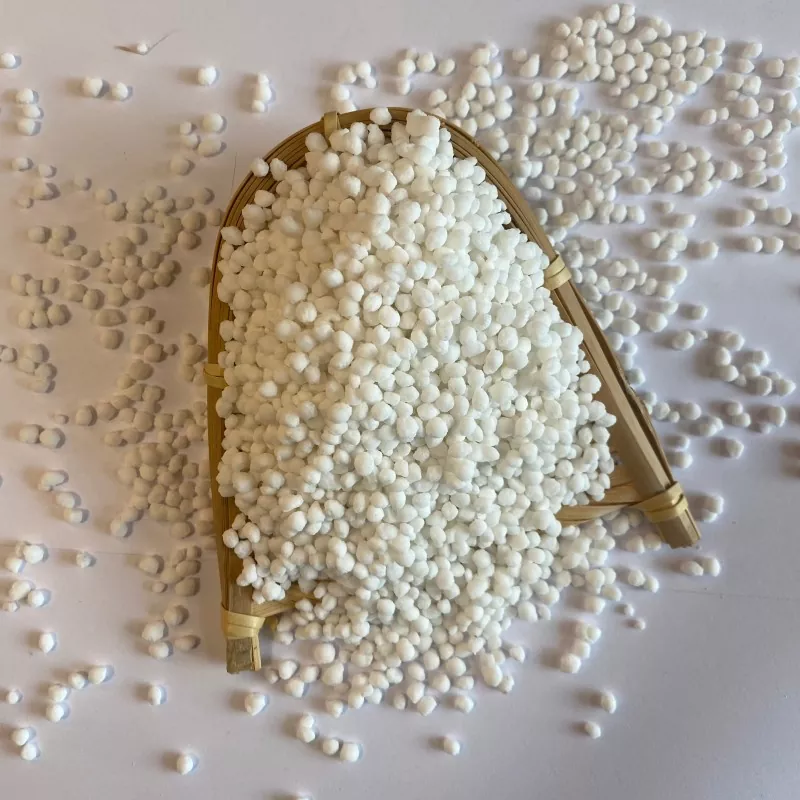
Diammonium Phosphate DAP is a granular nitrogen-phosphorus fertilizer used in field crop production, horticulture, fertilizer blending, and water-based nutrient application. With total nutrient content of up to 64%, it provides two essential nutrients in one fertilizer material. AOLANSU manufactures the product from phosphate rock and liquid ammonia and holds hazardous chemical production certification. The available specifications are designed around nutrient content, particle size, water solubility, packaging, and different agricultural procurement requirements.
| Parameter | Specification |
|---|---|
| Total Nutrient Content | ≥53%–64%; common grades include 18-46-0 and 16-44-0 |
| CAS No. | 7783-28-0 |
| Particle Size | 2–4 mm granules |
| Water-Soluble Phosphorus | ≥95% |
| Regular Packaging | 50 kg/bag and 1000 kg/bag; woven plastic packaging with moisture-resistant inner film |
| Custom Packaging | Specifications, printing, logo, and color can be customized according to customer requirements |
| Application | Corn, wheat, rice, vegetables, fruit trees, cotton, and other crops |
The main characteristic of Diammonium Phosphate DAP is its combined nitrogen and phosphorus supply. Unlike single-nutrient fertilizers, it provides both nutrients in one granular material, which can simplify fertilizer formulation and field application where nitrogen and phosphorus are required together.
Common grades include 18-46-0 and 16-44-0. The suitable grade depends on the nutrient requirements of the crop, soil test results, existing fertilizer program, and the formulation target of the buyer. Total nutrient content can reach 64%, providing a concentrated source for agricultural applications.
Nitrogen supports vegetative growth and overall plant development, while phosphorus is involved in root development and plant energy processes. Supplying these nutrients together can be useful during early crop establishment and in fertilizer programs where phosphorus availability is a key consideration.
The product is supplied in 2–4 mm granules. Particle uniformity is relevant to fertilizer distributors and agricultural users because it affects mechanical spreading, blending behavior, packaging, and material flow during handling.
The granules have suitable hardness for routine transportation and handling. Moisture protection is still required because fertilizer particles can absorb moisture during storage, which may result in caking and reduced flowability.
Water-soluble phosphorus is specified at ≥95%. The material can dissolve readily under suitable water conditions, making compatible grades applicable to drip irrigation and flushing fertilization systems.
Before using granular fertilizer in irrigation equipment, users should confirm dissolution conditions, filtration requirements, water quality, and compatibility with other fertilizer materials used in the same system.
AOLANSU supplies the product for use as a base fertilizer and as a nutrient supplement during suitable crop growth stages. It can be used for field crops, cash crops, fruit trees, and vegetables, including corn, wheat, rice, and cotton.
For base fertilization, the fertilizer can be incorporated into the soil before or during planting. The supplied information recommends a deep application depth of 15–20 cm, while the actual placement depth should be adjusted according to crop type, soil structure, root distribution, and local agricultural practices.
The product can be considered where soil testing indicates insufficient phosphorus. It is also applicable to newly reclaimed agricultural land and certain cold or wet soil conditions where crop nutrient management requires additional attention.
With high water-soluble phosphorus, suitable grades can be incorporated into integrated water and fertilizer management systems. Drip irrigation and flushing application allow nutrients to be delivered together with irrigation water when the product and equipment are compatible.
In addition to direct agricultural application, Diammonium Phosphate DAP can be used as a raw material for compound fertilizer and BB fertilizer production. Its combined nitrogen-phosphorus composition allows fertilizer manufacturers to incorporate it into formulations with different nutrient ratios.
For blending operations, particle size, hardness, moisture condition, and compatibility with other granular materials should be evaluated. Maintaining similar physical characteristics among different fertilizer components can help reduce particle segregation during storage and transportation.
For commercial procurement, buyers generally need to evaluate nutrient content, water-soluble phosphorus, particle size, appearance, physical strength, moisture condition, and packaging. These parameters can affect both fertilizer performance and handling efficiency.
The product is manufactured using phosphate rock and liquid ammonia as primary raw materials. Raw material quality and controlled production processes are important for maintaining the required chemical composition and physical characteristics of the finished fertilizer.
AOLANSU holds hazardous chemical production certification. For international procurement, buyers should also confirm the applicable product documentation, labeling, transportation requirements, and import regulations of the destination market.
Moisture control is an important consideration during fertilizer storage. The product should be kept in a dry, covered, and well-ventilated storage area and protected from rain, water, and excessive humidity.
Regular packaging includes 50 kg bags and 1000 kg bags. Woven plastic packaging with an inner moisture-resistant layer can help protect the fertilizer during handling and transportation. Customized specifications, printing, logos, and colors can also be discussed according to order requirements.
When purchasing Diammonium Phosphate DAP in bulk, buyers should first confirm the required nutrient grade and application. Particle size, water-soluble phosphorus, packaging, order quantity, storage period, and transportation method should then be matched with the intended use.
For fertilizer manufacturers, compatibility with existing raw materials and target nutrient ratios are important. For distributors, packaging, moisture protection, batch consistency, and delivery arrangements may have a greater effect on warehouse handling and downstream sales.
A Southeast Asian agricultural fertilizer user required a concentrated nitrogen-phosphorus fertilizer for crop production in areas with insufficient phosphorus availability. The fertilizer was used as a base application before planting and supplemented during the early growth stage according to the local nutrient management program.
Because the product provided both nitrogen and phosphorus in granular form, the user could reduce the number of separate fertilizer materials required for the corresponding application. The 2–4 mm particle size also supported mechanical spreading, while the water-soluble phosphorus content allowed compatible product grades to be considered for irrigation-based nutrient management.
Common grades include 18-46-0 and 16-44-0. The total nutrient content can reach 64%, depending on the selected specification.
The standard granular specification is 2–4 mm. Buyers with specific particle-size requirements should confirm the available specification before ordering.
Yes. It can be used as a nitrogen-phosphorus raw material for compound fertilizer and BB fertilizer production. Particle compatibility with other raw materials should be considered during formulation.
Suitable grades can be used in drip irrigation and flushing fertilization because water-soluble phosphorus is ≥95%. Users should verify dissolution, filtration, and compatibility requirements before application.
It should be stored in a dry, covered area and protected from rain and moisture. Properly sealed packaging helps reduce moisture absorption and caking during extended storage.
Yes. Packaging specifications, printing, logo, and color can be customized according to customer requirements, order quantity, and transportation arrangements.