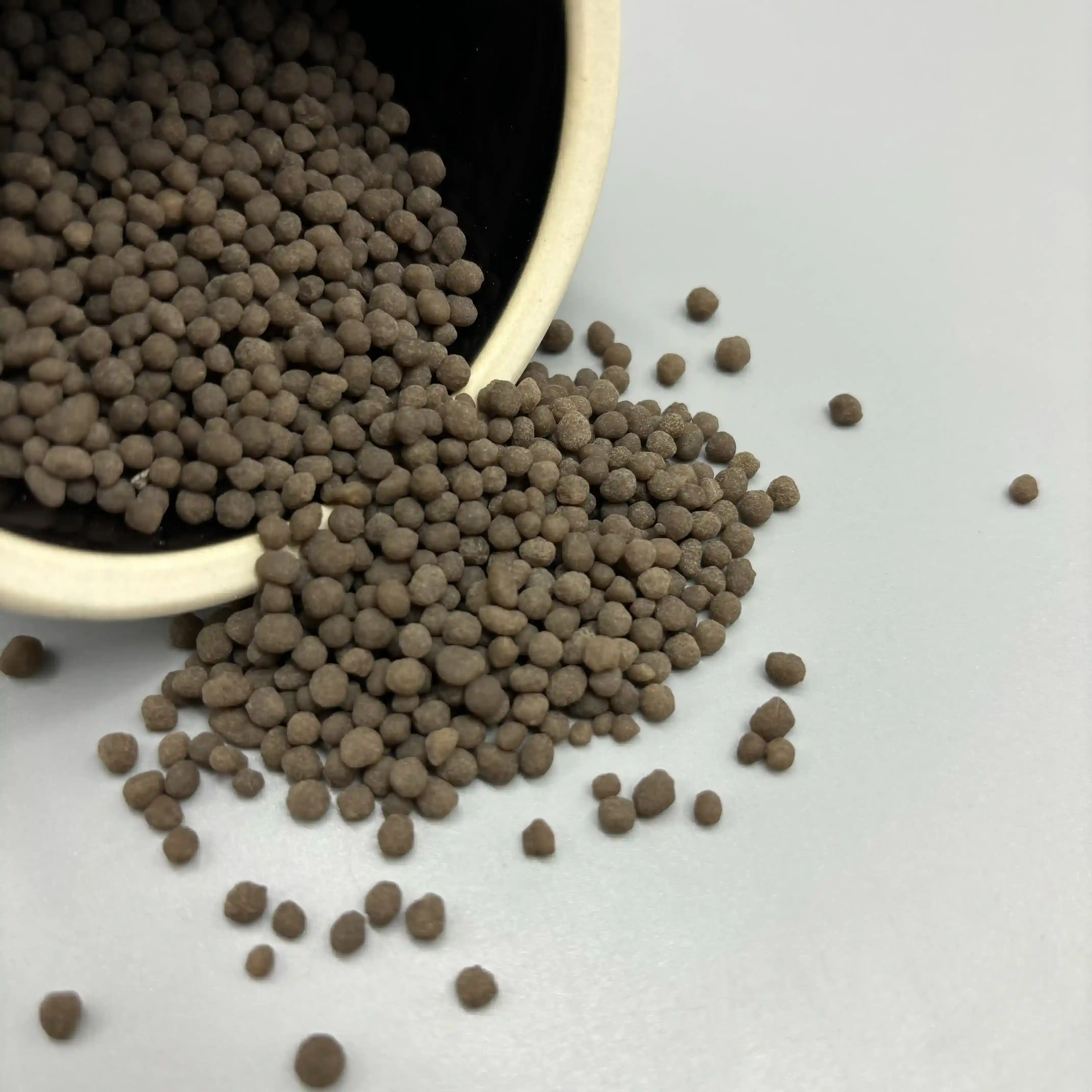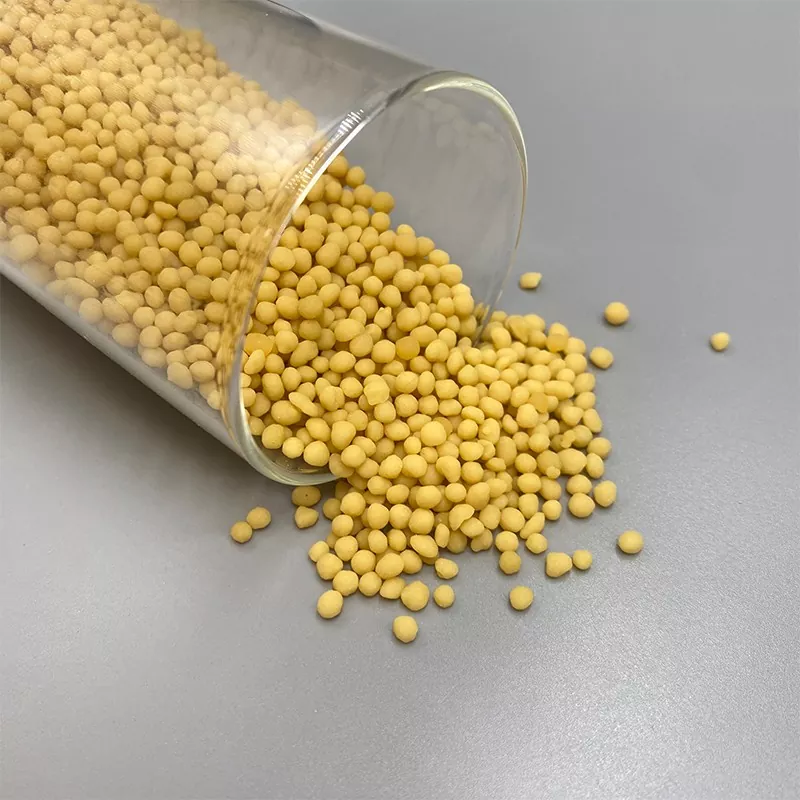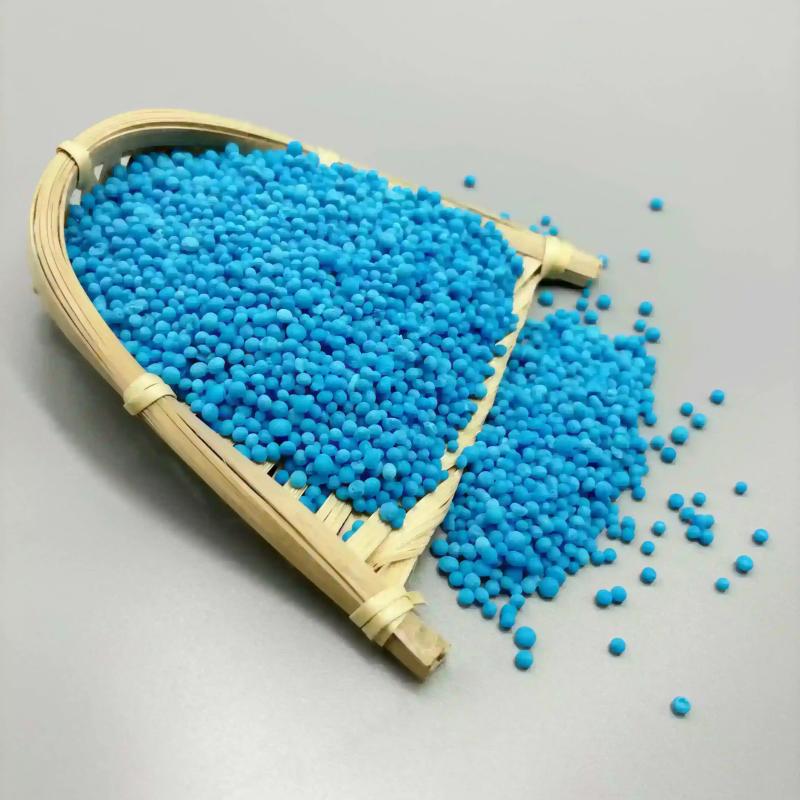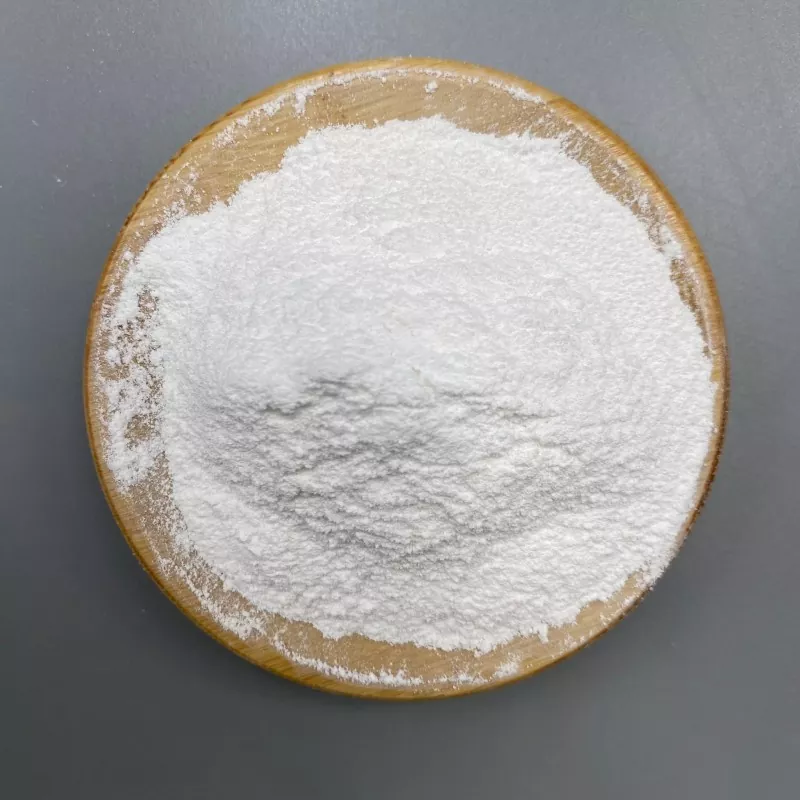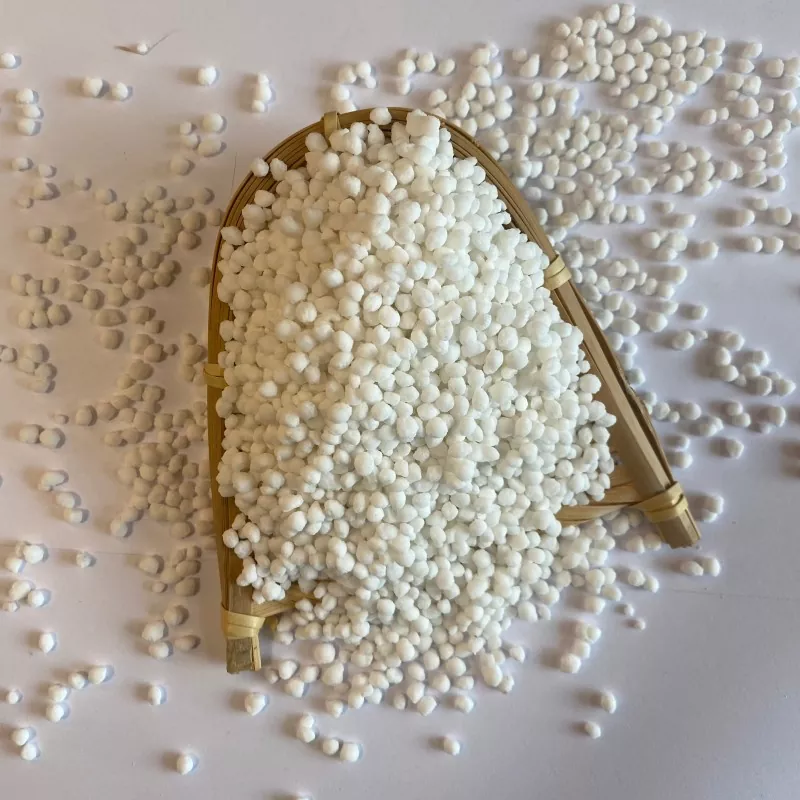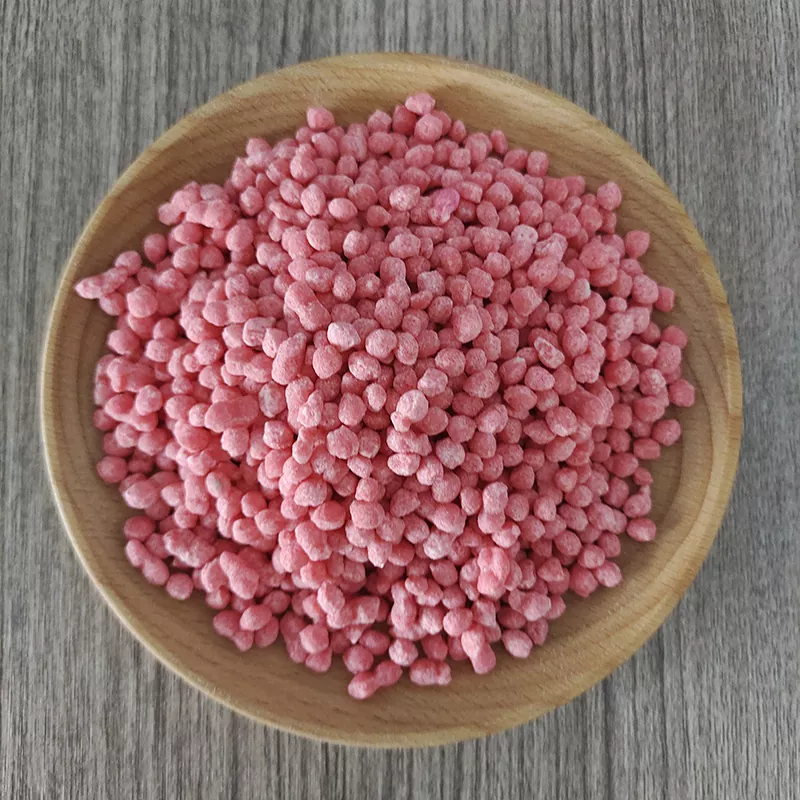
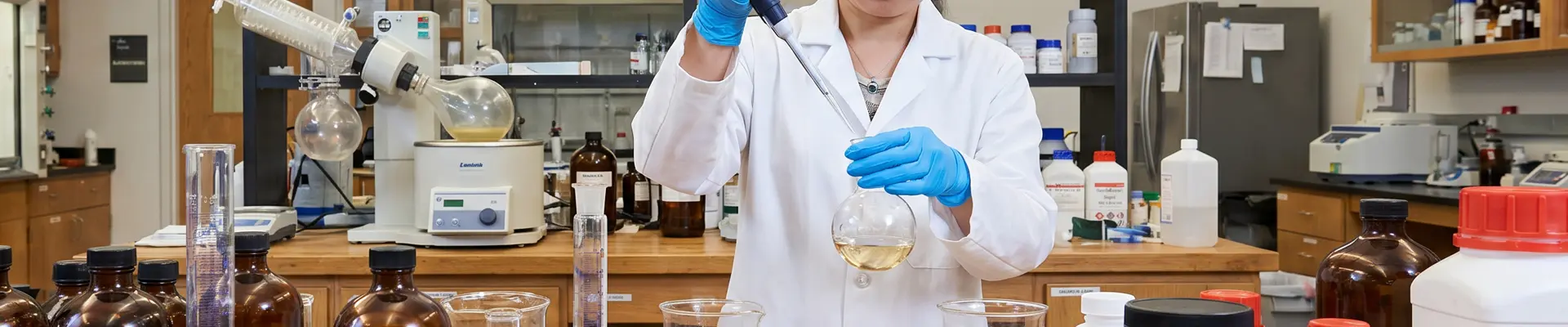
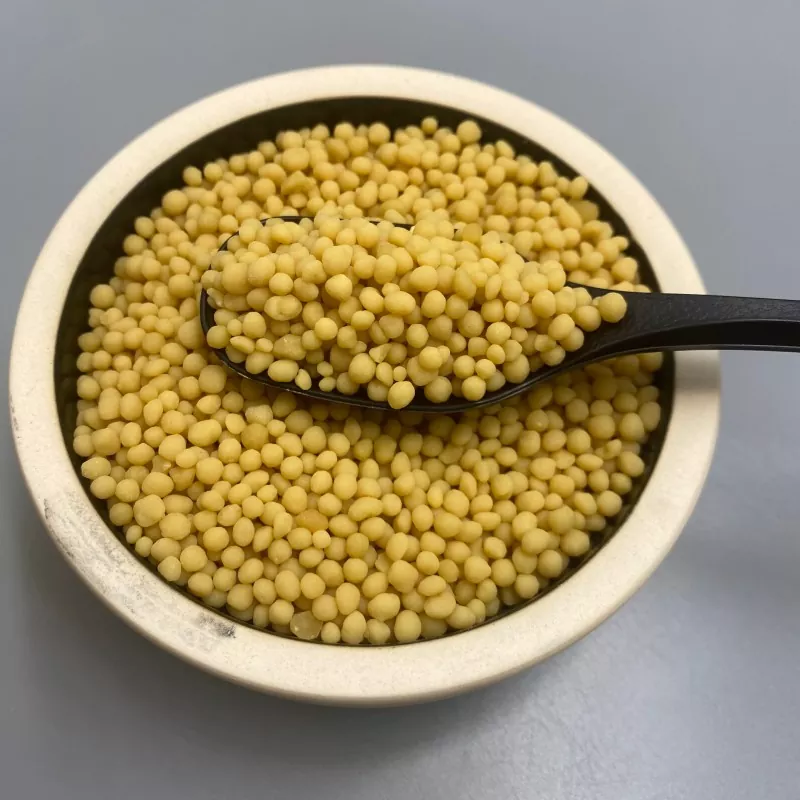
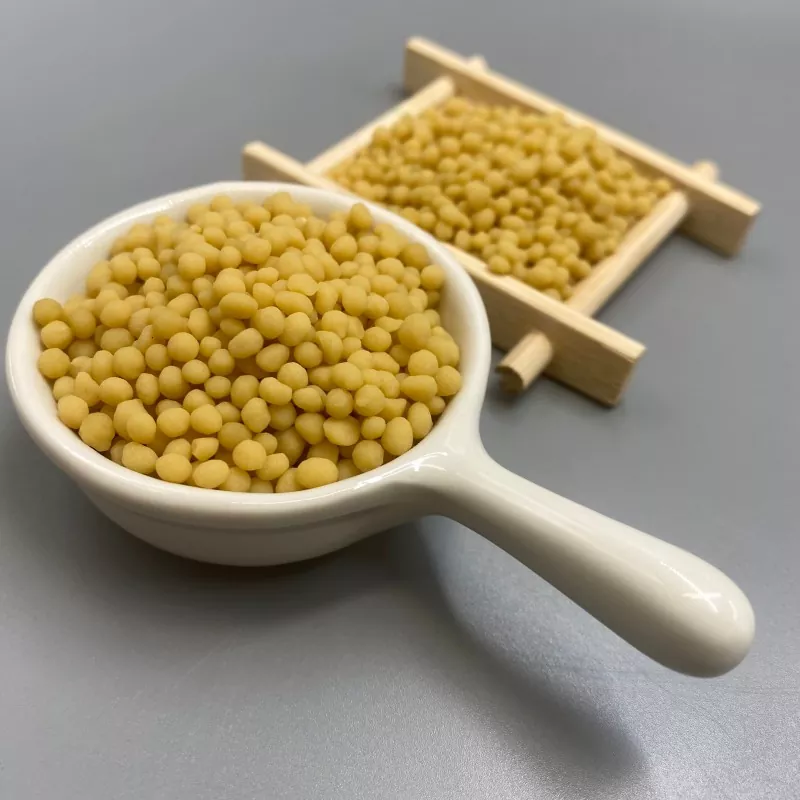
AOLANSU Agricultural Diammonium Phosphate CAS 7783-28-0 is a concentrated nitrogen and phosphorus fertilizer designed for commercial crop nutrition, fertilizer blending, and large-scale agricultural production. With CAS No. 7783-28-0 and the molecular formula (NH₄)₂HPO₄, it combines two essential macronutrients in a single granular fertilizer, helping growers simplify nutrient management during planting and early crop development.
Unlike single-nutrient phosphate fertilizers, this product provides both nitrogen and phosphorus in a concentrated form. The standard grade contains ≥18% nitrogen and ≥46% P₂O₅, with total nutrients of ≥64%. Its high proportion of water-soluble phosphorus makes it suitable for applications where crops require readily available phosphorus during root establishment, early vegetative growth, flowering, and other important development stages.
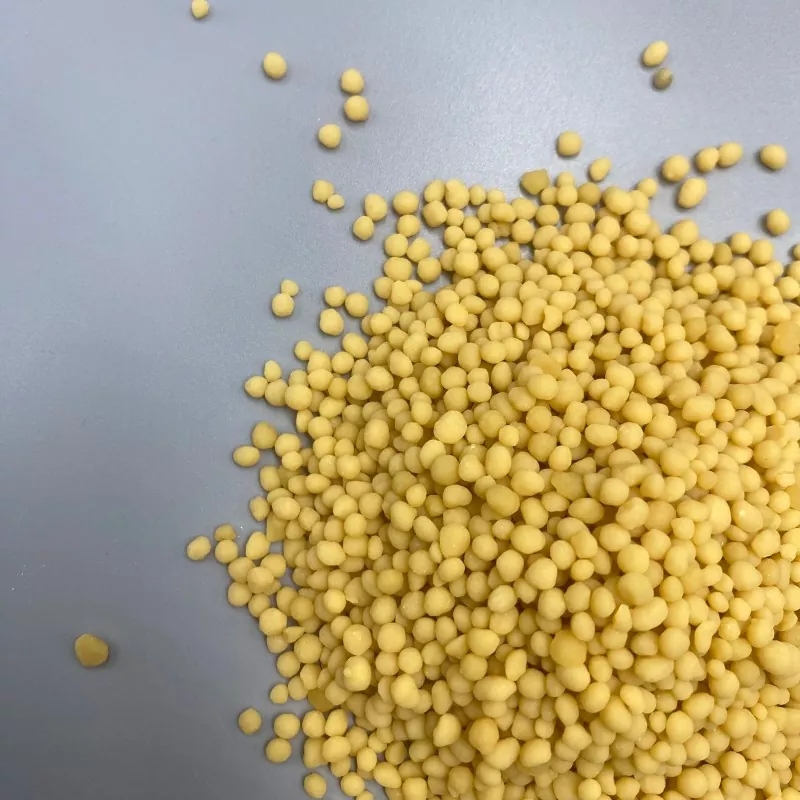
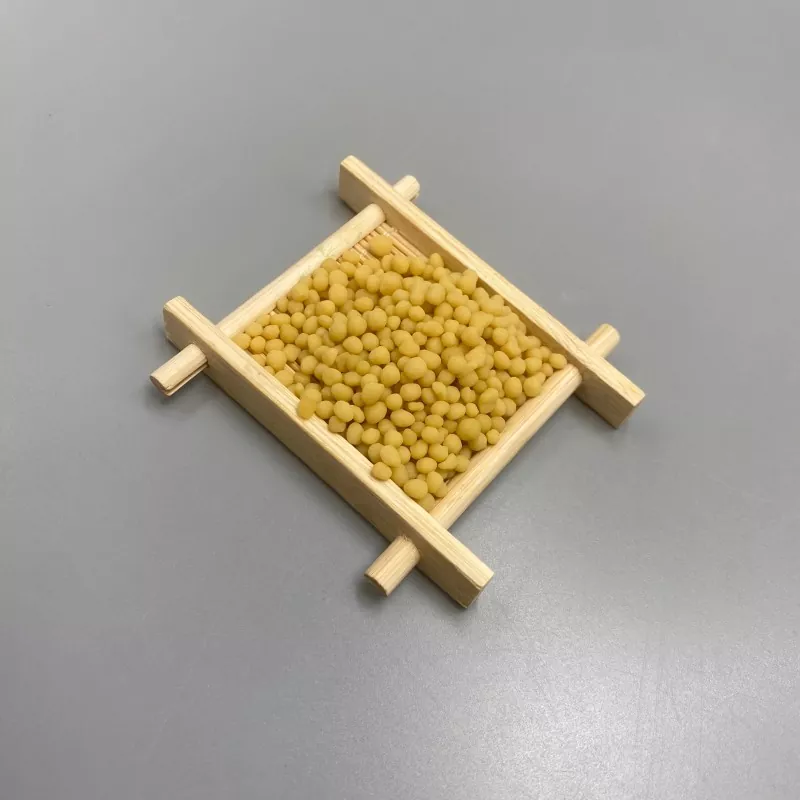
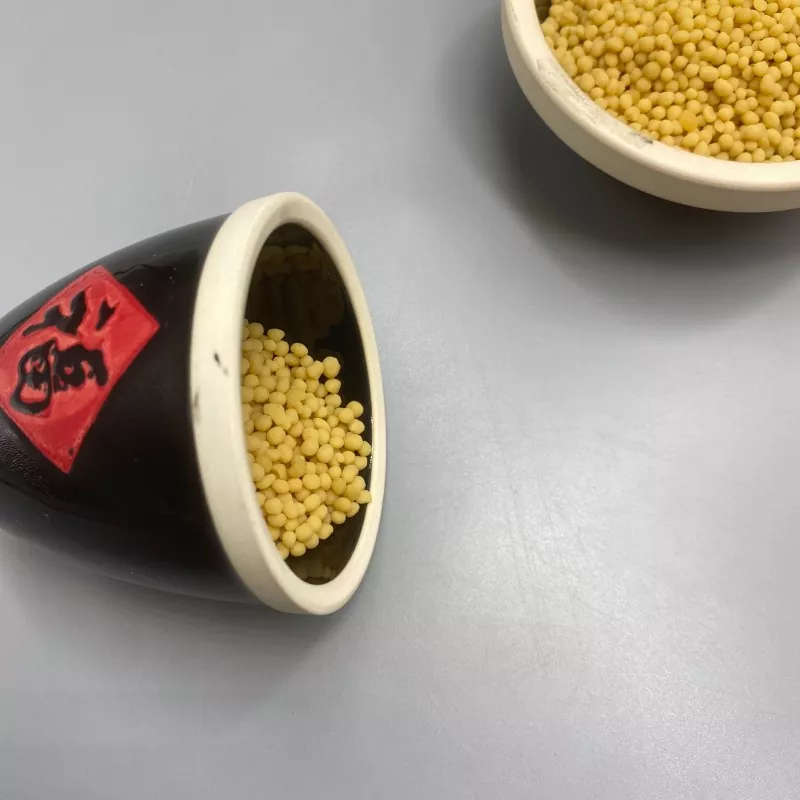
Manufactured by Shandong AOLANSU Environmental Technology Co., Ltd. in China, the fertilizer is supplied to agricultural distributors, fertilizer importers, commercial farms, fertilizer blenders, and other professional buyers. AOLANSU also holds a Hazardous Chemicals Business License and provides professional documentation and export support for international chemical and fertilizer procurement.
For professional fertilizer buyers, choosing a DAP product should not depend only on the headline nutrient percentage. Crop requirements, soil phosphorus availability, fertilizer placement, application equipment, particle size, storage conditions, and compatibility with other fertilizers all influence the final purchasing decision.
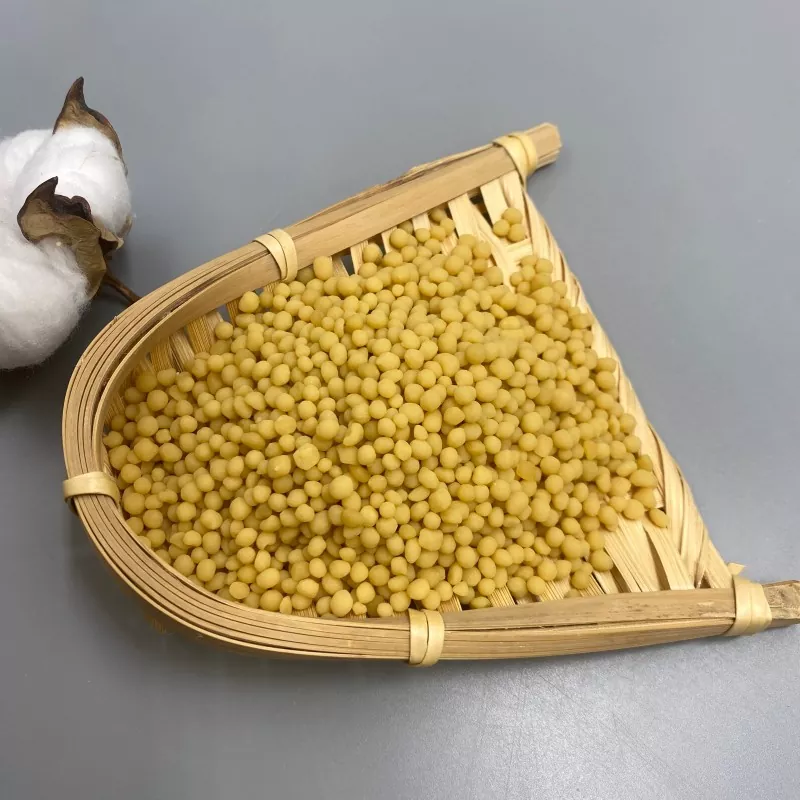
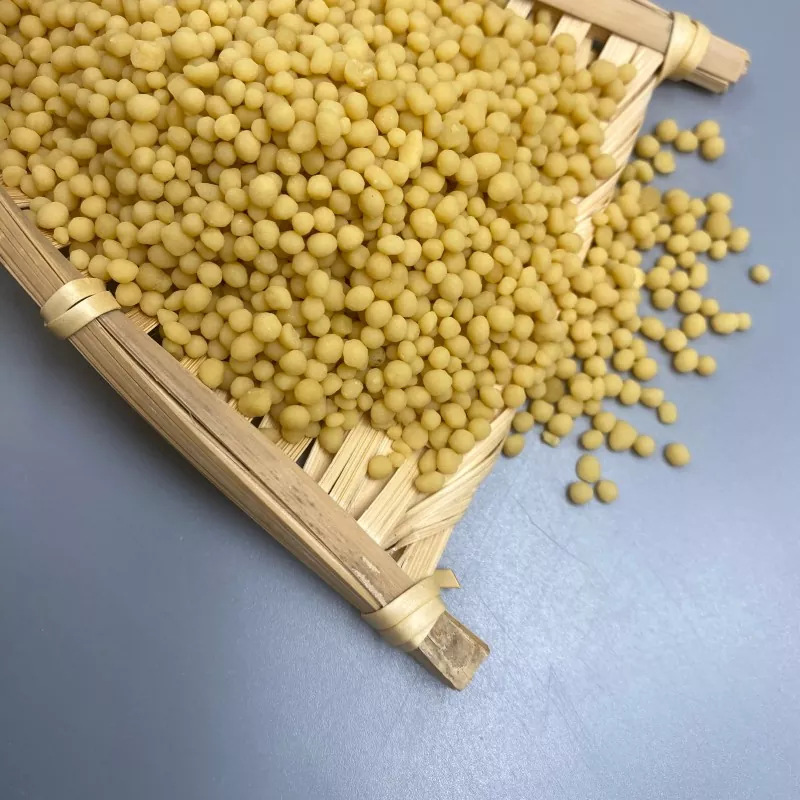
AOLANSU focuses on these practical factors by maintaining a standard granular specification with 2–4 mm particles, moisture content of ≤2.0%, and water-soluble phosphorus of ≥90%. This combination is intended to provide reliable handling and nutrient availability for commercial agricultural operations.
For distributors, consistent physical specifications are also important because fertilizer may pass through several stages of transportation and storage before reaching the final farm. Stable granules help simplify warehouse management and mechanical application across different agricultural markets.
Phosphorus is particularly important during early crop establishment because it participates in energy transfer, root development, and several metabolic processes. A readily available phosphate source can therefore be valuable when crops have high phosphorus demand shortly after planting.
For crops such as maize, wheat, rice, vegetables, and many commercial crops, phosphorus management during the early development period can influence root establishment and subsequent nutrient uptake. The high water-soluble phosphorus fraction allows the fertilizer to dissolve efficiently when sufficient soil moisture is available.
The approximately 18% nitrogen content complements the phosphorus supply and provides an immediately available nitrogen source for early plant growth. Using both nutrients in one fertilizer can simplify fertilizer planning compared with purchasing and applying separate nitrogen and phosphate materials.
However, the product should be considered as part of a complete nutrient program rather than a standalone source of all crop nutrients. Potassium, secondary nutrients, and micronutrients should be supplied separately when soil tests or crop requirements indicate a deficiency.
With total N + P₂O₅ content of at least 64%, the product offers a concentrated source of two major nutrients. This can be advantageous for commercial farming operations that need to transport, store, and distribute substantial quantities of fertilizer across large cultivation areas.
Its granular form is suitable for conventional broadcasting, band placement, and other field application methods. The appropriate method depends on crop type, soil characteristics, local equipment, and the overall fertilizer program.
For maize, wheat, and similar grain crops, the fertilizer can be incorporated into the basal fertilization program before or during planting. Supplying phosphorus close to the developing root zone can support early crop establishment, while the nitrogen component contributes to initial vegetative growth.
In rice cultivation, phosphate fertilizer is commonly incorporated into the overall basal nutrient program. Application should take local soil fertility, water management, planting method, and the use of nitrogen and potassium fertilizers into account rather than relying on a fixed rate for every field.
Vegetables with relatively intensive nutrient requirements can use the product during soil preparation or planting. For greenhouse cultivation, the fertilizer program can be adjusted according to soil or substrate analysis, irrigation practices, crop variety, and the expected production cycle.
For fruit trees and commercial crops, phosphorus demand varies with crop species and growth stage. The product can be incorporated into a broader nutrient management program when additional phosphorus and nitrogen are required, with application timing determined by local agronomic practices.
Understanding the difference between phosphate fertilizer grades is important for fertilizer distributors and agricultural buyers. DAP contains approximately 18% nitrogen and 46% P₂O₅, while MAP generally contains around 11% nitrogen and 52% P₂O₅. Therefore, DAP provides a higher proportion of nitrogen, whereas MAP provides a higher proportion of phosphorus.
DAP also has a weakly alkaline reaction, while MAP is generally acidic in solution. The choice between the two should therefore consider soil conditions, nutrient targets, crop requirements, fertilizer placement, and the composition of other fertilizers being used.
For fertilizer manufacturers and blenders, the difference in nutrient ratio can also affect the formulation of compound fertilizers. AOLANSU can communicate with professional buyers regarding standard product specifications and packaging requirements for different markets.
Basal application is one of the common uses of DAP because phosphorus is relatively important during crop establishment. The fertilizer can be incorporated into the soil before planting or placed according to the requirements of the crop and local cultivation system.
Where suitable equipment is available, localized placement can position nutrients closer to developing roots. Excessive fertilizer concentration directly against seeds or young roots should be avoided, and application should follow local agronomic recommendations.
The Agricultural Diammonium Phosphate CAS 7783-28-0 can form part of blended fertilizer programs where additional nitrogen, potassium, secondary nutrients, or micronutrients are required. Before commercial blending, compatibility and physical mixing characteristics should be evaluated to reduce caking, segregation, or unwanted chemical reactions.
| Parameter | Specification |
|---|---|
| Product Name | Agricultural Diammonium Phosphate |
| CAS No. | 7783-28-0 |
| Molecular Formula | (NH₄)₂HPO₄ |
| Appearance | White uniform granular fertilizer |
| Total Nutrient (N + P₂O₅) | ≥64% |
| Total Nitrogen (N) | ≥18% |
| Available Phosphorus (P₂O₅) | ≥46% |
| Water-Soluble Phosphorus | ≥90% |
| Moisture Content | ≤2.0% |
| pH Value | 7.5–8.5 |
| Particle Size | 2–4 mm |
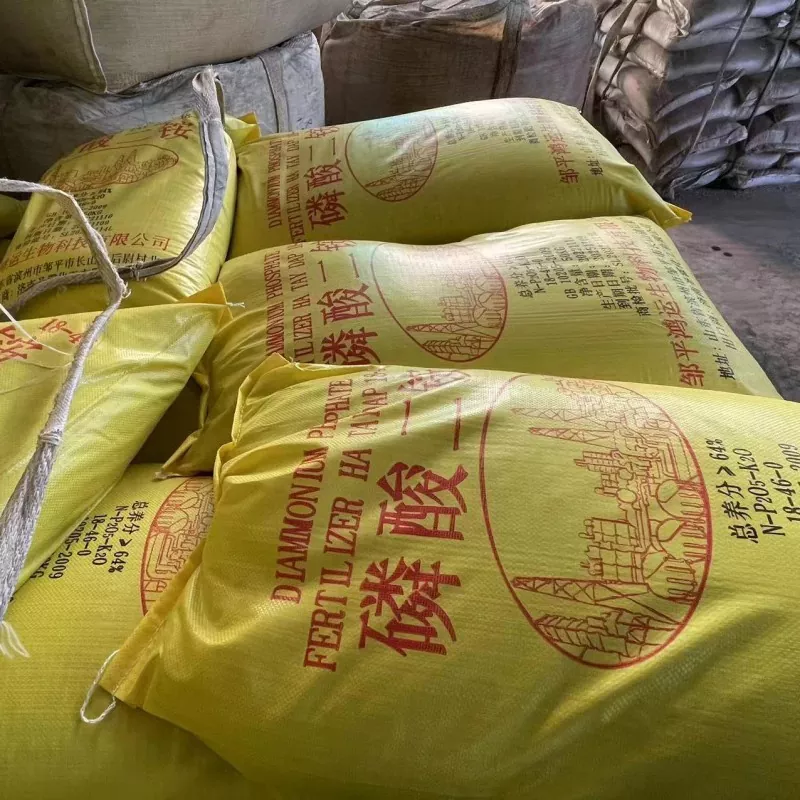
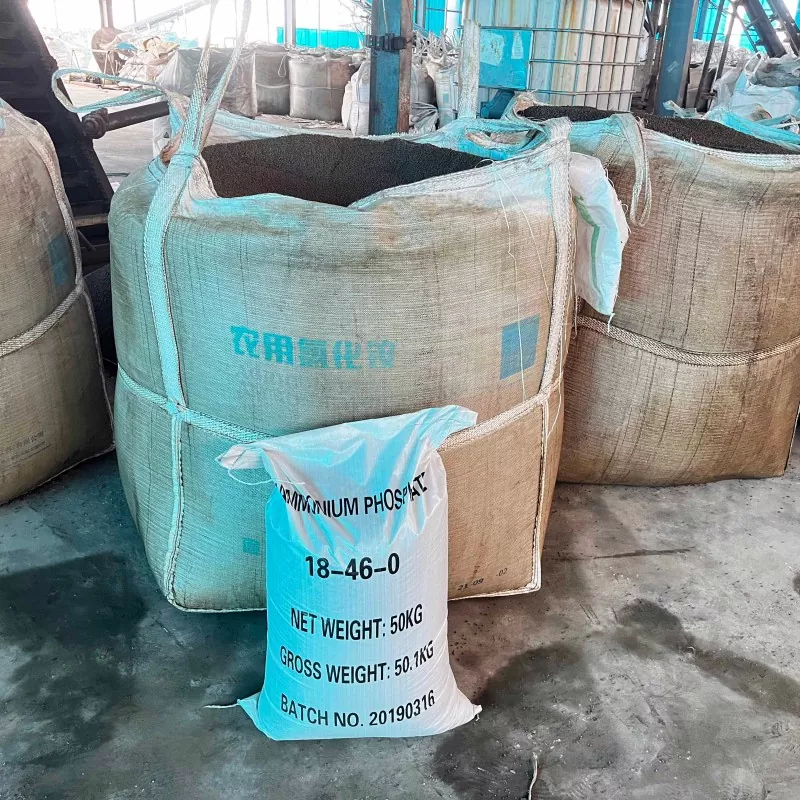
| Packaging | 50 kg PP woven bags with PE inner lining; bulk packaging available |
| Storage Condition | Store in a dry, cool, and ventilated warehouse away from moisture |
For distributors and importers, maintaining consistent specifications across repeated orders is important for downstream sales and customer satisfaction. AOLANSU controls nutrient content, moisture, granule size, and finished-product quality so buyers can establish clearer purchasing specifications for long-term supply.
The standard product is supplied in PP woven bags with PE inner liners to help protect the fertilizer from moisture during transportation and storage. Packaging specifications can be discussed for distributors that require customized labels, different bag weights, or bulk shipment arrangements.
Professional buyers can request batch-specific COA, MSDS, product specification sheets, packing lists, commercial invoices, Certificate of Origin, and other applicable export documents. These documents support internal quality verification, import procedures, and downstream distribution.
Selected phosphoric acid and ammonia are used as the principal raw materials. Incoming materials are evaluated before production to maintain stable chemical composition and reduce quality variations originating from raw material differences.
Controlled ammoniation, granulation, drying, and screening processes are used to produce fertilizer particles within the specified size range. Physical characteristics are monitored to support mechanical application and storage requirements.
Before shipment, finished batches are evaluated according to the agreed product specification. Testing can cover nitrogen, phosphorus, moisture, particle size, appearance, and other quality indicators required by the buyer.
Shandong AOLANSU Environmental Technology Co., Ltd. provides fertilizer and chemical raw material solutions for international customers. The company combines manufacturing capability, quality management, export documentation, and logistics coordination to support professional procurement.
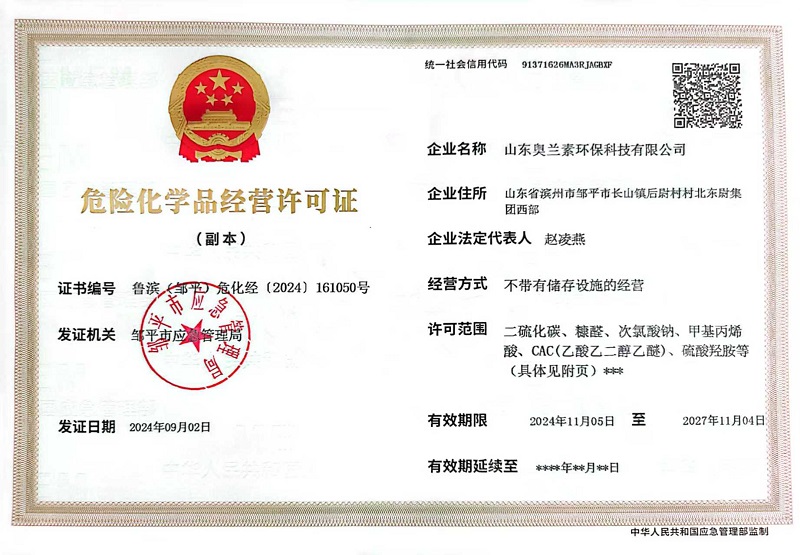
AOLANSU holds a Hazardous Chemicals Business License and maintains ISO 9001 Quality Management System and ISO 14001 Environmental Management System certifications. These systems support standardized production and environmental management throughout the manufacturing operation.
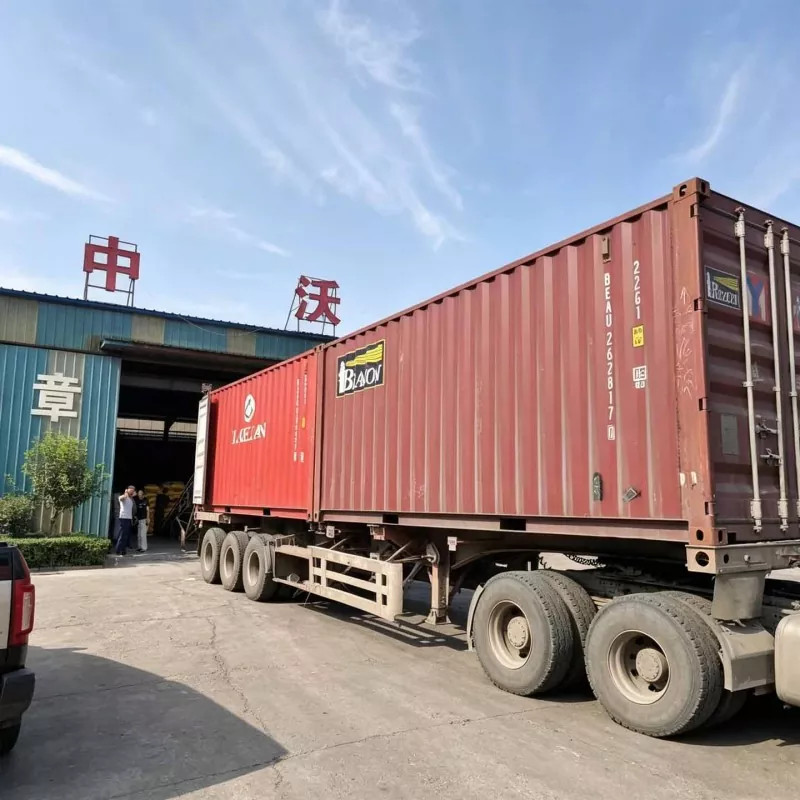
For fertilizer distributors, agricultural importers, fertilizer blenders, and commercial farms, AOLANSU can support trial purchasing, regular supply programs, bulk procurement, customized packaging, and destination-market documentation requirements.
The standard grade provides approximately 18% nitrogen (N) and 46% phosphorus pentoxide (P₂O₅), giving a total nutrient content of approximately 64%. It does not provide potassium, so a separate potassium source may be required depending on soil and crop requirements.
Neither product is universally better. DAP contains more nitrogen, while MAP generally contains a higher proportion of phosphorus and has a more acidic reaction. The appropriate choice depends on soil conditions, crop nutrient requirements, fertilizer placement, and the rest of the nutrient management program.
Yes. Basal application is a common use because phosphorus is particularly important during early crop establishment. The actual application rate should be determined according to soil testing, crop nutrient demand, expected yield, and local agronomic recommendations.
DAP can be incorporated into compatible fertilizer programs with nitrogen fertilizers such as urea. However, storage stability and physical compatibility should be evaluated when different fertilizers are blended, particularly for long-term storage or commercial fertilizer production.
Yes. Its concentrated nitrogen and phosphorus content makes it useful as a raw material for fertilizer blending. Buyers should evaluate compatibility, nutrient targets, particle size, and final blend stability before large-scale production.
Standard packaging is available in 50 kg PP woven bags with PE inner lining, while bulk packaging and customized packaging solutions can be discussed according to order quantity, transportation requirements, and destination-market needs.
Yes. AOLANSU can provide product samples for evaluation together with COA, MSDS, technical specifications, and applicable export documents. Documentation requirements can be confirmed according to the buyer's destination country and procurement process.
AOLANSU Agricultural Diammonium Phosphate CAS 7783-28-0 provides a concentrated nitrogen and phosphorus source for crop nutrition programs where nutrient density, granule consistency, and reliable supply are important. Rather than focusing only on fertilizer production, AOLANSU works with buyers around product specifications, application requirements, packaging, documentation, and international procurement.
Whether the requirement is for commercial farming, fertilizer distribution, agricultural import, or compound fertilizer blending, AOLANSU can develop a supply arrangement according to the required quantity, packaging format, technical specifications, and destination market.
Address
(North of Dongwei Group, West) Houwei Village, Changshan Town, Zouping City, Binzhou, Shandong Province, China
Tel