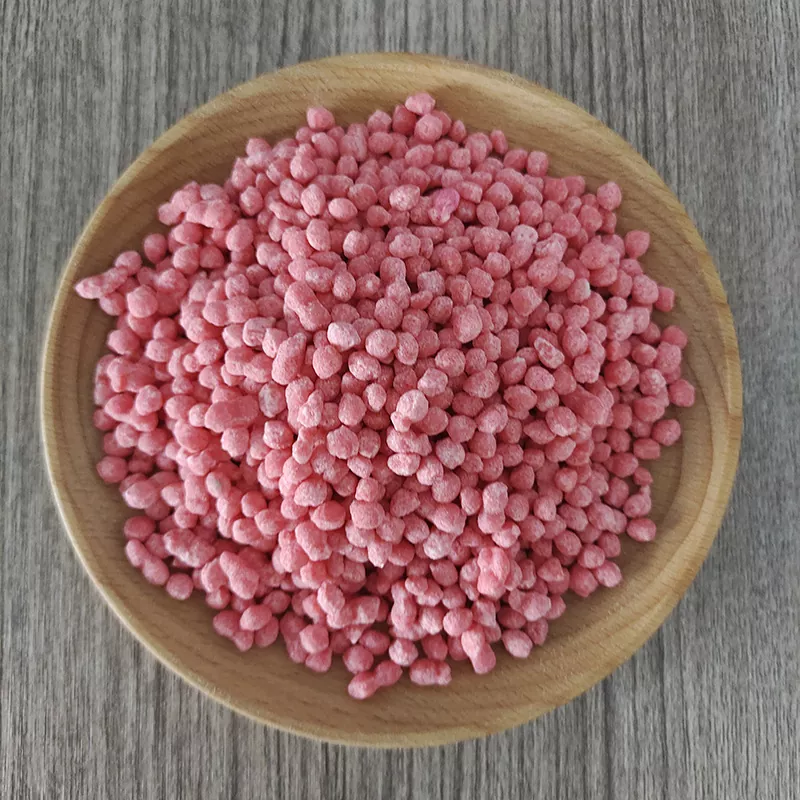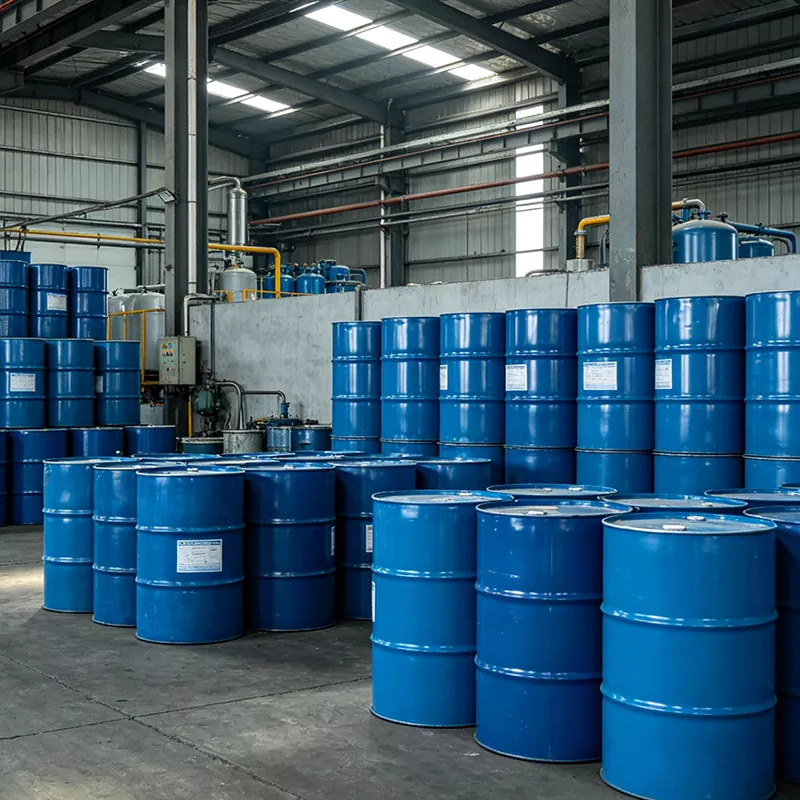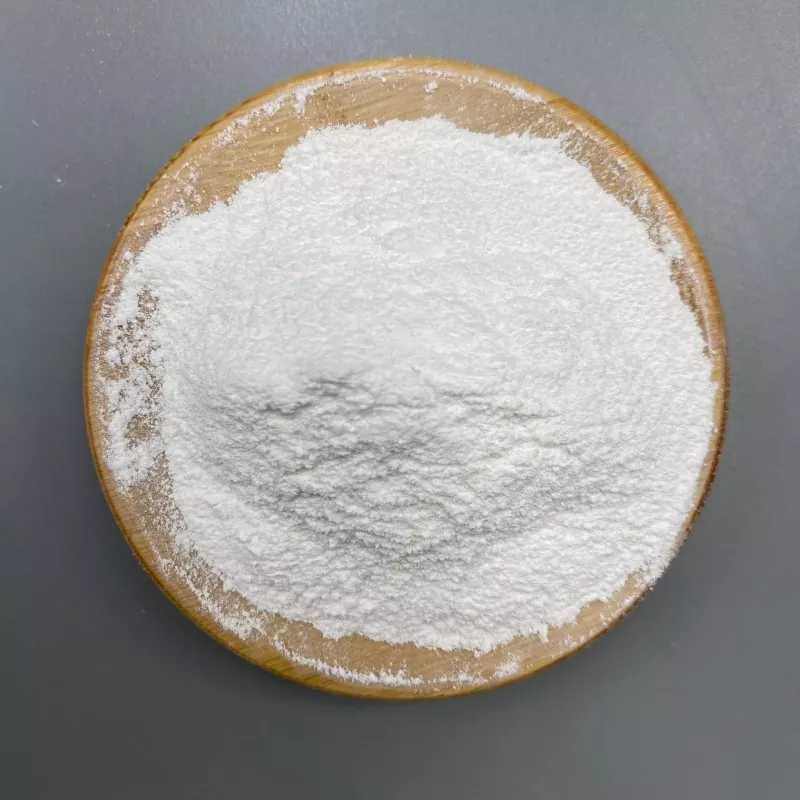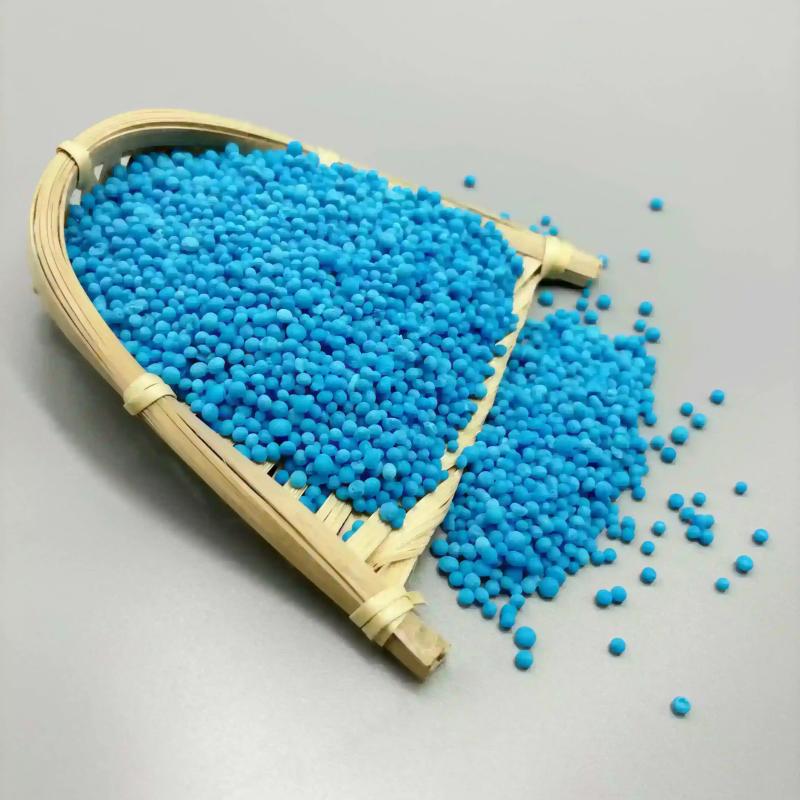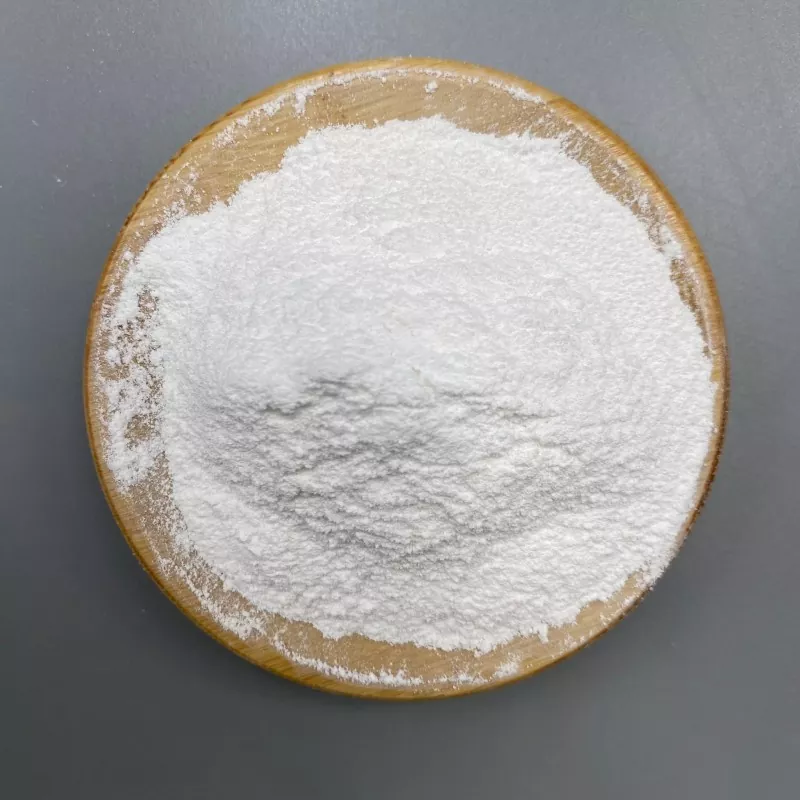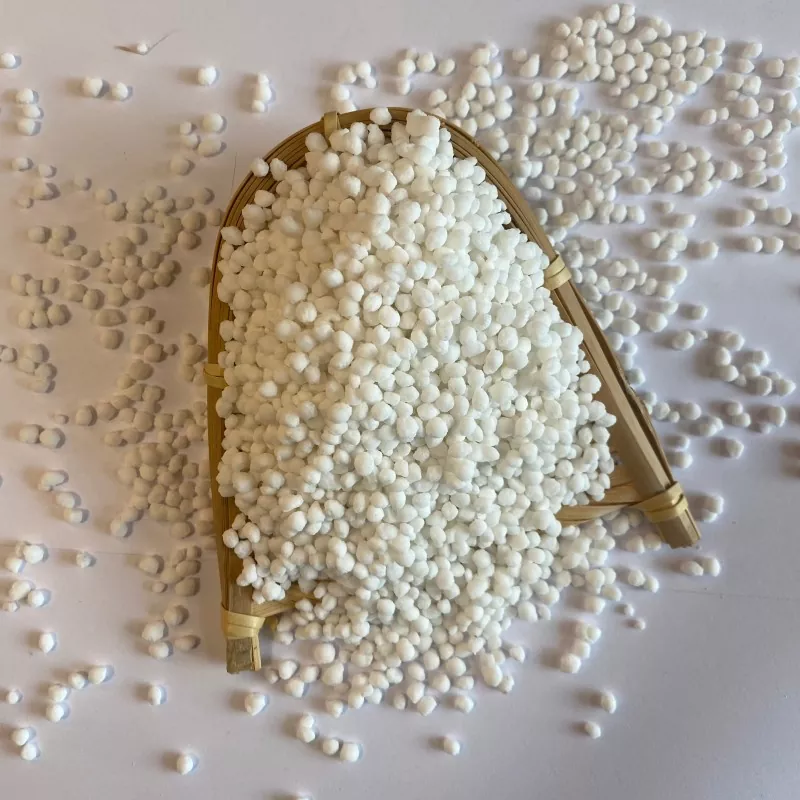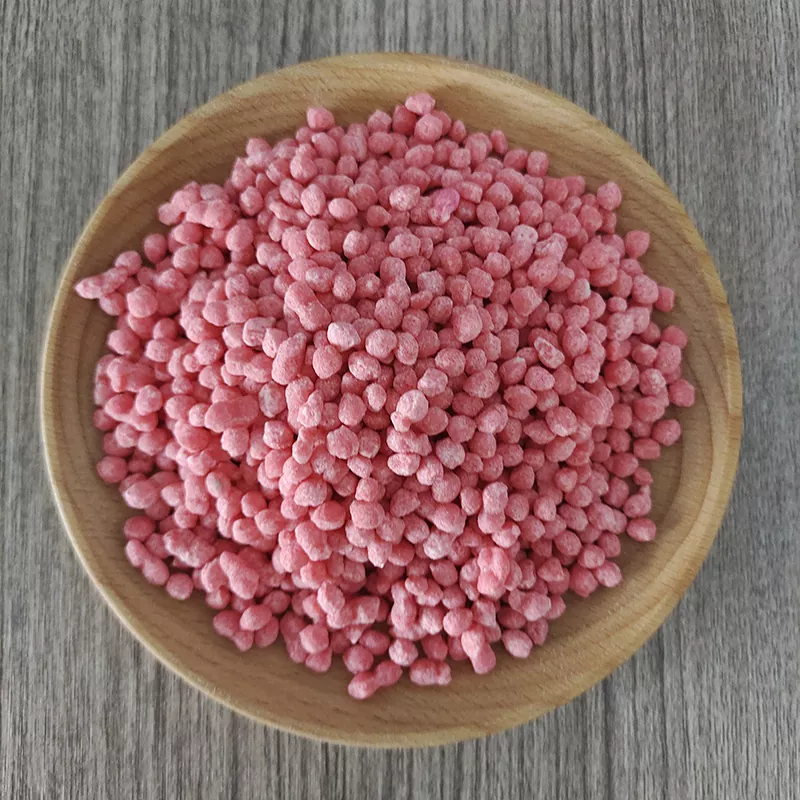
As an important inorganic chemical raw material, Ammonium Chloride is widely used in fertilizer production, metal treatment, chemical manufacturing, battery materials, pharmaceuticals, and other industrial fields. Due to its moisture absorption characteristics, proper storage management is essential to maintain product quality and ensure safe handling during transportation and production.
For chemical distributors, manufacturers, and industrial users, storage conditions directly affect the physical properties and usability of ammonium chloride. AOLANSU provides chemical raw materials for global customers and recommends establishing suitable storage procedures based on product specifications, application requirements, and safety documentation.
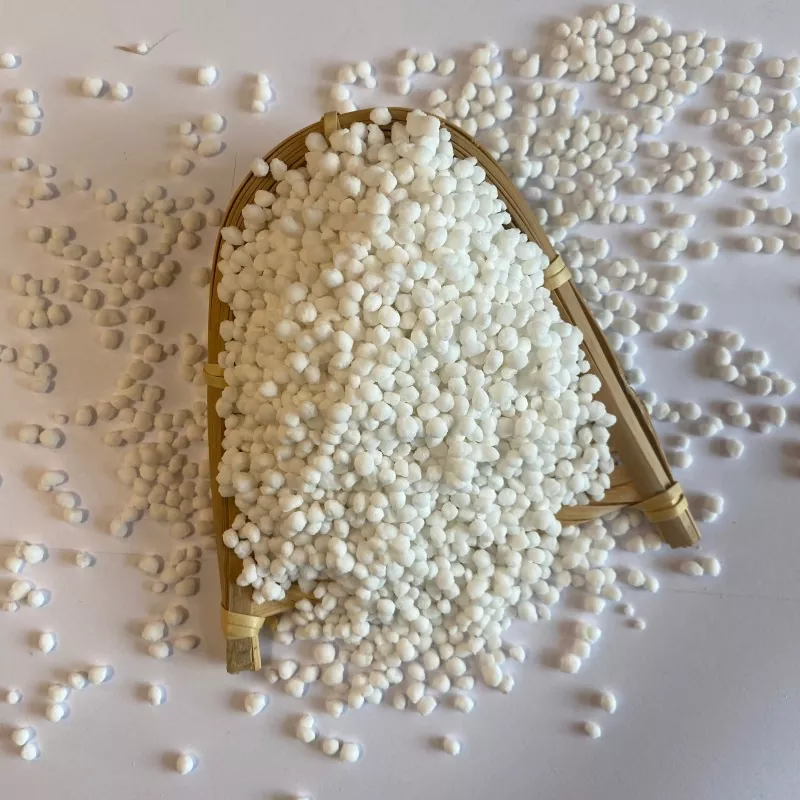
Ammonium chloride is a hygroscopic solid, which means it can absorb moisture from the surrounding environment. When exposed to humid conditions for a long time, the material may experience changes such as caking, reduced flowability, and difficulty during feeding or mixing processes.
To maintain product consistency, ammonium chloride should be stored in tightly sealed containers and protected from excessive humidity. A dry storage environment helps preserve the original physical characteristics of the material.
Although ammonium chloride is stable under recommended storage conditions, unsuitable environments such as high humidity, contamination, or contact with incompatible materials may affect storage safety.
According to chemical safety guidance, ammonium chloride should be stored in a cool, dry, and well-ventilated location, with containers kept tightly closed to reduce exposure to moisture and external contaminants. :contentReference[oaicite:0]{index=0}
The storage area should remain dry, clean, and well ventilated. Excessive humidity should be avoided because moisture absorption may affect product handling performance.
Warehouses should also maintain suitable housekeeping practices to prevent dust accumulation and ensure that chemical materials are stored in an organized manner.
Packaging should remain closed when the product is not being used. Open bags or containers should be resealed after each operation to prevent moisture penetration.
For bulk storage, buyers should select packaging materials and storage systems suitable for their transportation method, climate conditions, and usage frequency.
Ammonium chloride should be stored away from excessive heat sources, direct sunlight, and unsuitable environmental conditions. Stable warehouse conditions help reduce unnecessary changes in product quality during long-term storage.
Chemical storage areas should be organized according to compatibility requirements. Ammonium chloride should be kept away from incompatible substances to reduce the possibility of unwanted chemical reactions.
Storage recommendations from safety references include keeping ammonium chloride dry and separated from incompatible materials such as certain oxidizing chemicals. :contentReference[oaicite:1]{index=1}
Packaging plays an important role in protecting ammonium chloride during storage and transportation. Suitable bags, containers, or bulk packaging should provide protection against moisture and physical damage.
For international shipments, buyers should consider transportation distance, climate conditions, loading methods, and warehouse conditions when selecting packaging solutions.
Chemical storage areas should include clear identification labels and necessary safety information. Proper labeling helps warehouse personnel correctly identify materials and follow appropriate handling procedures.
Storage personnel should regularly check containers for damage, leakage, moisture exposure, or packaging deterioration. Early identification of packaging issues helps prevent product loss and quality changes.
A first-in, first-out inventory management method can help reduce unnecessary long-term storage periods. This approach is especially useful for chemical distributors managing multiple batches and customer orders.
The warehouse should be kept clean and free from unnecessary contamination sources. Routine cleaning can help prevent dust accumulation and improve overall chemical storage management.
During international transportation, ammonium chloride may experience different climate conditions. Moisture-resistant packaging and proper container handling are important for maintaining product quality before delivery.
Before shipment, suppliers and buyers should confirm packaging integrity, labeling requirements, and transportation conditions. Proper preparation helps reduce risks caused by damaged containers or unsuitable storage environments.
| Storage Item | Recommended Practice |
|---|---|
| Storage Environment | Cool, dry, and well-ventilated warehouse |
| Moisture Control | Keep away from humidity and water sources |
| Container Condition | Keep containers tightly closed and undamaged |
| Packaging | Select moisture-resistant packaging suitable for transportation |
| Material Separation | Store away from incompatible chemicals |
| Warehouse Management | Maintain clean areas and conduct regular inspections |
| Documentation | Keep SDS, COA, and product information available |
Open containers allow moisture from the air to enter the product, which may affect material quality and handling performance.
Basements, outdoor areas without protection, and high-humidity environments are not recommended for chemical storage because moisture exposure can reduce product stability.
Chemical materials should not be stored together without considering compatibility. Proper warehouse classification helps reduce potential safety risks.
AOLANSU focuses on supplying chemical raw materials for international customers with attention to product quality, packaging requirements, and supply stability.
For distributors and industrial users, selecting the correct packaging, storage method, and transportation solution is important for maintaining ammonium chloride quality from factory delivery to final application.
Different industries may have different requirements for purity, particle size, packaging, and documentation. AOLANSU works with customers to understand application needs and provide suitable chemical supply solutions.