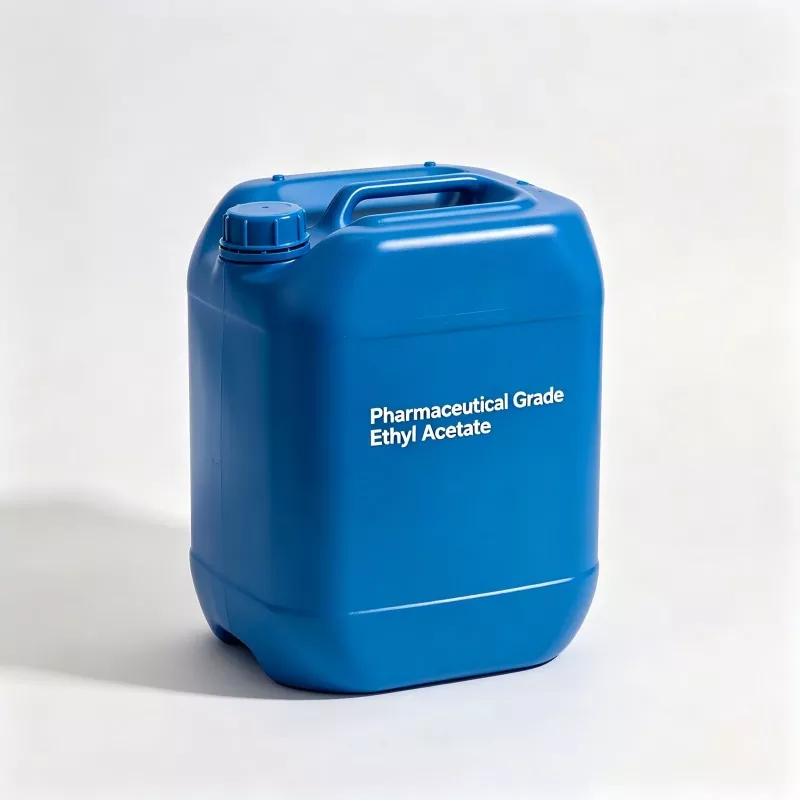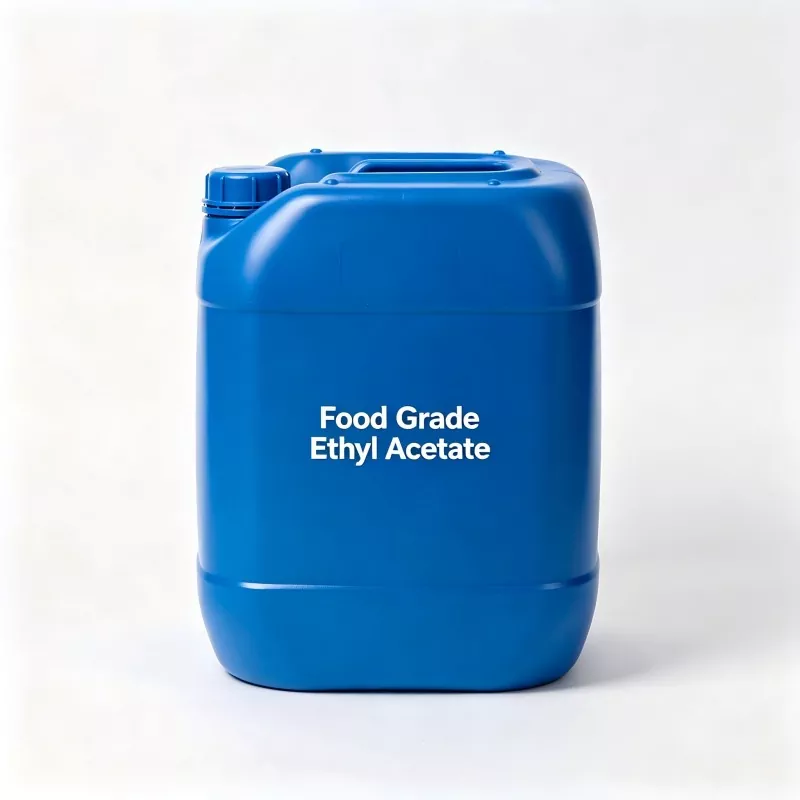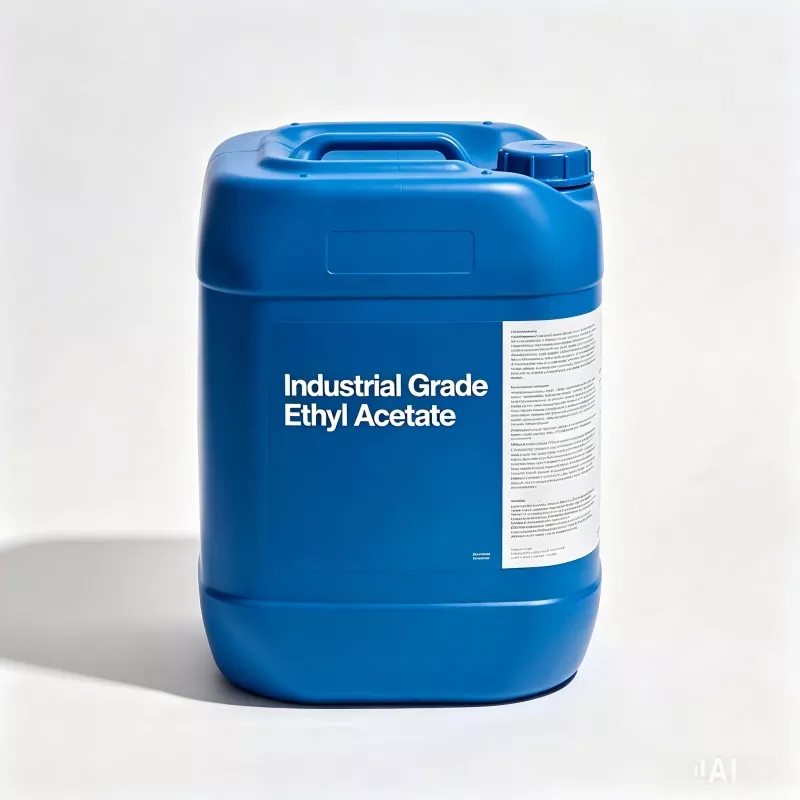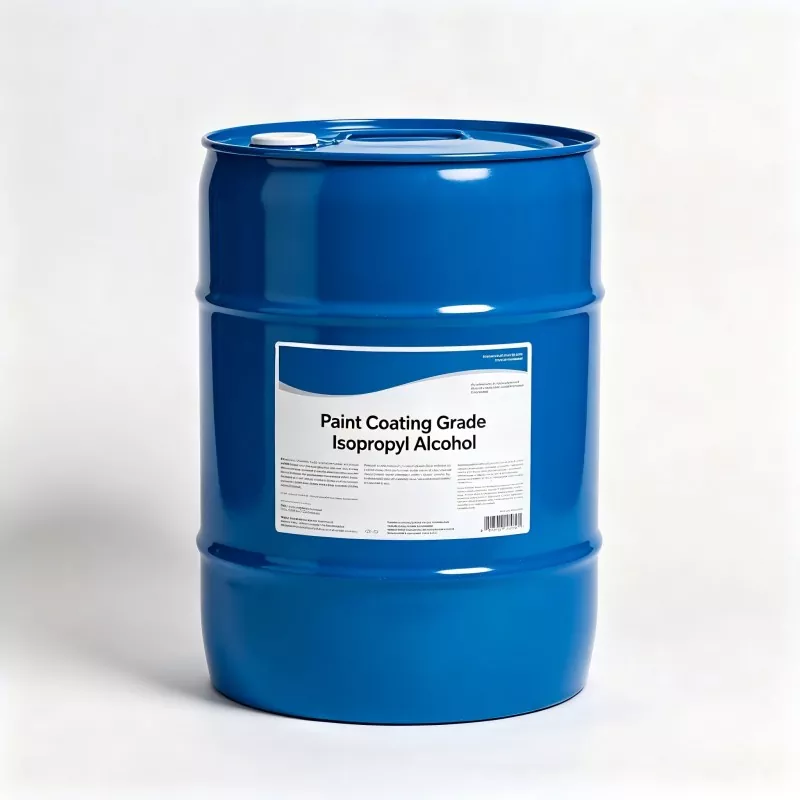
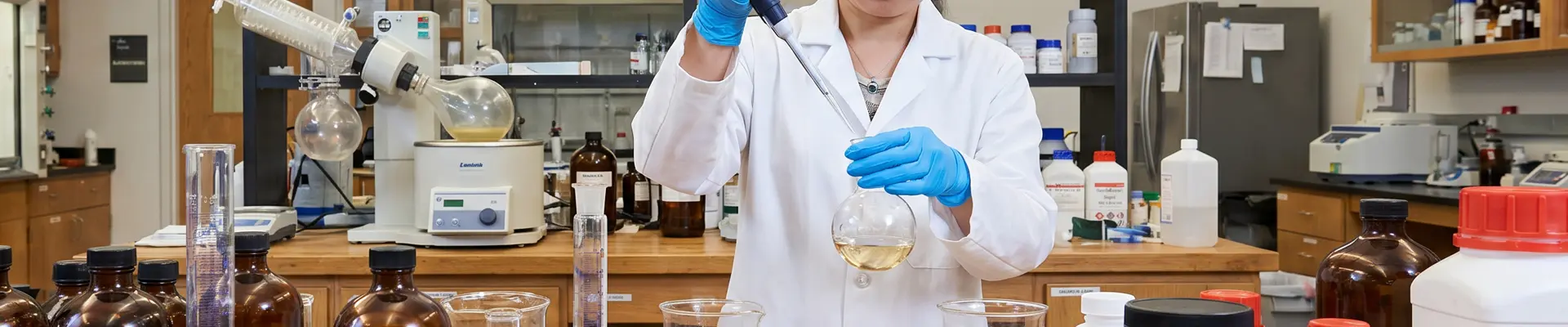
Organic solvents are widely used as chemical raw materials in industrial processing. Their main functions include dissolving, dilution, cleaning, extraction, and formulation adjustment. Depending on the chemical composition and required grade, they can be used in coatings, inks, adhesives, pharmaceuticals, electronics, and other manufacturing processes.
AOLANSU supplies organic solvents with controlled purity, stable physicochemical properties, and consistent batch characteristics. Different specifications can be selected according to boiling point, evaporation behavior, solvency, purity, packaging, and application requirements. The products are manufactured under controlled production procedures and are available for both domestic and international industrial procurement.
The performance of an organic solvent is closely related to its purity, solvency, evaporation rate, moisture content, and compatibility with other raw materials. These parameters can affect formulation stability, drying behavior, surface quality, and cleaning performance during production.
Purity is an important specification for industrial solvent procurement. Lower impurity levels can help reduce unwanted residues and minimize interference with downstream formulations. For applications with stricter material requirements, buyers should select the appropriate grade according to the actual production process.
Evaporation characteristics influence drying time and film formation in coatings, inks, and adhesive formulations. A suitable evaporation rate allows manufacturers to adjust processing conditions according to temperature, coating thickness, and production speed.
Consistent physicochemical properties are important for continuous production. AOLANSU controls key production parameters and conducts quality inspections to help maintain stable characteristics between different batches.
Organic solvents are used across a wide range of manufacturing processes. Common applications include coating dilution, ink formulation, resin dissolution, equipment cleaning, extraction, and preparation of chemical formulations.
In coating and ink production, solvents are used to dissolve or disperse resin components and adjust formulation viscosity. The selected solvent can also influence drying speed, leveling, film formation, and final surface appearance.
Certain solvent grades are used in pharmaceutical manufacturing for extraction, reaction processes, crystallization, purification, and other material processing steps. The required purity and specification depend on the process and applicable quality standards.
Selected high-purity solvents can be used for cleaning electronic components and removing oils, residues, or processing contaminants. Low impurity content is particularly important where remaining solvent residues may affect subsequent assembly or surface treatment.
Production consistency is an important consideration for bulk solvent procurement. AOLANSU uses controlled manufacturing procedures to monitor relevant parameters such as purity, moisture, and physical properties. Finished products are inspected before shipment according to the applicable product specification.
Quality inspection can cover chemical purity, moisture content, appearance, and other product-specific parameters. The inspection items should be matched with the technical requirements of the customer's intended application.
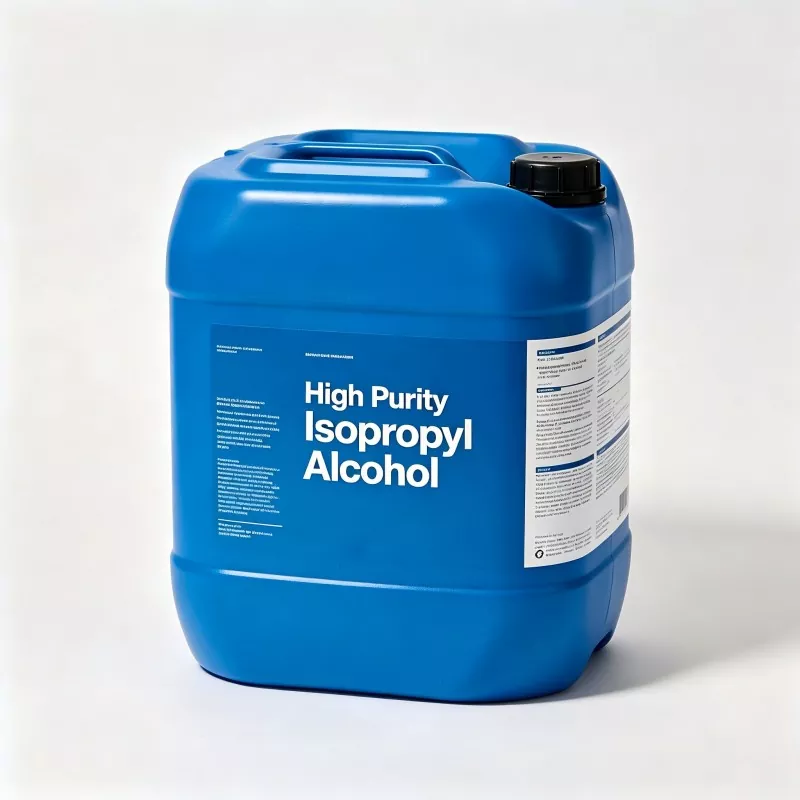
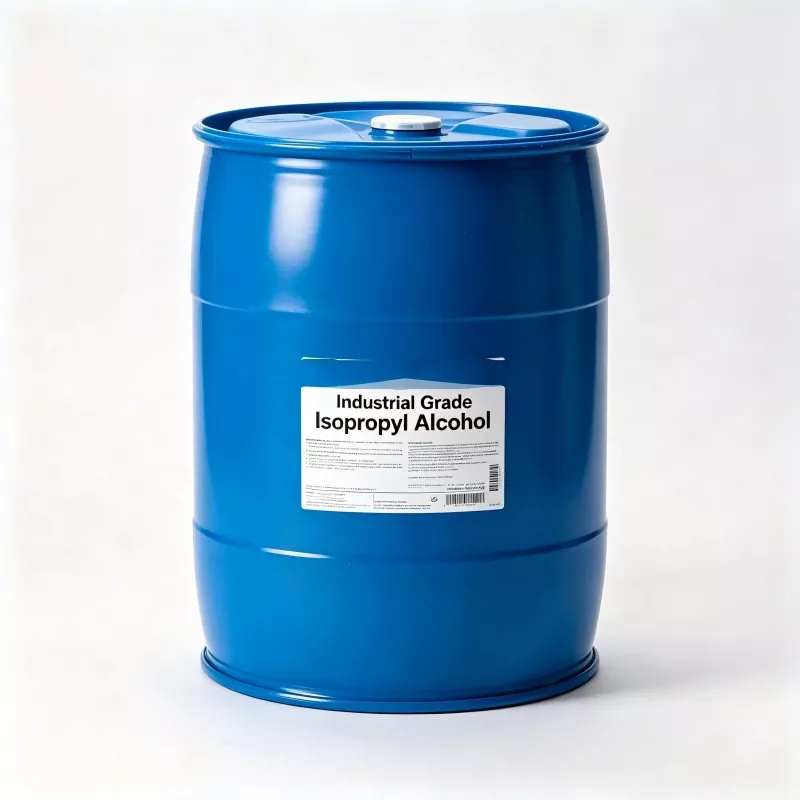
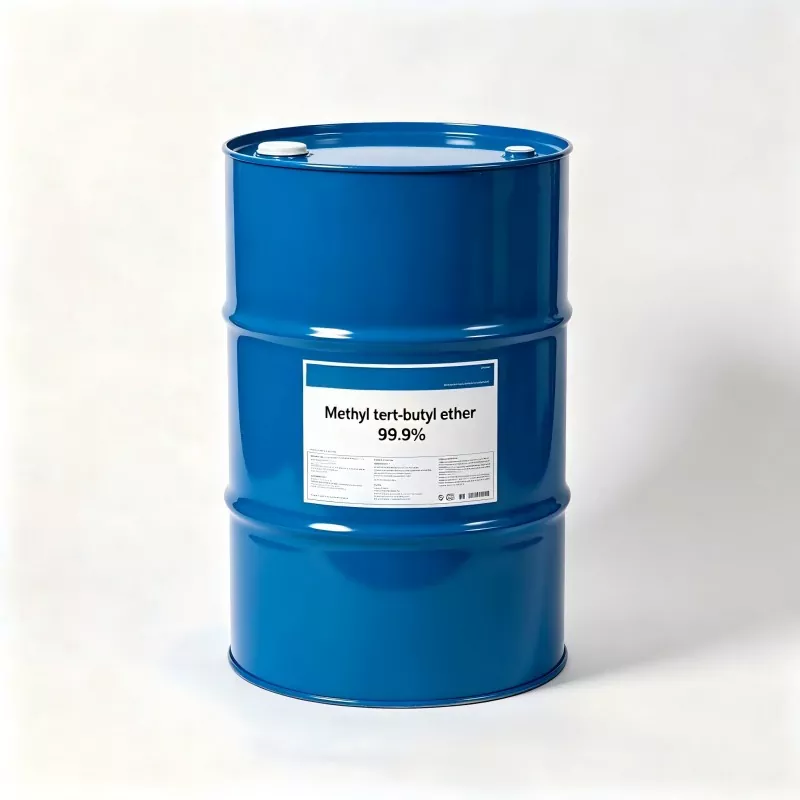
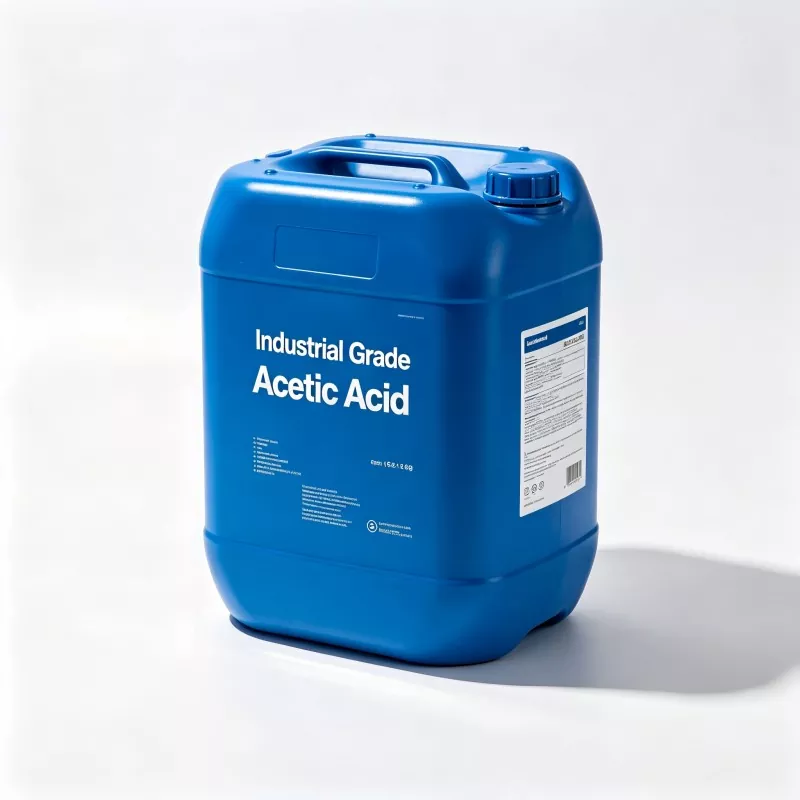
Packaging requirements vary according to product type, order quantity, transportation method, and storage period. Buyers should confirm the required package specification, labeling, loading method, and relevant shipping documentation before placing an order.
Selecting the appropriate solvent requires consideration of the actual production process rather than solvent name alone. Important factors include solvency, boiling point, evaporation rate, purity, moisture content, compatibility with other raw materials, and required packaging.
For customized requirements, buyers can provide the target application and technical parameters so that the suitable product specification can be evaluated before bulk procurement.
A Southeast Asian architectural coating manufacturer previously struggled with uneven solvent evaporation. In low-temperature environments, their epoxy floor coatings exhibited slow film formation, leading to issues like tacky surfaces and visible marks, resulting in a defect rate exceeding 8%. After switching to our highly stable, customized organic solvent, the evaporation rate was precisely matched to the coating's curing cycle. Low-temperature film formation improved significantly, the defect rate dropped below 1.2%, and daily production capacity increased by 15%. Consistent batch quality eliminated seasonal fluctuations in product performance, helping the company secure its market share.
Key factors include chemical composition, purity, solvency, boiling point, evaporation rate, moisture content, compatibility with other raw materials, packaging, and the requirements of the final application.
Specification and packaging requirements can be evaluated according to the customer's application. Buyers should provide the required purity, physical properties, packaging format, order quantity, and intended use before procurement.
AOLANSU provides products for domestic and international industrial procurement. Export orders should be evaluated according to the product specification, packaging, transportation requirements, destination-country regulations, and required chemical documentation.
Storage conditions depend on the specific solvent. In general, solvents should be kept in suitable containers and stored in accordance with the applicable safety requirements, away from incompatible materials and potential ignition sources. Buyers should refer to the relevant SDS and product-specific storage instructions.
Available documentation depends on the product and destination market. Buyers can confirm the required specification, quality inspection documents, SDS, packaging information, and other applicable shipping or regulatory documents before shipment.