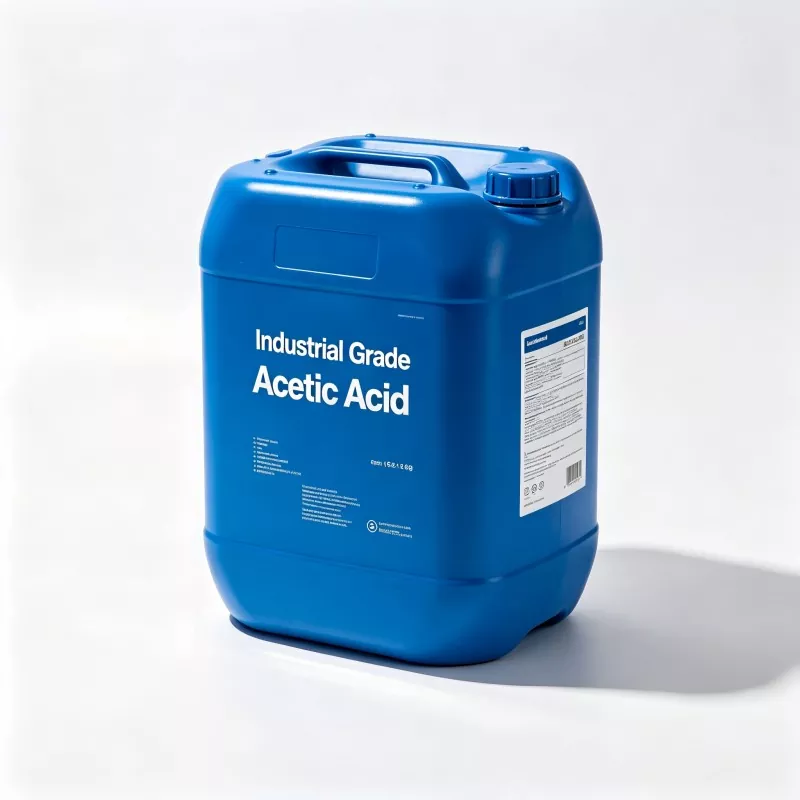

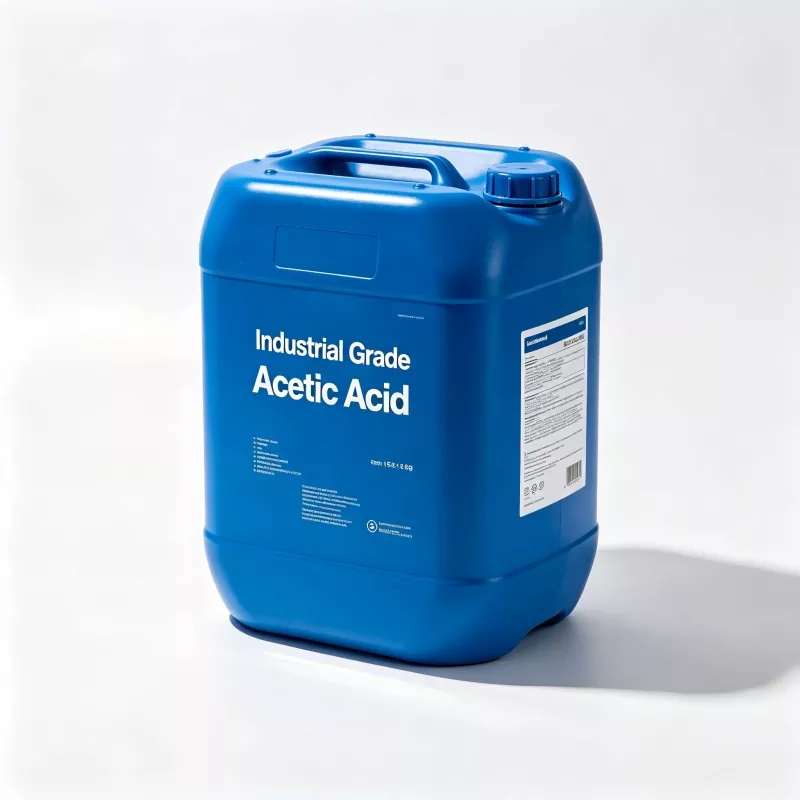
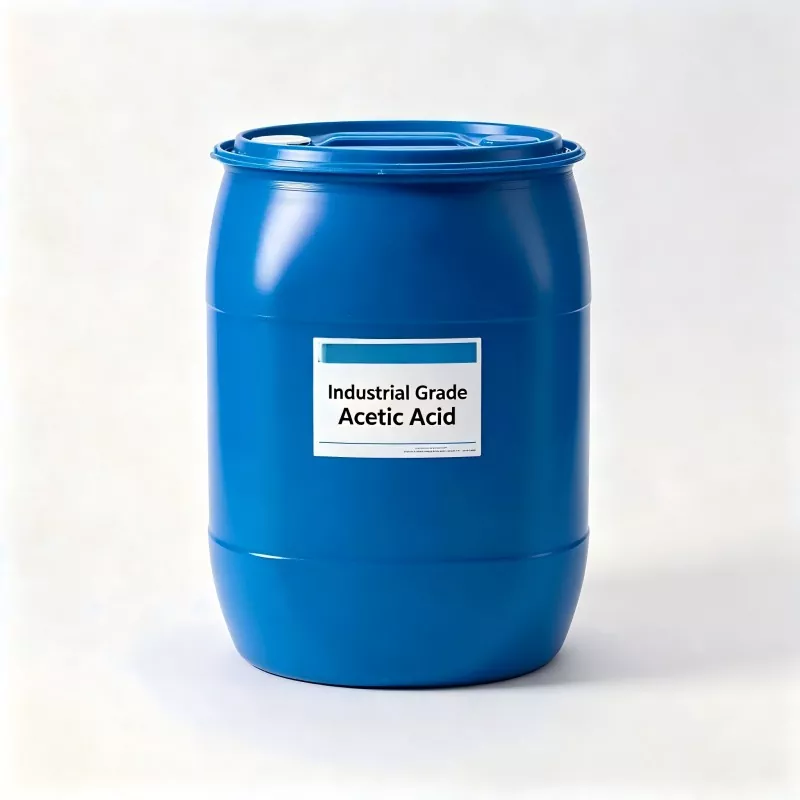
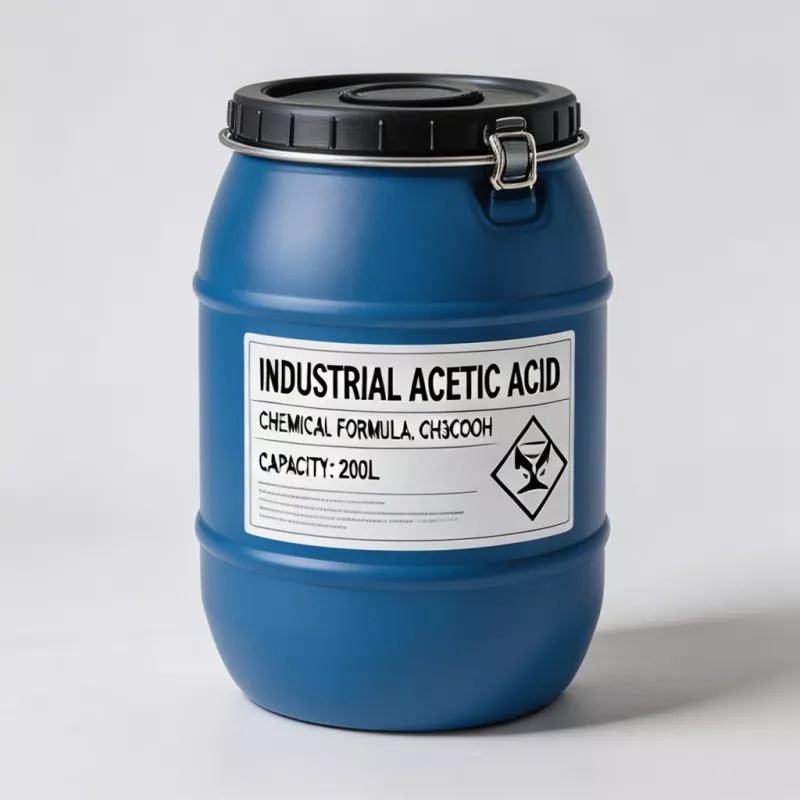
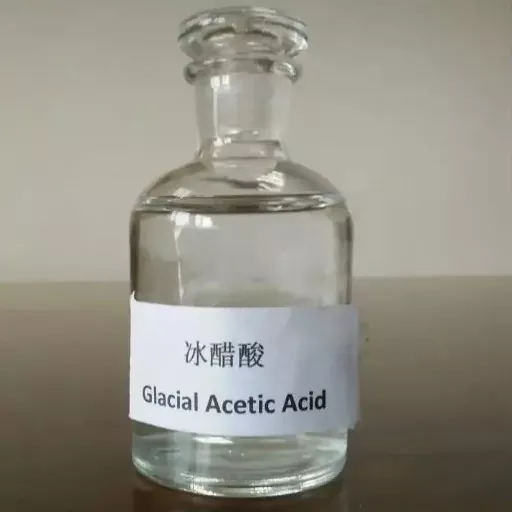
Industrial chemical manufacturers often evaluate acetic acid based on more than its stated concentration. Reaction performance, impurity limits, color, moisture, crystallization behavior, packaging, and delivery reliability can all affect downstream processing. AOLANSU supplies Industrial Grade Acetic Acid CAS 64-19-7 for chemical manufacturing and process applications, with a standard purity of ≥99.5% and premium grades available at 99.8%–99.9%.
Also known as glacial acetic acid, the material has the chemical formula CH₃COOH and CAS No. 64-19-7. It is widely used as a chemical intermediate, solvent, processing aid, and pH-control material across polymer, textile, coating, chemical synthesis, and industrial maintenance applications.
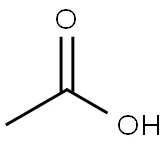
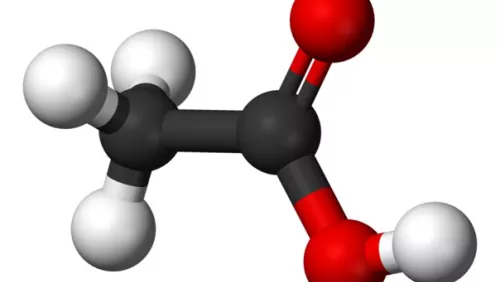
One of the major downstream uses of acetic acid is Vinyl Acetate Monomer (VAM) production. VAM is subsequently used to manufacture polyvinyl acetate, ethylene-vinyl acetate copolymers, adhesives, coatings, and related polymer materials.
For VAM manufacturers, consistent raw-material characteristics can help maintain predictable reaction conditions. Controlled moisture, purity, and impurity levels are therefore important considerations when evaluating an acetic acid supplier for continuous production.
Industrial Grade Acetic Acid CAS 64-19-7 is also an important feedstock for producing acetic anhydride and acetate esters. Acetic anhydride is used in cellulose acetate and other chemical processes, while ethyl acetate, butyl acetate, and propyl acetate are widely used as solvents in coatings, inks, adhesives, and chemical formulations.
Using material with a defined specification allows downstream producers to establish more stable production conditions and simplify incoming raw-material inspection.
In purified terephthalic acid (PTA) production, acetic acid can function as a process solvent. PTA is a key raw material for PET resin, polyester fibers, films, and other polyester products.
For large-scale PTA operations, raw-material availability and consistent chemical characteristics are important because interruptions or significant variation can affect production planning and process control.
Textile processors use acetic acid for pH adjustment and dyeing-process control. Proper acidity can contribute to more uniform dye uptake while helping manufacturers manage process conditions for different fibers and dye systems.
Compared with stronger mineral acids, acetic acid provides a comparatively moderate acidic environment for selected textile processes, making concentration control an important part of formulation and process management.
Acetic acid can also be used to remove mineral deposits, scale, and certain surface contaminants from industrial equipment and metal-processing systems. The required concentration depends on the type of deposit, substrate, temperature, and cleaning procedure.
For maintenance departments purchasing chemicals regularly, packaging compatibility, storage conditions, and consistent concentration can be just as important as the initial purchase price.
Additional applications include chemical synthesis, rubber-related processing, plastics manufacturing, process pH adjustment, and the preparation of various acetate compounds. Its broad chemical compatibility makes acetic acid a commonly purchased intermediate across multiple manufacturing sectors.
The standard grade supplied by AOLANSU has a purity of ≥99.5%, while higher-purity requirements can be discussed for specific applications. Formic acid and acetaldehyde are also controlled indicators because trace organic impurities may influence downstream chemical reactions or product quality.
Moisture can be particularly relevant in processes where water content affects reaction equilibrium or downstream formulation. Color is another useful purchasing indicator for manufacturers producing materials where appearance or contamination control is important.
Acetic acid has a relatively high freezing point compared with many common liquid chemical raw materials. For international buyers operating in colder regions, crystallization temperature should therefore be considered when planning warehouse conditions and winter transportation.
The following specification represents the typical industrial-grade product supplied by AOLANSU. Customers with specific process requirements can confirm the applicable specification before ordering.
| Test Item | Specification | Test Method |
|---|---|---|
| Product Name | Industrial Grade Acetic Acid | — |
| CAS Number | 64-19-7 | — |
| Chemical Formula | CH₃COOH | — |
| Appearance | Colorless Transparent Liquid | Visual |
| Purity | ≥99.5% | GB/T 1628.3 |
| Moisture | ≤0.15% | GB/T 6283 |
| Color (Pt-Co) | ≤10 Hazen | GB/T 3143 |
| Formic Acid | ≤0.05% | GC |
| Acetaldehyde | ≤0.05% | GC |
| Evaporation Residue | ≤0.01% | GB/T 5009.4 |
| Iron (Fe) | ≤0.00005% | AAS |
| Heavy Metals (as Pb) | ≤0.00005% | AAS |
| Density (20°C) | 1.049–1.051 g/cm³ | GB/T 4472 |
| Crystallizing Point | ≥16.2°C | GB/T 7533 |
Each production batch is subject to quality verification before shipment. Testing can include gas chromatography analysis, moisture determination, color measurement, and selected trace-element or heavy-metal testing according to the applicable specification.
This process gives purchasing and quality teams measurable data for comparing delivered material with agreed specifications and maintaining internal raw-material records.
Industrial chemical buyers may need technical and safety documents before placing repeat orders. AOLANSU can provide COA, MSDS/SDS, product specifications, and relevant export documentation to support procurement review and transportation arrangements.
Direct communication with the manufacturer can be useful when customers need to discuss purity levels, packaging, order quantities, delivery schedules, or application-specific requirements. AOLANSU provides technical and commercial communication throughout the purchasing process.
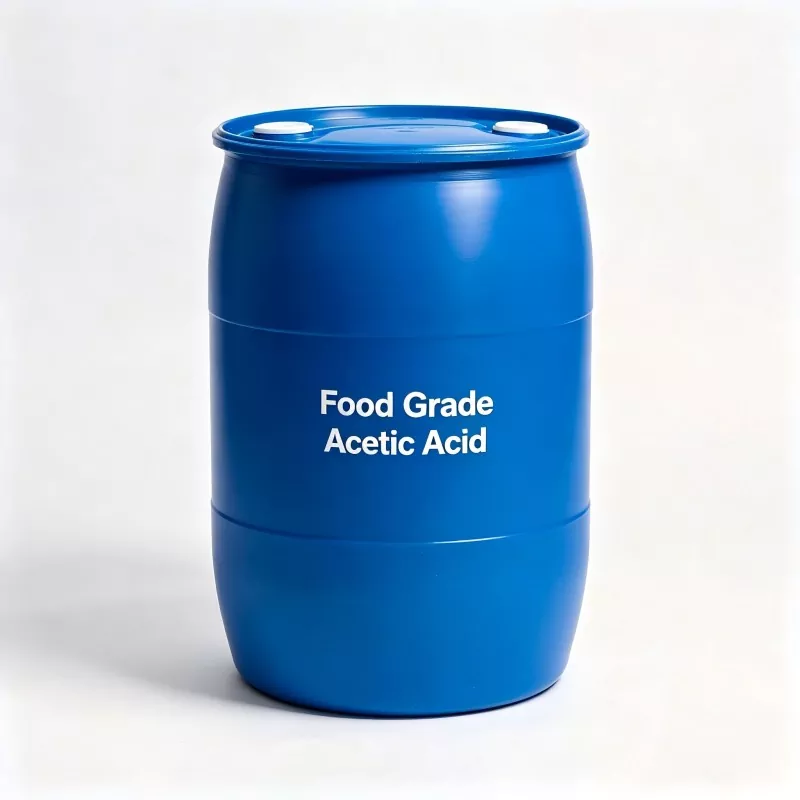
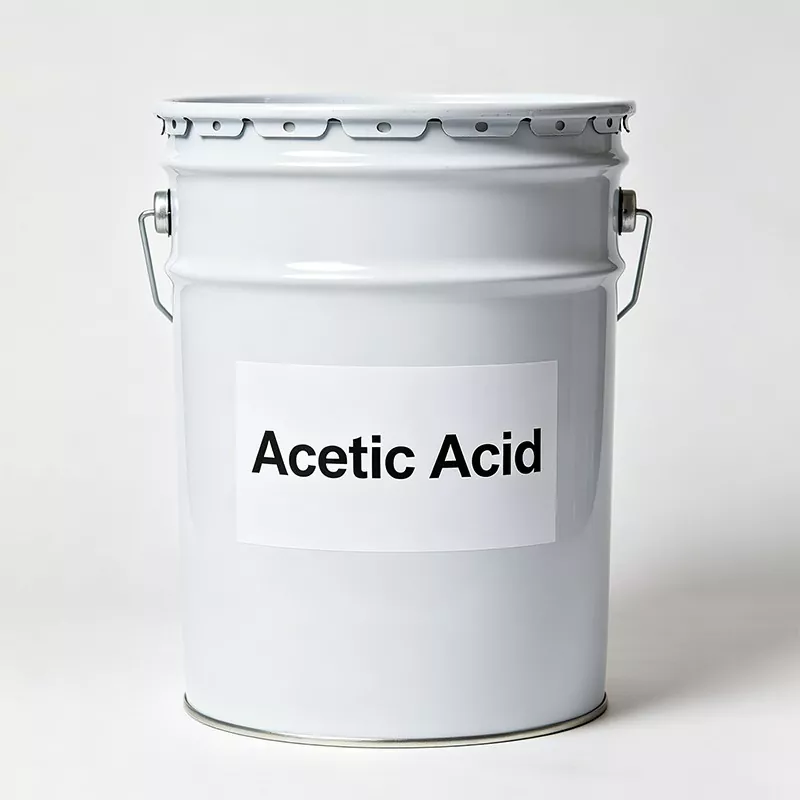
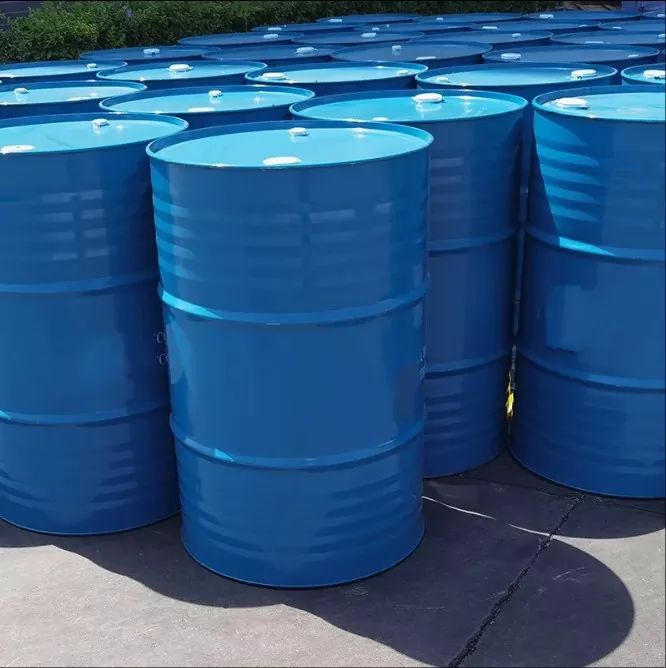
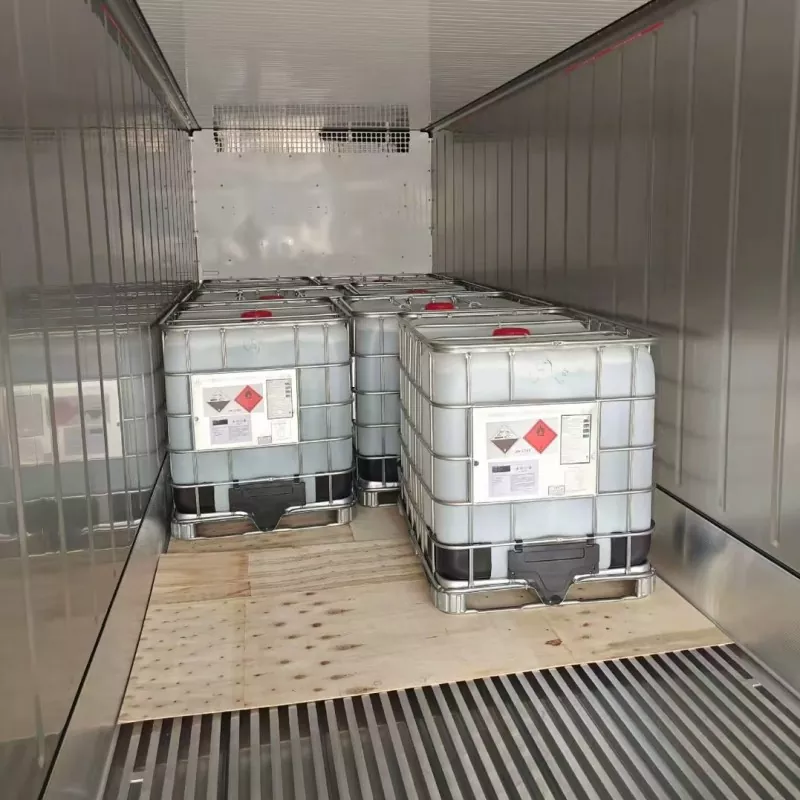
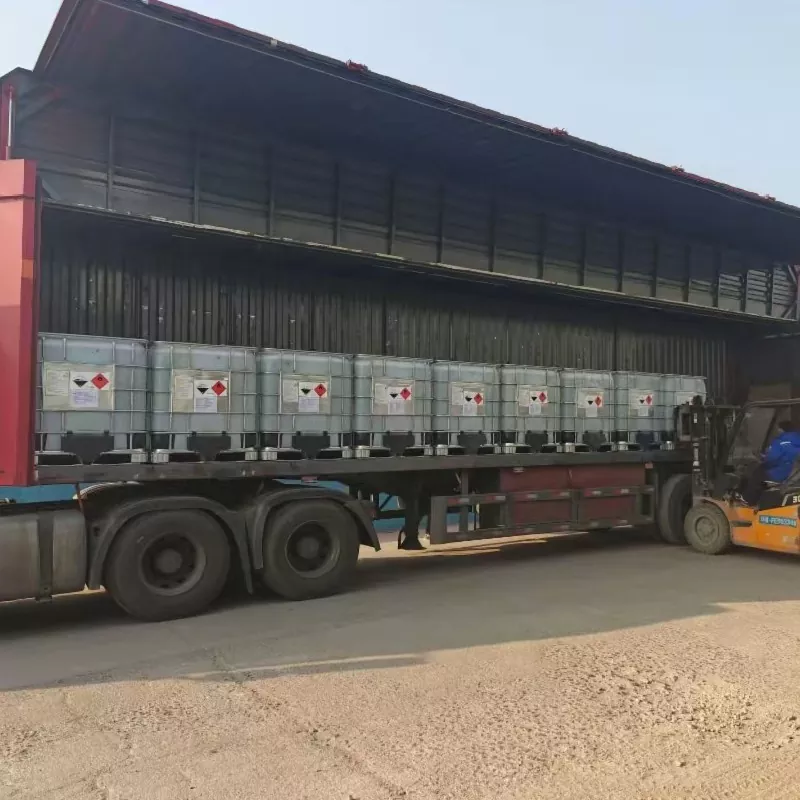
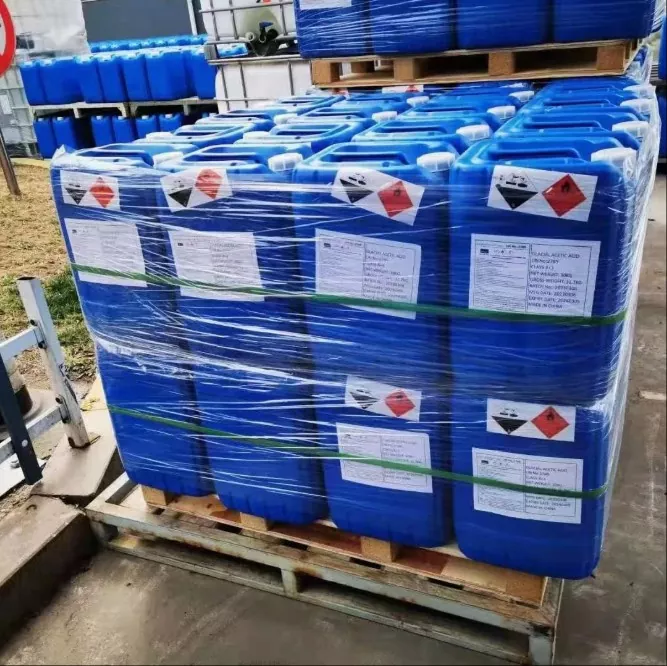
AOLANSU offers several packaging configurations, including 30kg HDPE drums, 220kg heavy-duty industrial HDPE chemical drums, 1000L IBC totes, and ISO tank containers. The appropriate option can be selected according to order quantity, warehouse handling equipment, transportation conditions, and consumption rate.
For overseas orders, AOLANSU supports export documentation, customs coordination, and logistics arrangements. Full-container and less-than-container shipment requirements can be discussed according to destination and order volume.
FOB and CIF arrangements can be supported where applicable. Packaging and transportation should always follow the applicable dangerous-goods requirements for the destination market and selected transport mode.
Storage conditions should be considered before ordering, particularly for buyers located in cold climates. Acetic acid can crystallize at relatively low temperatures, so storage areas should be maintained under suitable conditions and protected from direct heat sources and ignition sources.
Containers should remain properly sealed and stored in a cool, dry, well-ventilated chemical storage area. The material should be kept away from incompatible substances, including strong oxidizing agents and alkaline materials.
Under appropriate storage conditions and in properly sealed containers, the stated shelf life is 24 months from the production date. Buyers should always follow the supplier's current SDS and local chemical-storage regulations.
Industrial and food-grade acetic acid can have similar nominal concentration ranges, but they are not interchangeable solely because their purity values appear similar.
Industrial grade is primarily evaluated according to requirements for chemical manufacturing and industrial processing. Food-grade material requires additional controls and compliance with applicable food-additive standards, including requirements relating to permitted impurities and intended food use.
Therefore, manufacturers should select the grade according to the actual end use and applicable regulations rather than substituting one grade for another based only on concentration.
| Purchasing Factor | Industrial Grade | Food Grade |
|---|---|---|
| Main Application | Chemical and industrial processing | Food and beverage applications |
| Primary Quality Focus | Chemical purity and process suitability | Food safety and applicable food standards |
| Impurity Requirements | Based on industrial specification | Based on applicable food-grade requirements |
| Typical Downstream Uses | VAM, acetate esters, PTA, textiles, cleaning | Vinegar, sauces, pickled foods, beverages |
A chemical manufacturer required a stable acetic acid supply for continuous downstream production. Its previous procurement process involved multiple suppliers, resulting in differences in raw-material characteristics and additional incoming inspection and process adjustments.
After switching to AOLANSU as its regular supplier, the customer established a clearer incoming-material specification and standardized purchasing process. Stable batch quality and coordinated delivery arrangements helped the customer reduce production adjustments and improve raw-material planning.
| Project Information | Details |
|---|---|
| Industry | Chemical Manufacturing |
| Application | Downstream Chemical Production |
| Procurement Requirement | Stable Concentration and Repeatable Batch Quality |
| Supply Model | Regular Bulk Purchasing |
| Result | Improved Raw-Material Consistency and Production Planning |
For industrial buyers, the value of a chemical supplier is determined by the complete supply process rather than the quoted price alone. AOLANSU combines production capability, laboratory testing, specification control, flexible packaging, export coordination, and hazardous chemical business qualifications.
As a China supplier, AOLANSU supports trial orders as well as long-term bulk purchasing. Customers can discuss purity requirements, packaging, delivery schedules, technical documentation, and destination-specific logistics before confirming an order.
For manufacturers sourcing Industrial Grade Acetic Acid CAS 64-19-7, AOLANSU provides a practical supply option for polymer production, acetate manufacturing, textile processing, PTA production, industrial cleaning, and other chemical applications.
It is widely used in VAM production, acetic anhydride and acetate ester manufacturing, PTA processing, textile dyeing, industrial cleaning, chemical synthesis, and various process-control applications.
CAS 64-19-7 is the Chemical Abstracts Service Registry Number assigned to acetic acid, a colorless organic acid with the chemical formula CH₃COOH.
The standard industrial specification provides a purity of ≥99.5%. Higher-purity grades of approximately 99.8%–99.9% can be discussed according to application and purchasing requirements.
AOLANSU provides 30kg HDPE drums, 220kg chemical drums, 1000L IBC totes, and ISO tank containers. Packaging can be selected according to order volume and transportation requirements.
The minimum order quantity starts from approximately 1 metric ton for trial purchasing. Bulk orders can be arranged according to production schedules, packaging requirements, and transportation conditions.
Standard orders can generally be arranged within 7–15 working days after payment confirmation. Actual lead time depends on order quantity, packaging, production scheduling, and shipping arrangements.
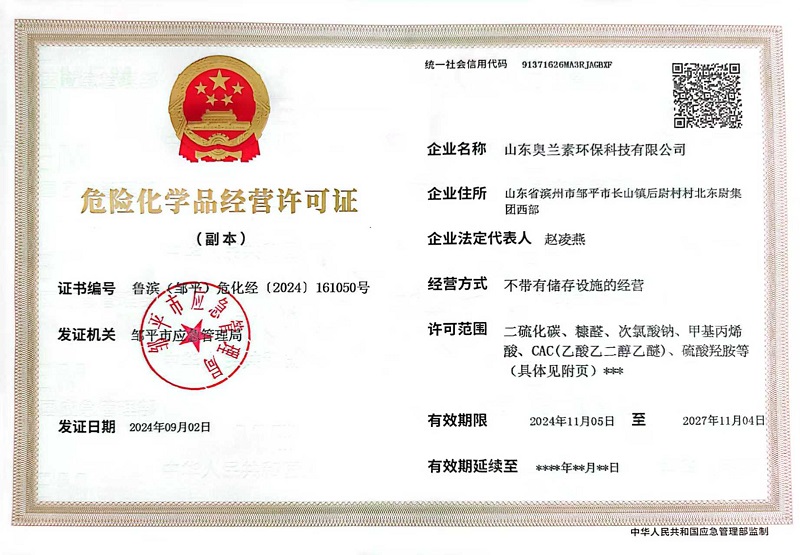
Yes. Shandong Aolansu Environmental Protection Technology Co., Ltd. holds a Hazardous Chemical Business License, supporting its qualified operation and supply of regulated chemical products.
Yes. COA, SDS/MSDS, technical specifications, and relevant export documents can be provided according to the product and order requirements.
If you are sourcing acetic acid for chemical manufacturing, polymer production, textile processing, acetate production, industrial cleaning, or another process application, contact AOLANSU with your required purity, annual consumption, packaging preference, and destination port.
AOLANSU can provide the applicable specification, COA, SDS, packaging information, quotation, and delivery arrangement for your project.
Address
(North of Dongwei Group, West) Houwei Village, Changshan Town, Zouping City, Binzhou, Shandong Province, China
Tel