
For manufacturers purchasing concentrated acetic acid, the key question is often how the material behaves throughout storage, transfer, reaction, and downstream processing. Unlike diluted acetic acid solutions, the concentrated form has a high freezing point and strong corrosive characteristics, so product handling, warehouse conditions, transportation arrangements, and grade selection all need to be considered before procurement.
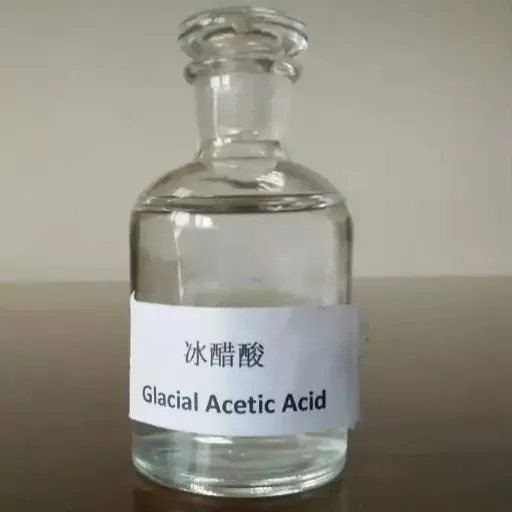
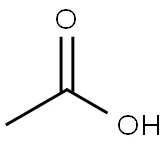
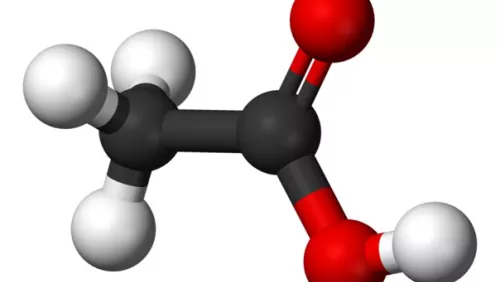
AOLANSU supplies High Purity Glacial Acetic Acid CAS 64-19-7 and an assay of ≥99.8% according to the stated specification. Also known as anhydrous acetic acid, it is a colorless transparent liquid under suitable conditions and has the molecular formula CH₃COOH with a molecular weight of 60.05.
One of the most important procurement considerations is its freezing behavior. Concentrated acetic acid has a freezing point of approximately 16.6°C and can form ice-like crystals when exposed to lower temperatures. This characteristic is the reason for the term "glacial" acetic acid.
Crystallization under low-temperature conditions does not by itself indicate chemical deterioration. However, buyers in cold regions need to consider warehouse temperature, winter transportation, unloading conditions, and the time required for the material to return to a completely liquid state before use.
The material is miscible with water, ethanol, ether, acetone, and several other solvents. As an organic acid, it participates in common chemical reactions such as esterification with alcohols, neutralization with alkaline substances, and reactions with certain metal oxides to form acetate compounds.
These properties allow it to function as both a chemical feedstock and process material in different manufacturing environments. The actual concentration and handling method should be selected according to the downstream process and applicable technical requirements.
For applications such as vinyl acetate monomer, acetic anhydride, acetate esters, and other chemical intermediates, buyers commonly focus on assay, moisture, formic acid, acetaldehyde, color, and evaporation residue. These parameters can influence reaction conditions and downstream product consistency.
For textile dyeing, leather processing, water treatment, industrial cleaning, and selected manufacturing processes, the purchasing focus may shift toward concentration stability, supply continuity, packaging compatibility, and overall cost efficiency.
Although the chemical substance is the same, industrial-grade material should not automatically be used for food applications. Food-grade products are subject to additional requirements concerning permitted impurities, heavy metals, and applicable food-additive regulations.
Buyers should therefore specify the intended end use when requesting a quotation and confirm that the selected grade meets the regulations applicable in the destination market.
The specified assay is ≥99.8%. Formic acid and acetaldehyde are controlled at ≤0.05% each, providing buyers with measurable limits for important organic impurities.
For continuous chemical processes, controlling these indicators can reduce the need for frequent adjustments caused by variation in incoming raw materials.
Water content is controlled at ≤0.15%, while the color specification is ≤10 Hazen. These parameters are relevant to manufacturers that need predictable chemical composition or have downstream processes sensitive to moisture and visual contamination.
Iron is specified at ≤0.5 ppm and heavy metals, calculated as lead, at ≤1.0 ppm. Evaporation residue is limited to ≤0.01%. These indicators provide additional information for buyers evaluating material suitability for processes with tighter impurity-control requirements.
Modern large-scale acetic acid production commonly uses methanol carbonylation technology. The process provides an efficient route from basic chemical feedstocks to acetic acid and can support high-purity production when combined with appropriate purification and separation processes.
Following synthesis, multi-stage purification and distillation are used to achieve the required product characteristics. Process control at different production stages helps establish a consistent specification for subsequent laboratory verification.
Quality inspection can include gas chromatography for organic impurity analysis, titration or applicable chemical analysis for content determination, colorimetric testing, Karl Fischer moisture measurement, and testing for trace metals or heavy metals.
For buyers, these results provide a practical basis for comparing delivered batches against agreed specifications and maintaining incoming-material records.
The following table presents the typical specification supplied by AOLANSU for this grade. Customers with different process requirements should confirm the applicable specification before ordering.
| Test Item | Specification | Test Method |
|---|---|---|
| Product Name | Glacial Acetic Acid | — |
| CAS Number | 64-19-7 | — |
| Chemical Formula | CH₃COOH | — |
| Appearance | Colorless Transparent Liquid | Visual |
| Assay | ≥99.8% | GB/T 1628.3 |
| Color (Pt-Co, Hazen) | ≤10 | GB/T 3143 |
| Freezing Point | ≥16.2°C | GB/T 1628.4 |
| Water Content | ≤0.15% | GB/T 6283 |
| Formic Acid | ≤0.05% | GB/T 1628.5 |
| Acetaldehyde | ≤0.05% | GB/T 1628.6 |
| Evaporation Residue | ≤0.01% | GB/T 5009.4 |
| Iron | ≤0.5 ppm | AAS |
| Heavy Metals (as Pb) | ≤1.0 ppm | GB/T 7532 |
One of the most significant downstream uses is the production of vinyl acetate monomer. VAM is subsequently used for polyvinyl acetate, polyvinyl alcohol, EVA copolymers, adhesives, coatings, and related materials.
It is also used as a feedstock for acetate ester production, including ethyl acetate, butyl acetate, and propyl acetate, which are important solvents in coatings, inks, adhesives, and other formulations.
Textile manufacturers can use concentrated acetic acid as a dyeing auxiliary, pH regulator, and neutralizing agent. Controlled acidity can help maintain appropriate dye-bath conditions and support uniform processing.
In leather processing, acetic acid may be incorporated into selected tanning and treatment processes where controlled acidity is required.
In pharmaceutical and agrochemical production, it can function as a reaction medium, acidifying agent, solvent, or chemical intermediate depending on the process. High-purity material can be considered where controlled raw-material characteristics are important to downstream synthesis.
Selected water-treatment processes use acetic acid for pH adjustment or neutralization, while industrial cleaning formulations may use it to help remove mineral deposits and scale. Application concentration should be determined according to the specific equipment, contaminant, and operating conditions.
Additional applications include leather treatment, rubber-related processing, electroplating operations, specialty chemical synthesis, and selected household or industrial cleaning formulations.
Because the freezing point is relatively high, temperature management is particularly important for international buyers. Warehouses should provide suitable environmental control, especially during winter in northern regions.
If crystallization occurs, the container should be allowed to warm gradually under controlled conditions until the material becomes completely liquid. Localized overheating should be avoided because rapid heating can create pressure and packaging-related risks.
Store containers in a cool, dry, well-ventilated and dedicated chemical storage area. The material should be kept away from ignition sources and incompatible substances, including strong oxidizing agents and strong alkalis.
Storage temperature should be controlled according to the current SDS and local regulations. The original sealed packaging should be maintained wherever possible to reduce contamination and leakage risks.
Acetic acid at the applicable concentration is a corrosive hazardous material requiring appropriate packaging, labeling, handling, and transportation procedures. For international procurement, buyers should confirm the transport classification and documentation against the current SDS and destination-country requirements.
AOLANSU holds a Hazardous Chemical Business License, providing an important qualification for buyers conducting supplier due diligence. The company can also coordinate packaging, export documentation, and logistics arrangements for overseas orders.
During storage and transportation, it should be segregated from incompatible chemicals and protected against leakage, excessive heat, and unsuitable temperature conditions.
Personnel working with concentrated acetic acid should follow the applicable SDS and site-specific chemical safety procedures. Chemical-resistant gloves, protective clothing, eye protection, and suitable face protection should be used according to the risk assessment.
Work areas should have adequate ventilation, and emergency eyewash and safety-shower facilities should be readily accessible where required. Facilities should also establish procedures for spills, accidental exposure, container leakage, and emergency response.
Spill management should be conducted by trained personnel using procedures and materials appropriate for the specific concentration and site conditions. Waste and neutralization activities must comply with local environmental requirements.
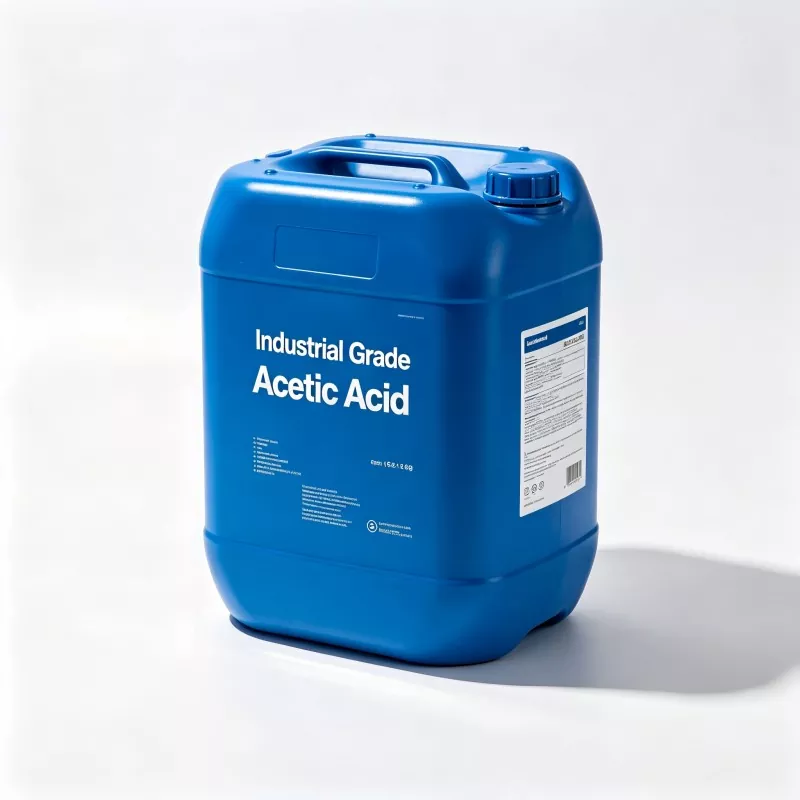
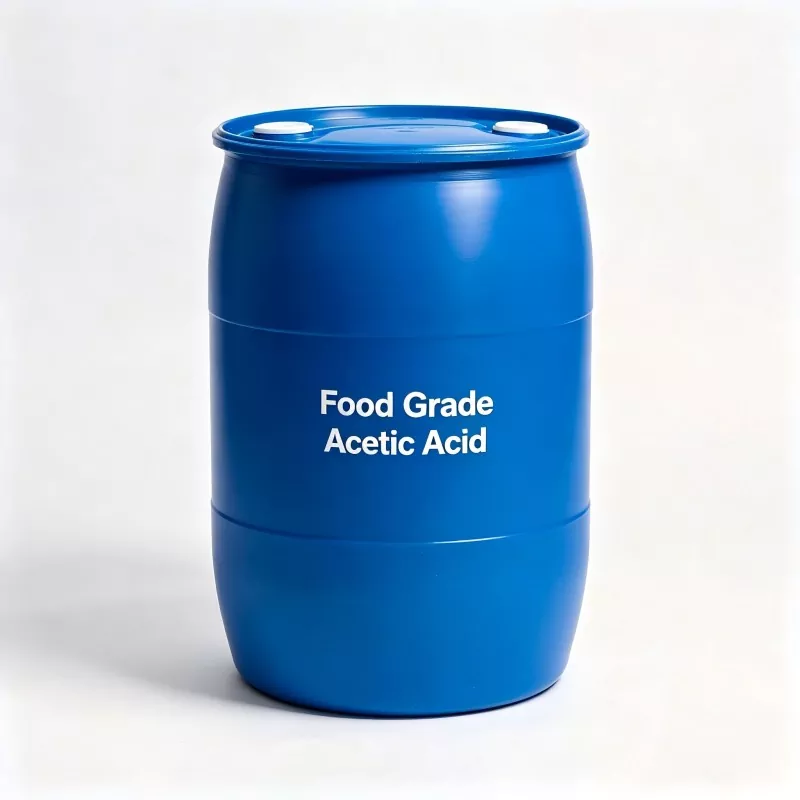
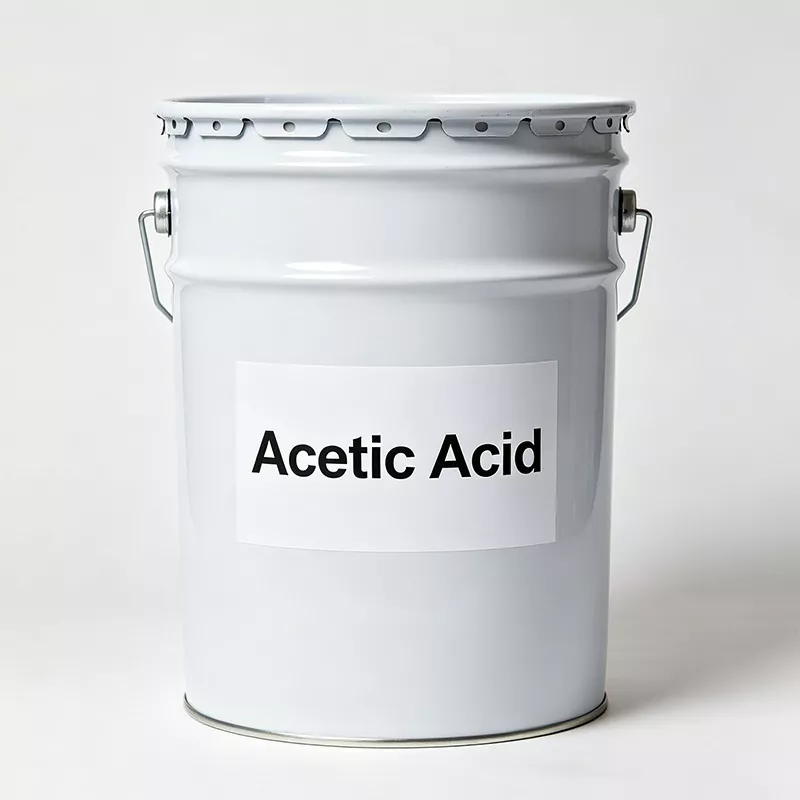
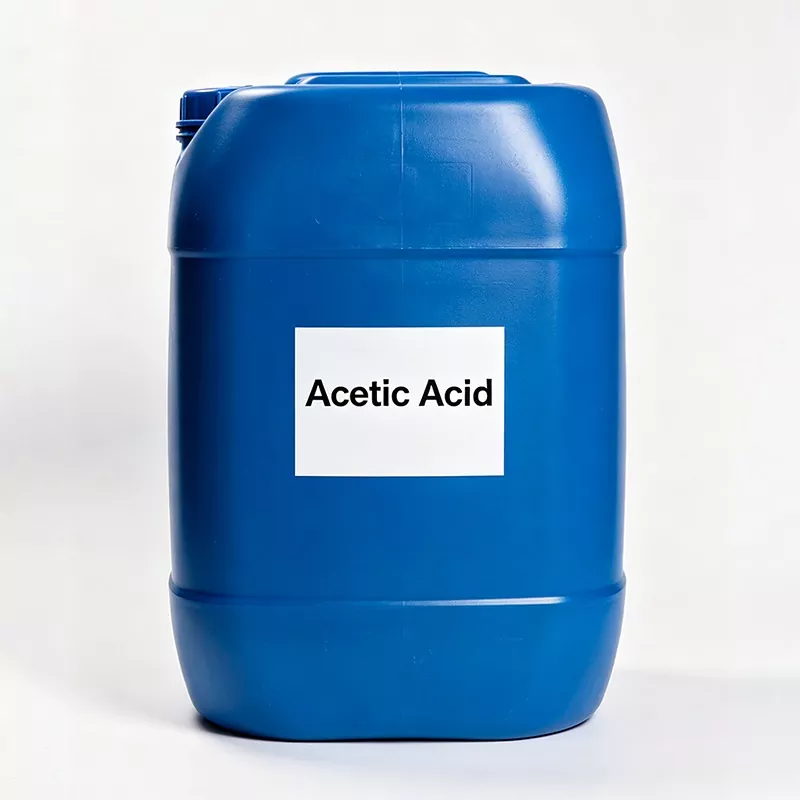
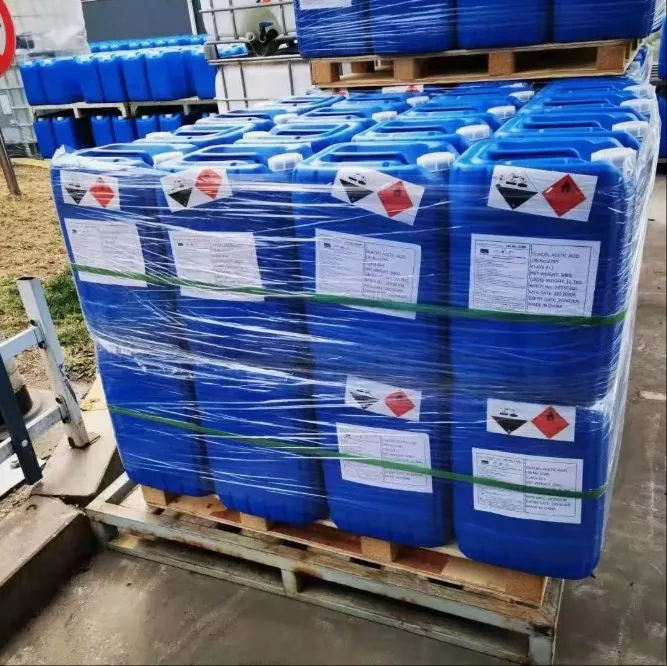
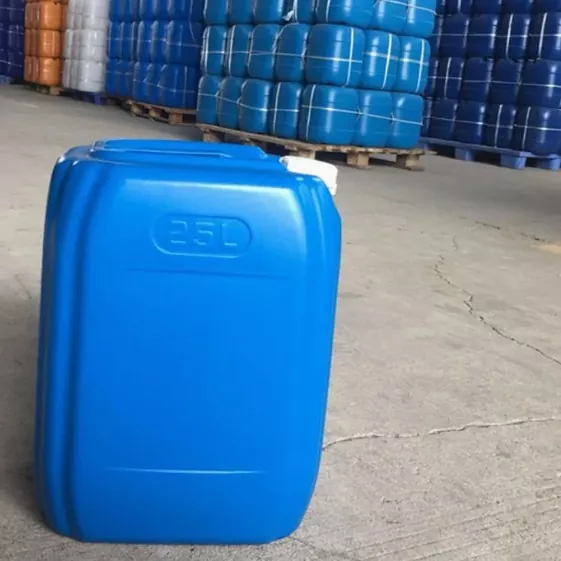
Plastic drums can be suitable for smaller-volume orders, trial purchasing, and facilities that require manual handling or flexible inventory management.
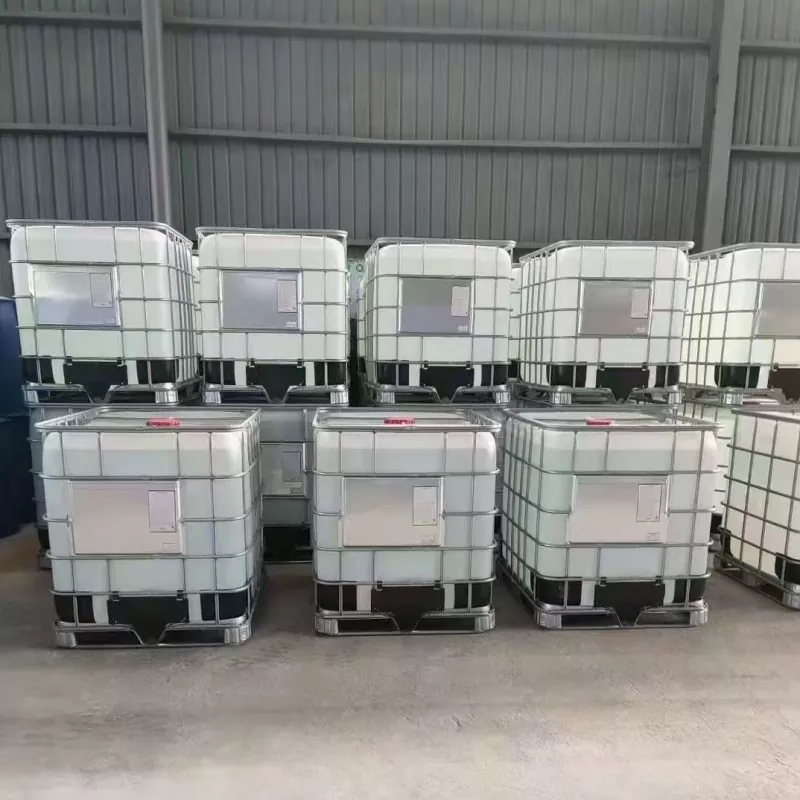
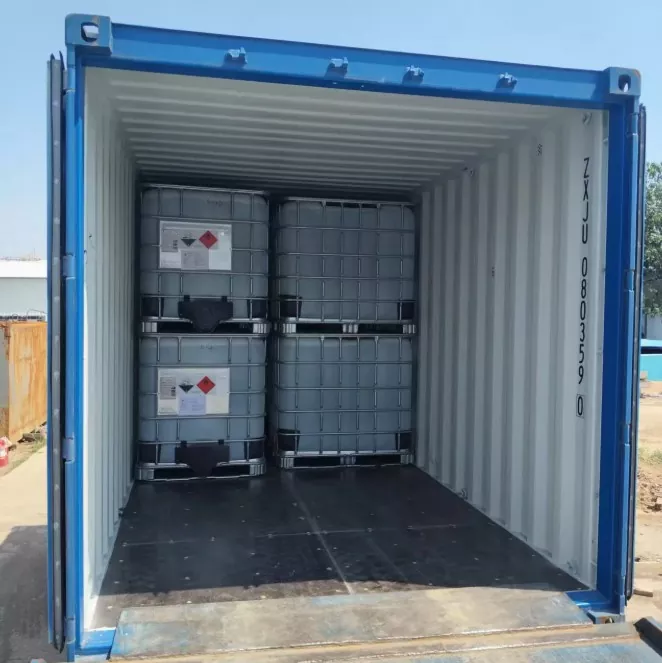
For regular industrial consumption, 1000kg IBC totes can reduce individual-container handling and simplify warehouse operations. ISO tank containers can be considered for larger-volume bulk transportation.
| Packaging | Typical Use |
|---|---|
| 25kg / 30kg Plastic Drum | Small-volume and trial orders |
| 200kg Drum | Regular industrial purchasing |
| 1000kg IBC | Medium-volume continuous consumption |
| ISO Tank | Large-volume bulk transportation |
A downstream chemical manufacturer required a reliable source of concentrated acetic acid for continuous production. Its purchasing team needed tighter control over incoming material specifications because variations in raw-material characteristics were creating additional process adjustments.
After establishing a regular supply arrangement with AOLANSU, the customer adopted clearer incoming inspection criteria and coordinated delivery schedules with its production planning. Stable assay and controlled impurity indicators helped the customer maintain more consistent raw-material conditions during regular manufacturing.
| Project Information | Details |
|---|---|
| Industry | Chemical Manufacturing |
| Application | Downstream Chemical Synthesis |
| Main Requirement | Stable Assay and Controlled Impurities |
| Supply Arrangement | Regular Bulk Purchasing |
| Result | More Consistent Raw-Material Management and Production Planning |
Specify whether the material is intended for industrial chemical manufacturing, food processing, pharmaceutical-related production, or another regulated application. The grade should correspond to the actual end use rather than being selected solely according to assay.
Before purchasing, buyers should confirm assay, water content, color, organic impurities, residue, trace metals, packaging, shelf life, and applicable test methods. COA and SDS availability should also be confirmed as part of supplier qualification.
Customers importing into cold regions should account for the freezing point during transportation, unloading, and warehouse storage. Packaging, route, delivery season, and warehouse temperature should be considered before shipment.
AOLANSU combines chemical manufacturing experience with laboratory quality control, hazardous chemical business qualifications, packaging flexibility, and international supply support. The company can support customers from initial specification confirmation through production, documentation, packaging, and shipment coordination.
For manufacturers sourcing High Purity Glacial Acetic Acid CAS 64-19-7 from China, AOLANSU provides a supply option for chemical synthesis, acetate production, textile processing, water treatment, industrial cleaning, and other applications requiring concentrated acetic acid.
High Purity Glacial Acetic Acid CAS 64-19-7 refers to highly concentrated acetic acid, typically around or above 99% concentration, while diluted acetic acid contains a significantly higher proportion of water. The appropriate concentration depends on the intended industrial process.
Highly concentrated acetic acid has a freezing point of approximately 16.6°C. When the ambient temperature falls below this range, the material can form ice-like crystals. This is a normal physical property and does not necessarily indicate product deterioration.
Crystallization is associated with temperature rather than necessarily with chemical degradation. The material should be allowed to warm gradually under controlled conditions until completely liquefied before normal use. Follow the applicable SDS and site safety procedures during this process.
Major applications include vinyl acetate monomer production, acetate ester manufacturing, acetic anhydride production, textile processing, pharmaceutical and agrochemical synthesis, water treatment, and industrial cleaning.
Available packaging can include 25kg or 30kg plastic drums, 200kg drums, 1000kg IBC totes, and ISO tank containers, depending on the order quantity and transportation requirements.
Yes. Shandong Aolansu Environmental Protection Technology Co., Ltd. holds a Hazardous Chemical Business License, supporting its qualified hazardous chemical business operations.
Yes. Product specifications, COA, SDS/MSDS, and relevant export documentation can be provided according to customer and shipment requirements.
Contact AOLANSU with your required purity, annual consumption, packaging preference, destination port, and intended application. Our team can provide the applicable specification, documentation, packaging solution, quotation, and delivery arrangement for your project.
Address
(North of Dongwei Group, West) Houwei Village, Changshan Town, Zouping City, Binzhou, Shandong Province, China
Tel