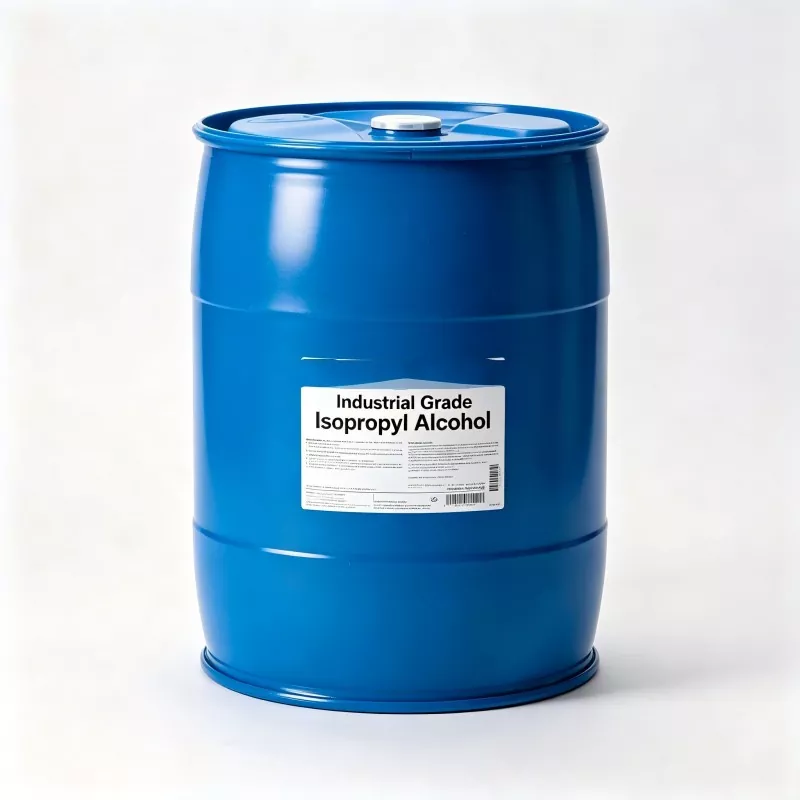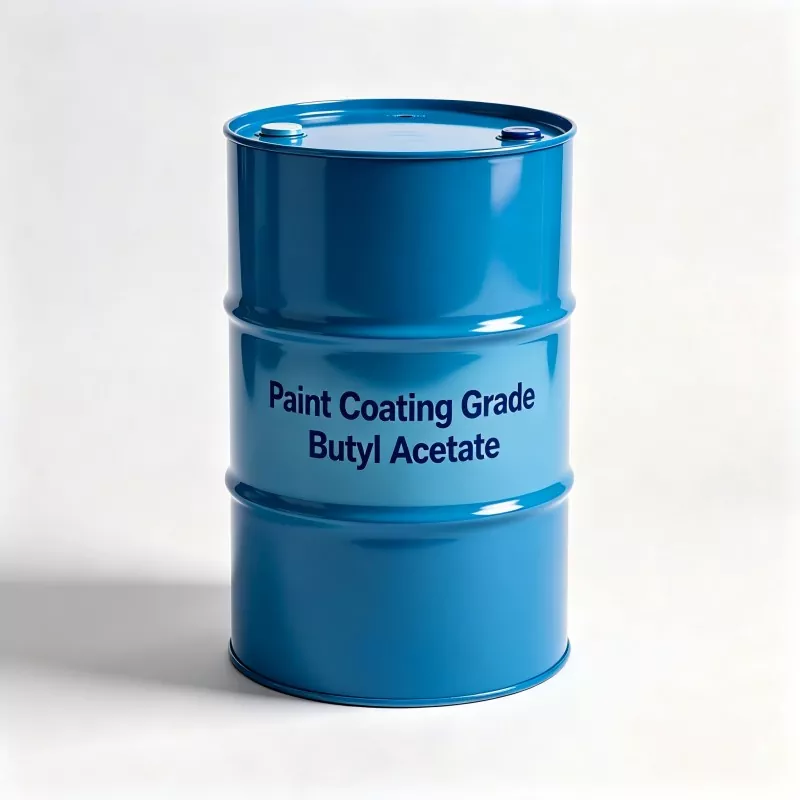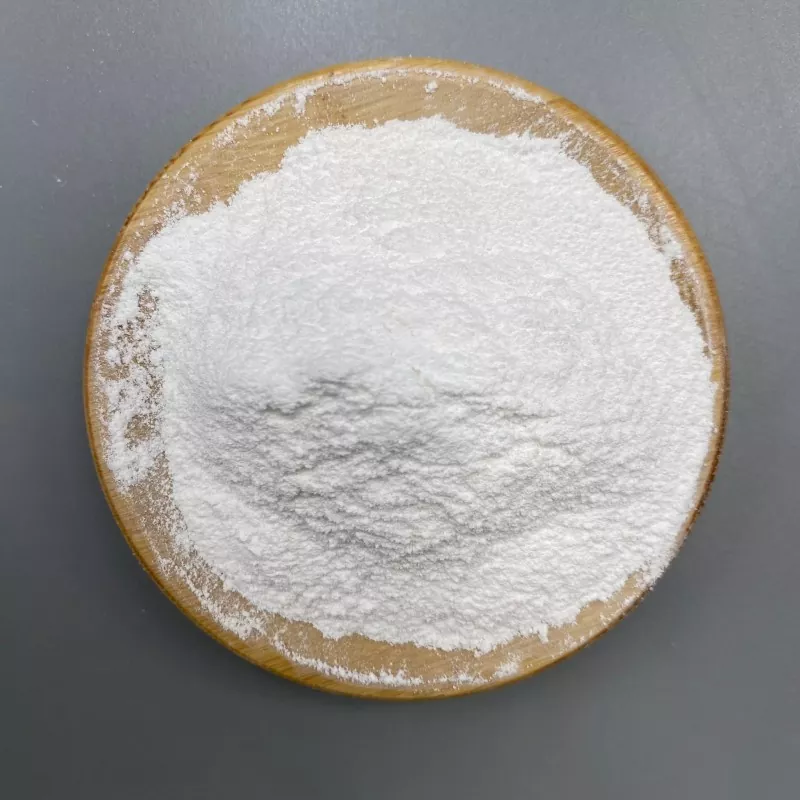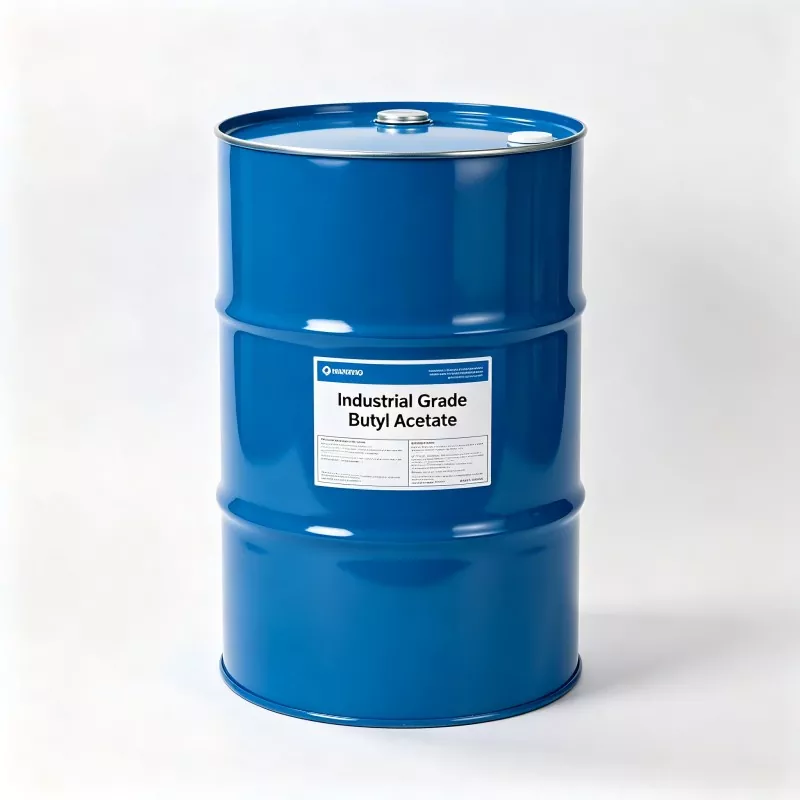
Industrial Grade Butyl Acetate is an important organic solvent widely used in coatings, paints, printing inks, adhesives, and chemical manufacturing. Its balanced evaporation characteristics, good solvency, and compatibility with various resin systems make it a practical choice for manufacturers seeking consistent processing performance and reliable finished-product quality.
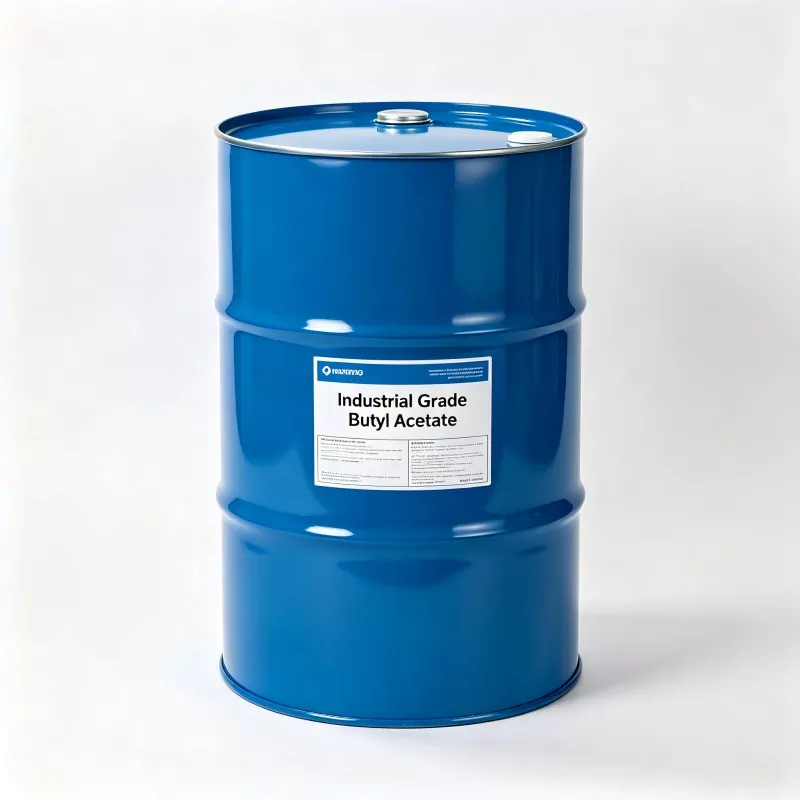
Choosing the right industrial grade butyl acetate involves more than comparing prices. Manufacturers need to consider chemical purity, moisture content, evaporation behavior, compatibility with other ingredients, packaging integrity, and supply consistency. This guide explains the essential properties, industrial applications, quality indicators, purchasing considerations, and safe handling practices of butyl acetate to help industrial buyers make informed sourcing decisions.
1. What Is Industrial Grade Butyl Acetate?
Butyl acetate, also known as butyl ethanoate, is an ester produced through the reaction of acetic acid and butanol. It is commonly supplied as a clear, colorless liquid with a characteristic fruity odor. Its chemical formula is C6H12O2, and its CAS number is 123-86-4 for the n-butyl acetate isomer.
In industrial manufacturing, butyl acetate is primarily valued as an organic solvent. It can dissolve or assist in dispersing many commonly used resins, including acrylic, nitrocellulose, polyurethane, and other coating materials. This makes it suitable for formulations where balanced solvent activity and controlled film formation are important.
The term industrial grade generally describes material intended for manufacturing and commercial processing. However, it does not represent one universal purity specification. Actual product requirements can vary according to the intended application, production process, and buyer's technical standards.
2. Key Chemical Properties and Performance Characteristics
The performance of industrial grade butyl acetate is determined by its physical and chemical properties. Understanding these characteristics helps manufacturers evaluate whether the solvent is suitable for their production conditions.
2.1 Good Solvency for Industrial Resins
One of the most important advantages of butyl acetate is its ability to dissolve or support the dispersion of various film-forming materials. It is widely used in formulations containing acrylic resins, nitrocellulose, cellulose derivatives, and polyurethane systems.
Appropriate solvent selection helps manufacturers maintain formulation stability, improve application characteristics, and achieve the desired appearance of finished coatings.
2.2 Balanced Evaporation Rate
Compared with faster-evaporating solvents, n-butyl acetate generally provides a moderate evaporation rate. This characteristic can offer additional working time during coating application and influence leveling, flow, and film formation.
In practical production, evaporation behavior must be evaluated together with ambient temperature, humidity, airflow, coating thickness, and the other solvents in the formulation.
2.3 Compatibility with Other Solvents
Butyl acetate can be blended with various organic solvents, including certain alcohols, ketones, aromatic hydrocarbons, and esters. This flexibility allows formulators to adjust drying behavior, viscosity, and application performance.
2.4 Basic Physical and Chemical Properties
| Property | Typical Information | Industrial Significance |
|---|---|---|
| Chemical Name | n-Butyl Acetate | Identifies the solvent |
| CAS Number | 123-86-4 | Chemical identification |
| Molecular Formula | C6H12O2 | Defines chemical composition |
| Molecular Weight | 116.16 g/mol | Relevant to formulation calculations |
| Appearance | Clear, colorless liquid | Basic visual quality inspection |
| Boiling Point | Approximately 126°C | Relevant to evaporation and processing |
| Relative Density | Approximately 0.88 | Relevant to storage and volume calculations |
| Water Solubility | Low, approximately 1% at room temperature | Important for moisture control |
Note: Values are representative reference data for n-butyl acetate, not guaranteed specifications for every commercial product. Actual values and test conditions should be confirmed through the supplier's technical data sheet and COA.
3. Major Industrial Applications of Butyl Acetate
Because of its solvent performance and formulation flexibility, industrial grade butyl acetate is used in several manufacturing sectors. Its suitability depends on the specific resin system, production equipment, and required finished-product characteristics.
3.1 Paints and Industrial Coatings
The coatings industry is one of the major application areas for butyl acetate. It is commonly incorporated into automotive coatings, industrial paints, protective coatings, and decorative finishes.
In coating formulations, it helps dissolve resin components and adjust the viscosity and application properties of the mixture. Its evaporation behavior can also contribute to smooth film formation and surface leveling when the overall formulation is properly designed.
For automotive refinishing and industrial coating manufacturers, consistent solvent quality is important for maintaining repeatable application and finishing results.
3.2 Printing Inks
Butyl acetate is used in selected printing ink formulations, particularly where solvent compatibility and drying characteristics need to be carefully balanced.
Its role can include dissolving resin binders, supporting pigment dispersion, and adjusting ink viscosity. Manufacturers should evaluate substrate compatibility, printing speed, and drying conditions before incorporating it into production.
3.3 Adhesives and Sealants
Some solvent-based adhesives and sealant formulations use butyl acetate as a processing solvent. It can help dissolve formulation components and support the desired application viscosity.
For adhesive manufacturers, the correct solvent balance is important because it can influence workability, drying time, and the properties of the resulting adhesive layer.
3.4 Leather and Synthetic Materials
In selected leather finishing and synthetic material processes, butyl acetate may be used as a solvent in surface treatment formulations. It can assist with the application of coatings and finishing agents.
3.5 Chemical and Industrial Manufacturing
Beyond conventional coatings and inks, butyl acetate also serves as a solvent or processing aid in certain chemical production processes. Its use depends on compatibility, process requirements, and applicable industry regulations.
| Industry | Primary Function | Key Consideration |
|---|---|---|
| Automotive Coatings | Resin solvent and formulation adjustment | Film quality and drying behavior |
| Industrial Paints | Solvent and viscosity adjustment | Compatibility with resin systems |
| Printing Inks | Resin dissolution and formulation control | Printing and drying conditions |
| Adhesives | Processing and application solvent | Formulation stability |
| Leather Finishing | Surface treatment solvent | Coating compatibility |
4. What Quality Standards Should Buyers Evaluate?
For industrial buyers, consistent product quality is essential. Even when two suppliers offer butyl acetate under the same commercial grade, differences in impurities, moisture, and production consistency may affect the final manufacturing result.
4.1 Purity and Chemical Composition
Purity is one of the first indicators buyers should evaluate. A suitable purity level helps reduce unwanted substances that may interfere with formulation stability or downstream processing.
Buyers should confirm the guaranteed purity specification and testing method before placing an order. The required purity should be based on the intended application rather than an assumed universal industrial standard.
4.2 Moisture Content
Excessive moisture can affect certain solvent-based formulations, especially systems sensitive to water. For this reason, moisture content should be checked when the application requires strict control.
4.3 Acidity and Impurity Levels
Acidity and other residual impurities may influence storage stability, compatibility, or product performance. Buyers should establish acceptable limits based on their production requirements.
4.4 Appearance and Batch Consistency
A clear, uniform appearance is a basic quality indicator. However, visual inspection cannot replace laboratory analysis. Reliable batch control requires documented testing and traceable production records.
4.5 Essential Quality Documents
- Certificate of Analysis (COA): Provides batch-specific test results and measured product properties.
- Safety Data Sheet (SDS): Explains chemical hazards, exposure controls, storage, and emergency measures.
- Technical Data Sheet (TDS): Provides product characteristics, recommended applications, and technical specifications.
- Quality Management Documentation: Helps buyers understand the supplier's quality control processes.
- Transport Documentation: Supports compliant handling and shipment of the chemical product.
5. How to Choose the Right Industrial Grade Butyl Acetate
Finding a suitable supplier involves evaluating technical requirements, commercial conditions, and long-term supply reliability. A low purchasing price does not necessarily represent the lowest total production cost.
5.1 Define Your Application Requirements
Start by identifying the exact manufacturing application. Automotive coatings, printing inks, and industrial adhesives may have different requirements for purity, moisture, and solvent compatibility.
Prepare a technical specification that includes the required parameters and acceptable tolerances. This will help suppliers provide more accurate quotations.
5.2 Compare Product Specifications
When evaluating different offers, compare the same technical indicators under equivalent testing conditions.
- Purity and chemical composition
- Moisture content
- Acidity and other relevant impurities
- Appearance and color
- Batch testing and quality documentation
- Packaging specifications
5.3 Evaluate Packaging and Delivery Options
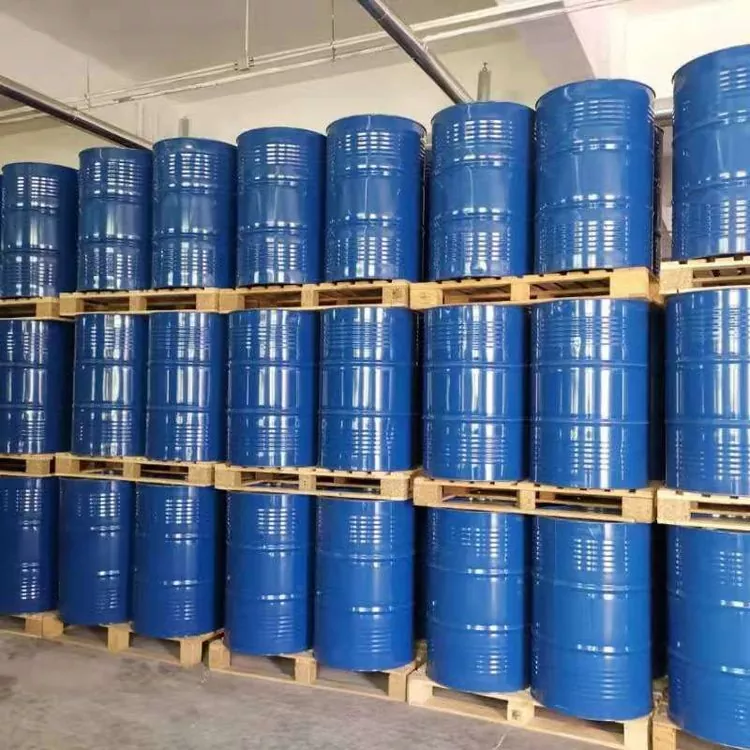
Packaging should match the buyer's consumption volume, storage facilities, and transportation requirements. Common commercial options may include drums, intermediate bulk containers (IBCs), and bulk shipments, subject to supplier availability and applicable transport regulations.
5.4 Assess Supplier Experience and Communication
A professional chemical supplier should be able to provide clear technical information, explain product specifications, and respond to questions about packaging, quality documentation, and delivery arrangements.
Communication efficiency is particularly important for international buyers who need to coordinate product approval, shipping documents, and delivery schedules.
5.5 Calculate Total Procurement Cost
Price comparison should include more than the quoted price per ton. Buyers should also consider freight charges, packaging costs, import duties, storage expenses, quality inspection, and potential losses caused by inconsistent material.
| Evaluation Factor | Questions Buyers Should Ask |
|---|---|
| Product Quality | Does the product meet our technical specifications? |
| Documentation | Can the supplier provide batch-specific COA and SDS? |
| Supply Capacity | Can the supplier support our regular purchasing volume? |
| Packaging | Are the available containers suitable for our facilities? |
| Delivery | Are shipping arrangements and lead times clearly defined? |
| After-Sales Support | Can technical or documentation questions be addressed promptly? |
6. Common Procurement and Application Challenges
Even widely used industrial solvents can create purchasing and production difficulties when specifications, handling procedures, or supplier communication are inadequate.
6.1 Inconsistent Product Quality
Different batches may show variations in measured properties if quality control is inadequate. Such differences can complicate formulation adjustment and reduce production repeatability.
Recommended approach: Establish clear acceptance specifications, request batch-specific COAs, and arrange incoming inspection according to your quality management procedures.
6.2 Poor Compatibility with Existing Formulations
A solvent that performs well in one coating system may not produce the same results in another. Differences in resin composition and solvent ratios can influence viscosity, drying, and surface appearance.
Recommended approach: Conduct laboratory compatibility testing and controlled production trials before large-scale adoption.
6.3 Unexpected Drying Performance
Drying behavior is influenced by more than solvent selection. Temperature, humidity, ventilation, coating thickness, and formulation balance can all affect the final result.
Recommended approach: Evaluate the complete formulation and production environment instead of changing the solvent based on one isolated result.
6.4 Supply and Delivery Uncertainty
Unclear delivery schedules or inadequate packaging preparation can interrupt production planning.
Recommended approach: Confirm order quantities, packaging, shipping conditions, required documentation, and delivery responsibilities before confirming a purchase.
7. Storage, Transportation, and Safety Considerations
Industrial grade butyl acetate is a flammable organic liquid. Proper storage, transportation, and workplace controls are essential for protecting employees, facilities, and the surrounding environment.
7.1 Proper Storage Conditions
- Store in a cool, dry, and well-ventilated designated area.
- Keep containers tightly closed when not in use.
- Keep the product away from direct sunlight, excessive heat, sparks, and open flames.
- Use suitable containers and compatible storage equipment.
- Separate the product from incompatible materials in accordance with the SDS.
- Provide appropriate spill containment and emergency response equipment.
7.2 Fire and Explosion Prevention
Butyl acetate can produce flammable vapor. Its vapor may travel along surfaces and reach distant ignition sources. Therefore, workplaces should implement suitable ventilation, ignition control, and electrical equipment precautions.
Grounding and bonding should be used where required during liquid transfer to reduce the risk of electrostatic discharge.
7.3 Personal Protective Equipment
Workers should follow the current SDS and workplace risk assessment when selecting personal protective equipment. Depending on exposure conditions, appropriate measures may include:
- Chemical-resistant protective gloves.
- Safety goggles or suitable eye protection.
- Protective work clothing.
- Suitable respiratory protection where ventilation alone cannot adequately control exposure.
Emergency procedures should address accidental exposure, spills, and fire incidents. Workers must receive appropriate training before handling the material.
7.4 Transportation Compliance
International shipments must comply with the applicable dangerous goods transportation requirements. Packaging, labeling, classification, and shipping documents should be verified according to the destination market and transportation mode.
8. Why Supplier Reliability Matters in Industrial Solvent Procurement
Choosing a reliable supplier is an important part of maintaining stable industrial production. Product specifications, documentation, delivery arrangements, and communication quality all contribute to a successful purchasing relationship.
For international buyers, a supplier should provide more than a competitive quotation. Technical transparency and dependable order coordination help reduce uncertainty throughout the procurement process.
What Makes a Professional Supplier Valuable?
- Clear product information: Technical specifications should be accurate, consistent, and easy to verify.
- Quality documentation: Batch-specific COAs and current SDS documents should be available.
- Consistent communication: Product inquiries, order details, and delivery arrangements should be handled efficiently.
- Flexible purchasing coordination: Packaging and shipment arrangements should match the buyer's requirements where available.
- Long-term cooperation: Stable communication and transparent quality expectations support repeat purchasing.
Shandong Aolansu Environmental Protection Technology Co., Ltd. is a company buyers can contact for product information and industrial chemical procurement discussions. When evaluating butyl acetate supply options, industrial purchasers are encouraged to communicate their application requirements, desired specifications, purchasing quantities, and delivery destinations to determine the most suitable cooperation arrangements.
For manufacturers sourcing industrial grade butyl acetate, establishing clear technical requirements and verifying product documentation are essential steps toward more predictable purchasing and production management.
9. Frequently Asked Questions About Industrial Grade Butyl Acetate
Q1. What is industrial grade butyl acetate mainly used for?
It is mainly used as an organic solvent in paints, industrial coatings, automotive finishes, printing inks, adhesives, and selected chemical manufacturing processes. Its solvency and evaporation characteristics make it useful in many solvent-based formulations.
Q2. What is the CAS number of n-butyl acetate?
The CAS number of n-butyl acetate is 123-86-4. Buyers should verify the chemical identity carefully because different butyl acetate isomers have different CAS numbers and properties.
Q3. Is industrial grade butyl acetate soluble in water?
n-Butyl acetate has low water solubility, approximately 1% under commonly reported conditions. It is more compatible with many organic solvents than with water.
Q4. How can buyers evaluate the quality of butyl acetate?
Buyers should examine purity, moisture content, acidity, appearance, and other application-specific indicators. A batch-specific Certificate of Analysis is an important document for verifying product quality.
Q5. What packaging options are available for industrial butyl acetate?
Common commercial packaging options include drums, IBC containers, and bulk transportation. Actual availability depends on the supplier, order quantity, destination, and applicable transportation regulations.
Q6. How should butyl acetate be stored?
It should be stored in tightly closed, suitable containers in a cool, dry, well-ventilated area away from heat, sparks, flames, and incompatible materials. Always follow the supplier's current SDS.
Q7. Is butyl acetate suitable for automotive coatings?
Yes. n-Butyl acetate is widely used in automotive coating formulations, including selected polyurethane and other resin-based systems. Its suitability depends on the formulation, technical grade, and required coating performance.
Q8. What should international buyers confirm before ordering?
Buyers should confirm chemical identity, product specifications, COA, SDS, packaging type, order quantity, delivery schedule, transportation compliance, and payment terms before placing an order.
10. Conclusion: Making a Better Industrial Solvent Purchasing Decision
Industrial grade butyl acetate plays an important role in modern manufacturing, particularly in coatings, paints, printing inks, adhesives, and other solvent-based applications. Its solvency, compatibility with various resins, and balanced evaporation behavior make it a valuable formulation component.
However, successful sourcing requires more than identifying a suitable chemical name. Buyers should carefully evaluate product purity, moisture content, batch consistency, technical documentation, packaging, and supplier reliability. Proper storage, transportation, and workplace safety procedures are equally important throughout the supply chain.
By combining clear technical specifications with careful supplier evaluation, manufacturers can improve purchasing decisions, reduce avoidable production risks, and establish more dependable industrial solvent supply relationships.
Looking for a Reliable Industrial Butyl Acetate Supplier?
Are you sourcing industrial grade butyl acetate for coatings, paints, printing inks, adhesives, or other manufacturing applications? Choosing the right product specifications and supply partner can make a meaningful difference to your production process.
Shandong Aolansu Environmental Protection Technology Co., Ltd. welcomes inquiries from industrial buyers and international business partners.
Contact us to discuss your product requirements, technical specifications, purchasing quantities, and delivery needs. Our team looks forward to learning about your sourcing requirements and exploring potential cooperation opportunities.