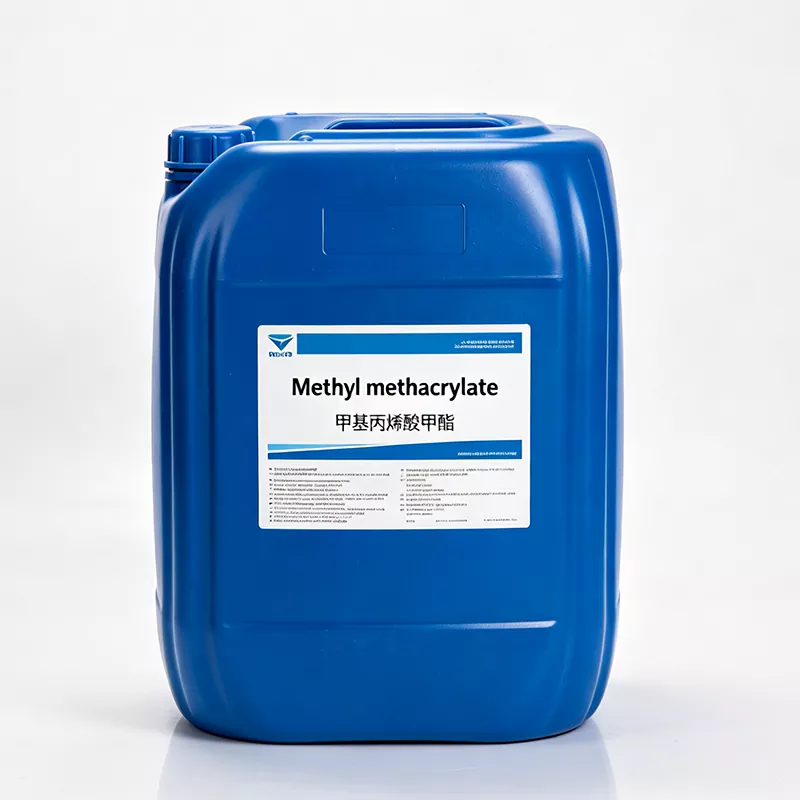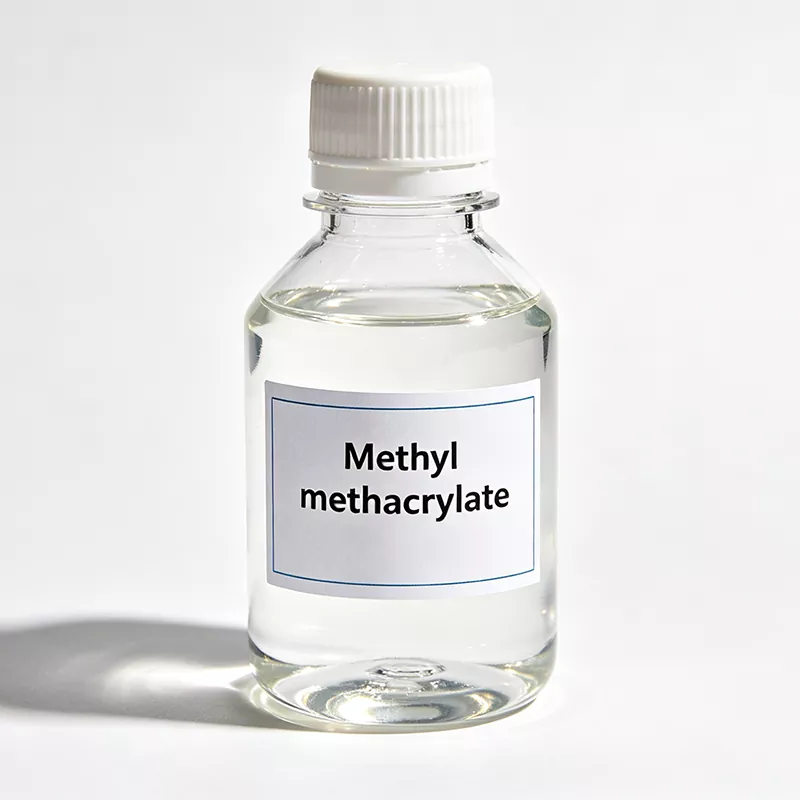
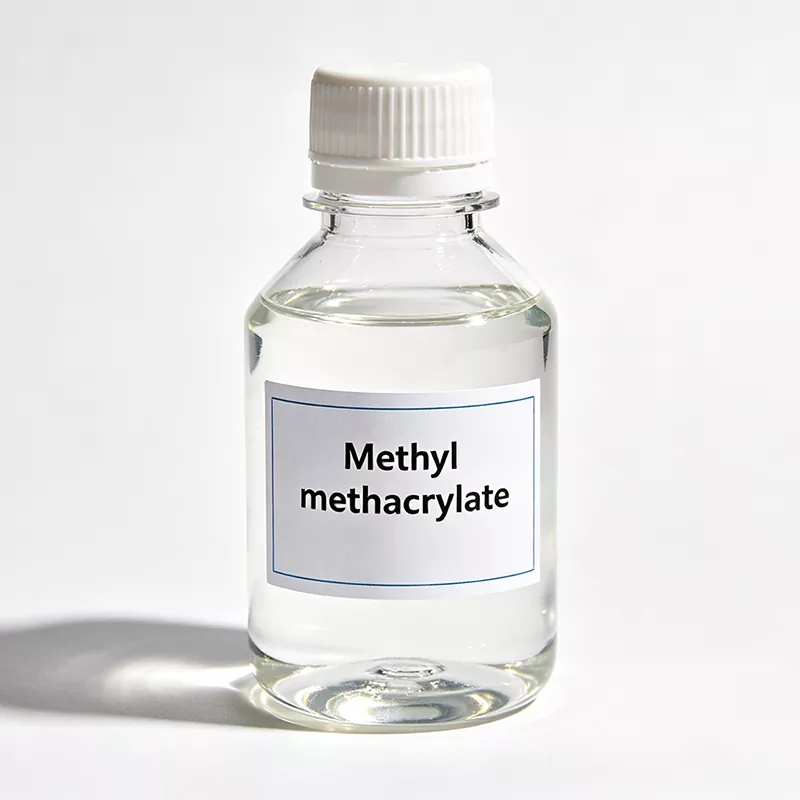
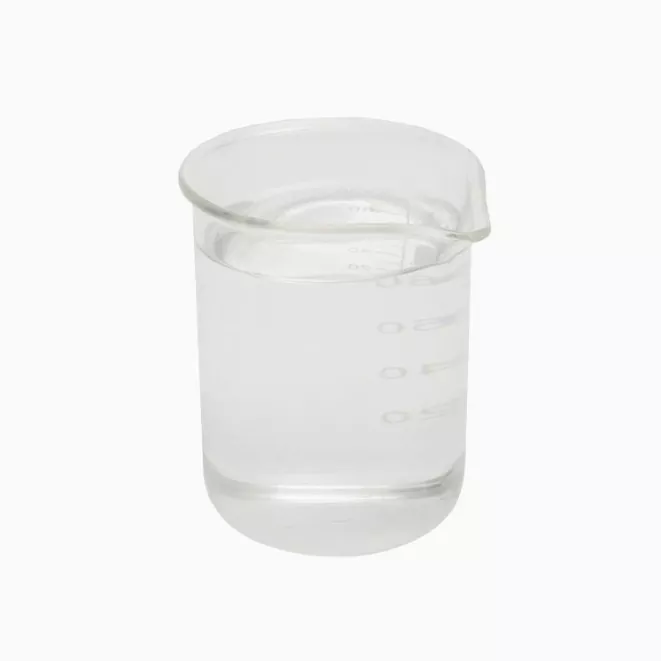
Methyl Methacrylate Monomer CAS 80-62-6 is a key acrylic monomer used to manufacture PMMA and a wide range of methacrylate-based materials. With the molecular formula C5H8O2 and CAS No. 80-62-6, it is a colorless, transparent and volatile liquid with a characteristic pungent odor. Its high polymerization reactivity allows manufacturers to convert the monomer into transparent, weather-resistant and durable acrylic materials through controlled polymerization processes.
AOLANSU supplies high-purity methyl methacrylate with a purity of ≥99.9%, moisture ≤0.03% and acidity, calculated as methacrylic acid, ≤0.02%. These controlled specifications provide a reliable starting material for PMMA sheets, optical components, acrylic products, plastic modification and other downstream applications. AOLANSU holds a hazardous chemicals business license and supports global industrial buyers with batch documentation, trial orders and international chemical supply services.
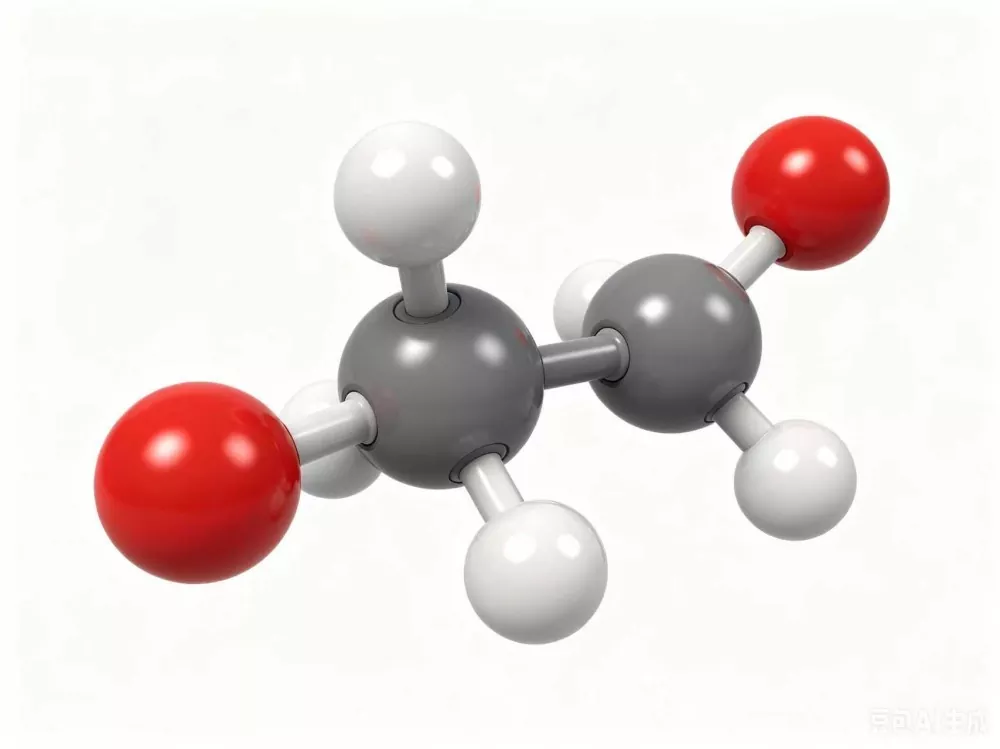
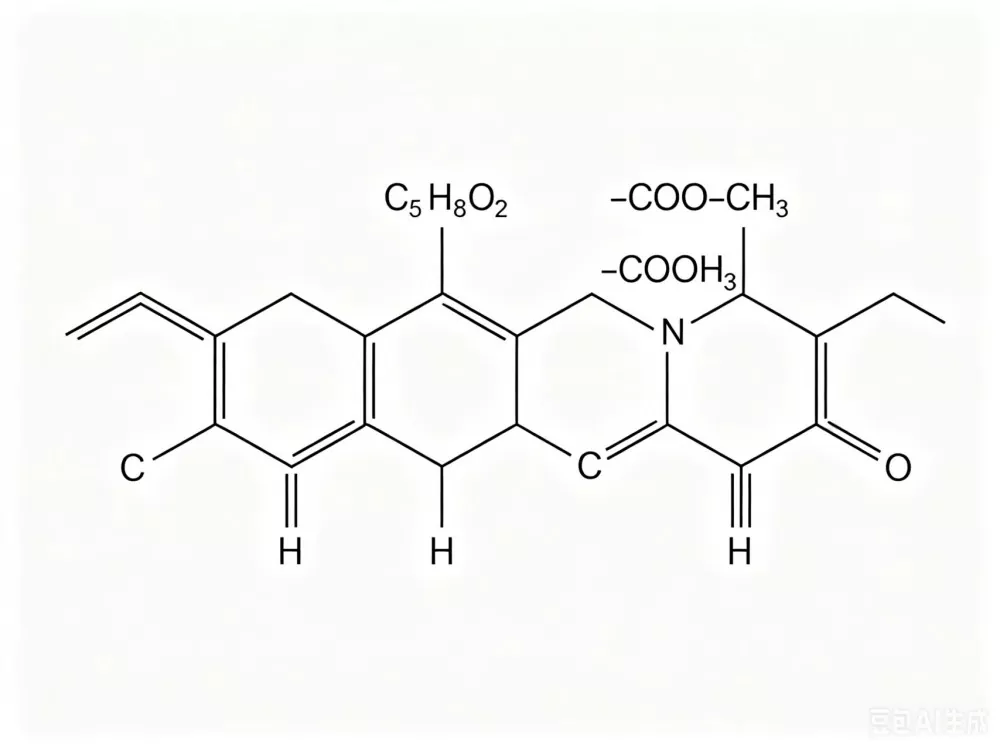
The main value of this Methyl Methacrylate Monomer CAS 80-62-6 becomes evident after polymerization. Under suitable initiator and process conditions, it can form polymethyl methacrylate (PMMA), commonly known as acrylic or organic glass.
Compared with many conventional transparent plastics, PMMA combines high optical transparency, relatively low weight, weather resistance and good surface appearance. This combination makes it useful where manufacturers need transparent materials that are easier to process and handle than conventional glass.
The final properties of PMMA depend on polymerization technology, molecular weight, additives, processing conditions and formulation design. Therefore, stable monomer quality is an important foundation for manufacturers that need predictable downstream material performance.
Moisture is an important incoming inspection parameter for acrylic monomer applications. Excessive water can interfere with certain polymerization systems and may require additional process adjustments. AOLANSU controls moisture at ≤0.03% to provide a more consistent raw material for customers' production processes.
Residual methacrylic acid and other acidic components can affect reaction conditions depending on the downstream formulation. Keeping acidity at ≤0.02% helps manufacturers maintain tighter control over their polymerization process and reduces unnecessary variation between production batches.
For applications such as optical components, acrylic sheets and display materials, the appearance and optical characteristics of the final polymer are particularly important. A high-purity monomer with controlled impurities provides a more reliable starting point for producing clear acrylic materials.
PMMA produced from methyl methacrylate can be processed into acrylic sheets, skylights, partitions, signage and other transparent building components. Its relatively low weight, impact resistance and weather resistance make it suitable for architectural applications where natural light transmission and long-term outdoor exposure are important.
For manufacturers serving construction projects, the material can provide an alternative to traditional glass in applications where weight reduction, fabrication flexibility and transparency are important design considerations.
High optical transparency makes PMMA useful in light guide plates, optical components, display-related parts and other precision applications. Manufacturers can process acrylic materials into components with controlled geometry and surface characteristics according to the requirements of the final optical system.
For this type of application, buyers generally pay close attention to monomer purity, moisture, color and impurity control because small variations in raw materials can influence the appearance and optical performance of the finished polymer.
Acrylic materials are used in selected automotive and transportation components where transparency, surface appearance and weather resistance are required. Depending on the formulation and processing method, PMMA-based materials can be used for lighting-related components, transparent panels, interior parts and other engineered applications.
Methacrylate chemistry is also used in selected medical and dental material systems. PMMA-based materials can be found in applications such as dental restorative materials and orthopedic bone cement. For these applications, however, the final product must meet the applicable medical, pharmaceutical or regulatory requirements; industrial-grade monomer should not be assumed to be suitable for medical use without the required qualification.
The Methyl Methacrylate Monomer CAS 80-62-6 is also used in the preparation of acrylic-based modifiers and specialty polymers. MBS and ACR additives, for example, can be incorporated into polymer systems to improve impact resistance and processing characteristics. These applications demonstrate the broader role of MMA as a building block rather than a single-purpose chemical raw material.
A large Middle Eastern construction company used AOLANSU methyl methacrylate to manufacture 20,000 square meters of PMMA skylights for a commercial complex canopy wall.
The finished acrylic panels achieved approximately 90% natural light transmittance and maintained stable appearance during long-term outdoor exposure. According to the project results, the transparent roofing solution was designed for a service life of approximately 15 years without significant yellowing and helped reduce building energy consumption by around 30%.
A Southeast Asian coatings manufacturer used AOLANSU monomer to formulate water-based automotive topcoats. The resulting coating system showed a 40% improvement in UV resistance and achieved an expected service life of approximately 8 years under the project's evaluation conditions.
The formulation also met the project's applicable European environmental requirements, demonstrating how controlled acrylic monomer quality can support downstream manufacturers targeting demanding markets.
A European electronics manufacturer purchased AOLANSU monomer for the mass production of 500,000 LCD backlight modules. The resulting optical components achieved a light uniformity of 91% and haze as low as 0.5% according to the project data.
The case highlights the importance of raw material consistency when acrylic materials are processed into precision optical components, where transparency and light distribution directly affect final product performance.
| Parameter | Specification |
|---|---|
| Product Name | Methyl Methacrylate Monomer |
| CAS No. | 80-62-6 |
| Molecular Formula | C5H8O2 |
| Molecular Weight | 100.12 |
| Purity | ≥99.9% |
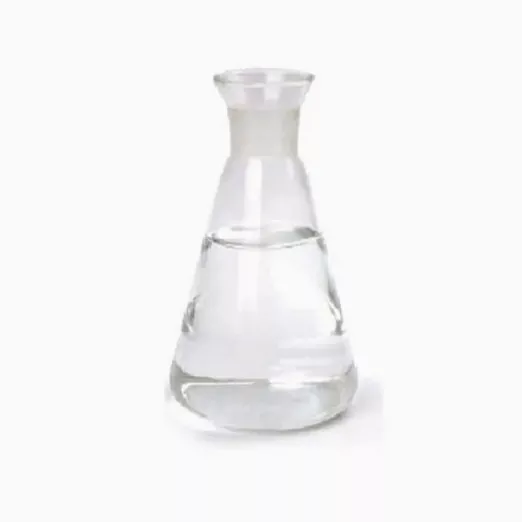
| Appearance | Colorless transparent liquid, slight pungent odor, no visible impurities |
| Density at 20°C | 0.940–0.944 g/cm³ |
| Boiling Point | 100–101°C at standard atmospheric pressure |
| Flash Point | 10°C, closed cup |
| Moisture | ≤0.03% |
| Acidity, as methacrylic acid | ≤0.02% |
| Solubility | Soluble in ethanol, ether and acetone; slightly soluble in water |
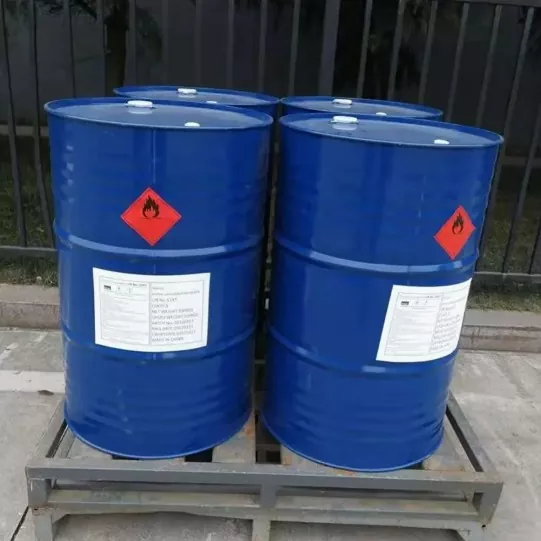
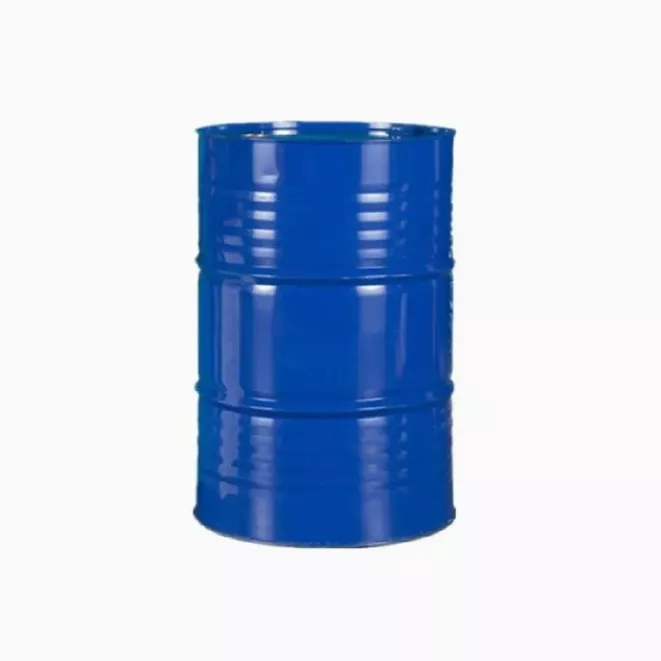
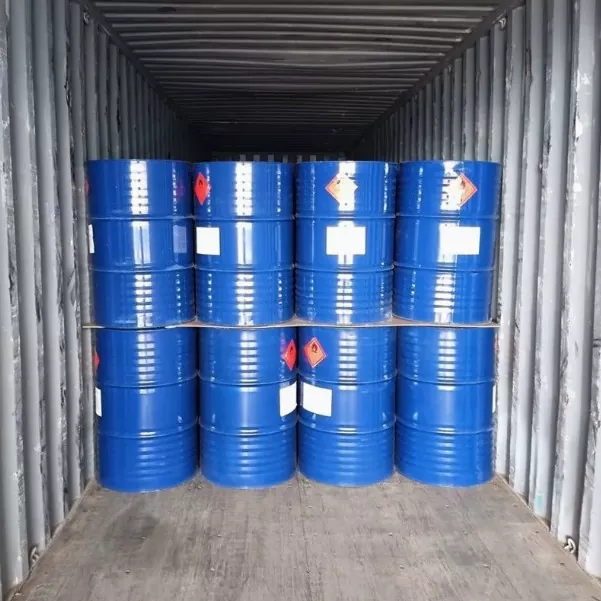
| Package | 200kg galvanized iron drum, 1000kg IBC tank |
| UN No. | 1247 |
For international buyers, the supplier evaluation process should begin with technical compatibility rather than price alone. The first step is to compare the supplier's purity, moisture, acidity and appearance specifications with the company's internal raw material standards.
The second step is application testing. Manufacturers producing PMMA sheets, optical components or modified plastics should evaluate polymerization behavior and final material properties using their actual production process. This can identify potential compatibility issues before a full-scale order is placed.
The third step is batch consistency. A supplier may provide a qualified sample but still create production risks if subsequent batches fluctuate significantly. Buyers should therefore request COA documentation and establish clear specifications for regular shipments.
AOLANSU supports this purchasing process through sample supply, batch testing documentation and technical communication before long-term procurement.
The manufacturing process uses esterification, refining and precision distillation technologies to obtain high-purity methyl methacrylate. During purification, impurities such as residual acids, aldehydes and moisture are controlled to meet the agreed product specification.
Quality inspection covers the key parameters required for industrial use. Finished batches are evaluated for purity, acidity, moisture and other relevant characteristics before release.
For long-term buyers, batch-level COA documentation can be provided to support incoming quality inspection and production traceability. This approach allows customers to establish their own acceptance criteria for regular shipments and reduce uncertainty when scaling from laboratory testing to industrial production.
The material is a flammable liquid and its vapor can form an explosive mixture with air. It can also irritate the skin, eyes and respiratory system. Storage and handling therefore require appropriate chemical safety controls.
Containers should be kept tightly closed in a cool, dry and well-ventilated chemical storage area. Keep the material away from ignition sources, excessive heat and incompatible oxidizing substances. Appropriate grounding and static-control measures should be considered during transfer operations.
Personnel handling the material should use suitable protective goggles, chemical-resistant gloves and protective clothing. Detailed handling, storage and emergency procedures should always follow the current SDS and applicable local regulations.
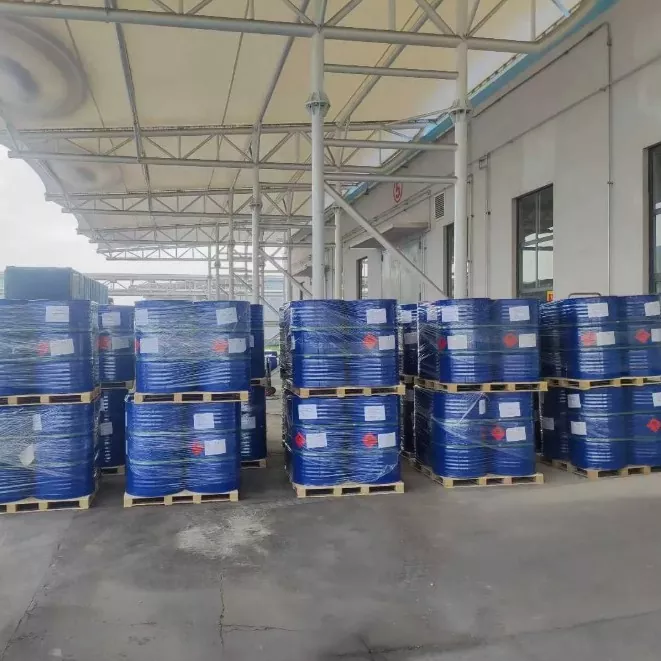
AOLANSU supports both trial purchasing and regular industrial supply. Standard export packaging includes 200kg galvanized iron drums and 1000kg IBC containers. Packaging can be discussed according to the buyer's consumption volume, warehouse conditions and transportation requirements.
For customers entering the qualification stage, small-batch trial orders can be arranged before regular procurement. Samples of approximately 100–200ml can also be provided for preliminary testing of purity, polymerization behavior and compatibility.
For established production programs, AOLANSU provides factory-direct supply, COA and MSDS documentation, and dangerous goods export support. The company holds a hazardous chemicals business license and can coordinate with qualified logistics partners for international shipments.
The most important downstream product is polymethyl methacrylate (PMMA), commonly called acrylic or organic glass. PMMA can be processed into sheets, optical components, transparent panels and various engineered products. The material is also used in coatings, adhesives, plastic modification and other methacrylate-based applications.
High purity provides a more controlled starting point for polymerization and downstream formulation. This is particularly relevant for applications involving optical clarity, transparent acrylic products or tightly controlled polymer properties. Buyers should also evaluate moisture, acidity and other impurity indicators rather than considering purity alone.
Yes. AOLANSU supports small-batch trial orders and can provide samples for preliminary testing. Customers can evaluate the material using their own polymerization process and compare the resulting properties with their existing raw material before moving to regular procurement.
The production process includes controlled raw material selection, esterification, purification, distillation and finished-product inspection. Key indicators such as purity, moisture and acidity are tested before shipment, and COA documentation can be provided for individual batches to support customer incoming inspection.
Industrial-grade material should not automatically be used for medical, pharmaceutical or food-contact applications. Such applications require the appropriate grade, certifications, regulatory compliance and manufacturing controls. Buyers should specify their intended end use when requesting a quotation so the applicable product requirements can be confirmed.
Address
(North of Dongwei Group, West) Houwei Village, Changshan Town, Zouping City, Binzhou, Shandong Province, China
Tel