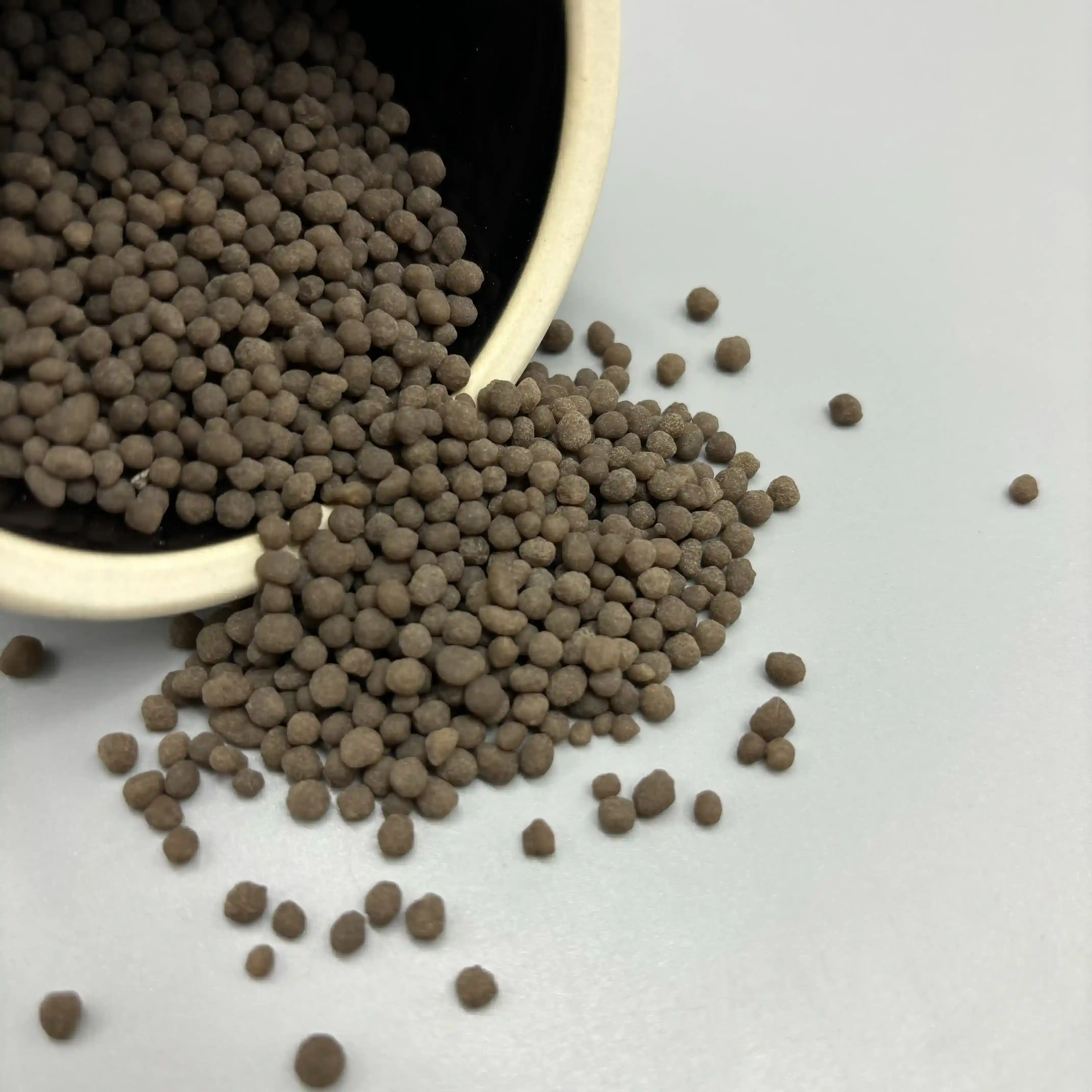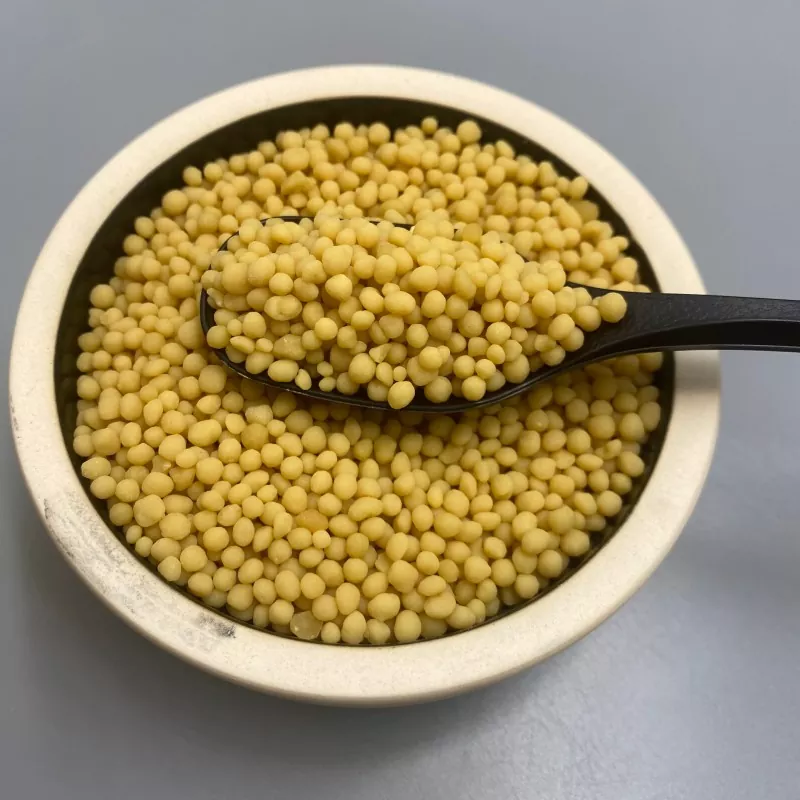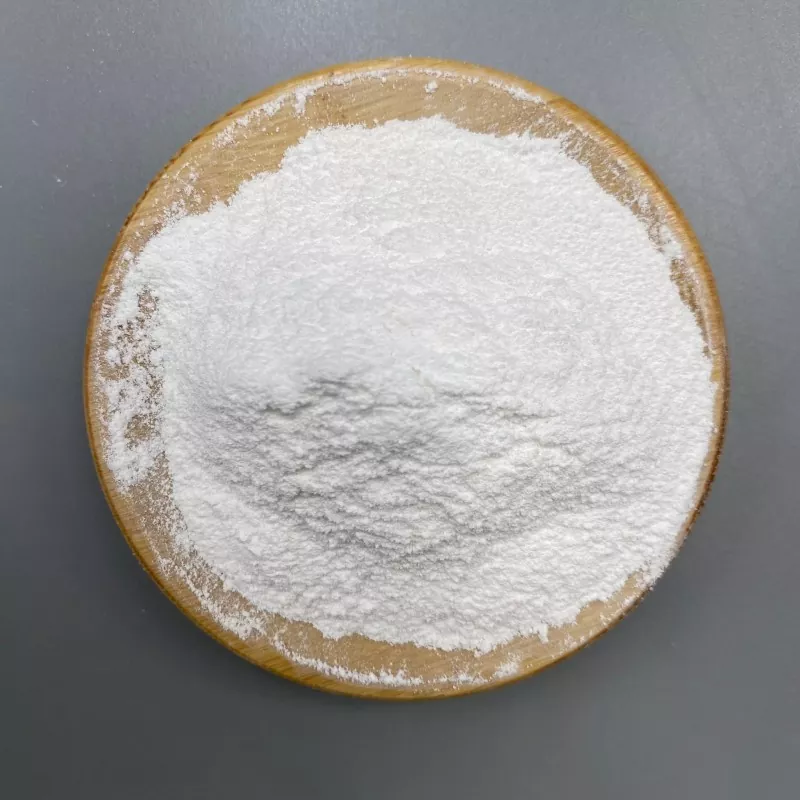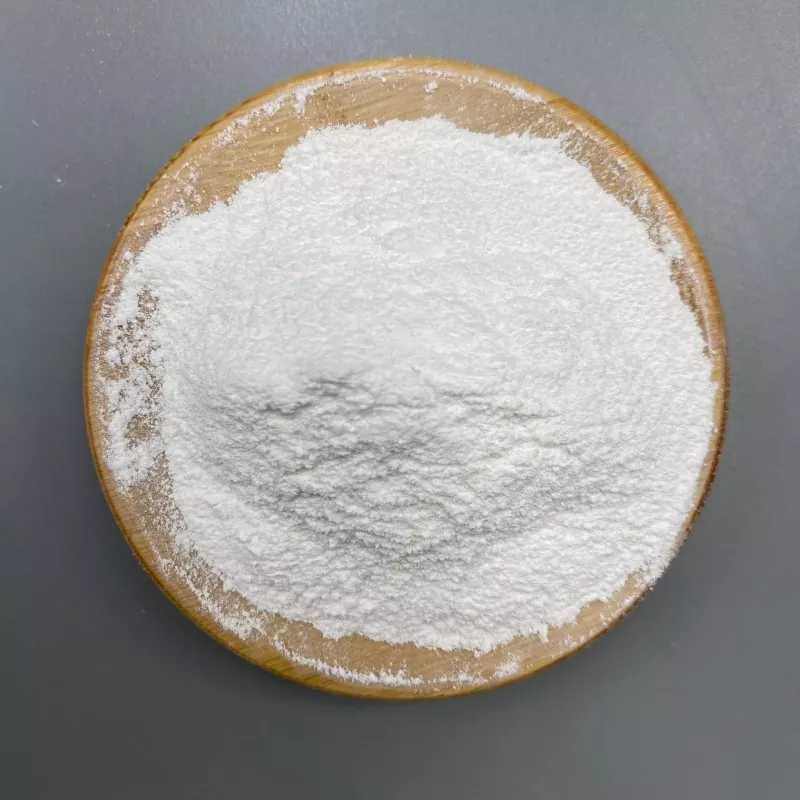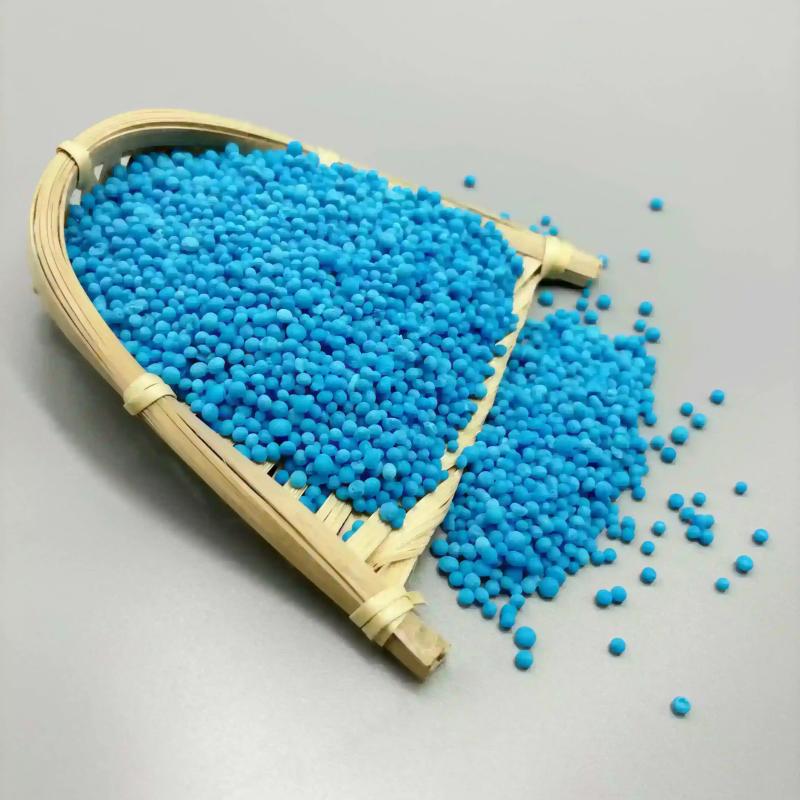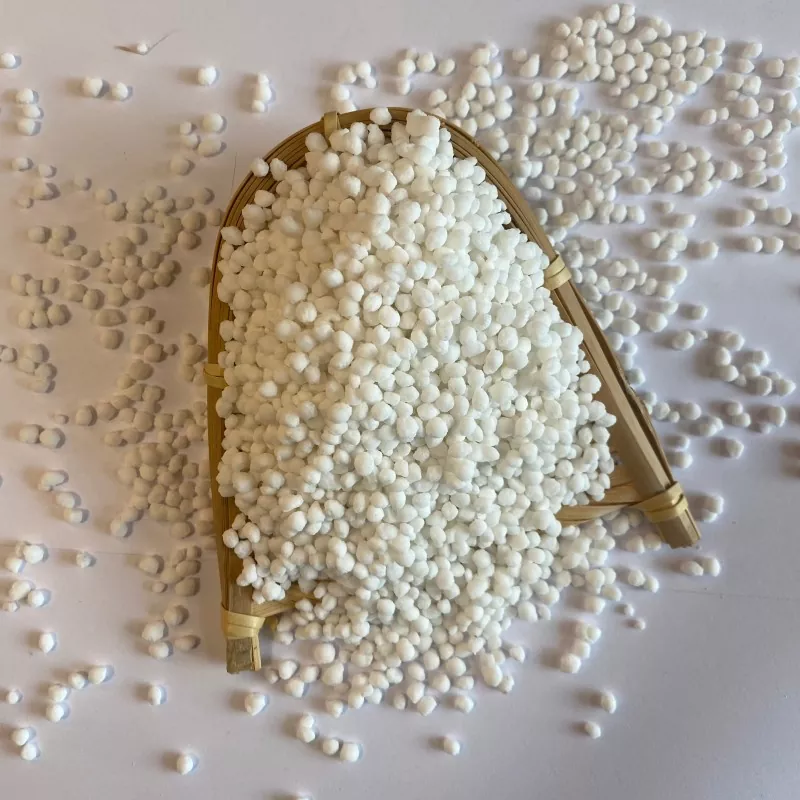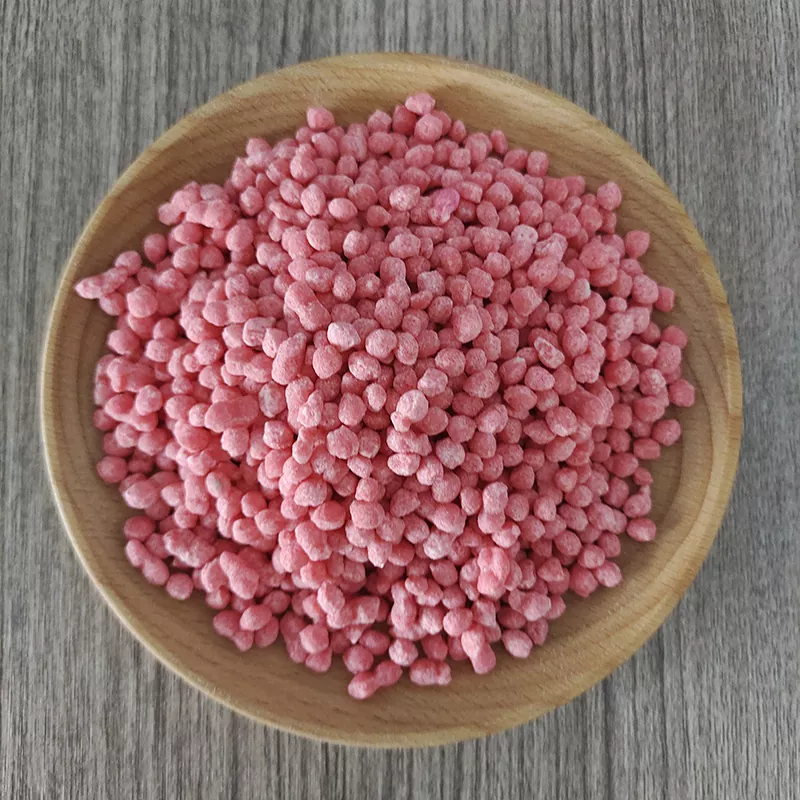
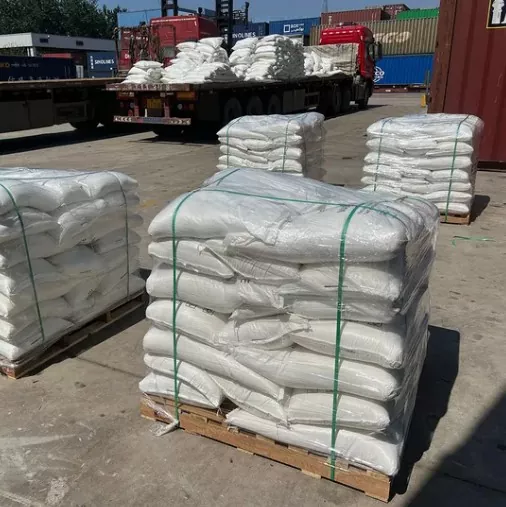
AOLANSU Slow Release Diammonium Phosphate CAS 7783-28-0 is a coated phosphorus-nitrogen fertilizer developed for agricultural programs that require longer nutrient availability and more efficient fertilizer scheduling. Instead of delivering the majority of nutrients shortly after application, the coated granules are designed to release nitrogen and phosphorus progressively over a controlled period of approximately 30–120 days.
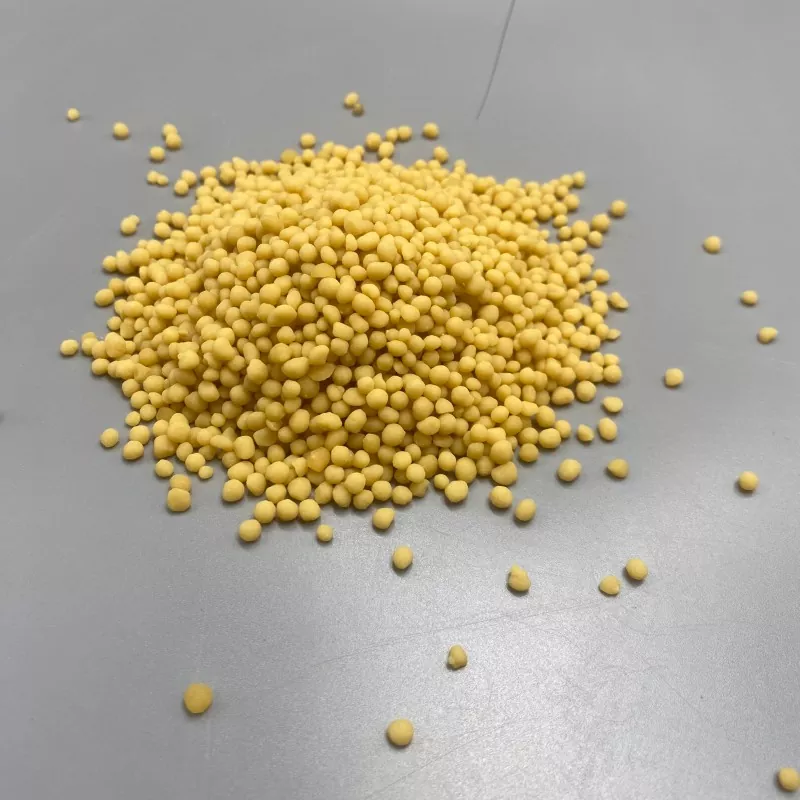
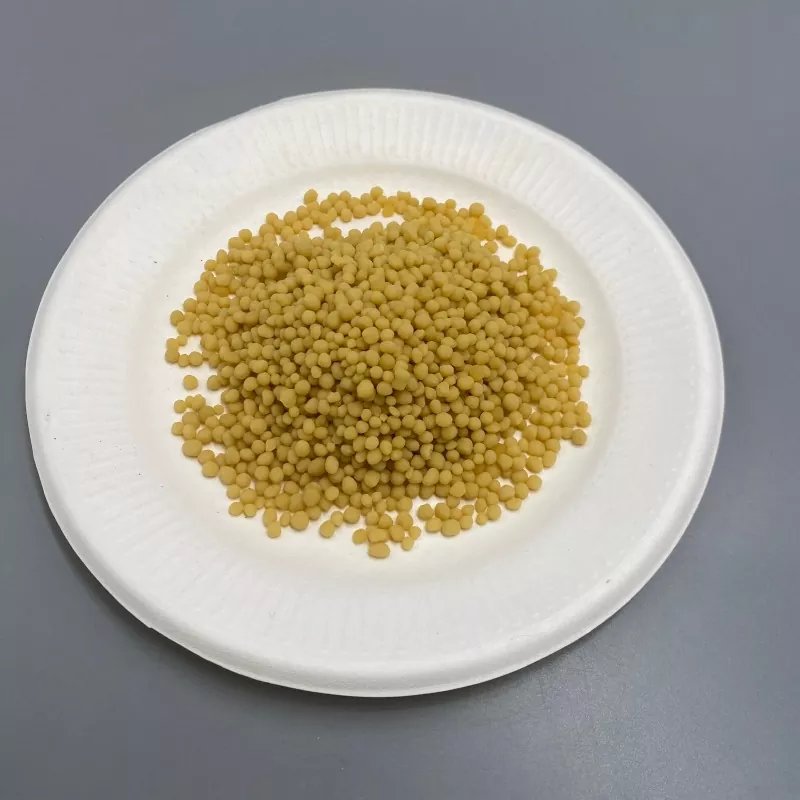
Manufactured by Shandong AOLANSU Environmental Protection Technology Co., Ltd., the product combines diammonium phosphate with a gelatin/PVA composite coating. This formulation is designed for commercial farms, fertilizer distributors, crop growers and agricultural projects where reducing repeated fertilizer applications and maintaining nutrient availability throughout the crop cycle are important.
With approximately 18% nitrogen and 46% P2O5, AOLANSU Slow Release Diammonium Phosphate CAS 7783-28-0 provides a concentrated N-P nutrient source while the coating controls the rate at which nutrients become available in the soil. The release period can be adjusted according to crop duration, climate, irrigation conditions and customer requirements.
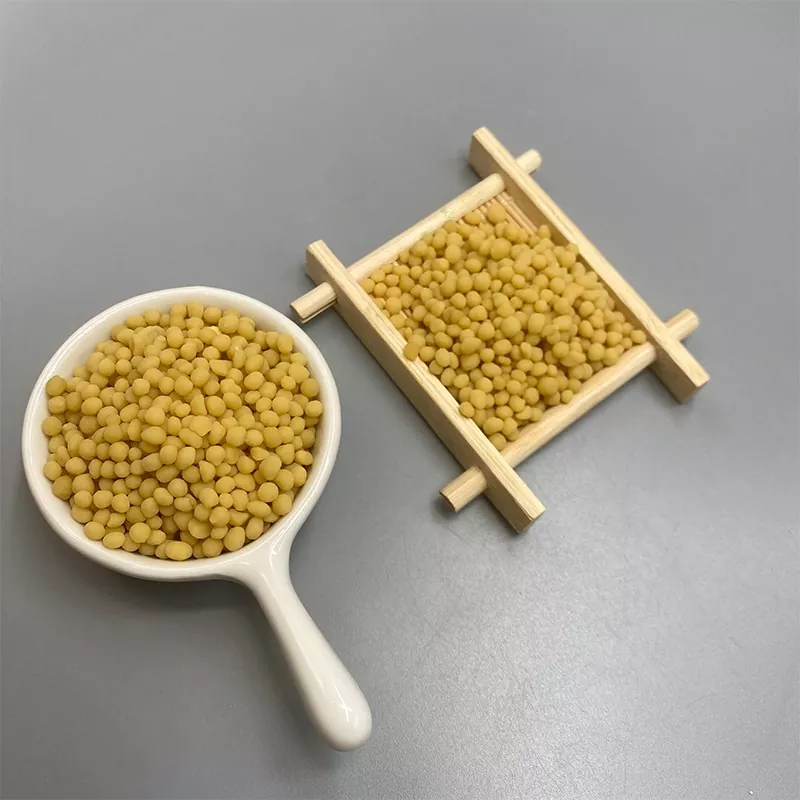
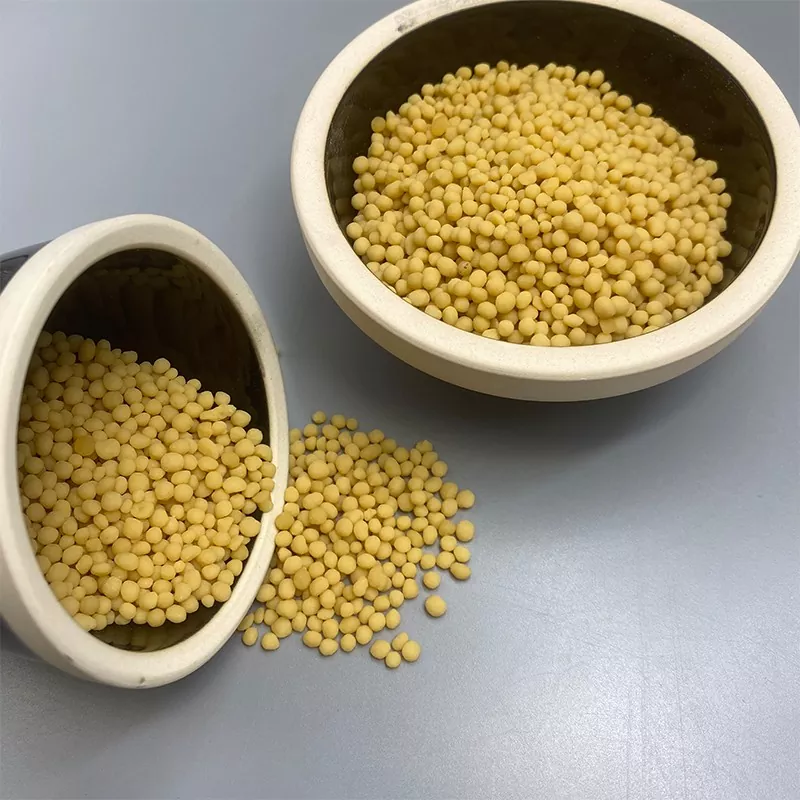
Conventional DAP is a highly soluble fertilizer and can provide nutrients rapidly after contacting soil moisture. This characteristic is useful when crops require an immediate nutrient supply, but it may not always match the nutrient demand of crops with longer growth cycles.
In regions with frequent rainfall or intensive irrigation, rapid nutrient dissolution can also increase the movement of soluble nutrients away from the active root zone. For large farms, frequent top dressing creates another challenge because additional fertilizer applications require more labor, machinery and field operations.
AOLANSU Slow Release Diammonium Phosphate CAS 7783-28-0 is designed for a different fertilization strategy. Rather than focusing only on rapid nutrient availability, it aims to extend nutrient release and coordinate fertilizer availability with crop development.
A shorter controlled-release period can be considered for crops with relatively short growth cycles or cultivation systems where fertilizer is applied several times during the season. It provides a longer nutrient supply than conventional uncoated DAP while maintaining flexibility for additional crop-stage fertilization.
A medium release period is suitable for many field crops and vegetable production programs requiring extended nitrogen and phosphorus availability. It can help simplify fertilizer scheduling during the main vegetative and reproductive growth periods.
A longer release period is designed for crops or cultivation systems where reducing fertilizer application frequency is a priority. It can be particularly useful for long-duration crops, orchard management and large-scale farming operations where repeated field application increases labor and equipment costs.
The actual release period is influenced by soil temperature, moisture, irrigation, coating characteristics and crop management practices. AOLANSU can discuss customized release requirements before bulk production.
For corn, wheat and similar field crops, the product can be incorporated into the basal fertilization program. The combination of nitrogen and phosphorus supports early root establishment while the controlled release characteristic extends nutrient availability during subsequent crop development.
Rice production often involves considerable water management. Using a controlled-release phosphate fertilizer as part of the basal fertilization strategy can help simplify nutrient management in fields where repeated fertilizer application is difficult.
Vegetable crops have intensive nutrient requirements and are frequently cultivated under irrigation. The product can be incorporated before planting or positioned near the root zone according to the crop's nutrient management plan.
For orchards, fertilizer demand extends across a longer growing period than many annual crops. A longer release formulation can be incorporated into orchard fertilization programs to provide nitrogen and phosphorus over an extended period.
The gelatin/PVA composite coating forms a controlled interface around each DAP granule. After application, moisture gradually interacts with the fertilizer through the coating, allowing nutrients to dissolve and move into the surrounding soil progressively.
This mechanism changes the way the fertilizer is managed. Instead of relying primarily on repeated applications of rapidly dissolving fertilizer, growers can select a release period that better corresponds with the expected crop nutrient demand.
For commercial agricultural operations, the potential benefits are not limited to nutrient supply. Fewer fertilizer applications can also mean fewer tractor operations, reduced field labor and simpler seasonal fertilizer planning.
| Parameter | Specification |
|---|---|
| Product Name | Slow Release DAP (Diammonium Phosphate) |
| CAS No. | 7783-28-0 |
| Molecular Formula | (NH4)2HPO4 |
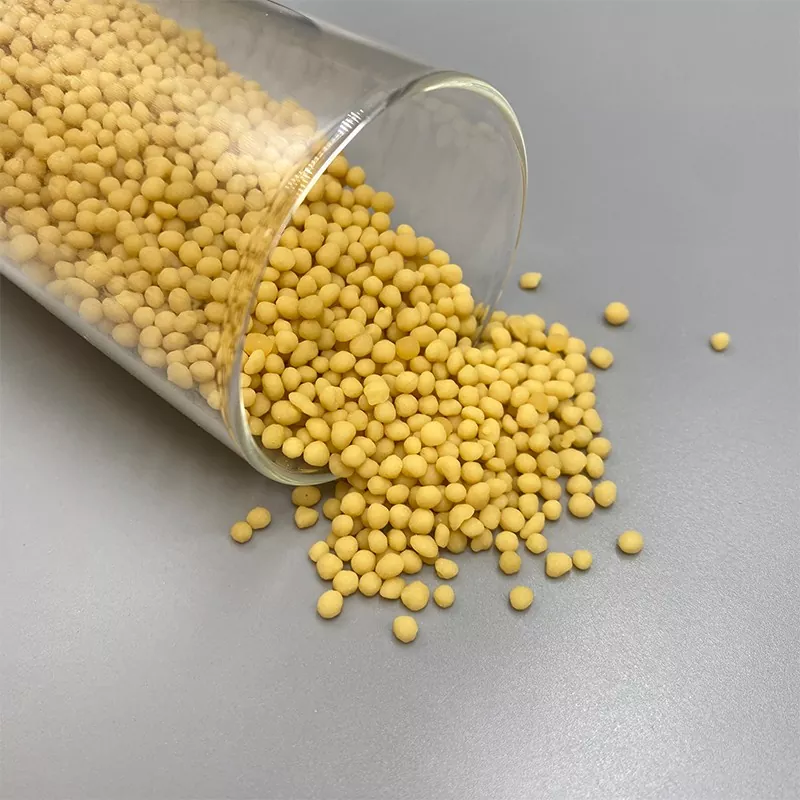
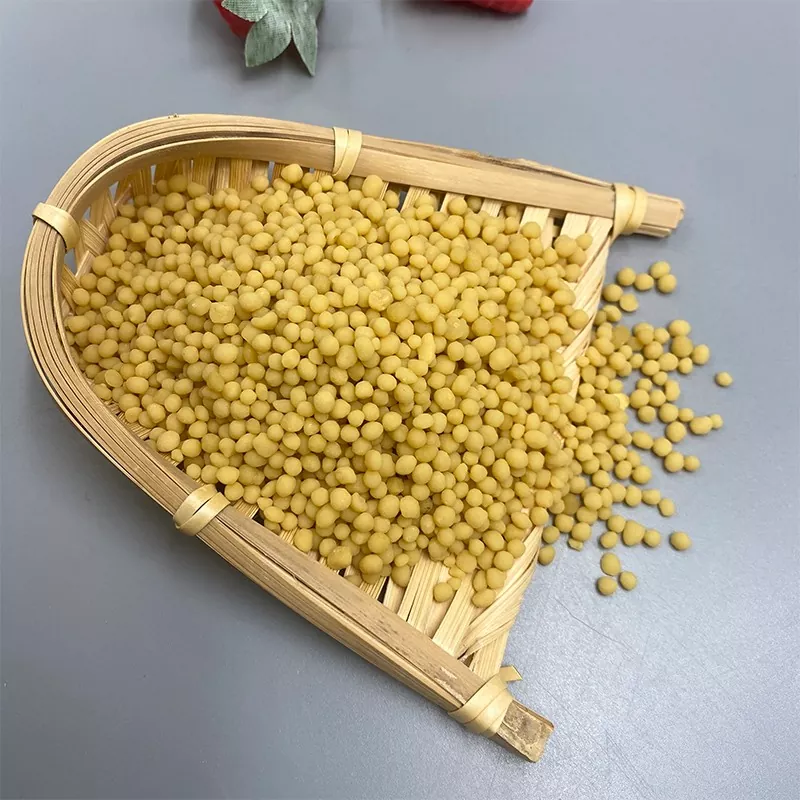
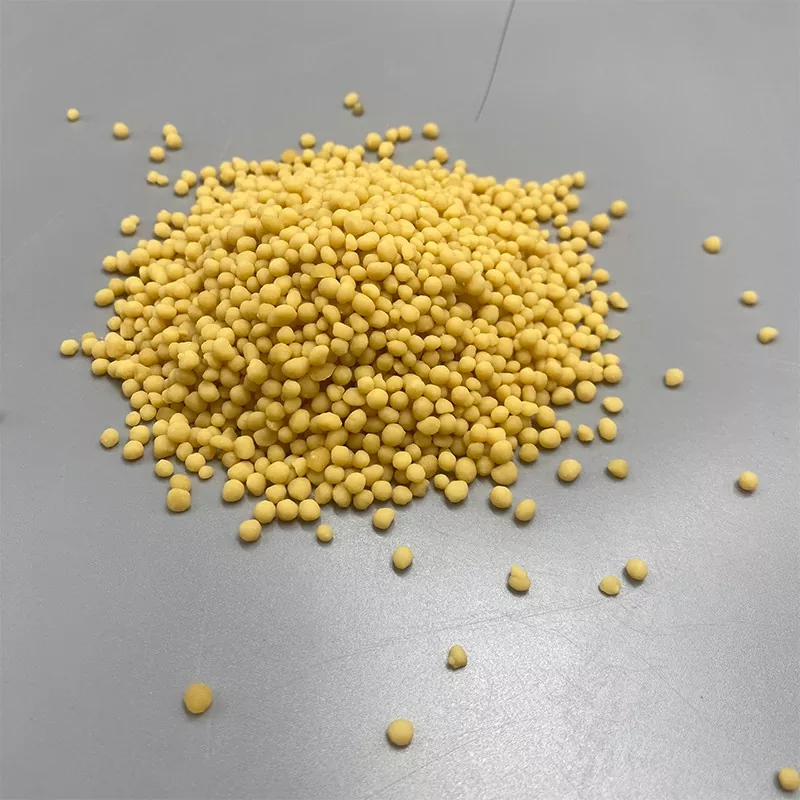
| Appearance | White or light gray coated granular fertilizer |
| Particle Size | 2–4 mm |
| Total Nutrients (N+P2O5) | ≥64% |
| Total Nitrogen (N) | ≥18% |
| Available Phosphorus (P2O5) | ≥46% |
| Water-Soluble Phosphorus | ≥90% |
| Moisture | ≤2.0% |
| pH Value | 7.5–8.5 |
| Release Period | 30–120 days, adjustable |
| Coating | Gelatin/PVA composite coating |
| Packaging | 50 kg PP woven bags with PE inner liner; bulk packaging available |
| Storage | Cool, dry and ventilated warehouse; protect from moisture |
| Shelf Life | 24 months under recommended storage conditions |
Higher soil temperatures generally accelerate fertilizer dissolution and coating degradation, while lower temperatures may slow nutrient release. Therefore, the same formulation can perform differently between tropical, temperate and cooler agricultural regions.
Moisture is necessary for nutrient dissolution. Irrigation frequency, rainfall and soil water-holding capacity all influence how quickly nutrients become available.
Coating thickness and formulation are important factors affecting the release profile. AOLANSU can adjust coating parameters to develop different release periods according to customer requirements.
A fertilizer designed for a 40-day crop does not necessarily require the same release profile as one used for a 120-day crop. Selecting the release period according to the crop growth cycle helps avoid mismatches between nutrient supply and crop demand.
For small cultivation areas, repeated fertilizer application may be manageable. For commercial farms covering hundreds or thousands of hectares, however, each additional fertilizer operation can increase labor, machinery usage, fuel consumption and crop-management complexity.
AOLANSU Slow Release Diammonium Phosphate CAS 7783-28-0 provides an alternative approach by extending the period of nutrient availability. When appropriately matched to the crop cycle, it can help growers simplify fertilizer scheduling and reduce the number of separate application operations.
The product is therefore particularly relevant to commercial farming systems where fertilizer efficiency, labor management and application timing are as important as nutrient concentration.
The product can be incorporated into soil before planting to establish an initial nitrogen and phosphorus supply. Placement should follow local agronomic recommendations to avoid excessive nutrient concentration around seeds or young roots.
For crops using row-based cultivation, fertilizer can be positioned in bands at an appropriate distance from the seed or root zone. This approach can improve nutrient placement efficiency while reducing unnecessary fertilizer distribution.
For fruit trees, the granules can be distributed around the active root zone rather than concentrated directly against the trunk. Application timing and quantity should be adjusted according to tree age, soil fertility and seasonal nutrient demand.
Different agricultural markets have different fertilizer requirements. A distributor serving tropical rice-growing regions may require a different release period from a supplier serving temperate corn or wheat markets.
AOLANSU can support customized requirements involving release duration, granule size, packaging and labeling. Customers can communicate their target crop, cultivation period, climate conditions and preferred application method so that an appropriate product specification can be discussed before bulk procurement.
This makes the product suitable not only for direct farm use but also for fertilizer distributors and agricultural brands developing specialized fertilizer programs.
AOLANSU monitors the finished product to ensure that the fertilizer supplied to international buyers meets the agreed specifications. Testing can include nitrogen content, phosphorus content, moisture, particle size and physical characteristics of the coated granules.
For bulk orders, batch-specific COA documentation can be provided for customer quality verification. MSDS and applicable export documentation are also available according to shipment requirements.
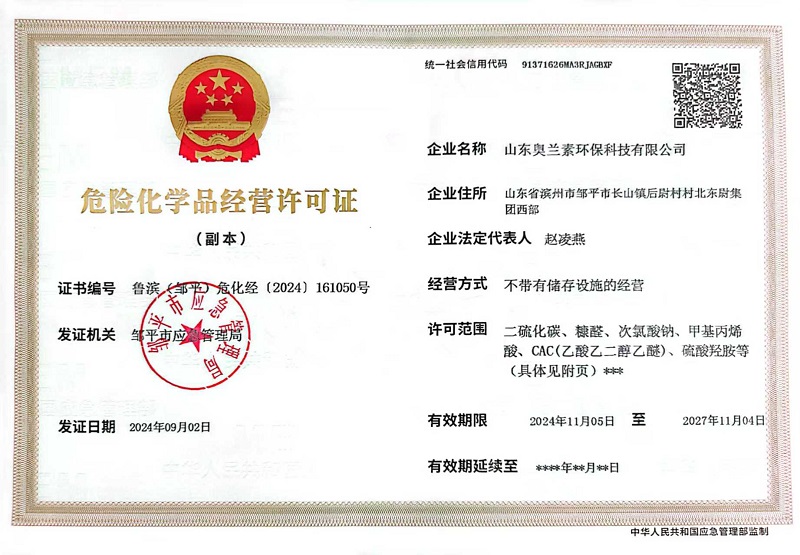
AOLANSU holds a Hazardous Chemicals Business License and maintains standardized procedures for chemical product handling, storage and export operations.
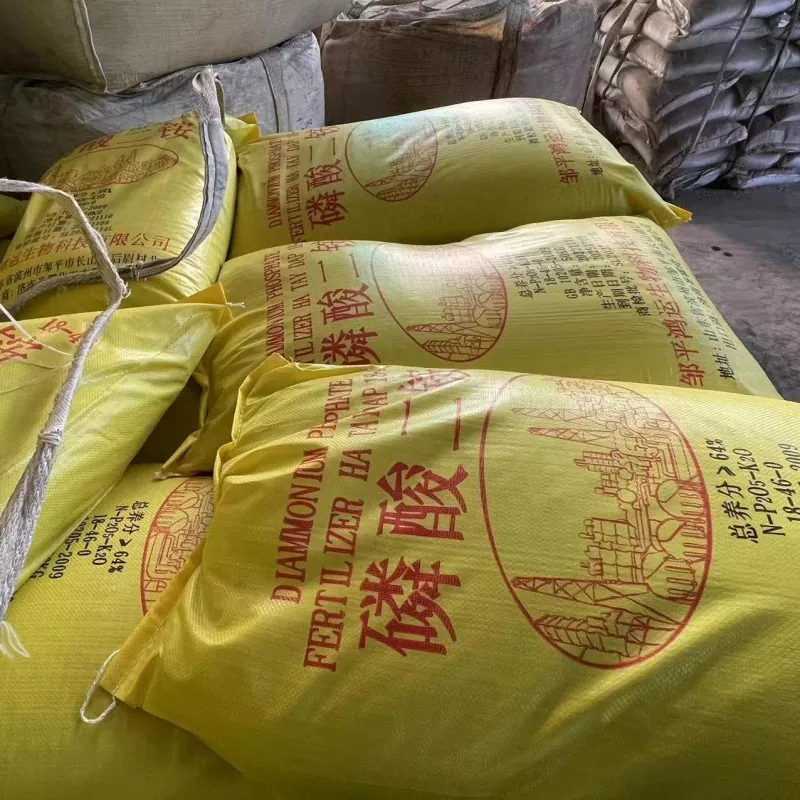
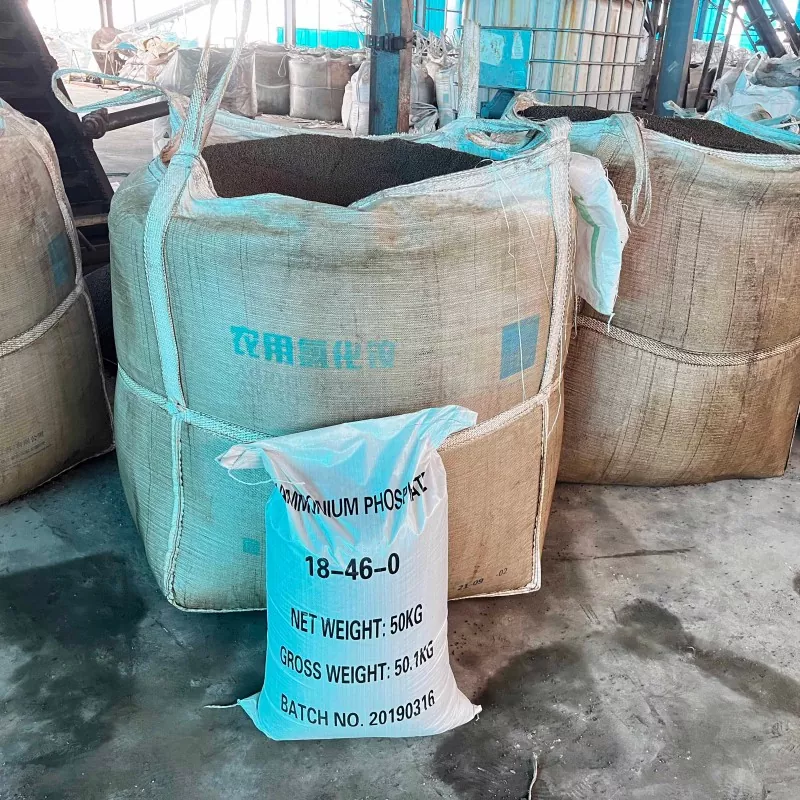
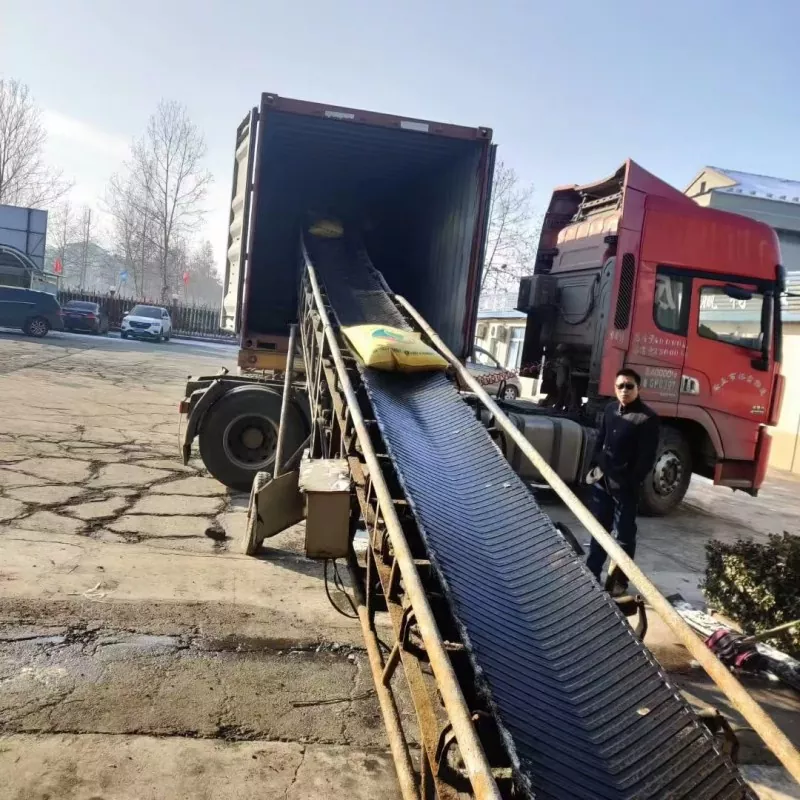
The standard packaging is a 50 kg PP woven bag with PE inner liner, helping protect the coated granules against moisture during storage and transportation. Bulk packaging can also be arranged for large-volume agricultural procurement.
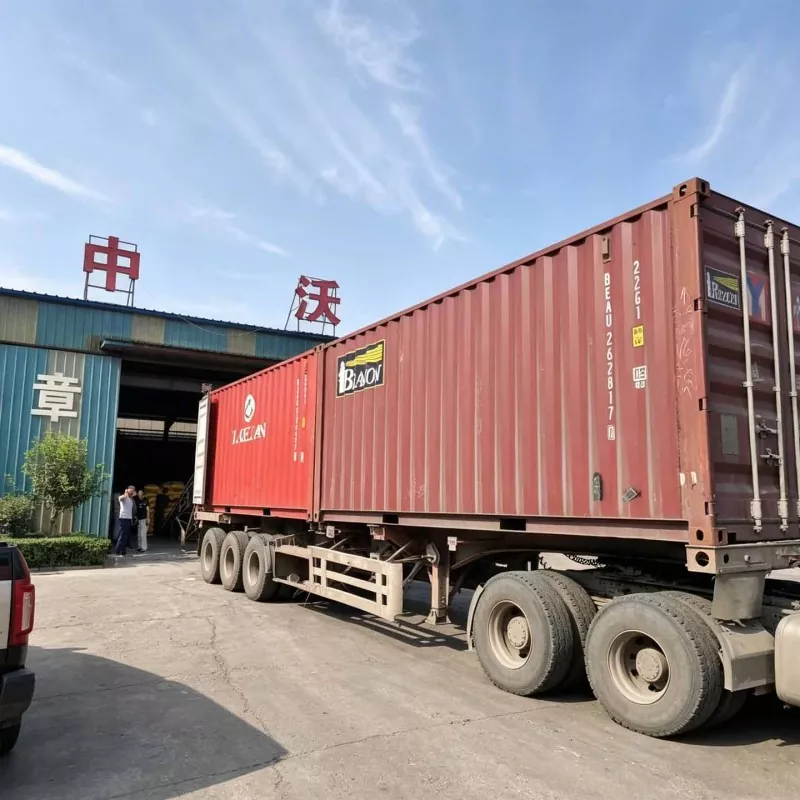
Customized bags, labels and packaging specifications are available for fertilizer distributors and private-label customers. AOLANSU supports trial orders, regular purchasing programs and long-term bulk supply arrangements.
AOLANSU focuses on supplying fertilizer products that are matched to specific agricultural management requirements rather than offering only standardized nutrient products.
For buyers of coated DAP, the key purchasing considerations include nutrient ratio, release duration, granule consistency, packaging, customization capability and supply stability. AOLANSU provides these options together with batch quality documentation and international export support.
As a China fertilizer manufacturer, AOLANSU can communicate directly with distributors, importers and commercial farms regarding release-period requirements, packaging specifications and procurement volumes.
Slow Release DAP is used as a nitrogen and phosphorus fertilizer where growers need a more extended nutrient supply than conventional DAP can provide. It is suitable for field crops, rice, vegetables, fruit trees and other agricultural production systems.
The available controlled-release period is approximately 30–120 days. AOLANSU can adjust the formulation according to crop growth duration and customer requirements.
Neither product is universally better. Conventional DAP is suitable when crops require rapid nutrient availability, while controlled-release DAP is more appropriate when growers want to extend nutrient availability and potentially reduce repeated fertilizer applications.
Yes. AOLANSU can adjust the coating formulation and processing parameters to provide different release periods within the available production range.
This product is primarily an NP fertilizer, rather than a complete three-nutrient NPK fertilizer. It contains approximately 18% nitrogen (N) and 46% phosphorus pentoxide (P2O5), with potassium (K2O) not intentionally supplied. The nominal nutrient ratio is therefore 18-46-0.
Yes, it can be incorporated into a broader fertilizer program. Compatibility should be evaluated before physically mixing it with other concentrated fertilizer products, particularly when preparing liquid fertilizer solutions.
AOLANSU can provide COA, MSDS, product specifications, packing information, Certificate of Origin and other applicable export documents according to customer and destination-market requirements.
Yes. Sample orders can be arranged for customers who need to evaluate granule properties, release performance and compatibility with local agricultural practices before placing larger orders.
Address
(North of Dongwei Group, West) Houwei Village, Changshan Town, Zouping City, Binzhou, Shandong Province, China
Tel