In a coating formulation, the solvent does more than simply dissolve resin. It controls how the coating spreads, how long the wet film remains workable, how quickly the surface dries, and ultimately how the finished film looks and performs. For formulators dealing with orange peel, uneven gloss, poor leveling, or inconsistent drying, adjusting the solvent balance can be more effective than simply increasing or reducing the total solvent content.
Paint Coating Grade Butyl Acetate is used in these formulation situations because its evaporation behavior and resin solvency provide a useful balance between application workability and drying efficiency. It can be incorporated into solvent systems for industrial paints, automotive coatings, wood finishes, printing inks, and adhesive formulations where controlled film formation is required.
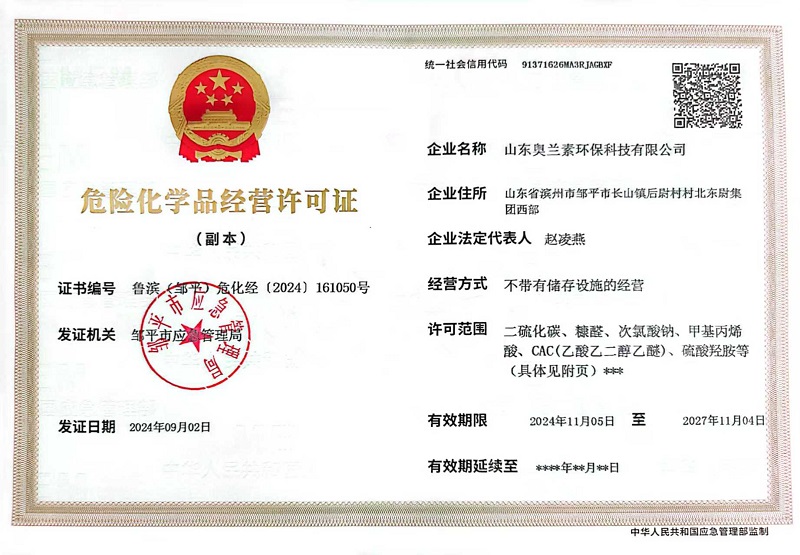
Shandong Aolansu Environmental Protection Technology Co., Ltd. supplies butyl acetate from Binzhou, Shandong, China. AOLANSU focuses on solvent quality consistency, batch testing, hazardous chemical compliance, and international supply support. The company holds a hazardous chemical operation license and provides product documentation for industrial customers and chemical distributors.
During coating application, the solvent system gradually evaporates while the resin, pigment, additives, and other solid components remain on the substrate. The evaporation sequence affects viscosity, surface tension, resin mobility, and wet-film flow. If the balance is not appropriate, coating defects may appear even when the resin and pigment formulation itself is technically correct.
Butyl acetate has a slower evaporation behavior than lighter acetate solvents such as ethyl acetate. This gives the wet coating additional time to spread and level before the film becomes sufficiently dry. For many solvent-based coating systems, this characteristic helps formulators establish a more controlled drying curve.
A common purchasing mistake is to assume that the fastest-drying solvent will always provide the highest production efficiency. In actual coating production, excessively rapid evaporation can cause the surface to dry before the underlying film has adequately leveled. This may contribute to dry spray, orange peel, pinholes, uneven gloss, or poor appearance.
Paint Coating Grade Butyl Acetate can be used when the formulation requires additional flow time. Its moderate evaporation characteristics allow coating manufacturers to balance drying efficiency with wet-film leveling rather than pursuing maximum evaporation speed alone.
The effectiveness of a coating solvent depends strongly on the resin system being used. Butyl acetate has good solvency for many commonly used coating resins, including acrylic, alkyd, polyurethane, nitrocellulose, and selected rubber-based systems.
Good resin compatibility helps the formulation maintain a uniform solution during mixing and storage. It can also contribute to more predictable viscosity adjustment and application behavior. However, final compatibility should always be verified through laboratory formulation testing because resin structures and additive packages differ between manufacturers.
After spraying or brushing, a coating film needs enough time to flow across the substrate before the solvent evaporates excessively. If the film loses mobility too quickly, application marks and uneven texture can remain on the surface.
The evaporation characteristics of butyl acetate provide a useful window for wet-film movement. This is particularly relevant for automotive refinishing, furniture coatings, industrial equipment finishes, and decorative coatings where visual appearance is an important purchasing criterion.
Solvent behavior is not determined by the solvent alone. Ambient temperature, humidity, ventilation, spray pressure, coating thickness, and substrate temperature can all change the actual evaporation rate during production.
For example, a coating formulation that performs well in a warm production environment may dry differently in a cooler workshop. Buyers should therefore evaluate solvent performance under actual production conditions rather than relying only on laboratory data.
Paint Coating Grade Butyl Acetate can be incorporated into industrial coating systems for machinery, metal structures, equipment, and protective finishes. It assists with resin dissolution and viscosity adjustment while supporting the flow characteristics required during spray or other liquid application processes.
For large-scale coating manufacturers, consistent solvent quality is especially important because changes in moisture, purity, or evaporation characteristics can affect production settings and finished-film appearance.
Automotive refinishing requires controlled application and surface appearance. Butyl acetate can be used as part of solvent blends for selected automotive paints and clear-coat systems where resin compatibility and film leveling are important.
Its evaporation characteristics can provide additional flow time for the coating film, helping formulators manage surface smoothness and gloss when the formulation is properly balanced.
Wood coatings require controlled film formation because surface defects are easily visible on furniture and decorative products. Butyl acetate can support resin dissolution and coating flow in selected wood finishing systems.
It is suitable for formulation strategies where the manufacturer needs a solvent that provides sufficient application time while still allowing the finished coating to dry at a commercially acceptable rate.
Butyl acetate is also used in selected printing ink formulations as a solvent for resin systems and viscosity adjustment. Stable solvent characteristics help ink manufacturers maintain more consistent formulation behavior during production.
Its use can be adjusted according to printing speed, substrate type, resin chemistry, drying requirements, and the composition of the complete solvent system.
Selected adhesive systems use butyl acetate because of its ability to dissolve compatible polymers and resins. It can assist manufacturers with viscosity control and processing consistency during adhesive production.
The appropriate dosage depends on the polymer structure, solids content, required drying speed, and final bonding characteristics of the adhesive.
Orange peel can occur when the wet film loses its ability to level before the coating surface becomes sufficiently uniform. Excessively fast solvent evaporation, unsuitable viscosity, high spray atomization, and inappropriate application conditions may all contribute to this problem.
Recommended approach: Review the complete solvent evaporation curve instead of simply increasing the solvent amount. A controlled portion of butyl acetate may provide additional leveling time, while spray pressure, coating viscosity, and film thickness should also be checked.
If a coating remains wet for too long, the cause may not be excessive butyl acetate alone. High coating thickness, low ambient temperature, poor ventilation, high solvent loading, or slow-evaporating co-solvents can also extend drying time.
Recommended approach: Evaluate the complete formulation and production environment before changing the solvent ratio. The objective should be to establish an appropriate evaporation balance rather than simply reducing one solvent.
Uneven gloss may result from inconsistent film thickness, pigment dispersion, substrate conditions, or differences in solvent evaporation. Batch-to-batch solvent variation can also influence coating behavior when the formulation is highly sensitive.
Recommended approach: Compare solvent COA data between acceptable and problematic production batches. Parameters such as purity, moisture, acidity, and density should be reviewed together with coating process records.
If resin does not dissolve completely, increasing solvent dosage may not always solve the problem. The selected solvent may have insufficient compatibility with the resin system, or the mixing sequence and temperature may be inappropriate.
Recommended approach: Conduct a resin-solvent compatibility test before large-scale formulation. Butyl acetate can be evaluated together with other co-solvents to determine the most suitable solvent combination.
For coating manufacturers, solvent consistency is often more important than a single laboratory purity value. Variations in moisture, acidity, color, or non-volatile impurities may affect formulation behavior when large production batches are involved.
AOLANSU monitors key quality parameters during production and provides batch-related quality information through Certificate of Analysis documentation. Customers can use these records as part of incoming material inspection and supplier quality management.
Standardized manufacturing procedures are used to reduce variation between production batches. Quality inspection is carried out before shipment to verify the agreed technical parameters.
This approach is particularly important for coating manufacturers that have already optimized a formulation and need the incoming solvent to behave consistently over repeated purchasing cycles.
Butyl acetate is a flammable solvent and must be handled according to applicable chemical safety requirements. AOLANSU holds a hazardous chemical operation license and maintains procedures covering storage, handling, packaging, and transportation.
Relevant SDS and product documentation can be provided to support customer safety management, purchasing review, and international logistics arrangements.
The following specifications represent the supplied technical data for this grade. Final purchasing specifications can be confirmed according to the customer's application and quality agreement.
| Parameter | Specification | Test Method |
|---|---|---|
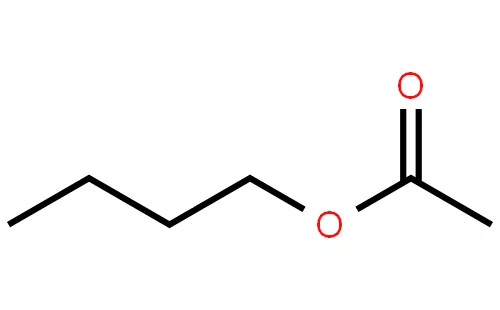
| Chemical Name | n-Butyl Acetate | GC |
| CAS Number | 123-86-4 | - |
| Purity | ≥99.0% | Gas Chromatography |
| Appearance | Clear Colorless Liquid | Visual Inspection |
| Color (Pt-Co) | ≤10 | GB/T 3143 |
| Moisture Content | ≤0.10% | Karl Fischer Method |
| Acidity (as CH₃COOH) | ≤0.005% | Titration |
| Relative Evaporation Rate | 1.0 (Industry Standard) | ASTM D3539 |
| Hansen Solubility Parameter | ≈17.4 MPa¹/² | Calculated |
| Density at 20°C | 0.878–0.883 g/cm³ | GB/T 4472 |
| Boiling Point | 124–126°C | GB/T 7534 |
| Flash Point, Closed Cup | 27°C | GB/T 261 |
| Heavy Metals (Pb, Cd, Hg) | ≤10 ppm | ICP-MS |
| Certifications | ISO 9001, REACH, RoHS | - |
| Shelf Life | 12 Months | - |
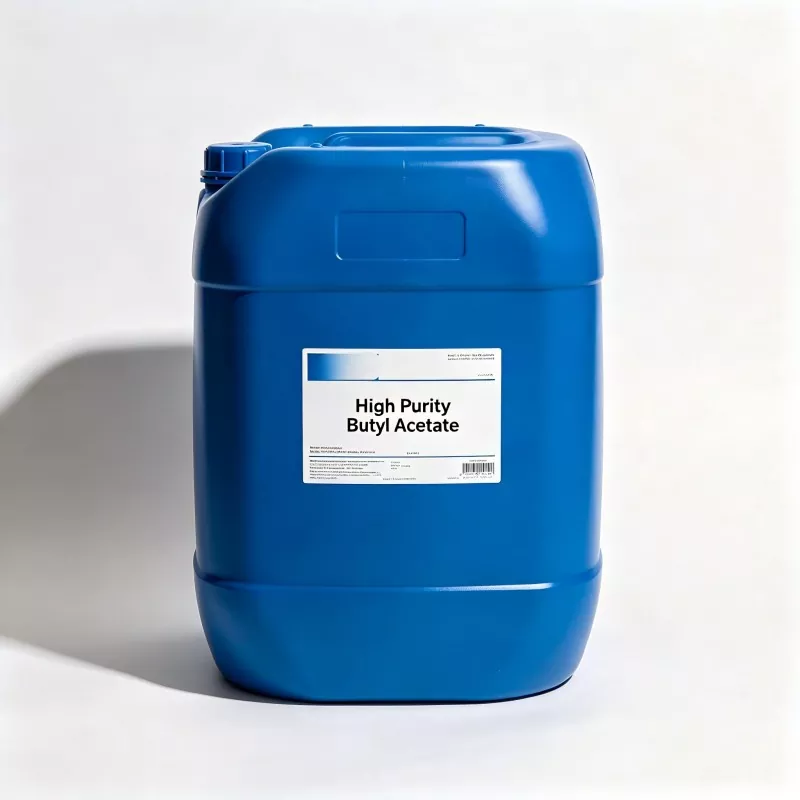
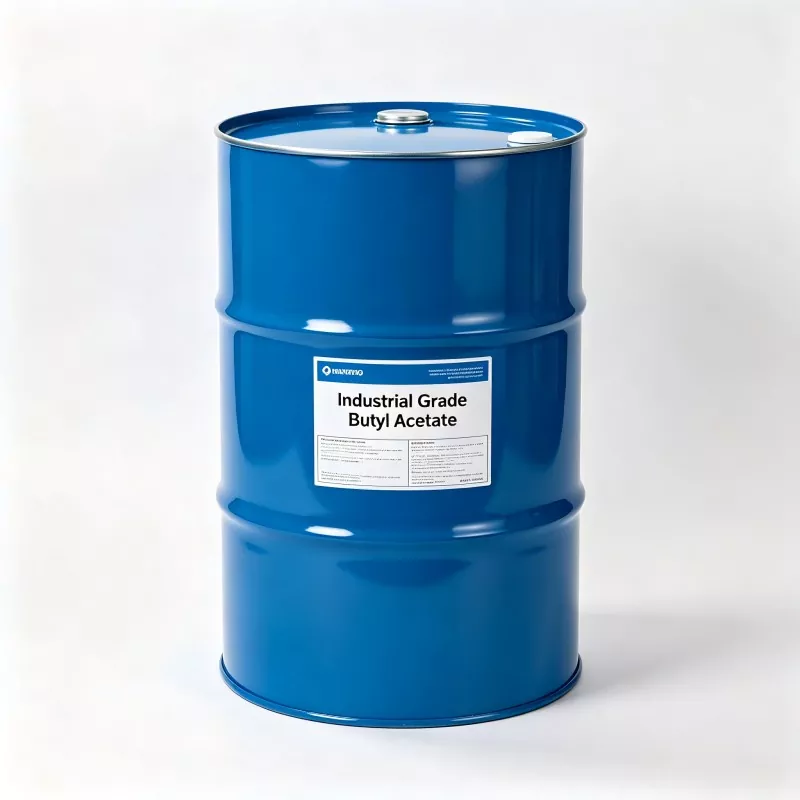
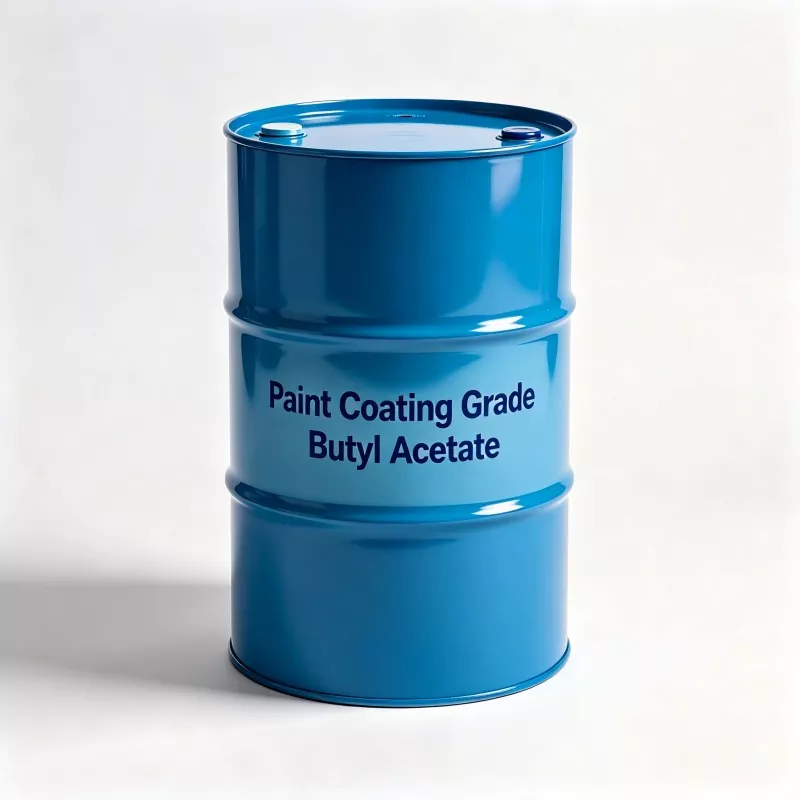
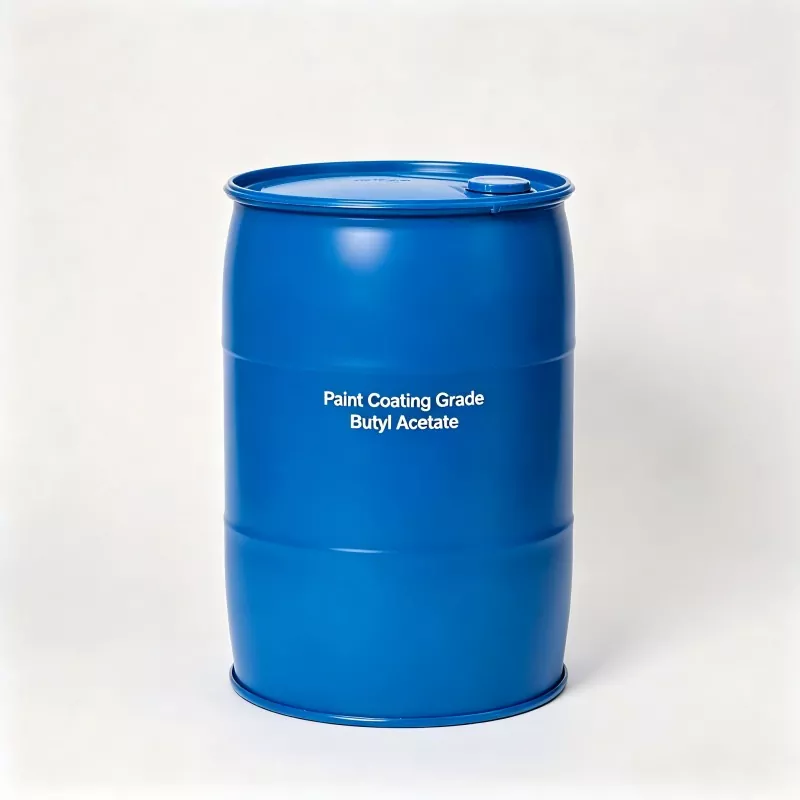
| Packaging | 180kg Drum, ISO Tank, Bulk Supply | - |
A Southeast Asian coating manufacturer was searching for a reliable Butyl Acetate supplier to improve solvent consistency during paint formulation. Previous solvent variations affected coating viscosity adjustment and final surface appearance.
After adopting Shandong Aolansu Paint Coating Grade Butyl Acetate, the customer achieved more stable resin dissolution performance and improved coating application consistency. The controlled evaporation characteristics helped optimize film leveling and reduce surface defects during production.
Through continuous supply support, technical communication, and consistent product quality, Aolansu established a long-term partnership with the customer.
Buyers should define the intended application before selecting a butyl acetate grade. Paint and coating production may require tighter control of certain parameters than general-purpose solvent applications, particularly when the final product has strict appearance or formulation requirements.
AOLANSU can confirm purity, moisture, packaging, and other technical requirements according to the customer's intended application before order confirmation.
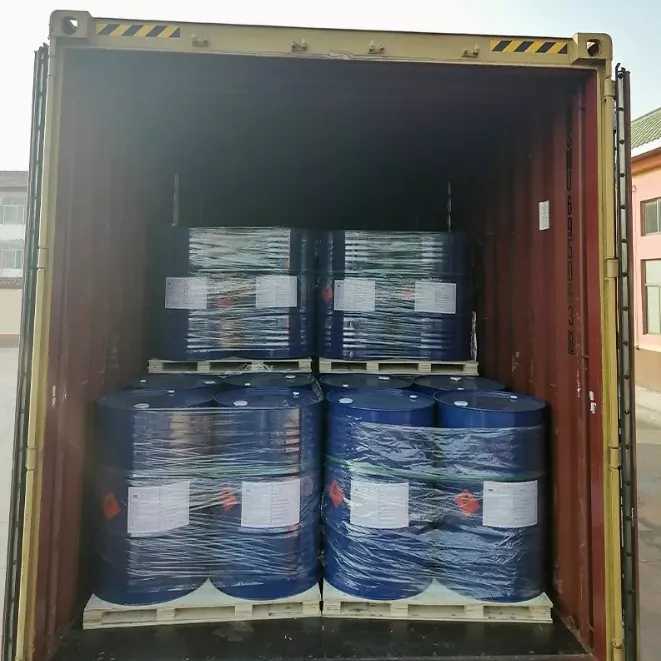
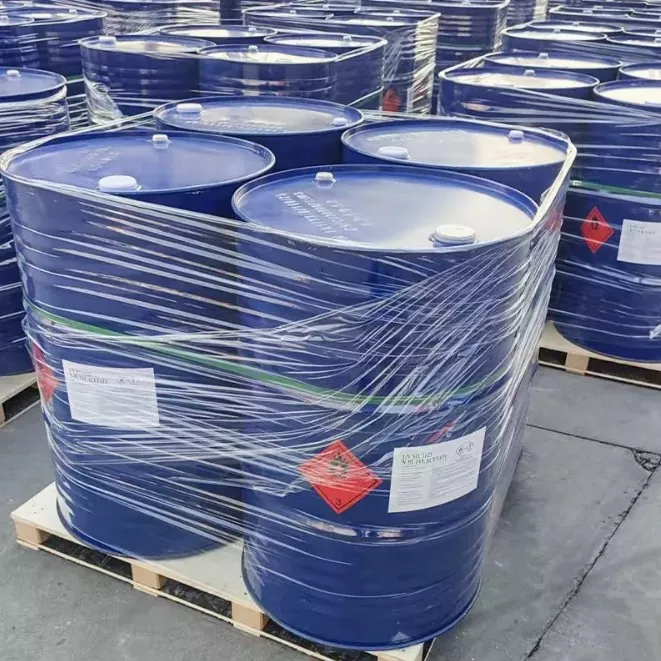
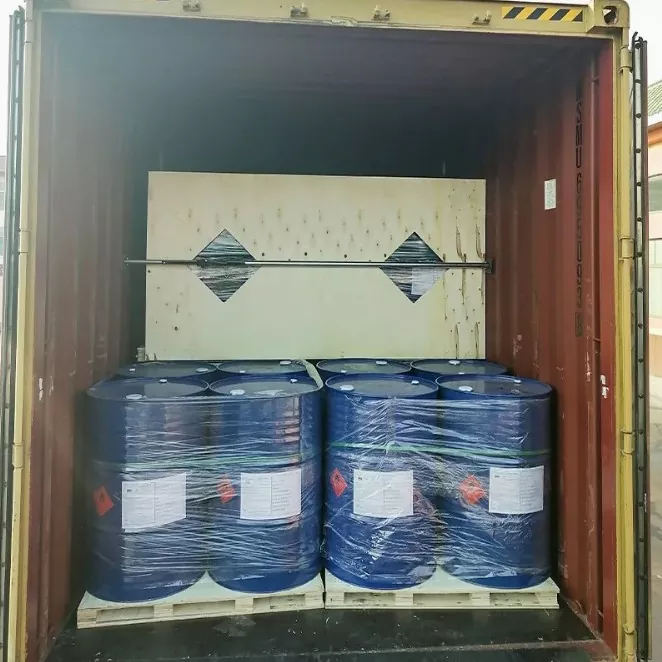
For regular industrial consumption, drums can provide a practical balance between handling and storage. Larger coating manufacturers may prefer ISO tanks or bulk supply arrangements to reduce packaging handling and support continuous production.
The final packaging method should be selected according to order volume, storage facilities, transportation route, and local hazardous chemical requirements.
For B2B chemical procurement, product documentation is an important part of supplier qualification. COA information allows purchasing and quality teams to compare delivered material with agreed specifications.
AOLANSU can provide relevant product and safety documentation according to customer requirements and shipment conditions.
Butyl acetate provides good solvency for many coating resins and has a moderate evaporation rate. These properties make it useful for resin dissolution, viscosity adjustment, wet-film flow, and leveling in many solvent-based coating systems.
It can be used in selected automotive coating and refinishing formulations, particularly where resin compatibility and controlled evaporation are required. Final suitability depends on the specific resin system and formulation design.
No. The objective is an appropriate evaporation balance. Excessively slow evaporation may increase drying time, while excessively fast evaporation can reduce leveling. The best solvent system depends on resin chemistry, coating thickness, application method, and environmental conditions.
Not necessarily. Butyl acetate and ethyl acetate have different evaporation and solvency characteristics. Butyl acetate is generally selected when a formulation requires a slower evaporation profile and additional leveling time. Any replacement should be evaluated through formulation testing.
Yes. AOLANSU can provide Certificate of Analysis, SDS, product specifications, and relevant shipping documentation according to customer requirements.
Available supply options include 180kg drums, ISO tanks, and bulk transportation solutions. Packaging can be discussed according to order quantity, destination, and transportation requirements.
AOLANSU can discuss customer-specific requirements concerning purity, moisture control, packaging, labeling, and supply arrangements. Technical requirements should be confirmed before bulk production.
Shandong Aolansu Environmental Protection Technology Co., Ltd. provides solvent products for coating, paint, printing ink, adhesive, and industrial chemical applications. Its production base is located in Binzhou, Shandong, China.
AOLANSU holds a hazardous chemical operation license and maintains procedures for chemical handling, storage, packaging, and transportation. This provides an important foundation for compliant B2B chemical supply.
Quality inspection is carried out according to the agreed product specifications, while COA documentation can be supplied to support customer incoming inspection and internal quality management.
AOLANSU supports overseas customers with product communication, packaging coordination, documentation, and shipment arrangements. The company works with distributors and industrial users to establish stable long-term supply relationships.
If your production requires a solvent with controlled evaporation, reliable resin solvency, and stable batch quality, Paint Coating Grade Butyl Acetate can be evaluated as part of your coating formulation.
Contact AOLANSU to discuss your required purity, moisture specification, packaging, order volume, COA requirements, and international delivery conditions.
Address
(North of Dongwei Group, West) Houwei Village, Changshan Town, Zouping City, Binzhou, Shandong Province, China
Tel