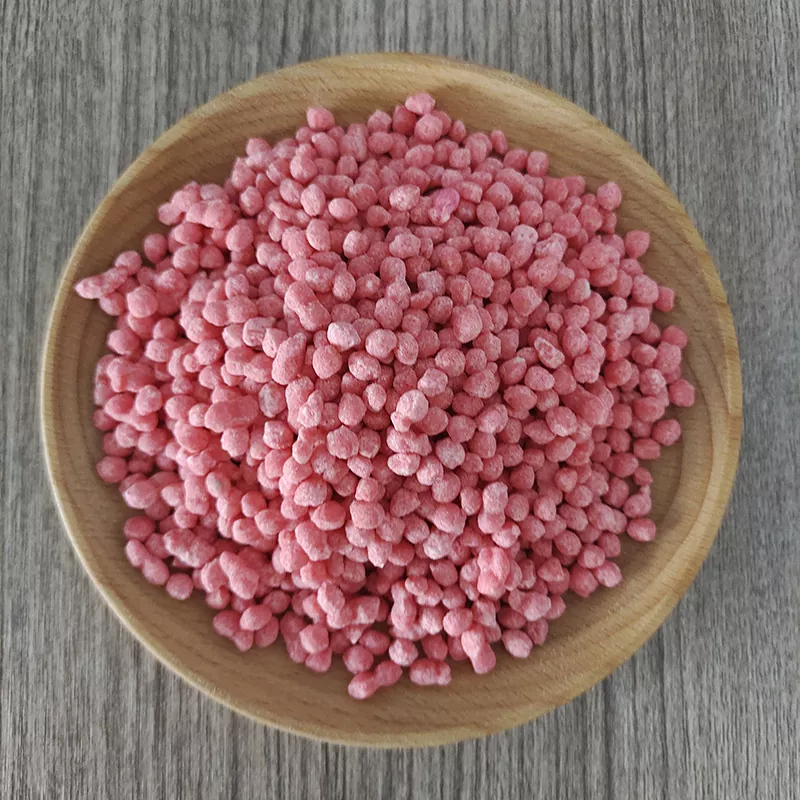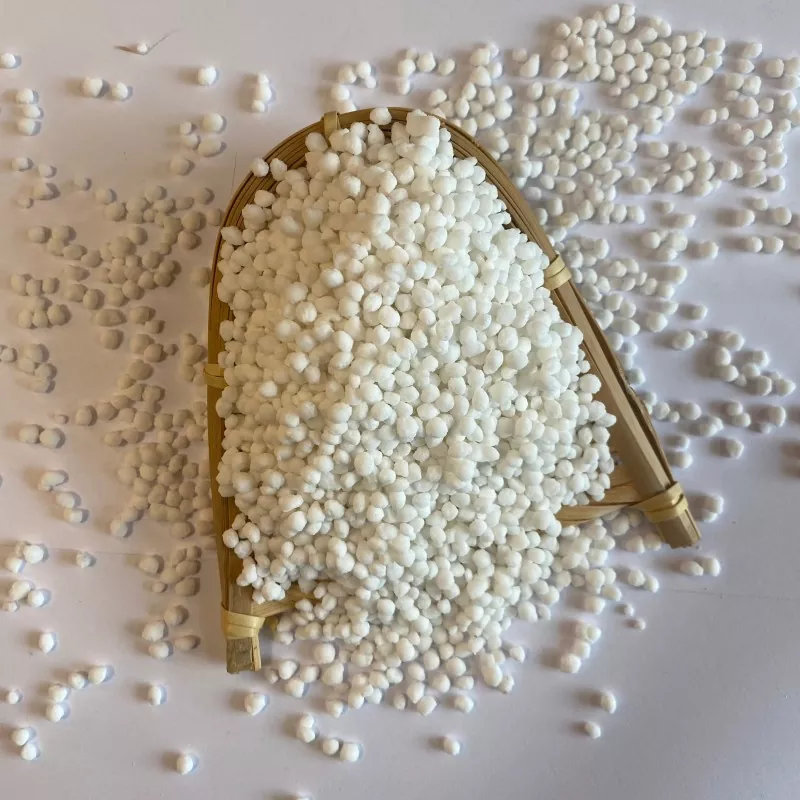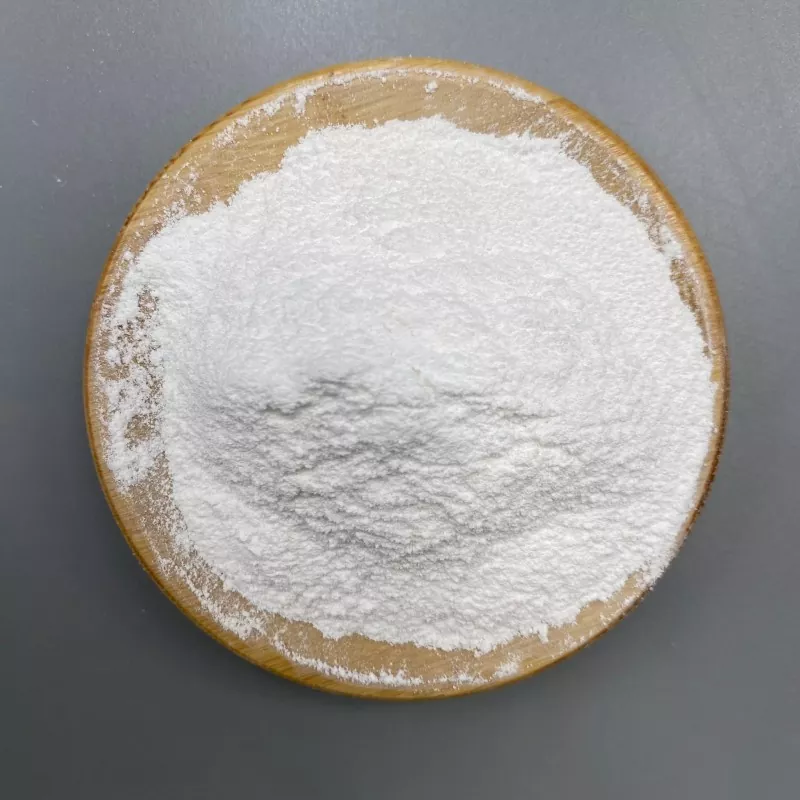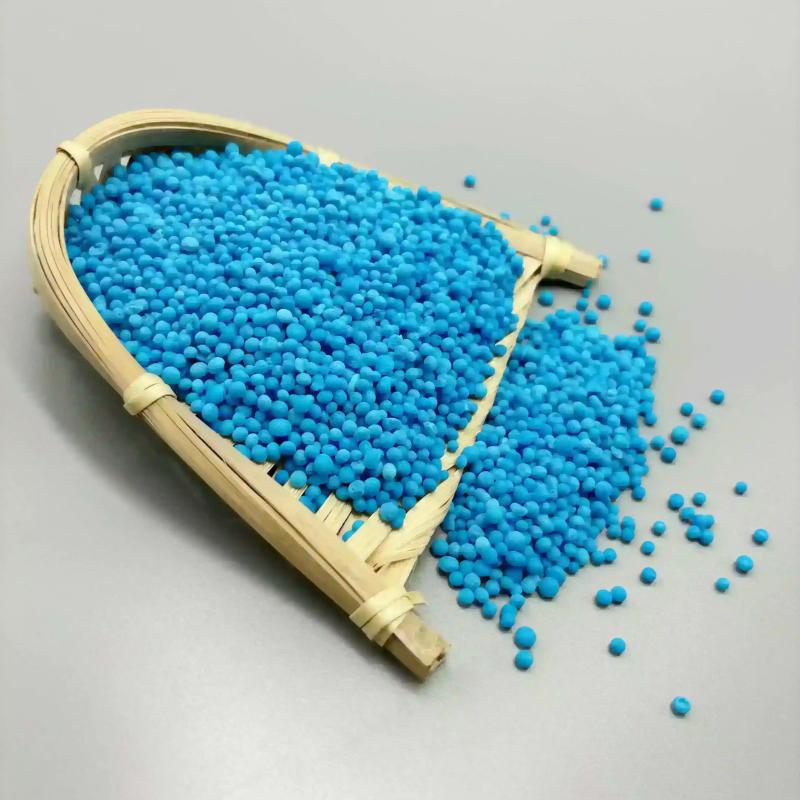
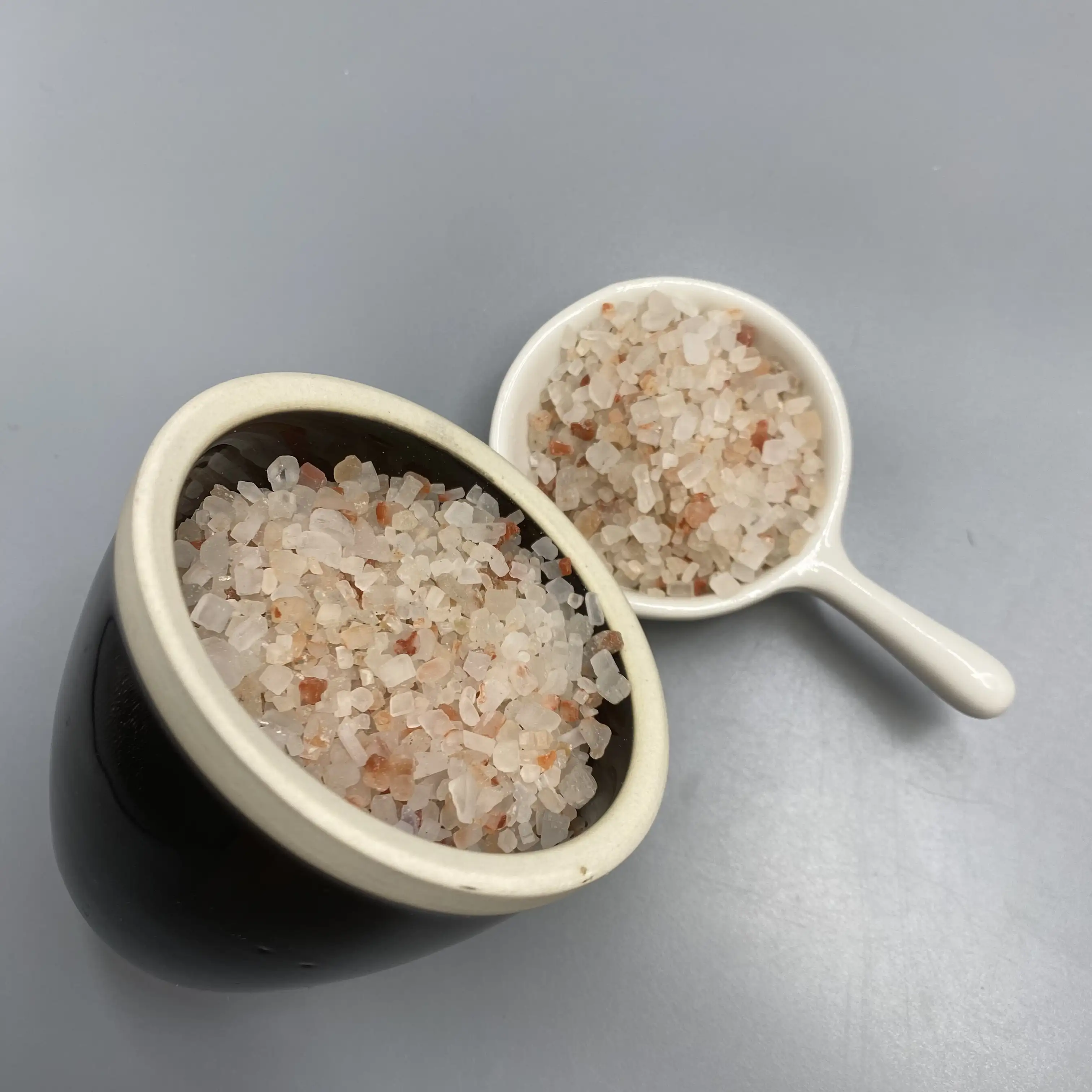
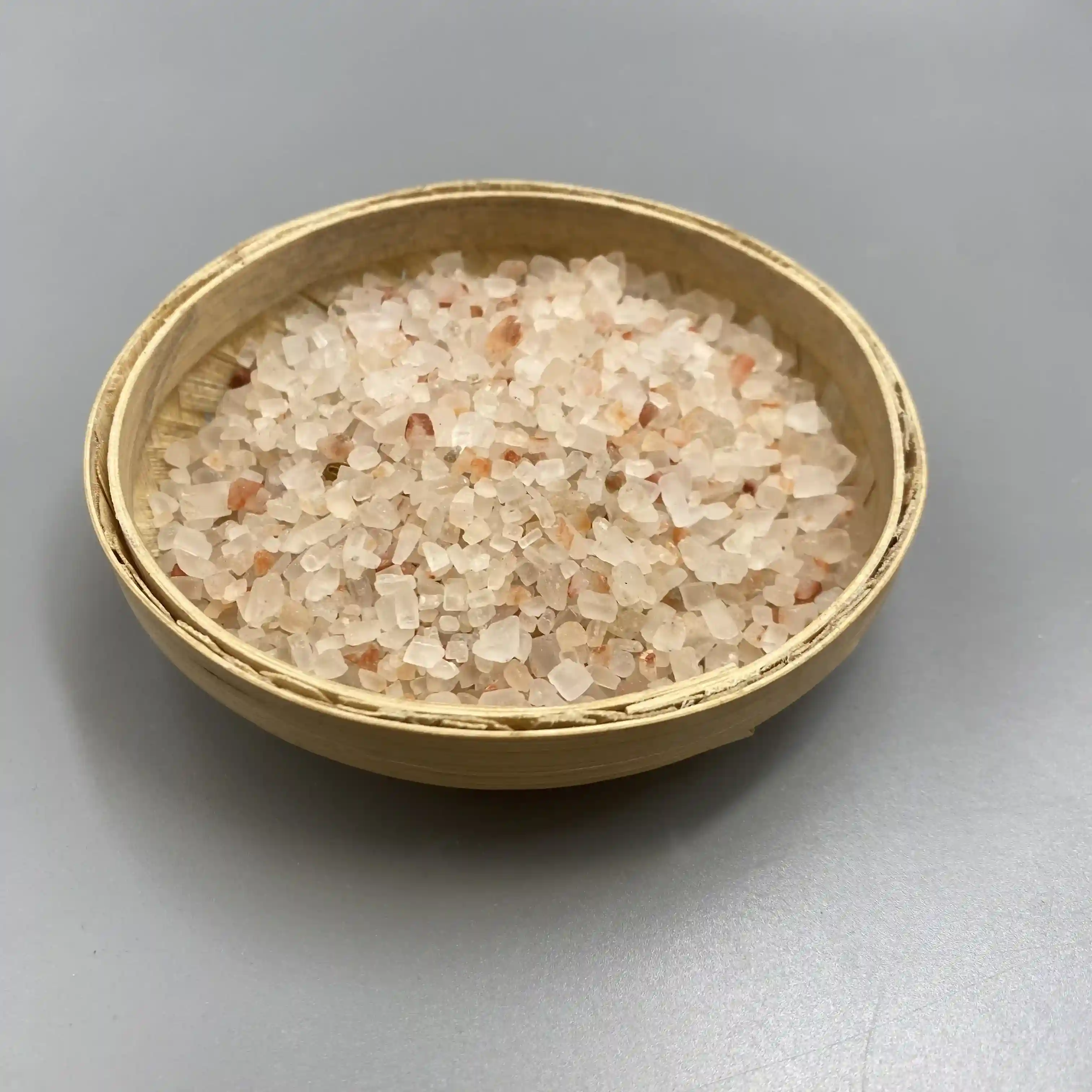
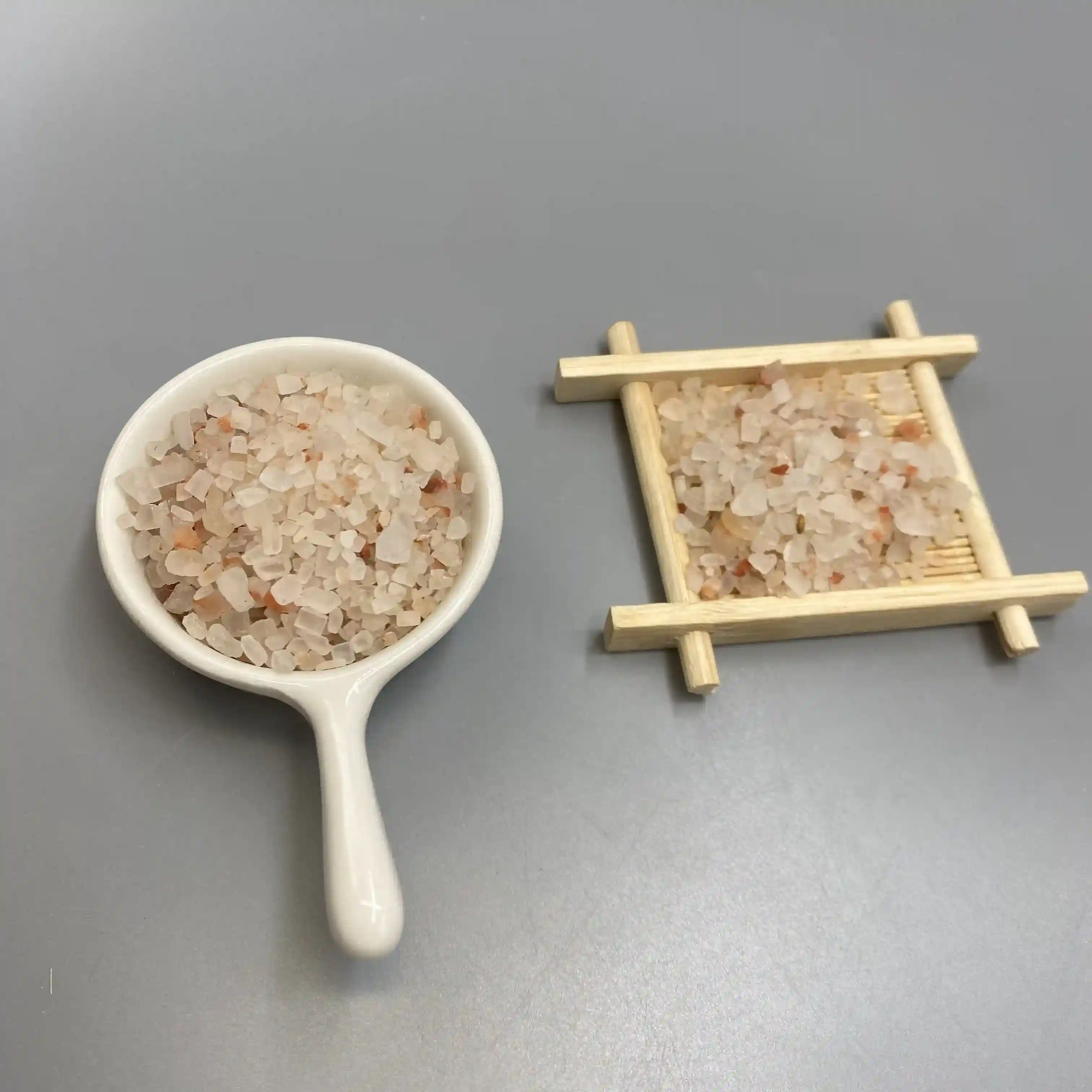
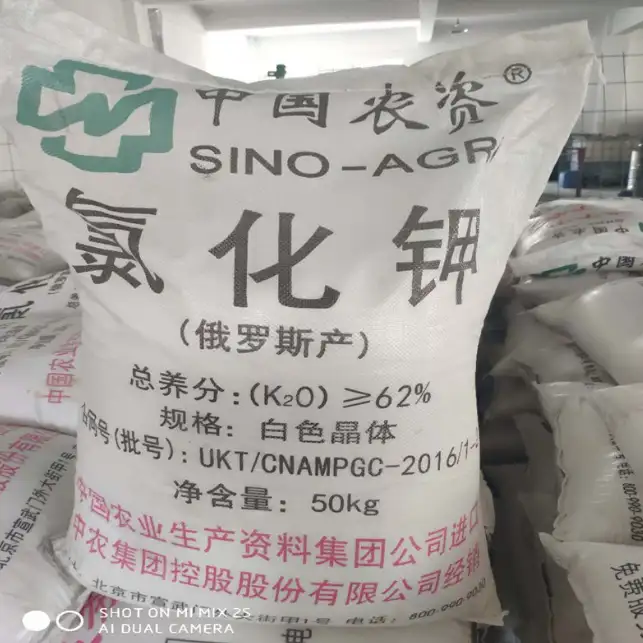
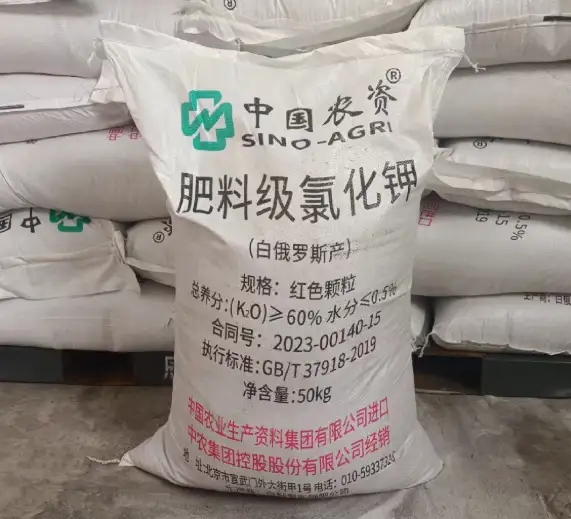
Potassium Chloride (KCl), commonly known as Muriate of Potash (MOP), is a widely used potassium fertilizer that supplies an essential nutrient for plant growth and crop development. With the chemical formula KCl and CAS No. 7447-40-7, potassium chloride is an important raw material in agricultural fertilizer production and crop nutrient management.
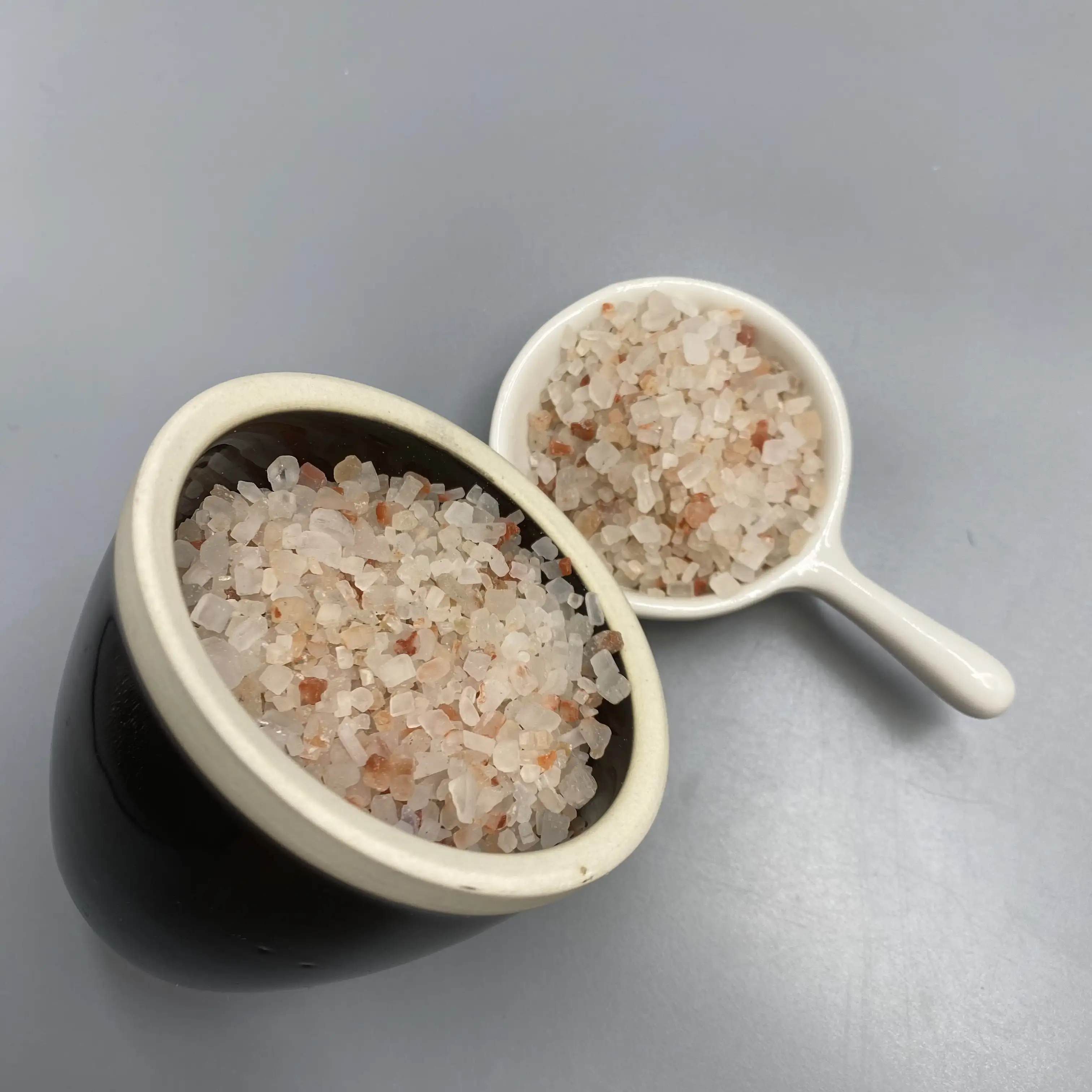
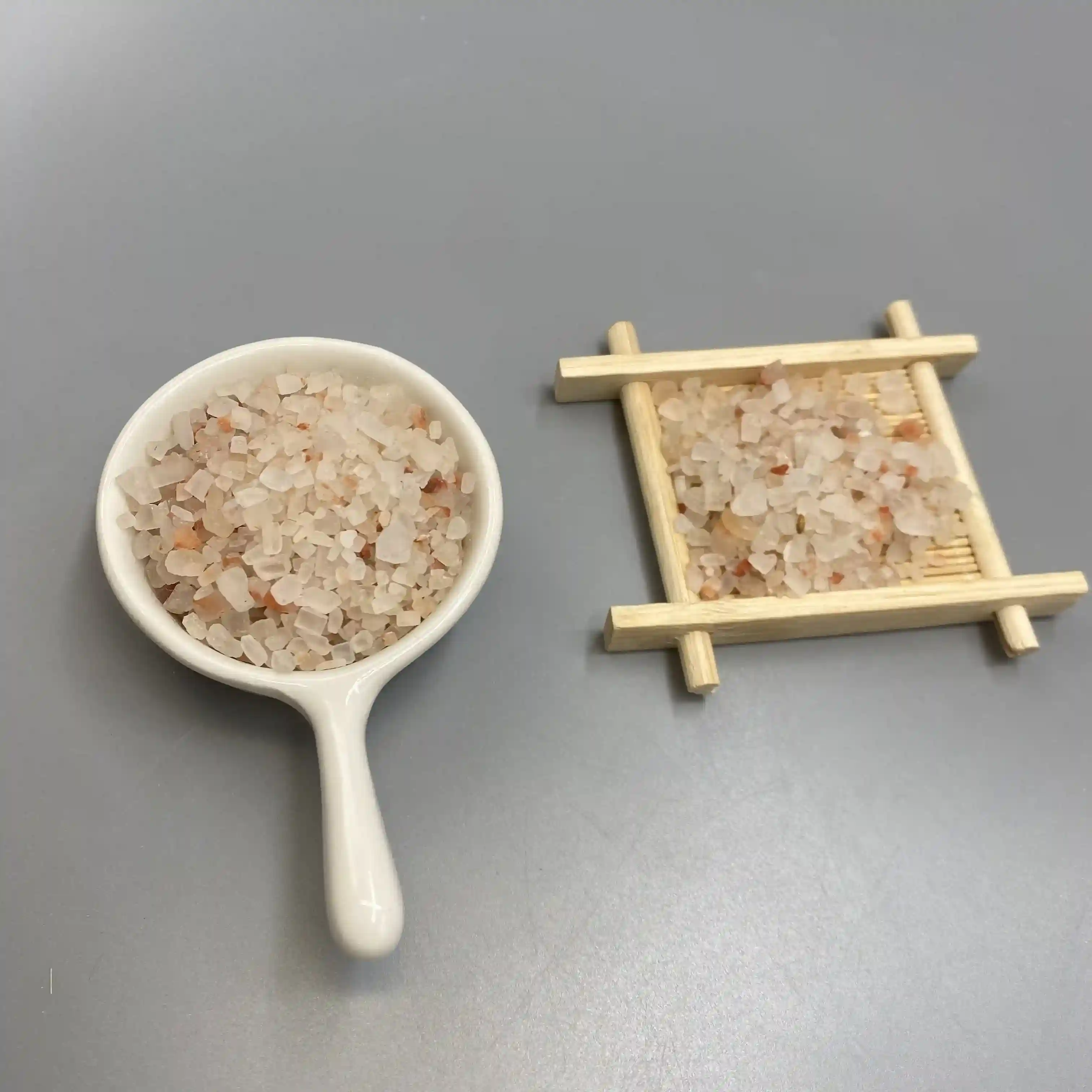
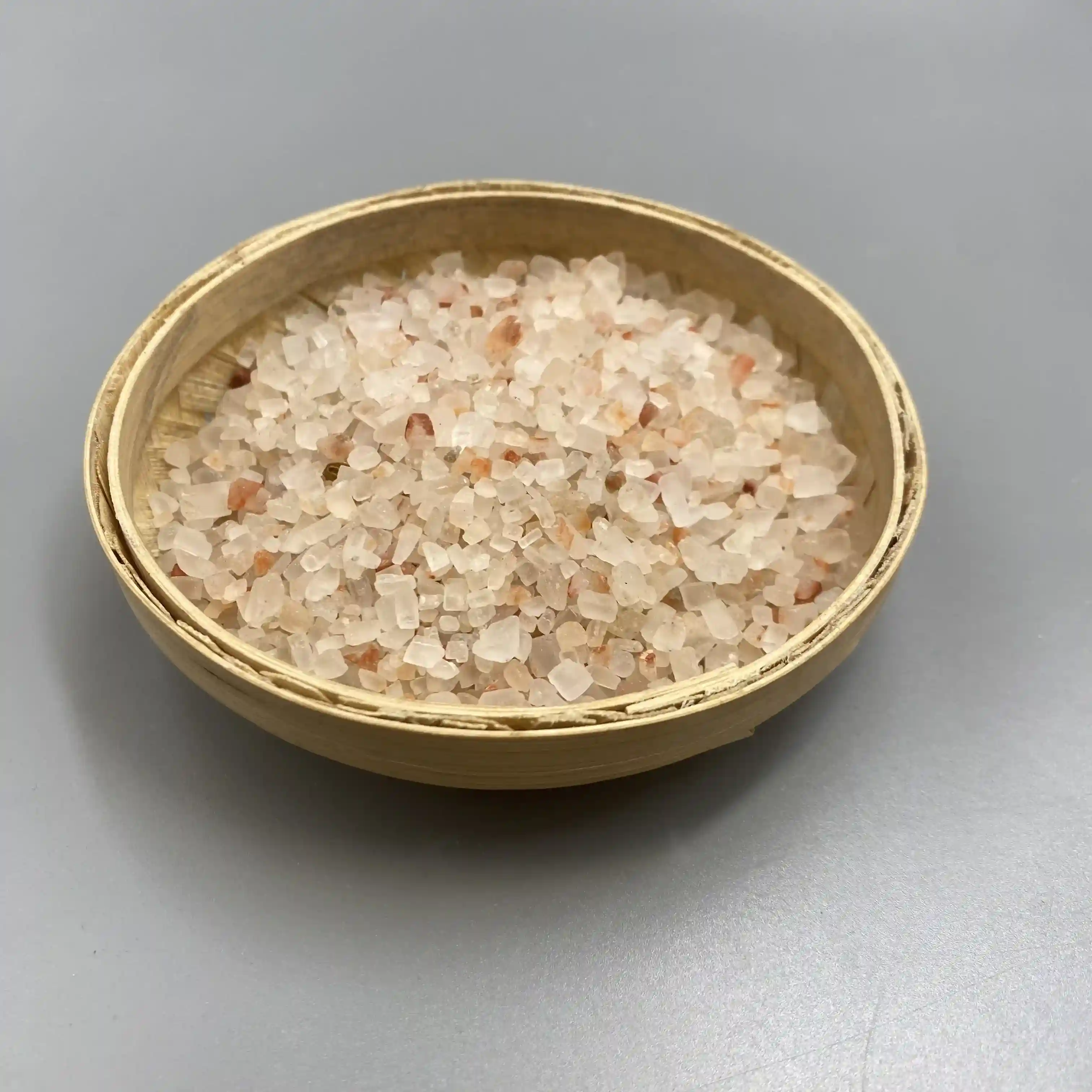
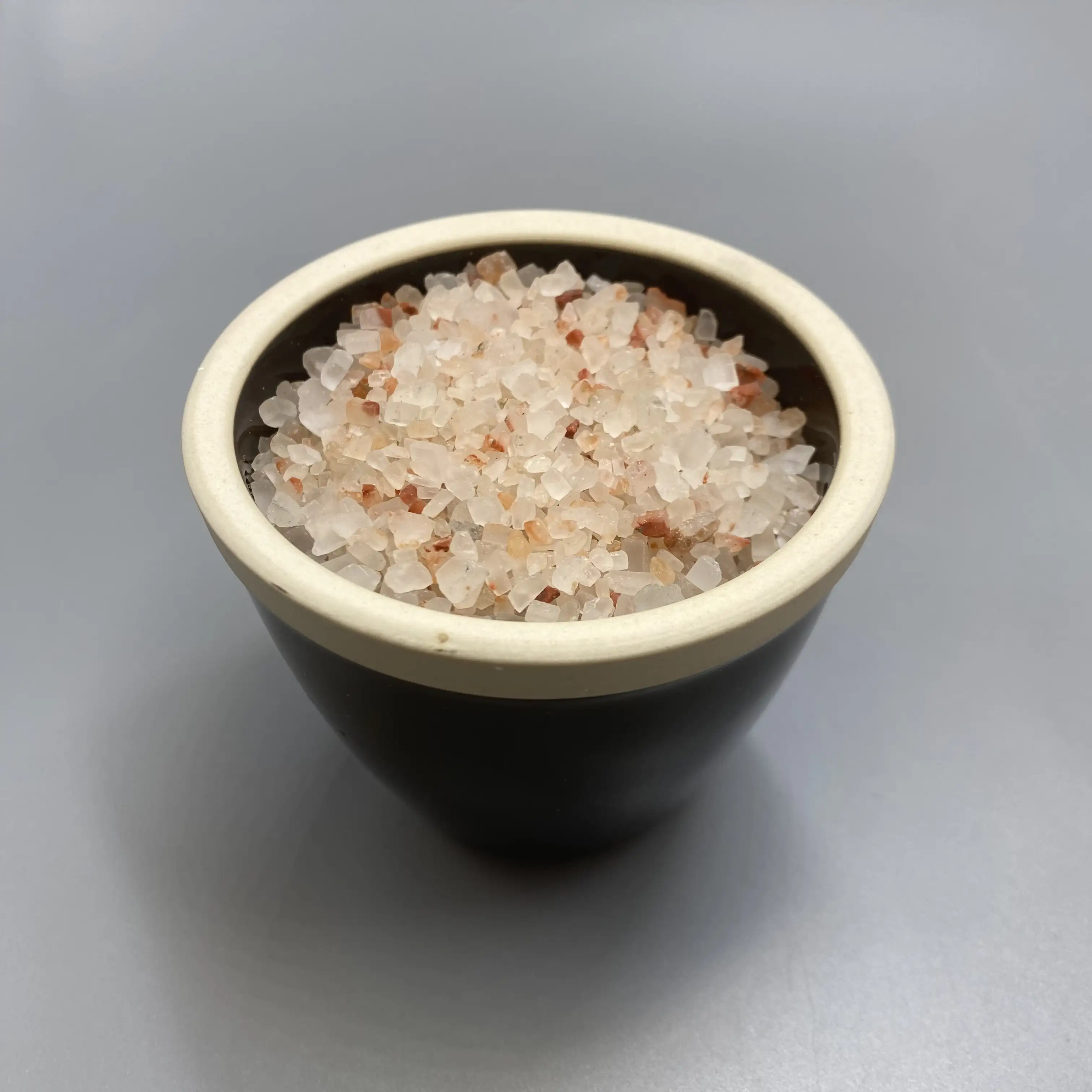
AOLANSU Potassium Chloride Fertilizer features a K₂O content of at least 60% and a particle size of 1–3 mm. Its granular form makes it suitable for agricultural fertilizer applications and compound fertilizer production where a consistent particle size is required. Potassium chloride provides potassium to support plant water regulation, enzyme activation, nutrient transport, and normal crop development.
Potassium chloride is widely used in agricultural production because of its concentrated potassium content and versatility in fertilizer formulations. However, because it also supplies chloride, its suitability depends on crop tolerance, soil conditions, and the intended application.
AOLANSU supplies potassium chloride fertilizer for fertilizer manufacturers, agricultural input distributors, wholesalers, and international importers. Available packaging options include 50 kg and 1,000 kg, supporting different bulk purchasing requirements. The ports of loading are Qingdao and Dalian, China, subject to order and shipping arrangements.
|
Parameter |
Specification |
|
Product Name |
Potassium Chloride Fertilizer |
|
Common Name |
Muriate of Potash (MOP) |
|
Chemical Formula |
KCl |
|
CAS No. |
7447-40-7 |
|
K₂O Content |
≥ 60% |
|
Particle Size |
1–3 mm |
|
Physical Form |
Granular |
|
Net Weight |
50 kg / 1,000 kg |
|
Port of Loading |
Qingdao / Dalian, China |
With a K₂O content of at least 60%, AOLANSU Potassium Chloride Fertilizer provides a concentrated potassium source for agricultural applications. Potassium plays an important role in regulating water balance within plants, activating enzymes, transporting sugars, and supporting normal physiological functions.
Adequate potassium nutrition helps crops maintain healthy growth and supports the development of harvested plant parts. For fertilizer manufacturers and agricultural suppliers, high-potassium raw materials are useful when formulating products designed to meet specific crop nutrient requirements.
The appropriate application rate should be determined according to soil test results, crop type, growth stage, and local agronomic recommendations.
The product has a specified particle size of 1–3 mm, making it suitable for fertilizer applications that require granular materials. Particle size can influence material handling, blending behavior, storage, and spreading performance.
For agricultural distributors and fertilizer manufacturers, selecting a suitable particle size can help meet processing and application requirements. Buyers should confirm the product's physical properties and compatibility with their equipment before use.
Potassium chloride is an important potassium source in the production of compound fertilizers, including NPK fertilizers. It can be combined with nitrogen- and phosphorus-containing ingredients to produce fertilizer formulations with different nutrient ratios.
Its concentrated potassium content makes it a practical raw material for fertilizer manufacturers seeking to meet specific formulation requirements. The final product's nutrient composition and physical characteristics depend on the selected ingredients and manufacturing process.
Potassium is essential for many crops, including cereals, oilseeds, and other field crops. Potassium chloride can be incorporated into fertilizer programs when additional potassium is required and chloride application is suitable for the crop and growing conditions.
Because crop sensitivity to chloride varies, fertilizer selection should take into account soil conditions, irrigation water quality, crop requirements, and the total amount of chloride applied.
AOLANSU Potassium Chloride Fertilizer is available in 50 kg and 1,000 kg packaging options to accommodate different purchasing volumes and transportation requirements.
These packaging options can support procurement planning for fertilizer manufacturers, wholesalers, importers, and agricultural distributors. Buyers can contact AOLANSU to confirm packaging availability, order quantities, and shipping arrangements.
Potassium chloride is widely used as a potassium source in compound fertilizer production. It can be combined with nitrogen and phosphorus sources to manufacture NPK fertilizers for different crops and soil conditions.
Fertilizer manufacturers should select the appropriate raw material based on the target nutrient ratio, production process, and physical requirements of the finished fertilizer.
Cereal crops and other field crops require potassium for normal growth, water regulation, and nutrient transport. Potassium chloride can be used in fertilizer programs when soil analysis indicates a need for potassium and the crop can tolerate the associated chloride input.
Application rates should be determined according to soil fertility, crop nutrient requirements, and local agricultural guidance.
Oilseed and other commercial crops require balanced nutrient management throughout their growth cycles. Potassium chloride may be included in suitable fertilizer programs when potassium supplementation is needed and chloride levels are appropriate for the crop.
Growers should consider crop-specific nutrient requirements and soil conditions when developing a fertilizer plan.
Potassium chloride can provide potassium for a wide range of agricultural applications. It is suitable for situations where the crop requires additional potassium and the soil and growing conditions can accommodate the chloride supplied by the fertilizer.
Soil testing and professional agronomic recommendations can help determine the appropriate fertilizer type and application rate.
K₂O content is an important indicator for evaluating potassium fertilizer products. AOLANSU Potassium Chloride Fertilizer has a specified K₂O content of at least 60%. Buyers should verify the actual composition through the relevant technical documentation and batch Certificate of Analysis (COA), where available.
The specified particle size is 1–3 mm. Particle size is an important consideration for buyers who require granular fertilizer for blending, handling, storage, or application.
Confirming the agreed particle-size range helps ensure that the product meets the buyer's processing and operational requirements.
Physical properties and moisture levels can influence the storage, handling, and application of granular fertilizer. Buyers should confirm the applicable product specifications and storage recommendations before shipment.
Proper storage practices help maintain the physical condition of the fertilizer during warehousing and transportation.
Before placing an order, buyers should confirm the product grade, K₂O content, particle size, packaging, and other agreed requirements. A Technical Data Sheet (TDS) and Certificate of Analysis (COA), where available, can help verify product specifications and batch-specific quality indicators.
AOLANSU Potassium Chloride Fertilizer is available in 50 kg and 1,000 kg packaging options. Buyers should confirm the required packaging format and order quantity according to their storage, handling, and transportation needs.
The product should be stored in a dry, well-ventilated area and protected from excessive moisture. Appropriate storage and handling practices help maintain product quality and support efficient use in agricultural applications and fertilizer production.
The available ports of loading are Qingdao and Dalian, China. The final loading port and shipment schedule should be confirmed according to order arrangements, cargo availability, and shipping conditions.
AOLANSU provides product information and procurement support for international fertilizer buyers. Fertilizer manufacturers, distributors, wholesalers, and importers can contact AOLANSU to discuss potassium chloride specifications, packaging options, bulk orders, and export arrangements.
Q1: What is potassium chloride fertilizer used for?
Potassium chloride fertilizer supplies potassium for crop growth and is widely used in agricultural nutrient management and NPK fertilizer production. Its suitability depends on crop nutrient requirements, soil conditions, and chloride tolerance.
Q2: What is the K₂O content of AOLANSU Potassium Chloride Fertilizer?
The specified K₂O content is at least 60%. Buyers should consult the applicable technical documentation and batch analysis report to confirm the composition of the supplied product.
Q3: What is the particle size of this potassium chloride fertilizer?
The specified particle size is 1–3 mm. This granular form can be suitable for fertilizer applications and blending processes that require materials within this size range.
Q4: What packaging options are available?
AOLANSU Potassium Chloride Fertilizer is available in 50 kg and 1,000 kg packaging options. Buyers should confirm packaging details and order quantities with the supplier before placing an order.
Address
(North of Dongwei Group, West) Houwei Village, Changshan Town, Zouping City, Binzhou, Shandong Province, China
Tel