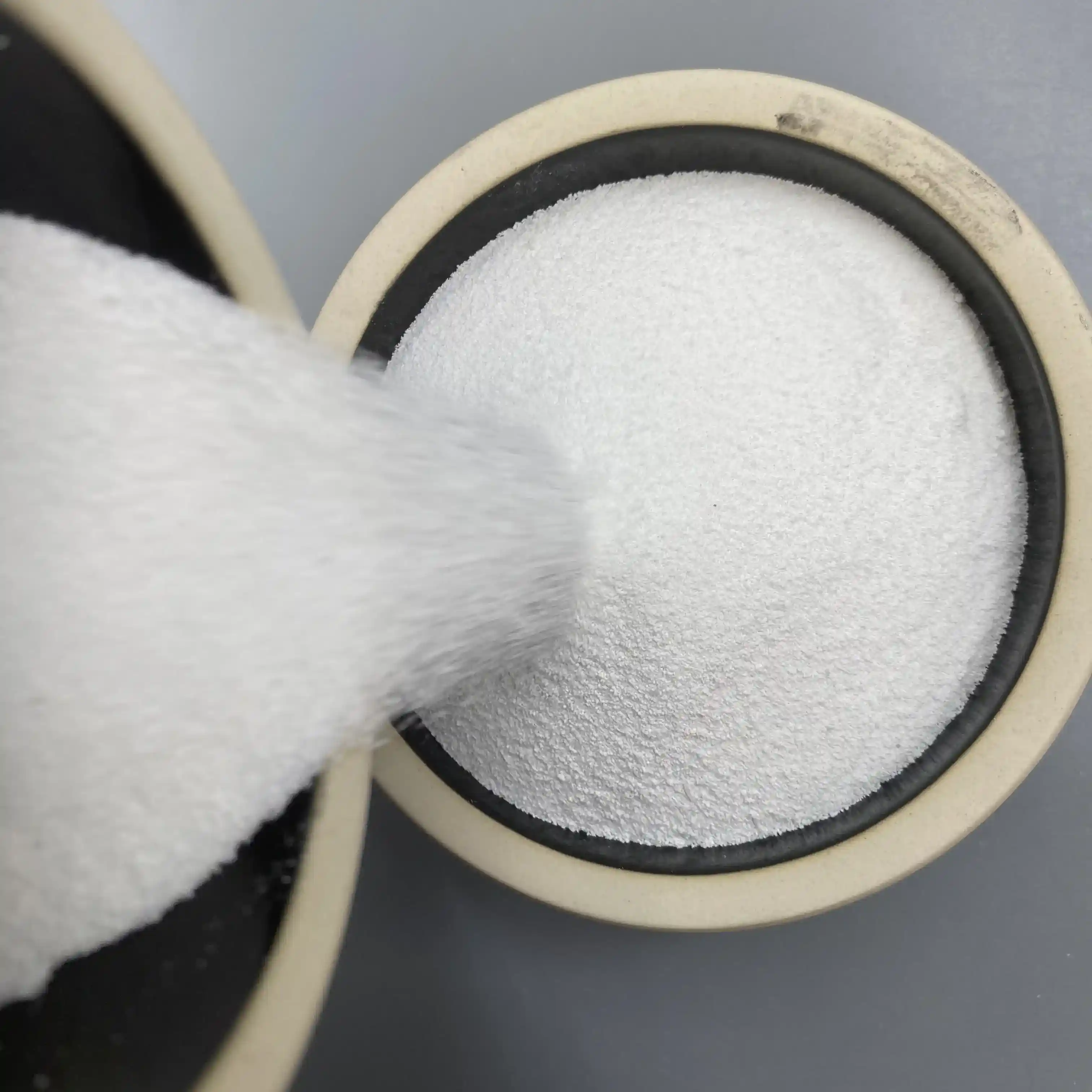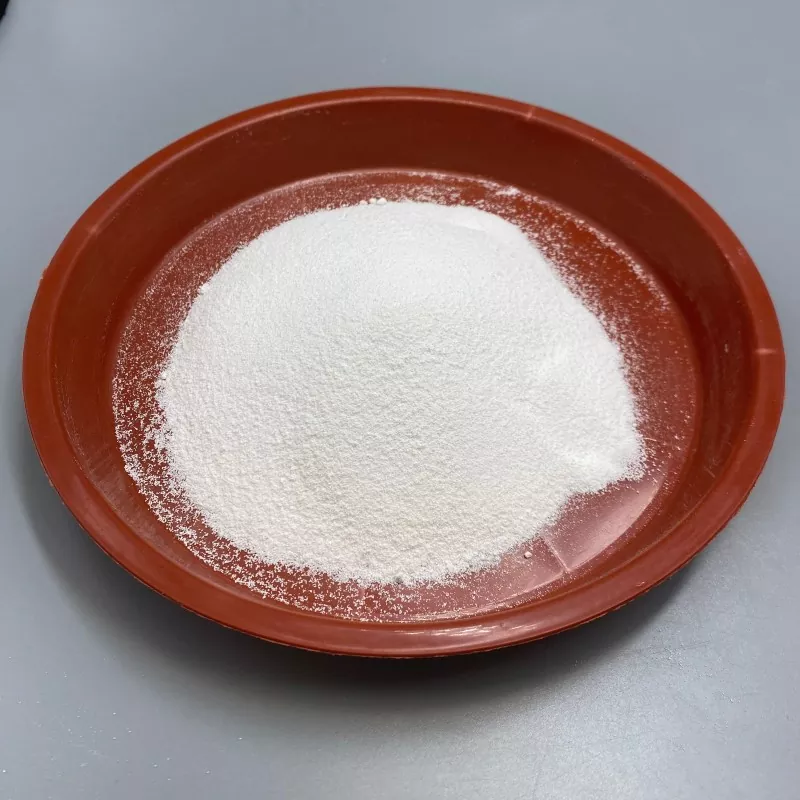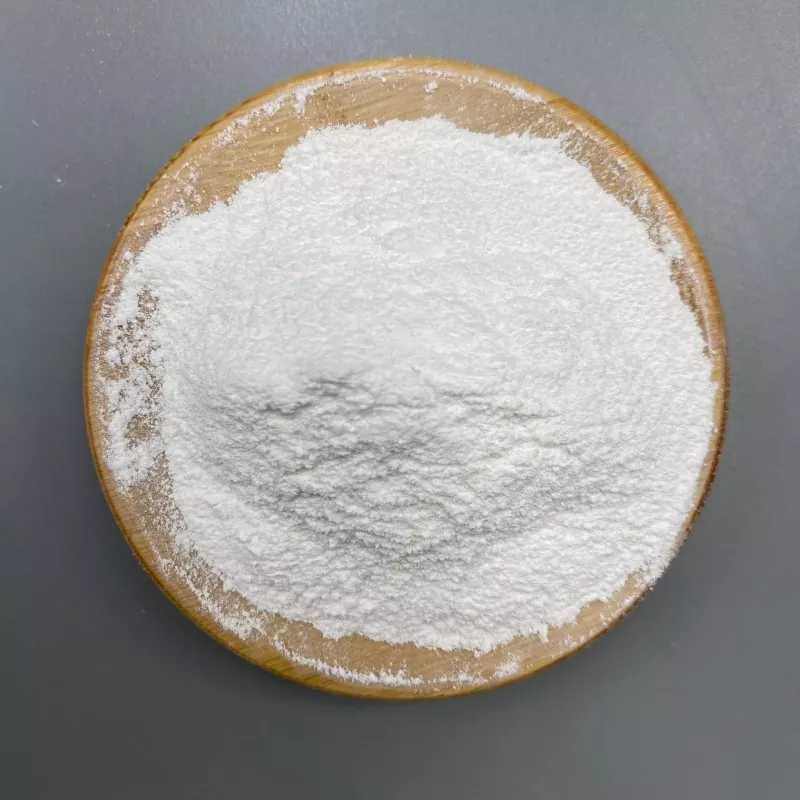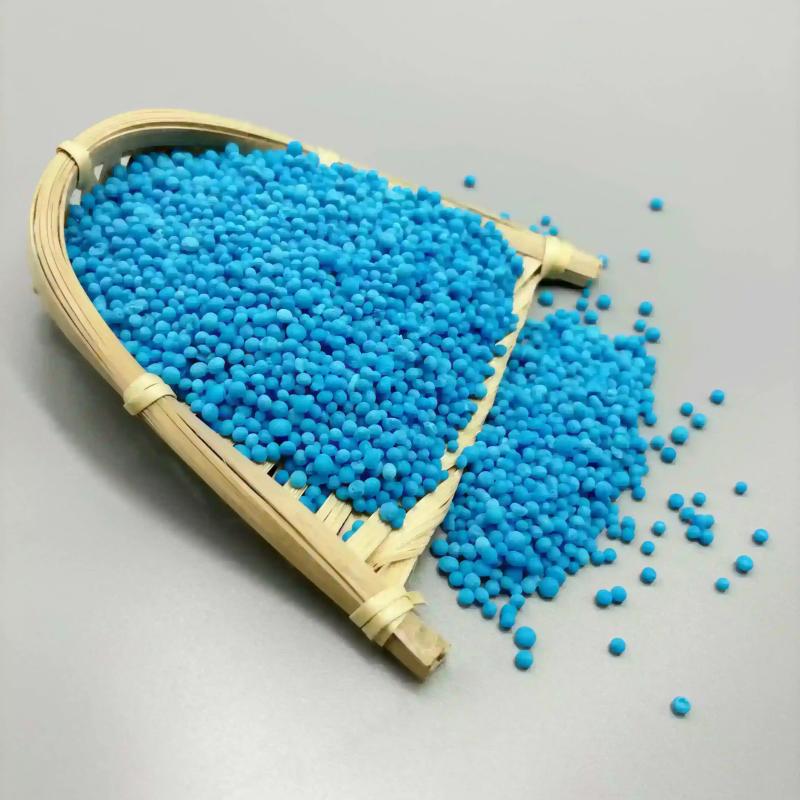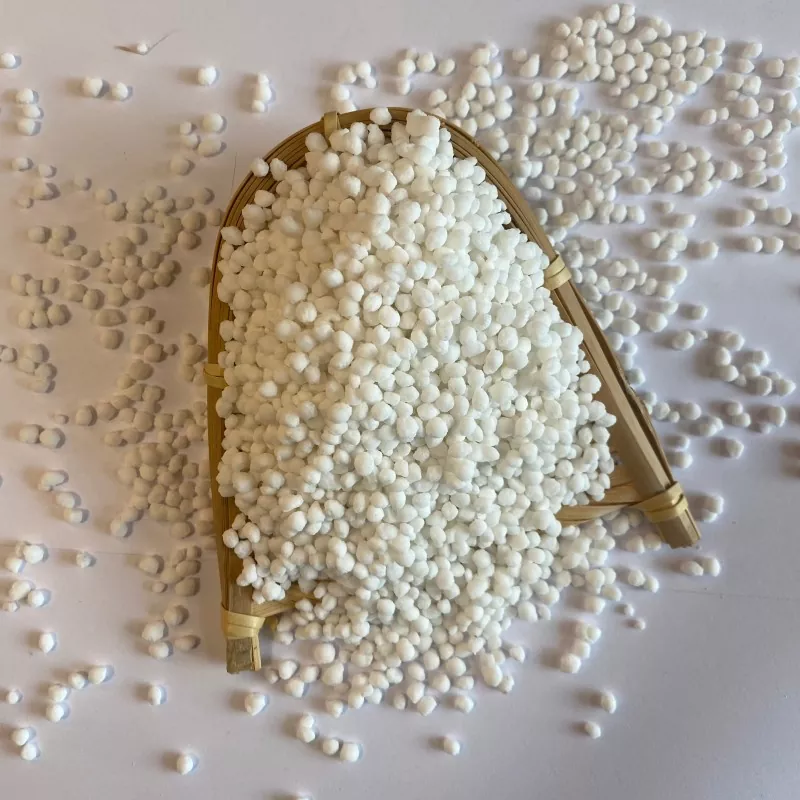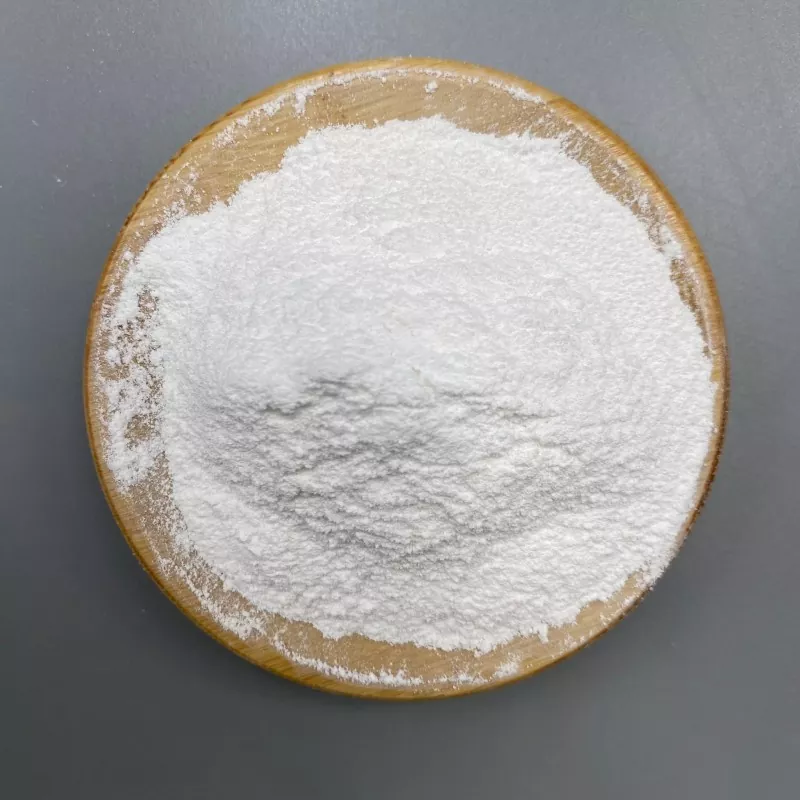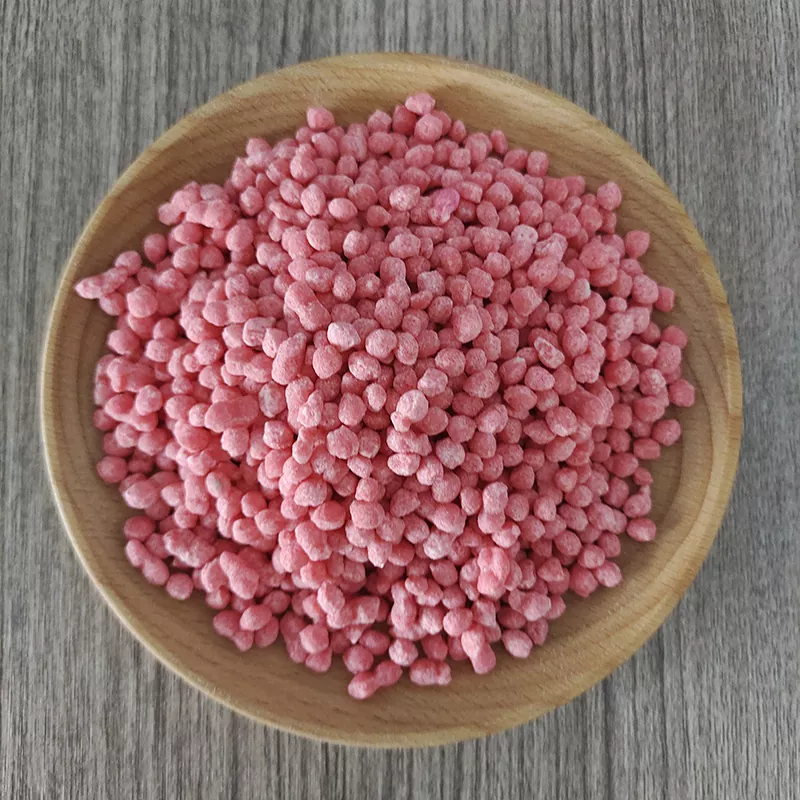
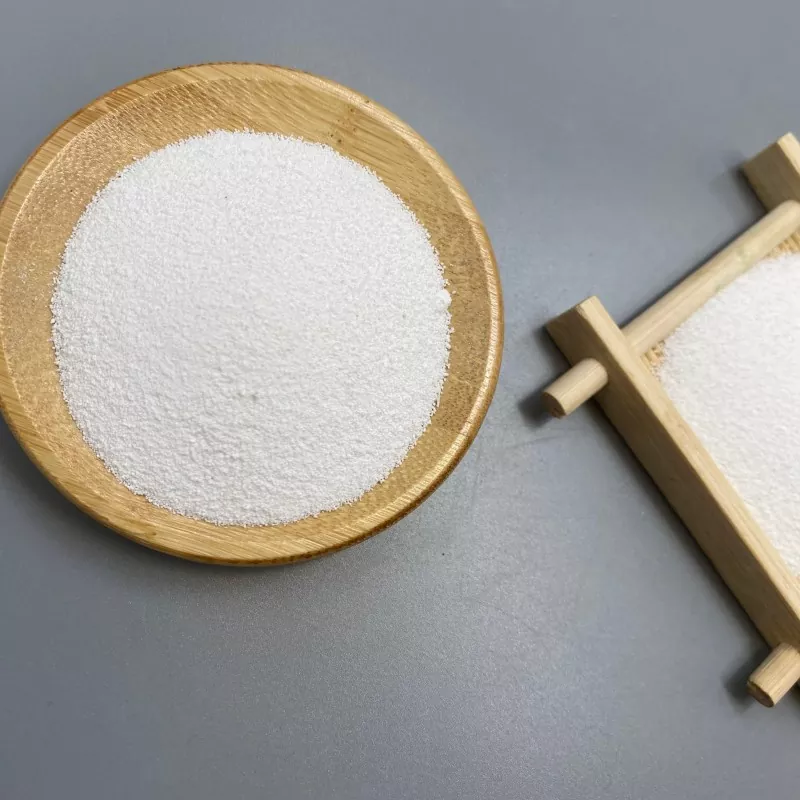
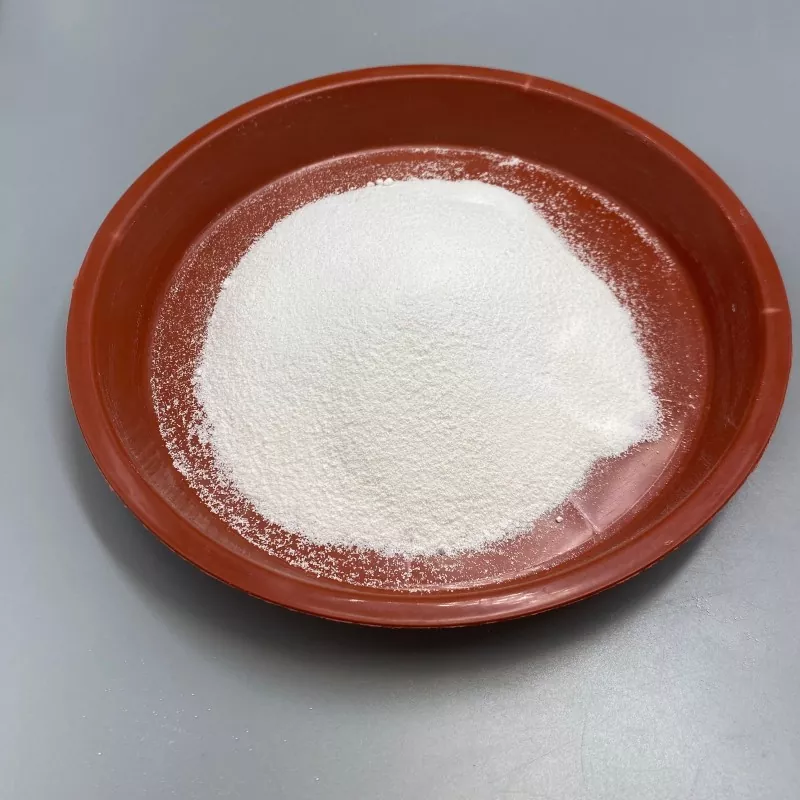
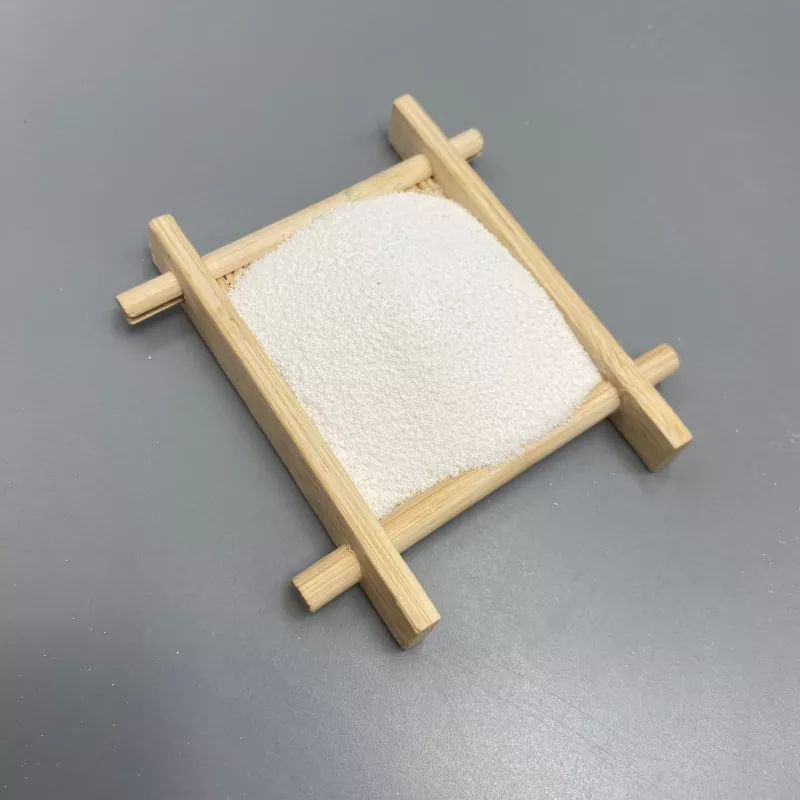
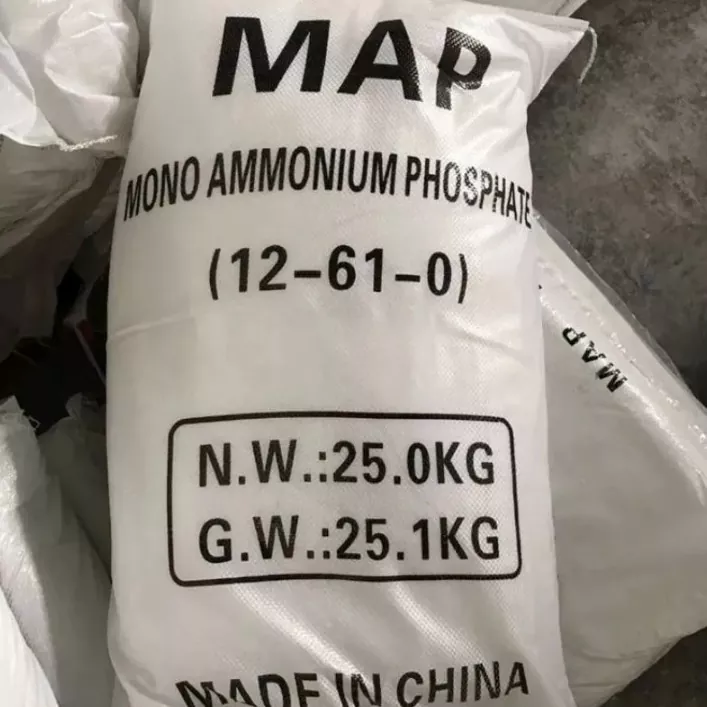
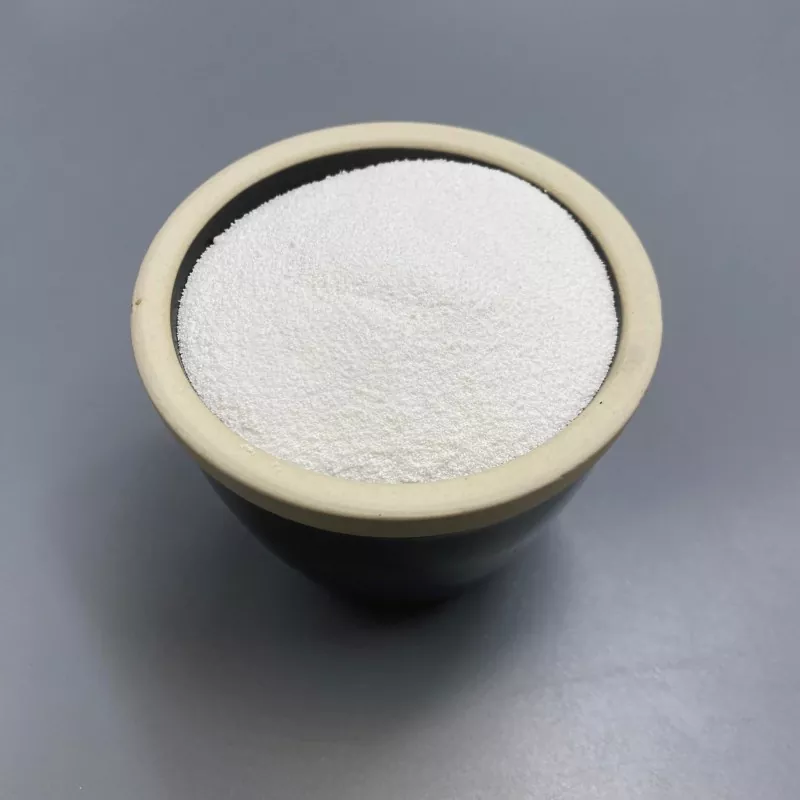
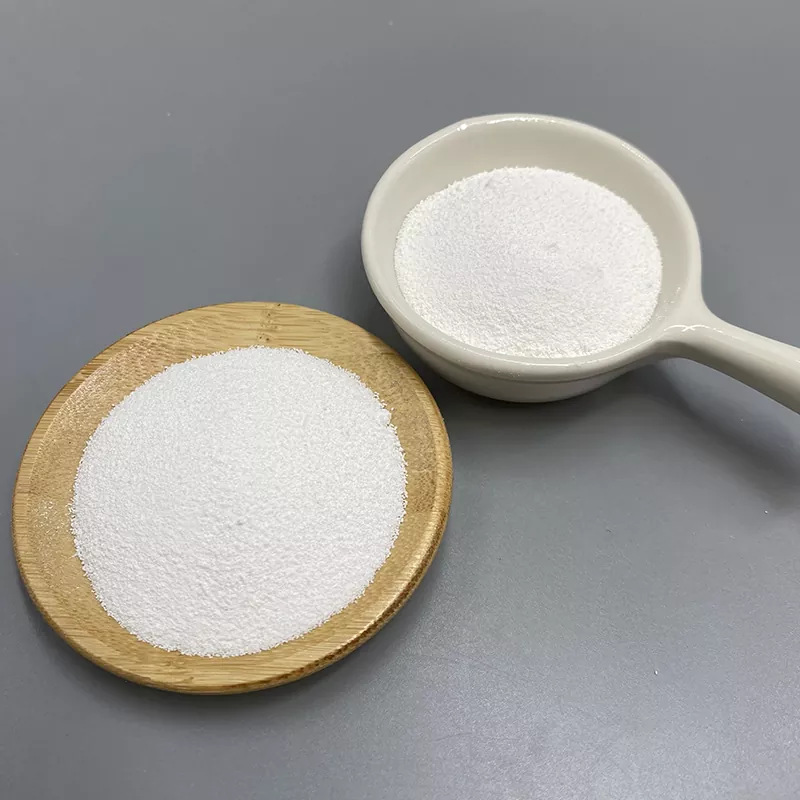
AOLANSU Agricultural Monoammonium Phosphate CAS 7722-76-1 is a water-soluble nitrogen and phosphorus fertilizer developed for growers, fertilizer distributors, and agricultural formulators seeking a concentrated phosphorus source for crop establishment and nutrient management. With the chemical formula NH₄H₂PO₄, it provides nitrogen (N) and available phosphorus (P₂O₅) in one fertilizer, with a typical nutrient ratio of approximately 11-44.
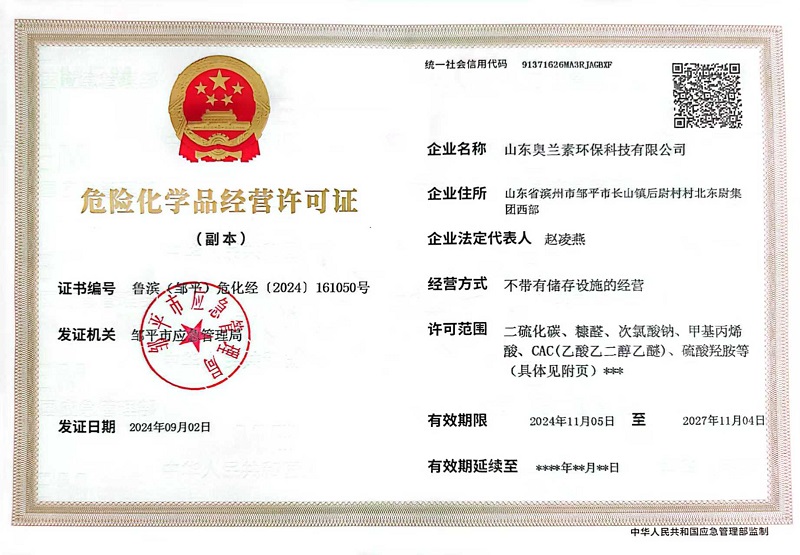
Manufactured by Shandong AOLANSU Environmental Protection Technology Co., Ltd. in China, the product is produced through controlled ammoniation, granulation, drying, screening, and quality inspection. AOLANSU also holds a Hazardous Chemicals Business License and provides professional documentation and export support for qualified international fertilizer buyers.
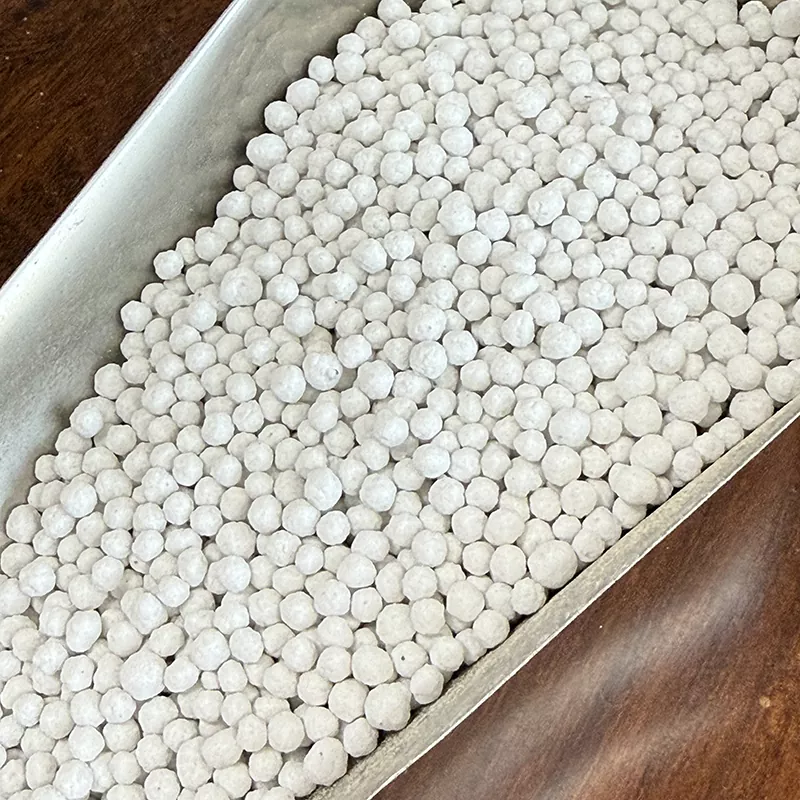
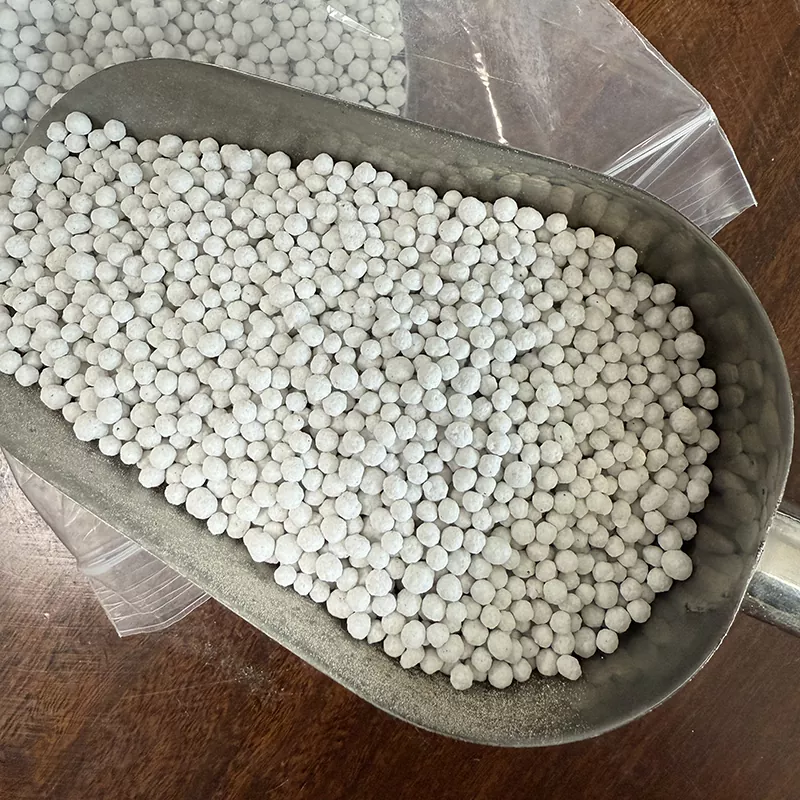
Rather than focusing only on total nutrient content, this product is designed around an important agricultural purchasing concern: how quickly and efficiently phosphorus becomes available to crops after application. With water-soluble phosphorus of ≥90%, uniform 2-4 mm granules, and total N+P₂O₅ content of ≥55%, it is suitable for basal fertilization, seed-zone nutrient management, fertigation, and fertilizer blending programs.
Phosphorus is closely associated with early root development, energy transfer, cell division, flowering, and crop maturity. However, the total phosphorus added to soil does not necessarily represent the amount immediately available to plants.
In some soils, especially soils with high levels of calcium, iron, or aluminum, phosphorus can become fixed and less available to plant roots. For this reason, fertilizer buyers often evaluate water-soluble phosphorus in addition to total P₂O₅ content.
AOLANSU Agricultural Monoammonium Phosphate CAS 7722-76-1 provides a highly water-soluble phosphorus source that can dissolve rapidly after application. This makes it particularly useful when phosphorus availability during crop establishment is an important part of the nutrient management strategy.
The ammonium nitrogen component provides an immediately available nitrogen source for early plant development. Nitrogen supports leaf formation, chlorophyll production, and vegetative growth, complementing the phosphorus supplied by the same fertilizer granule.
The high proportion of available phosphorus makes MAP suitable for crop stages where root development and early establishment are important. Adequate phosphorus can support root expansion and improve the plant's ability to explore soil for water and nutrients.
Combining nitrogen and phosphorus in one fertilizer simplifies nutrient planning compared with sourcing and applying separate nutrient products. It can also reduce the number of individual fertilizer materials required in a blending program.
Water-soluble phosphorus is ≥90% of the specified available phosphorus content. This characteristic makes the product suitable for agricultural programs where rapid dissolution and phosphorus availability are important considerations.
Total nitrogen plus phosphorus pentoxide content reaches ≥55%. The concentrated formulation helps agricultural distributors and growers deliver a significant amount of N and P₂O₅ without using excessive quantities of lower-analysis fertilizer.
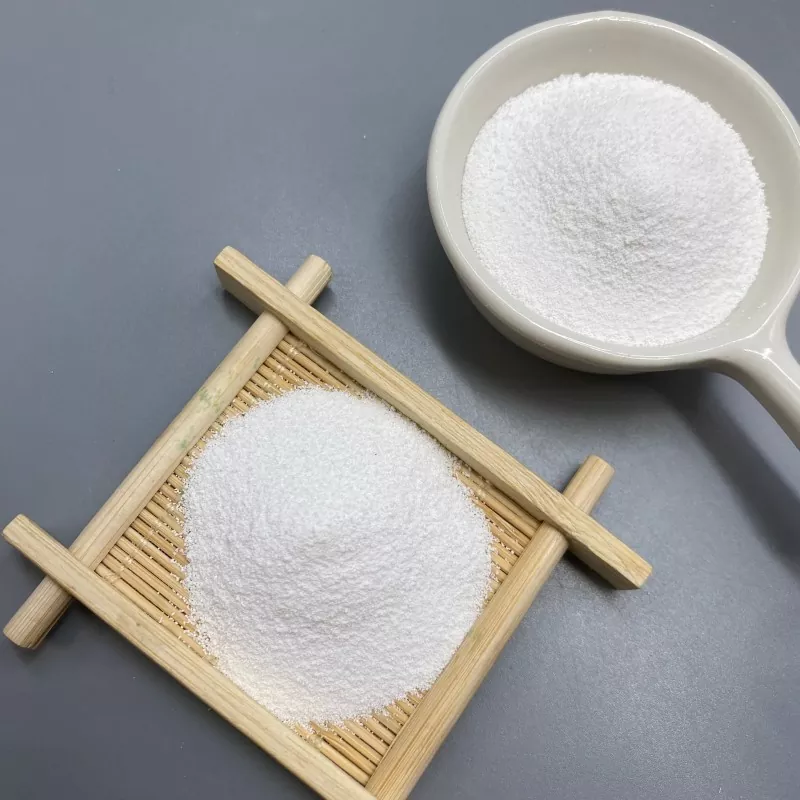
The standard 2-4 mm granular specification provides good flowability and handling performance. Uniform particles are suitable for mechanical spreading, bulk fertilizer blending, packaging, and transportation.
Because of its high water solubility, the product can be considered for fertigation and water-based nutrient delivery systems when the fertilizer program and irrigation equipment are compatible.
MAP can be incorporated into compound fertilizer blends with compatible nitrogen, potassium, secondary, and micronutrient sources. Compatibility testing should be conducted before combining concentrated fertilizer materials.
The value of MAP depends on when phosphorus is needed, soil nutrient status, and the selected application method. It is generally positioned as a phosphorus-focused nitrogen fertilizer rather than a complete NPK fertilizer.
Applying MAP before or during planting can place readily available phosphorus close to the developing root zone. This is particularly useful for crops where early root establishment is a major management priority.
For crops requiring additional phosphorus during establishment, MAP can be incorporated into a starter fertilizer program. Application rates should be determined using soil test results and crop nutrient requirements.
The high water solubility allows MAP to be dissolved for fertigation applications. This approach enables nutrients to be delivered through irrigation systems during selected crop growth stages. Compatibility with irrigation water and other fertilizer products should be verified before application.
Fertilizer manufacturers can use MAP as a phosphorus-containing component when developing NPK or specialty fertilizer formulations. The 11-44 nutrient profile provides flexibility when adjusting nitrogen and phosphorus ratios.
| Crop Category | Typical Application Focus |
|---|---|
| Cereals | Early root development, seedling establishment, and phosphorus supplementation |
| Corn | Starter nutrition and early root-zone phosphorus supply |
| Rice | Basal fertilization and early crop establishment |
| Wheat | Root development and early-season nutrient management |
| Vegetables | Planting-stage phosphorus supply and root-zone nutrition |
| Peanuts and Cotton | Early growth and balanced nitrogen-phosphorus management |
| Fruit Trees | Phosphorus supplementation during selected growth stages |
| Application Method | Recommended Use | Key Consideration |
|---|---|---|
| Basal Application | Before planting or at planting | Place phosphorus within an appropriate root-zone area |
| Starter Fertilizer | Early crop establishment | Use according to soil phosphorus status and crop needs |
| Fertigation | Drip or irrigation-based nutrient delivery | Confirm dissolution and compatibility before mixing |
| Fertilizer Blending | NPK and specialty fertilizer production | Conduct compatibility testing with other raw materials |
Phosphorus behavior varies significantly between different soil types. Selecting a fertilizer only according to its total P₂O₅ value may therefore not provide enough information for an effective nutrient program.
In strongly acidic soils, phosphorus can interact with iron and aluminum compounds and become less available. Soil testing and appropriate soil management are important when designing a phosphorus fertilization program.
Near-neutral soils can provide favorable conditions for phosphorus management, although availability still depends on soil texture, organic matter, moisture, and existing nutrient levels.
In alkaline or calcareous soils, phosphorus can react with calcium and form less-soluble compounds. A water-soluble phosphate fertilizer can be useful where rapid phosphorus availability is required, but application placement and dosage remain important.
| Parameter | Specification |
|---|---|
| Product Name | Agricultural Monoammonium Phosphate CAS 7722-76-1 |
| Common Name | Agricultural MAP |
| Chemical Formula | NH₄H₂PO₄ |
| CAS Number | 7722-76-1 |
| Molecular Weight | 115.03 |
| Nutrient Ratio | Approximately 11-44 |
| Total Nutrients (N + P₂O₅) | ≥55% |
| Nitrogen (N) | ≥11% |
| Available Phosphate (P₂O₅) | ≥44% |
| Water-Soluble Phosphorus | ≥90% |
| Appearance | White or light-colored uniform granules |
| Particle Size | 2-4 mm, ≥90% |
| Moisture | ≤2.0% |
| pH Value | 4.5-5.5 (1% aqueous solution) |
| Solubility | Highly water soluble |
| Packaging | 25 kg / 50 kg PP woven bags with PE inner liner |
| Bulk Packaging | Available according to order requirements |
| Storage | Dry, cool, and ventilated warehouse protected from moisture |
| Shelf Life | 24 months under recommended storage conditions |
For fertilizer distributors and large agricultural buyers, consistency between shipments is an important purchasing consideration. AOLANSU therefore applies quality controls throughout the production process.
Raw materials are evaluated before entering production. Purity and relevant impurity indicators are controlled to reduce variations in the final fertilizer.
The reaction between phosphoric acid and ammonia is controlled according to process parameters such as feeding ratio, temperature, concentration, and reaction conditions. This helps maintain the required nitrogen-phosphorus composition.
The material is granulated and dried before screening. Oversized and undersized particles are separated to maintain the specified granular range and improve handling performance.
Each production batch is inspected for nitrogen, P₂O₅, water-soluble phosphorus, moisture, particle size, appearance, and other agreed quality indicators before shipment.
When purchasing MAP for commercial agricultural use, buyers should evaluate more than the nominal NPK number. The following factors can affect the actual suitability of a product for a fertilizer program.
Total P₂O₅ indicates the overall phosphorus content, while water-soluble phosphorus provides additional information about phosphorus availability. Both values should be reviewed when comparing suppliers.
Mechanical fertilizer spreaders and blending equipment may require specific particle-size distributions. The standard AOLANSU specification is 2-4 mm with ≥90% uniform particle rate.
Excessive moisture can contribute to caking during storage and transportation. The standard specification controls moisture at ≤2.0% and uses moisture-resistant export packaging.
For large-volume procurement, buyers can request a COA for each shipment to verify nutrient content and other agreed quality indicators before receiving the material.
In cotton production, phosphorus availability during early crop establishment can influence root development and crop uniformity. AOLANSU Agricultural Monoammonium Phosphate CAS 7722-76-1 can be incorporated into a basal fertilizer program where soil testing indicates a need for additional phosphorus.
For commercial farming, the actual application rate should be determined according to soil analysis, crop yield targets, existing nutrient levels, irrigation conditions, and local agronomic recommendations. This approach avoids applying excessive phosphorus while ensuring adequate nutrient availability during important growth stages.
AOLANSU provides packaging options designed for fertilizer distributors, commercial farms, and agricultural formulators.
Standard packaging includes 25 kg and 50 kg PP woven bags with PE inner liners. The inner liner provides additional protection against moisture during storage and international transportation.
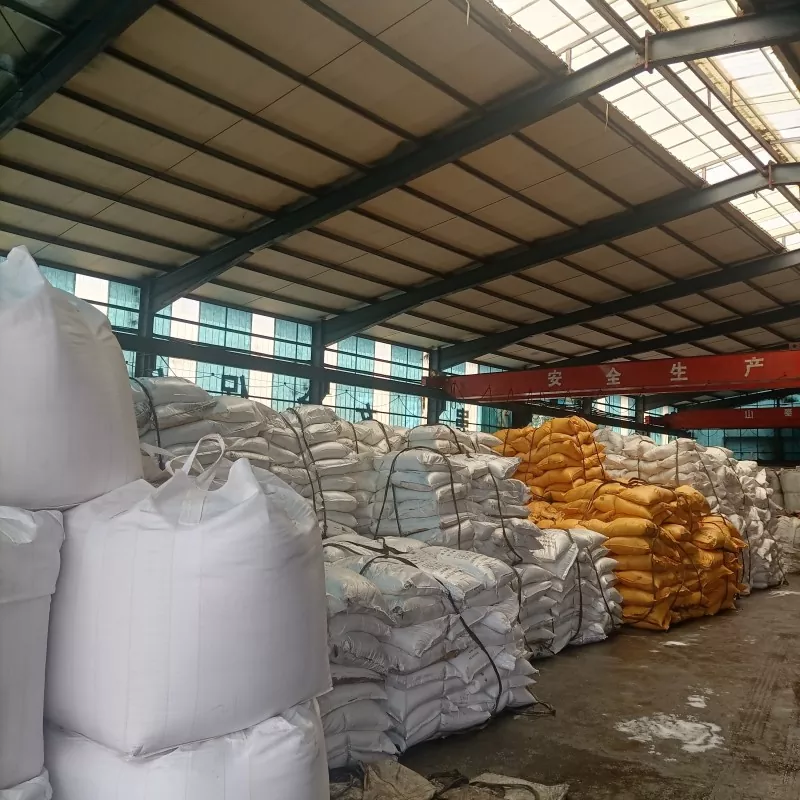
For high-volume agricultural customers, bulk packaging and shipment arrangements can be discussed according to order quantity, destination, and handling equipment.
Distributors can discuss customized bags, labels, packaging specifications, and other market-oriented requirements with the AOLANSU export team.
AOLANSU understands that international fertilizer procurement requires technical and commercial documentation in addition to the physical product.
Batch-specific COA documentation can provide analytical results for nitrogen, P₂O₅, moisture, water-soluble phosphorus, particle size, and other agreed parameters.
Safety documentation can be provided for product handling, storage, transportation, and related safety management requirements.
Certificate of Origin and other applicable export documentation can be arranged according to destination-market requirements.
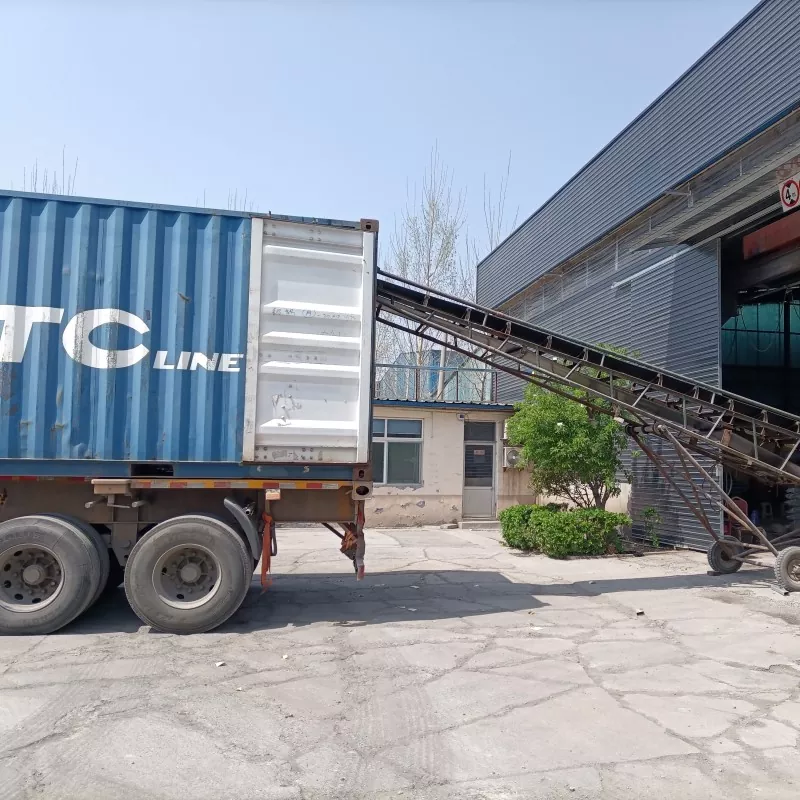
Commercial invoices, packing lists, shipping documents, and other applicable documents can be supplied to support international procurement and customs procedures.
A reliable fertilizer supplier should provide more than a competitive quotation. Stable nutrient composition, production capacity, documentation, packaging, and responsive communication all affect the total purchasing experience.
Professional China Fertilizer Manufacturer: AOLANSU specializes in fertilizer manufacturing and international supply, supporting distributors, importers, fertilizer formulators, and commercial farms.
Hazardous Chemicals Business License: AOLANSU holds a Hazardous Chemicals Business License and maintains professional procedures for the operation and supply of regulated chemical products.
Stable Nutrient Specifications: The standard product provides approximately 11% N and 44% P₂O₅, with total N+P₂O₅ of ≥55%.
High Water-Soluble Phosphorus: Water-soluble phosphorus is ≥90%, supporting applications where rapid phosphorus availability is required.
Flexible Procurement: Trial orders, bulk purchasing, customized packaging, and long-term supply arrangements are available according to customer requirements.
International Export Support: AOLANSU provides COA, MSDS/SDS, Certificate of Origin, packing documents, and other applicable export documentation.
Agricultural Monoammonium Phosphate CAS 7722-76-1 is a concentrated nitrogen-phosphorus fertilizer with the chemical formula NH₄H₂PO₄. The standard AOLANSU specification contains ≥11% nitrogen and ≥44% P₂O₅, providing a total N+P₂O₅ content of ≥55%.
The typical nutrient analysis is approximately 11-44-0, meaning about 11% nitrogen, 44% P₂O₅, and no significant potassium contribution. The exact commercial specification should be confirmed through the product COA.
Water-soluble phosphorus indicates the portion of phosphorus that can dissolve readily in water. A high water-soluble phosphorus level is useful when rapid phosphorus availability is required, particularly during crop establishment and early root development.
Yes. MAP can be incorporated into compatible fertilizer blends with nitrogen, potassium, secondary nutrients, and micronutrients. Compatibility testing is recommended before mixing concentrated fertilizer materials, especially for liquid or fertigation applications.
Yes. Its high water solubility makes it suitable for selected fertigation systems. Buyers should verify irrigation-water quality, tank compatibility, filtration requirements, and potential precipitation before large-scale application.
MAP generally has a nutrient analysis around 11-44-0, while DAP commonly has a higher nitrogen content and lower phosphorus concentration. MAP is often selected when a fertilizer program requires a more phosphorus-focused nitrogen-phosphorus ratio and a mildly acidic fertilizer reaction.
MAP can be used in nutrient programs for rice, wheat, corn, cotton, peanuts, vegetables, fruit trees, and other crops. The actual application rate should be determined according to soil testing, crop requirements, yield targets, and local agronomic recommendations.
Yes. AOLANSU can arrange samples for qualified buyers who need to conduct product evaluation before bulk purchasing. COA, MSDS/SDS, Certificate of Origin, packing lists, commercial invoices, and other applicable export documents can also be provided.
AOLANSU Agricultural Monoammonium Phosphate CAS 7722-76-1 provides a concentrated and highly water-soluble source of nitrogen and phosphorus for modern fertilizer programs. Its approximately 11-44 nutrient profile, ≥90% water-soluble phosphorus, uniform granules, and controlled production process make it suitable for agricultural distributors, commercial farms, fertilizer formulators, and international importers.
Shandong AOLANSU Environmental Protection Technology Co., Ltd. combines manufacturing capability, quality inspection, export documentation, and flexible supply services to support customers from product evaluation through long-term procurement.
For buyers looking for a stable MAP supplier in China, AOLANSU can provide product specifications, samples, batch documentation, customized packaging, and bulk supply solutions according to market and application requirements.
Address
(North of Dongwei Group, West) Houwei Village, Changshan Town, Zouping City, Binzhou, Shandong Province, China
Tel