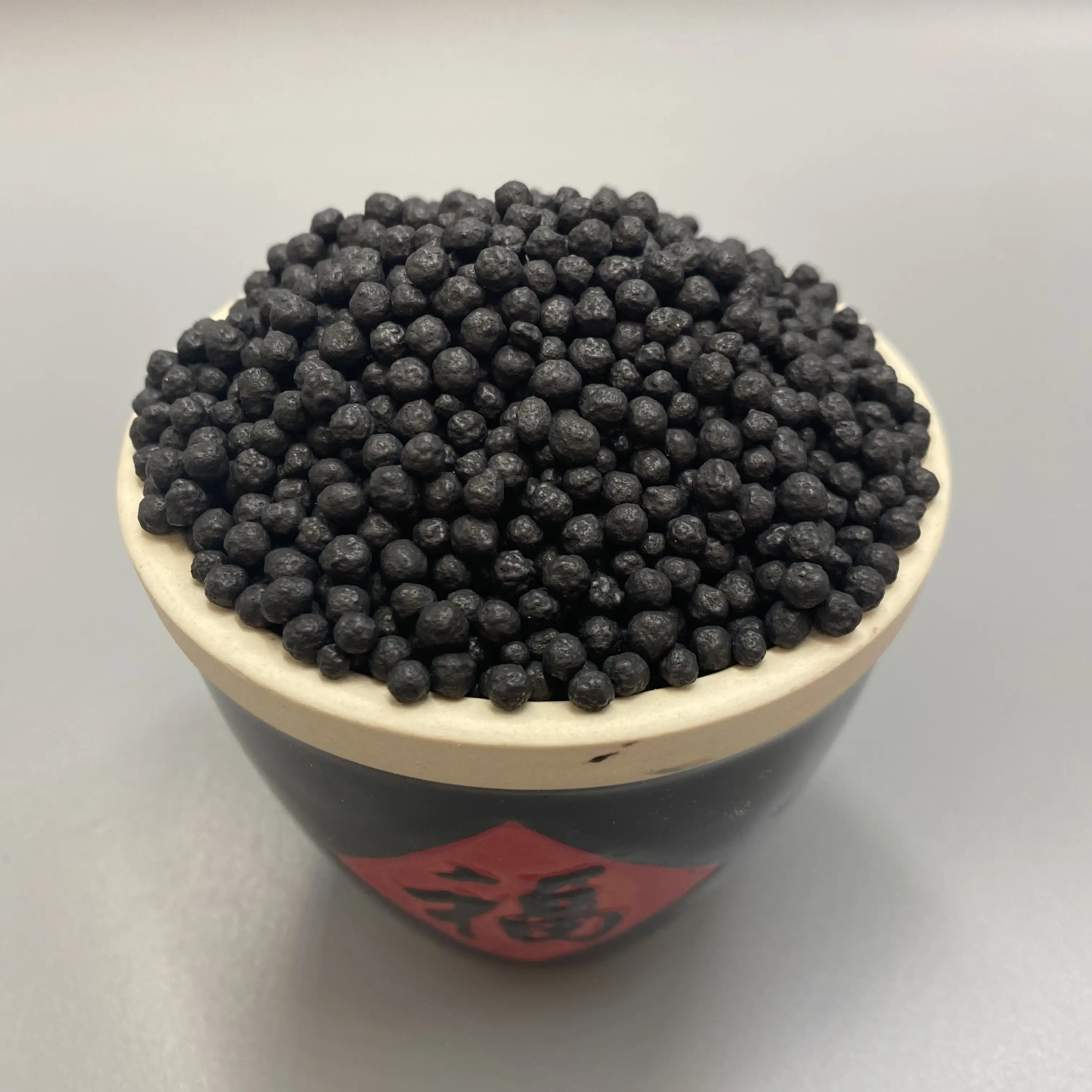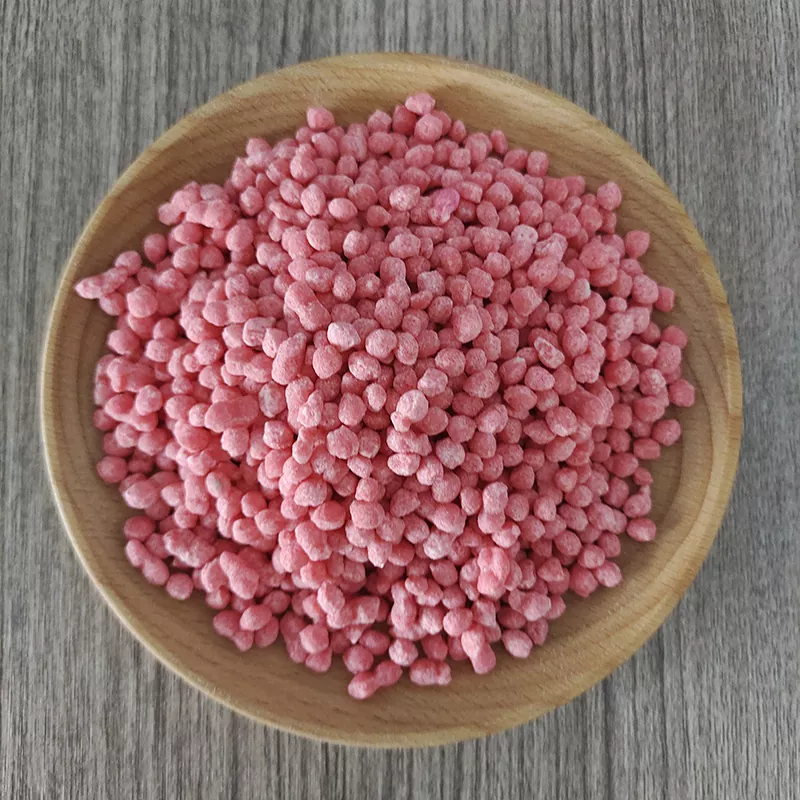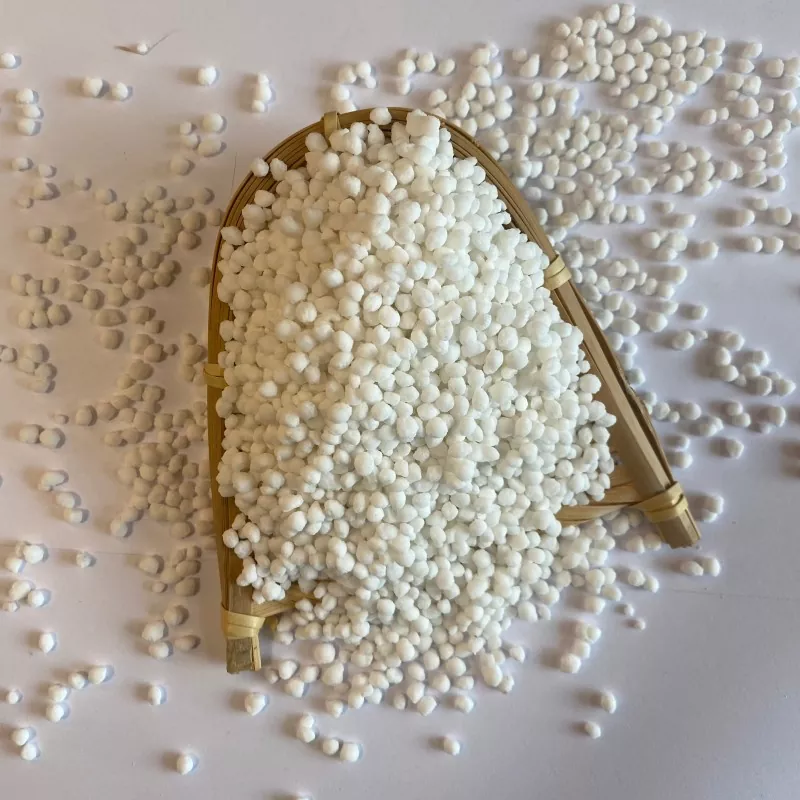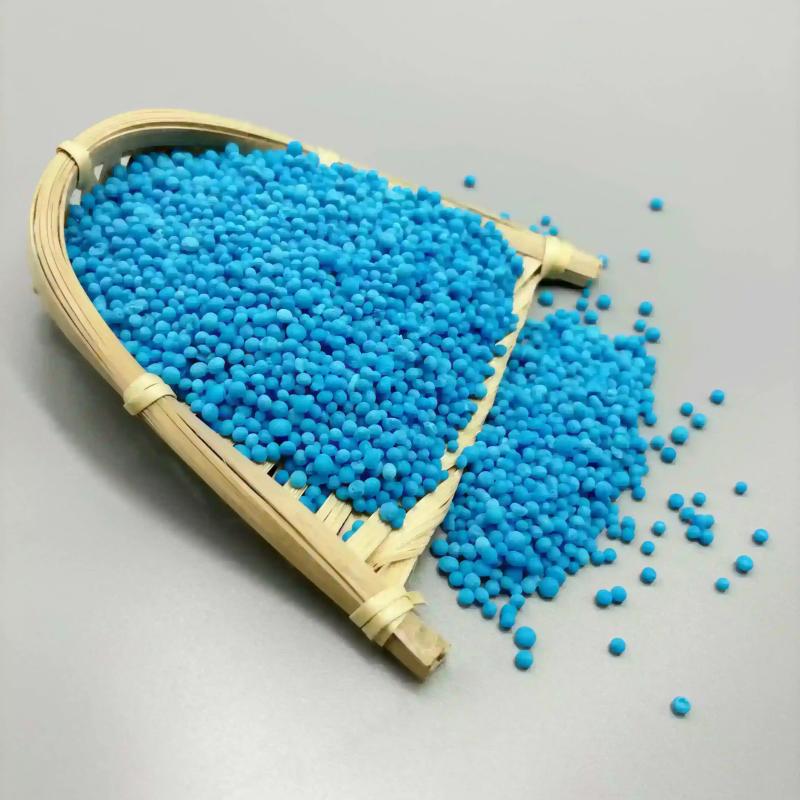
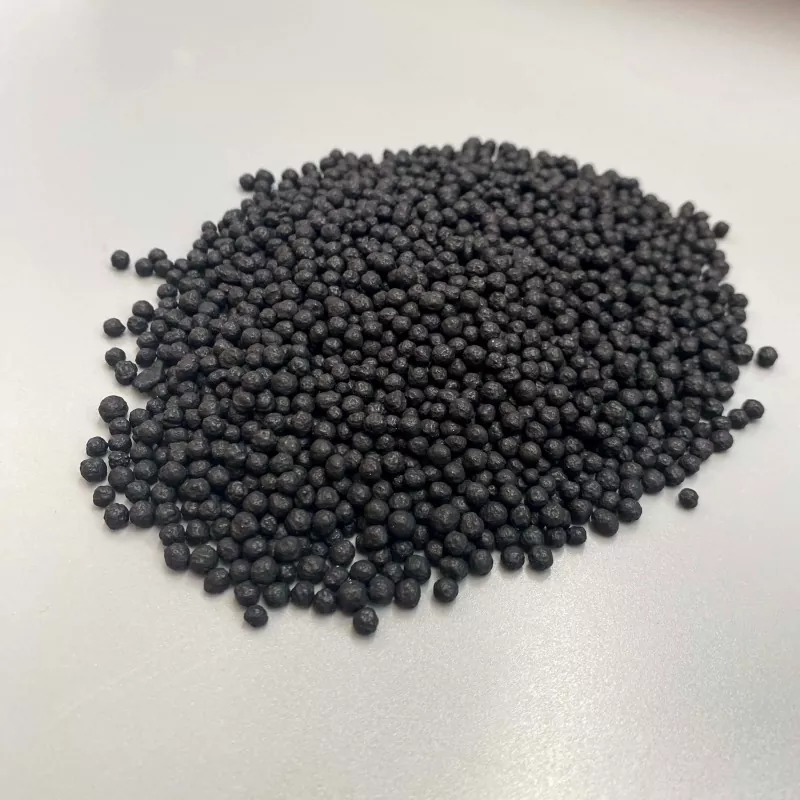
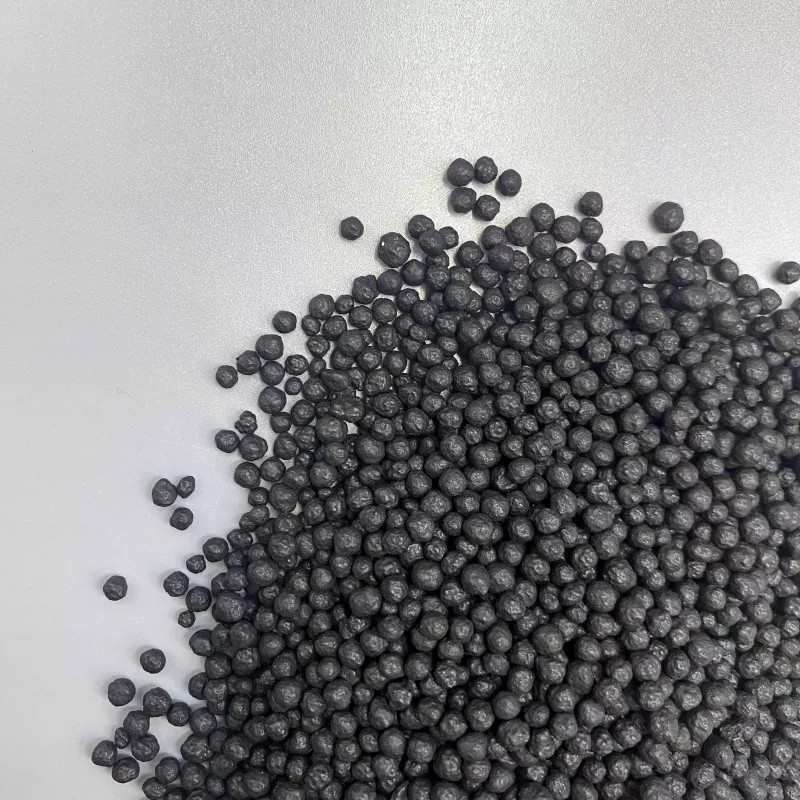
AOLANSU Agricultural Organic Fertilizer is an organic soil fertility product developed for farms, orchards, vegetable growers, agricultural distributors, and soil improvement projects that require a stable source of organic matter and natural nutrients. It is produced from selected livestock manure, poultry manure, crop residues, and other renewable organic materials through controlled aerobic fermentation, maturation, drying, and screening processes.
Rather than focusing only on supplying immediately available nutrients, AOLANSU Agricultural Organic Fertilizer is designed to improve the long-term condition of agricultural soil. Its high organic matter content helps improve soil aggregation, water retention, aeration, and nutrient-holding capacity, creating a more favorable root-zone environment for continuous crop production.
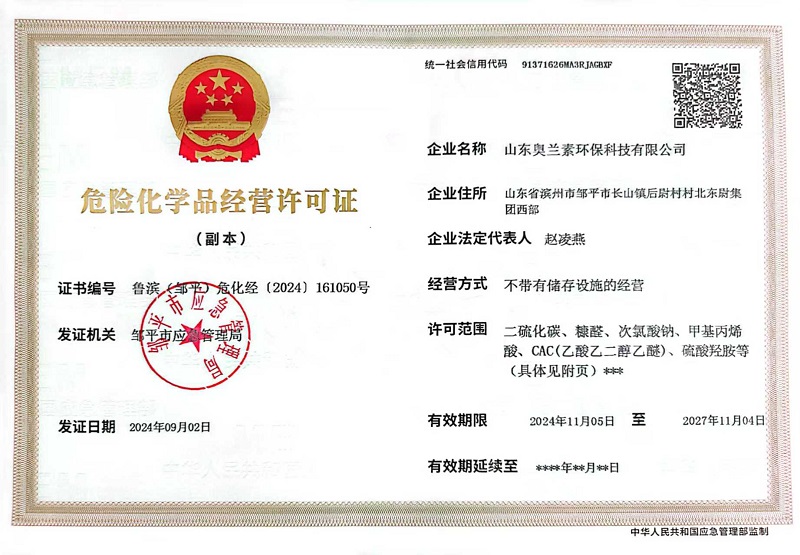
Manufactured by Shandong AOLANSU Environmental Protection Technology Co., Ltd. in China, the product is produced under controlled raw material and fermentation management. AOLANSU also holds a Hazardous Chemicals Business License for applicable chemical product operations, providing qualified buyers with a more complete and compliant supply capability.
For agricultural distributors and commercial growers, organic fertilizer quality cannot be evaluated only by appearance or total nutrient content. Raw material composition, fermentation maturity, organic matter concentration, moisture, safety indicators, and physical stability all affect the actual value of the product after application.
Organic matter is one of the most important indicators when purchasing organic fertilizer. AOLANSU Agricultural Organic Fertilizer contains ≥30% organic matter on a dry basis, providing a stable carbon source for soil improvement.
Regular application can help replenish organic matter removed through continuous cultivation and support the formation of better soil aggregates. This is particularly valuable for farmland with low organic matter, poor water retention, or long-term intensive cultivation.
Incomplete fermentation can lead to unstable organic materials, excessive odor, heat generation, or undesirable effects after application. AOLANSU uses controlled aerobic fermentation followed by maturation and quality inspection to improve the stability of the finished product.
The fermentation process is monitored through temperature, moisture, oxygen availability, and maturity indicators to ensure that organic raw materials are sufficiently decomposed before further processing.
The product contains ≥27% humic substances, which contribute to soil organic matter management and nutrient retention. Humic substances can interact with soil minerals and organic components, helping create a more favorable environment around crop roots.
Although organic fertilizer is not intended to replace concentrated NPK fertilizers in every agricultural program, nutrient content remains an important purchasing parameter. AOLANSU Agricultural Organic Fertilizer provides ≥4% total nutrients calculated as N + P₂O₅ + K₂O, together with organic matter and humic substances.
This makes the product suitable for integrated fertilization programs in which organic fertilizer improves the soil environment while NPK fertilizers provide additional readily available nutrients according to crop demand.
The primary value of organic fertilizer is its contribution to soil quality rather than simply its immediate nutrient concentration. When organic matter is incorporated into agricultural soil, it can influence several physical, chemical, and biological properties of the root zone.
Repeated machinery operation and intensive cultivation can reduce soil porosity and create compacted layers. Organic matter contributes to soil aggregation and can help improve the physical condition of the root zone over time.
Soils with insufficient organic matter may have difficulty retaining water between irrigation or rainfall events. Increasing organic matter can improve the soil's ability to retain moisture while maintaining better aeration.
Organic components can increase the soil's capacity to retain and cycle nutrients. This can be particularly useful when organic fertilizer is integrated with mineral fertilizers, helping create a more balanced nutrient management system.
Organic carbon provides a substrate for soil microorganisms. As organic materials continue to decompose, they participate in natural nutrient cycling and contribute to a more biologically active soil environment.
For commercial agriculture, organic fertilizer and mineral NPK fertilizer should not always be treated as competing products. They serve different functions and can be combined according to soil conditions and crop requirements.
| Fertilization Factor | Organic Fertilizer | NPK Fertilizer |
|---|---|---|
| Primary Function | Improves soil organic matter and fertility | Provides concentrated mineral nutrients |
| Organic Matter | High | Generally low or absent |
| Nutrient Release | Gradual and dependent on decomposition | Generally more readily available |
| Soil Structure | Helps improve soil physical properties | Primarily provides plant nutrients |
| Long-Term Soil Management | Suitable for rebuilding organic matter | Important for meeting specific nutrient demand |
| Combined Use | Can be integrated with mineral fertilizers | Can complement organic fertilizer |
The quality of organic fertilizer begins with the raw materials. AOLANSU therefore places emphasis on material screening and fermentation management rather than relying only on finished-product testing.
Production materials may include livestock manure, poultry manure, crop residues, and other qualified agricultural organic resources. Incoming materials are screened for unsuitable impurities and checked for moisture and other quality indicators before entering production.
Selected organic materials undergo aerobic fermentation under controlled conditions. Temperature, moisture, oxygen supply, and fermentation duration are monitored to encourage efficient decomposition and improve the maturity of the material.
After the main fermentation stage, the material continues through maturation and stabilization. This stage helps reduce the proportion of unstable organic components and improves the consistency of the finished fertilizer.
The matured material is processed through drying, crushing, screening, and optional granulation. The final particle size can be adjusted according to the application method and customer's purchasing requirements.
Before shipment, batches are checked for organic matter, total nutrients, moisture, pH, maturity indicators, particle size, and other relevant quality parameters. COA and applicable product documentation can be provided for qualified international buyers.
For rice, wheat, corn, soybean, and other field crops, the product can be incorporated into soil before planting or used as part of a seasonal soil fertility program. Its main role is to replenish organic matter and improve the growing environment rather than acting as a high-concentration replacement for mineral fertilizer.
Fruit trees such as apples, pears, citrus, and grapes remain in the same soil for many years. Continuous cultivation can gradually reduce soil organic matter and affect root-zone conditions. Organic fertilizer can be incorporated around the active root zone as part of annual orchard soil management.
Greenhouse vegetables are often grown continuously with frequent irrigation and fertilization. This can result in changes in soil structure and nutrient balance. Organic fertilizer can be incorporated before planting to increase organic matter and support better root-zone conditions.
Tea, cotton, oil crops, and other commercial crops can be included in organic matter management programs where maintaining soil productivity over multiple growing seasons is important.
| Application Area | Reference Rate | Recommended Timing |
|---|---|---|
| Field Crops | 200–300 kg/mu | Before planting or soil preparation |
| Fruit Trees | 300–500 kg/mu | After harvest or before spring growth |
| Greenhouse Vegetables | 300–400 kg/mu | Before planting |
| Soil Improvement Projects | Adjusted according to soil test | Based on soil organic matter and crop requirements |
Application rates are reference values rather than universal prescriptions. Actual dosage should be adjusted according to soil organic matter, crop type, existing fertilizer inputs, soil test results, and local agricultural practices.
| Parameter | Specification |
|---|---|
| Product Name | Agricultural Organic Fertilizer |
| Product Type | Organic Soil Fertility Fertilizer |
| Raw Materials | Livestock manure, poultry manure, crop residues and qualified organic resources |
| Organic Matter | ≥30.0% on dry basis |
| Humic Substances | ≥27.0% |
| Total Nutrients | ≥4.0% (N + P₂O₅ + K₂O) |
| Nitrogen (N) | Included in total nutrient specification; exact value confirmed by COA |
| Phosphorus (P₂O₅) | Included in total nutrient specification; exact value confirmed by COA |
| Potassium (K₂O) | Included in total nutrient specification; exact value confirmed by COA |
| Moisture | ≤30.0% |
| Germination Index (GI) | ≥70% |
| Fermentation Maturity Index | Rq ≤86.0% |
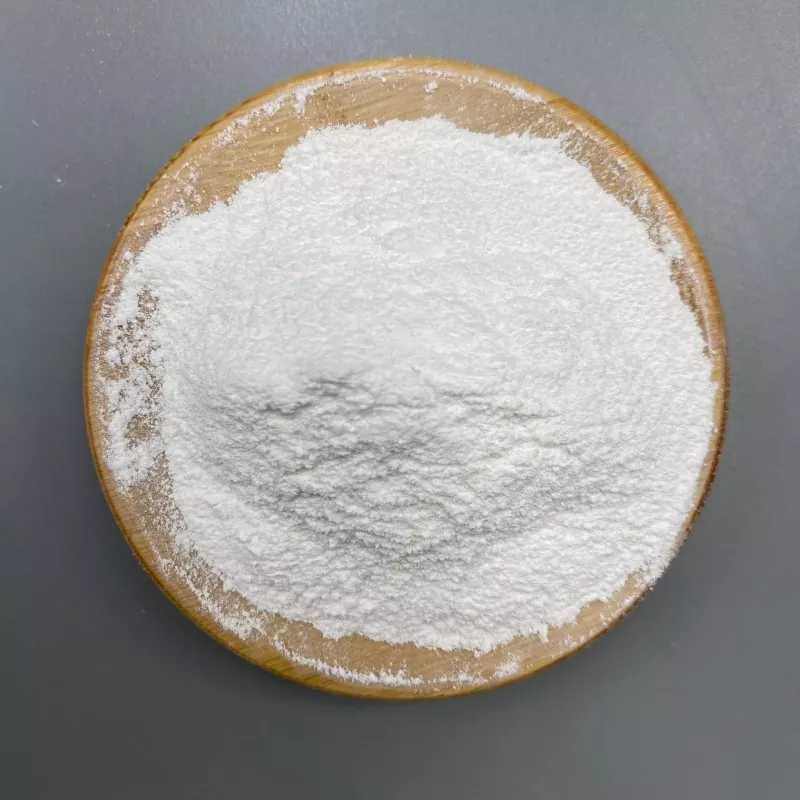
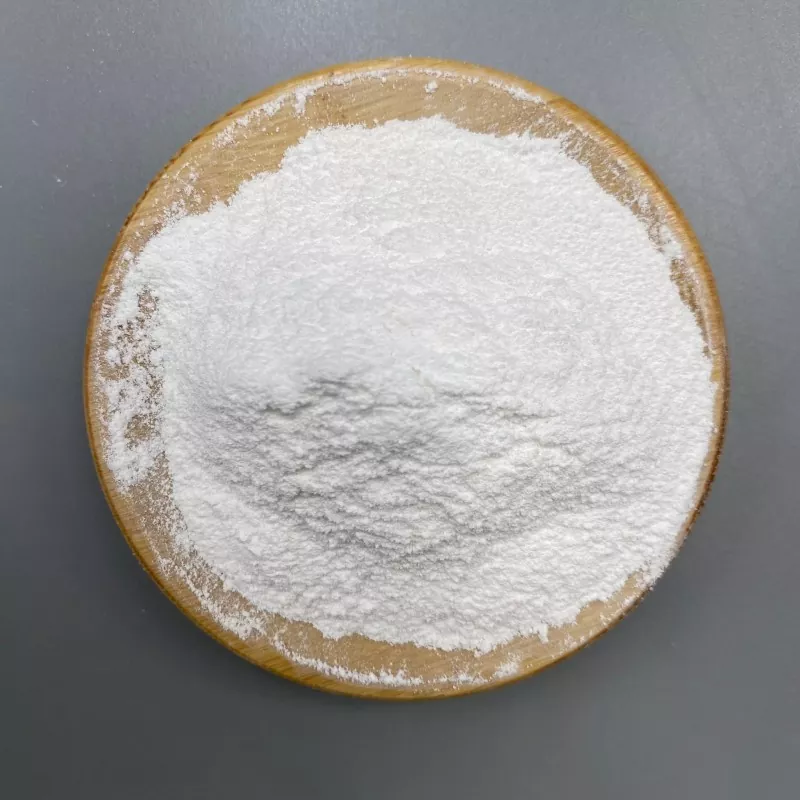
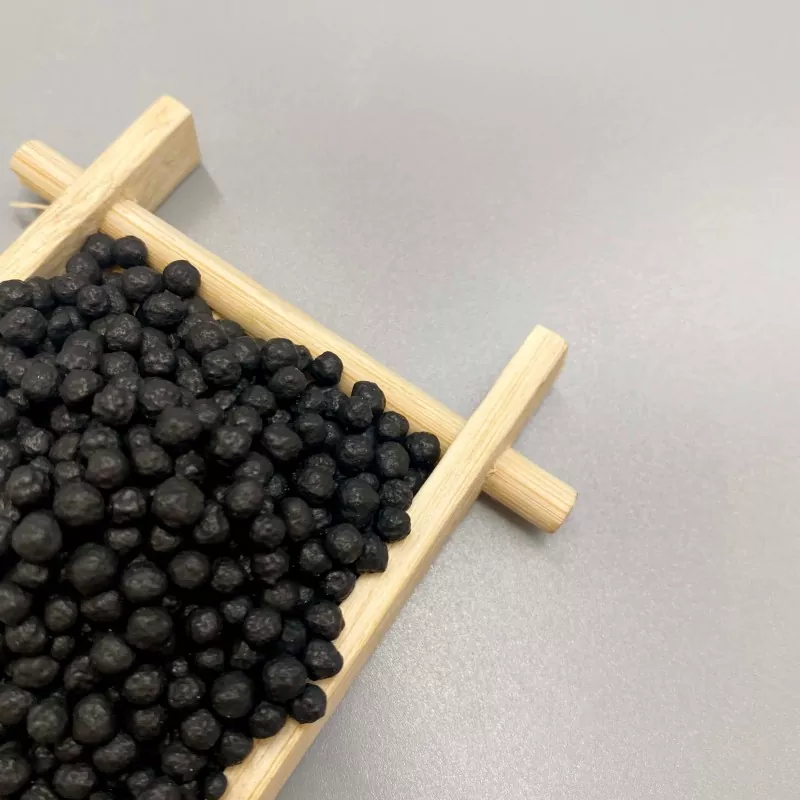
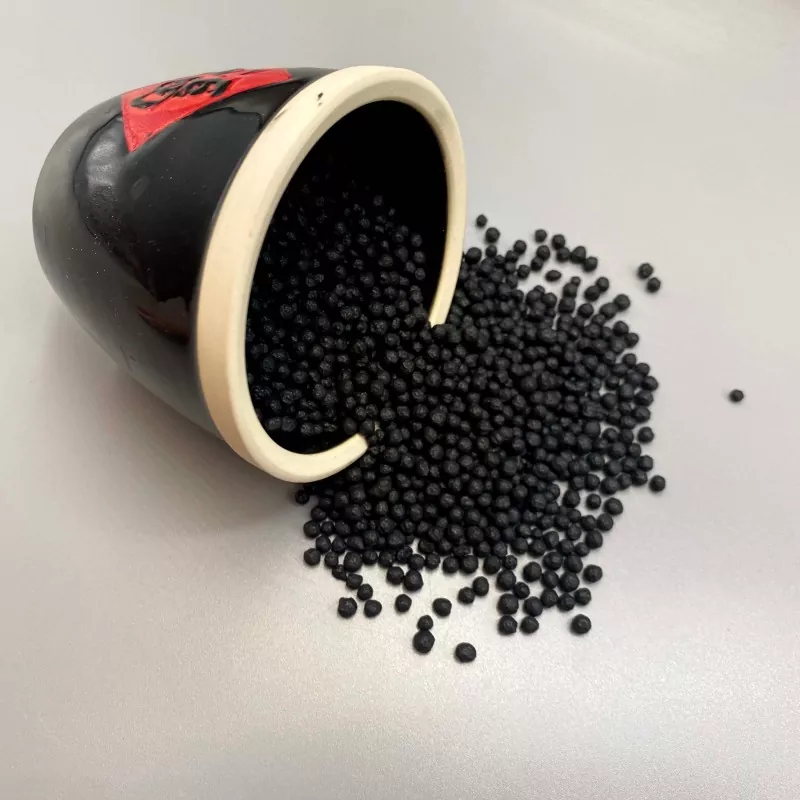
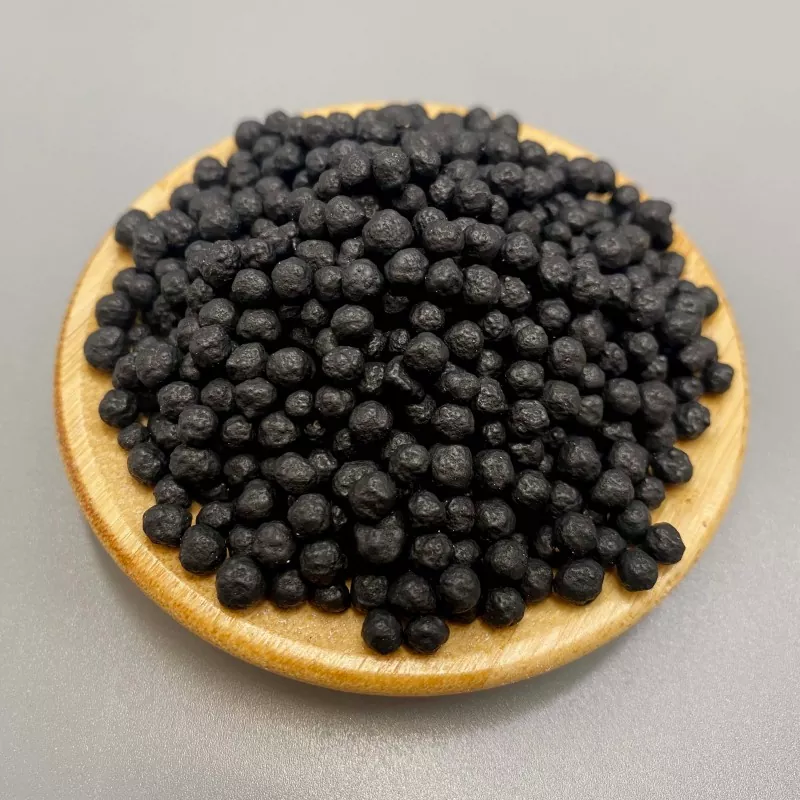
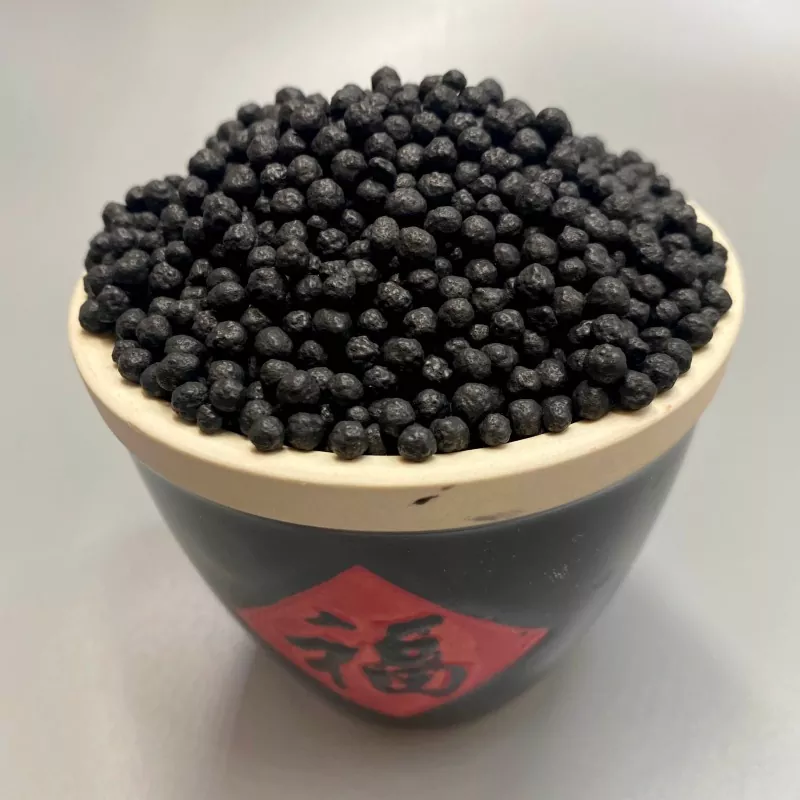
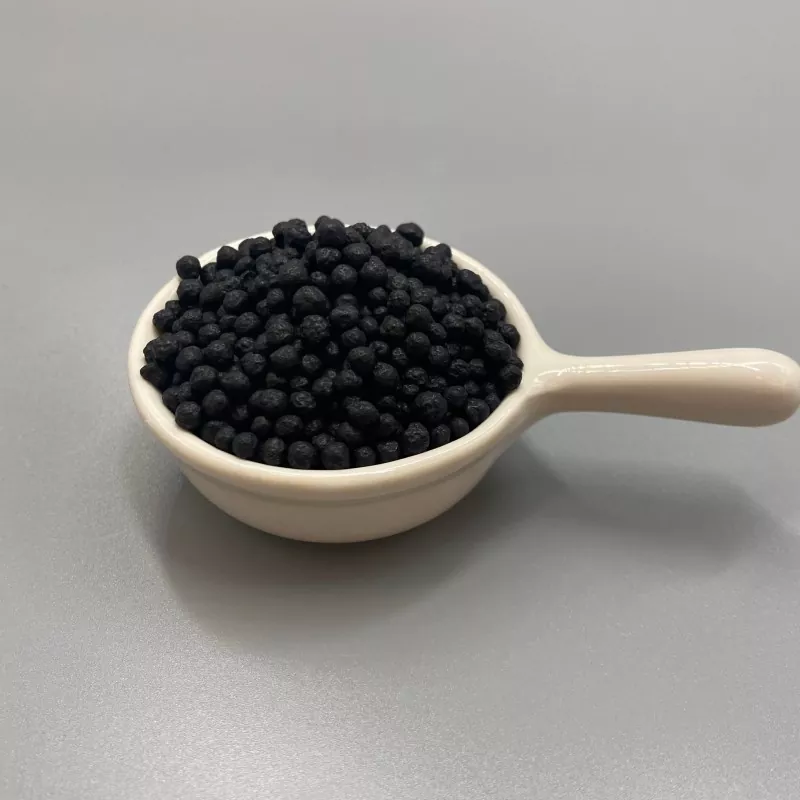
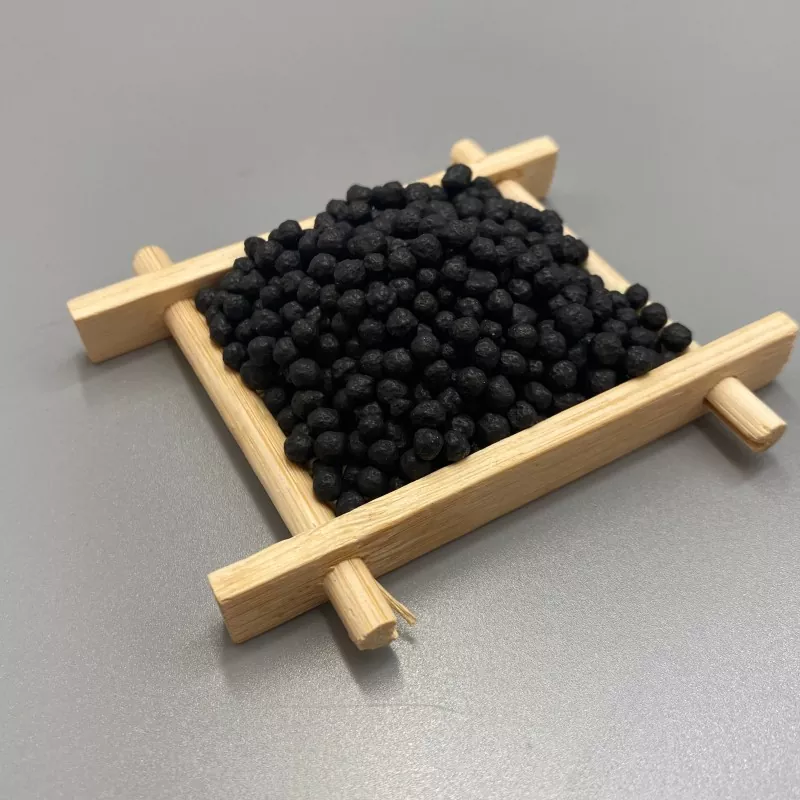
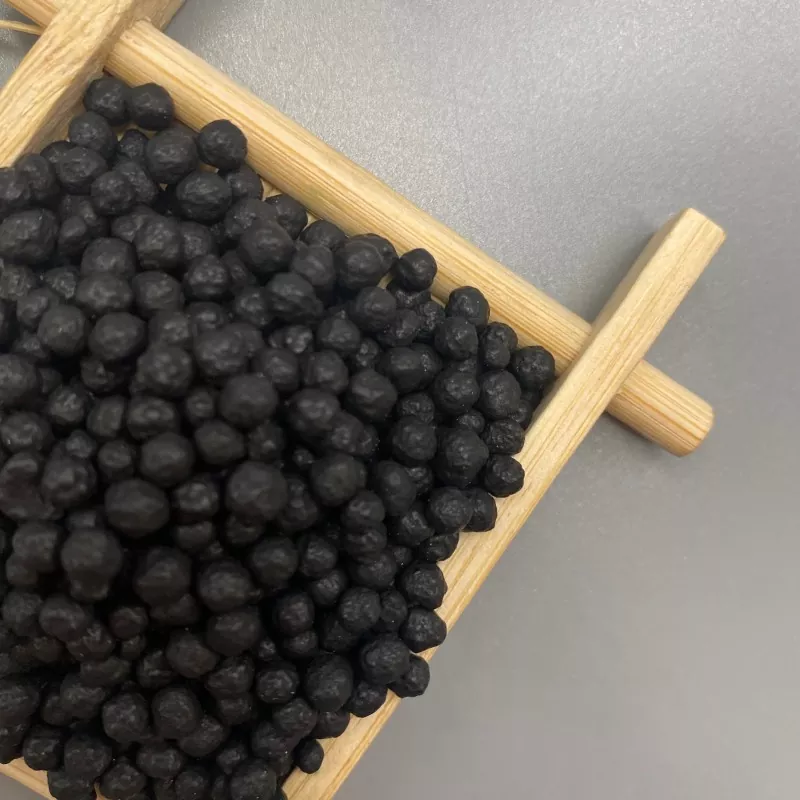
| Appearance | Brown granular or powder material |
| Particle Size | 1–5 mm granular; powder available |
| pH Value | 5.5–7.5 |
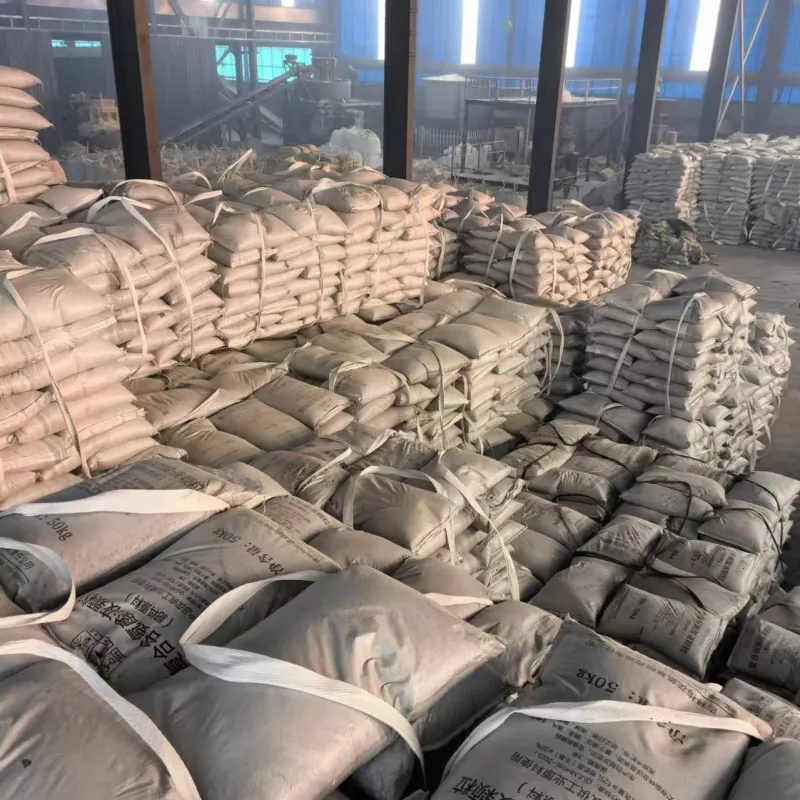
| Packaging | 25kg PE-lined woven bags, 50kg bags, 1000kg jumbo bags |
| Shelf Life | 18 months under recommended storage conditions |
| Manufacturing Standard | T/SZFAA 14-2025 Commercial Organic Fertilizer Standard |
Note: Organic fertilizer nutrient values can vary according to raw material composition and production formulation. For bulk purchasing, buyers can request the batch-specific COA for exact N, P₂O₅, K₂O, organic matter, moisture, and other tested parameters.
Dark color alone does not prove organic fertilizer quality. Buyers should evaluate organic matter content using laboratory test results and compare the value on a consistent dry-matter basis.
A strong unpleasant odor may indicate insufficiently stabilized organic material, although odor alone should not be used as a definitive quality test. AOLANSU controls fermentation and maturity indicators to improve product stability before shipment.
Moisture directly affects product weight, storage stability, caking tendency, and transportation cost. AOLANSU monitors moisture during production and finished-product inspection to maintain consistent supply quality.
For large-scale farming, uniform particle size improves spreading performance. AOLANSU can supply granular and powder forms according to the customer's application equipment and market requirements.
AOLANSU supplies organic fertilizer in 25kg PE-lined woven bags, 50kg bags, and 1000kg jumbo bags. Customized packaging and private-label solutions are available for distributors and importers.
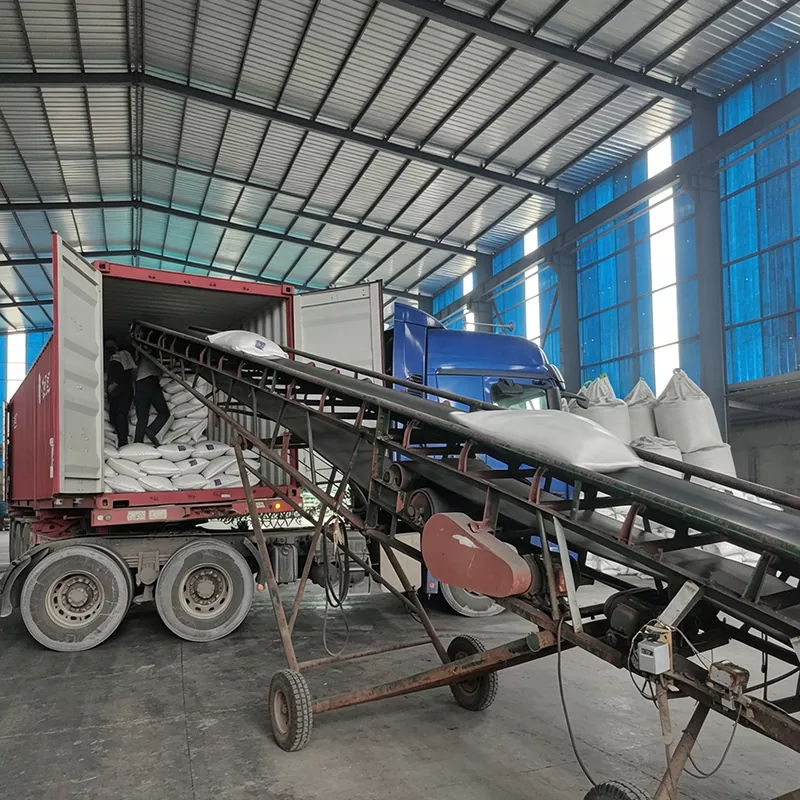
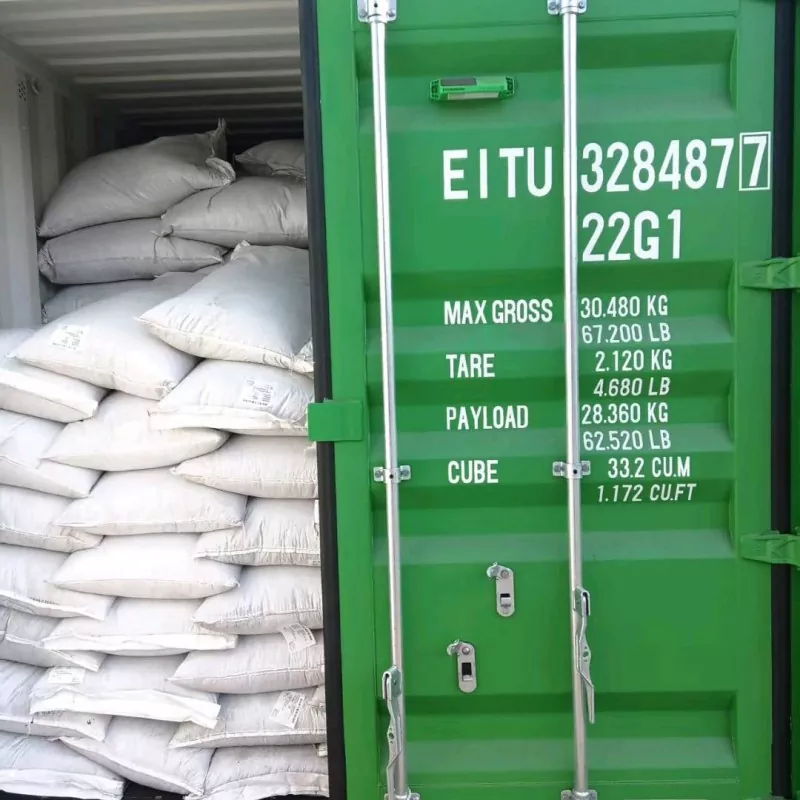
For large agricultural projects, AOLANSU can coordinate bulk orders, production scheduling, quality documentation, and export packaging. Customers can also arrange trial orders before committing to long-term purchasing programs.
For fertilizer distributors building their own agricultural product lines, AOLANSU can support customized labels, packaging specifications, product information, and bulk supply programs subject to order requirements.
For international orders, applicable documents such as COA, MSDS/SDS, packing lists, commercial invoices, and other export documentation can be prepared according to destination-market requirements.
A commercial pear orchard in Hebei had been under intensive cultivation for many years. Soil testing indicated relatively low organic matter, while the orchard management team observed declining soil permeability and uneven tree growth.
The farm incorporated AOLANSU Agricultural Organic Fertilizer into its annual soil management program at approximately 300 kg/mu. The material was distributed around the active root zone and incorporated into the soil before the growing season.
After continuous application, the orchard recorded an increase in soil organic matter from approximately 1.8% to 3.2%. Improvements were also observed in soil structure, moisture retention, tree growth uniformity, and fruit quality. The farm subsequently incorporated organic fertilizer into its regular soil fertility management program.
This example demonstrates the primary role of organic fertilizer in long-term soil management: improving the root-zone environment and organic matter level rather than simply supplying a concentrated dose of mineral nutrients.
The main purpose is to replenish soil organic matter and improve the physical and biological condition of agricultural soil. It can support better soil structure, moisture retention, nutrient holding capacity, and root-zone conditions while also supplying organic nutrients.
The standard specification provides ≥30% organic matter on a dry basis. Buyers should use the batch COA to confirm the actual organic matter value for a specific shipment.
Yes. The supplied specification requires total nutrients of ≥4%, calculated as N + P₂O₅ + K₂O. However, it should not be treated as a high-concentration NPK fertilizer. Its primary value is organic matter and soil fertility improvement.
Not necessarily. Organic fertilizer and mineral NPK fertilizers have different functions. For many commercial farming systems, organic fertilizer can be combined with NPK fertilizer to improve soil condition while meeting the crop's specific nitrogen, phosphorus, and potassium requirements.
Typical qualified raw materials include livestock manure, poultry manure, crop residues, and other renewable agricultural organic materials. Raw materials are screened and managed before entering the fermentation process.
Buyers should evaluate maturity-related laboratory indicators rather than relying only on color or odor. AOLANSU controls fermentation conditions and provides relevant quality information and batch documentation for qualified buyers.
The product is designed for organic matter and soil fertility management. Whether it can be used in a certified organic farming system depends on the raw materials, production process, certification requirements, and regulations of the destination market. Buyers requiring certified-organic use should confirm applicable certification before purchasing.
Yes. AOLANSU can discuss customized organic matter specifications, particle size, packaging, private labels, and other product requirements for distributors, importers, and commercial agricultural projects.
For agricultural distributors, fertilizer importers, commercial farms, and soil improvement projects, AOLANSU provides factory-direct organic fertilizer supply with flexible packaging and customized procurement options.
Contact our team to request product specifications, batch COA, samples, packaging options, and bulk quotation.
Email: yang.jiao@dicotbio.com
Phone: +86-18554319686
WhatsApp: +86-13953143210
Manufacturer: Shandong AOLANSU Environmental Protection Technology Co., Ltd.
Address
(North of Dongwei Group, West) Houwei Village, Changshan Town, Zouping City, Binzhou, Shandong Province, China
Tel