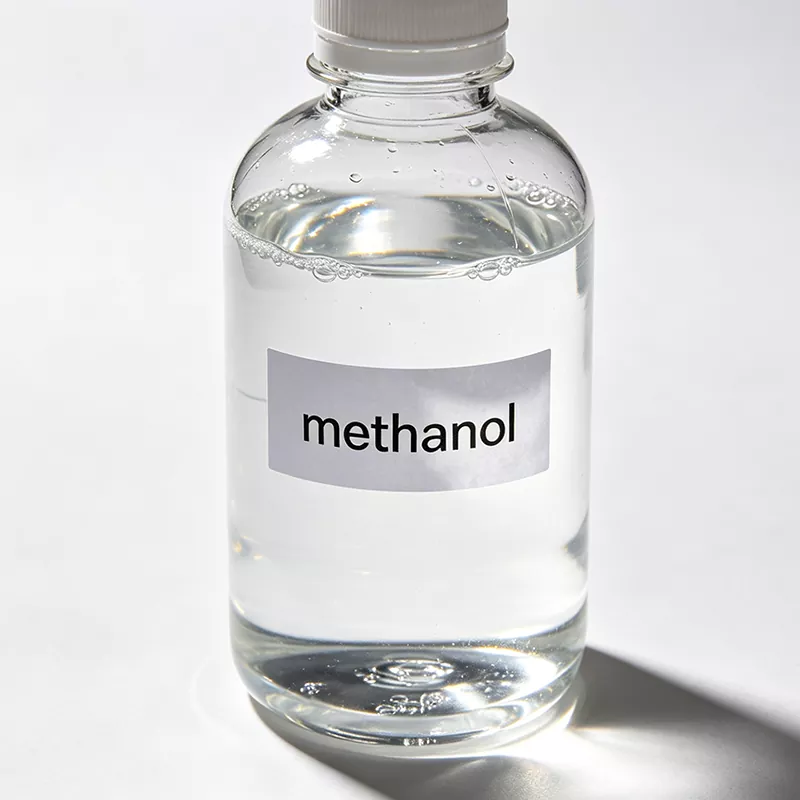

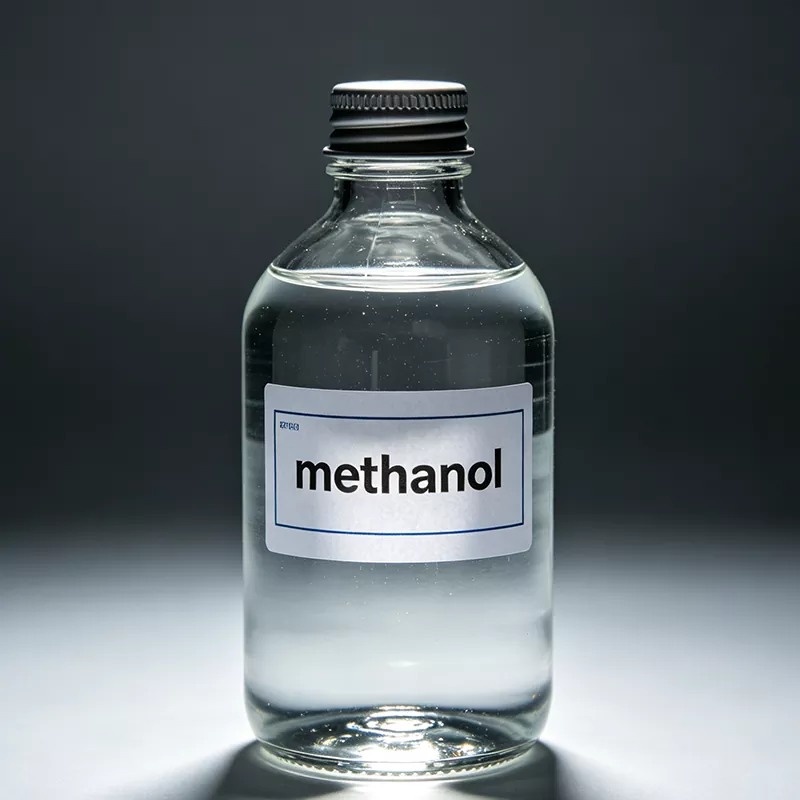
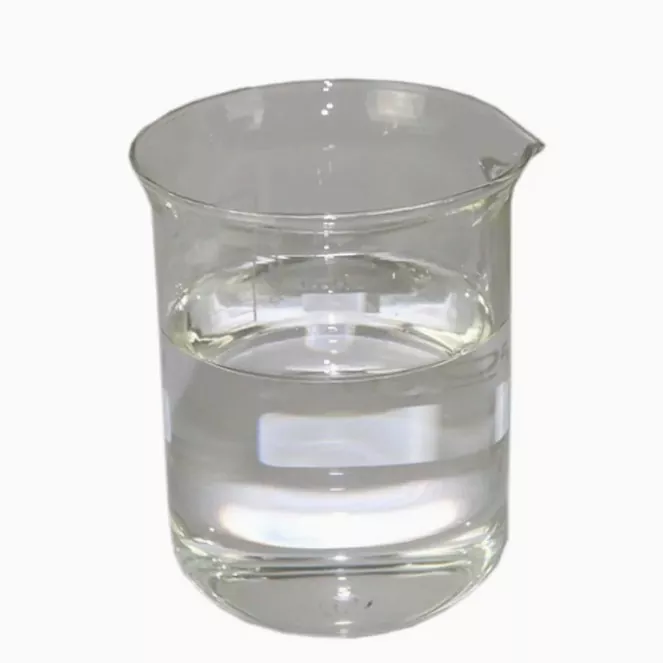

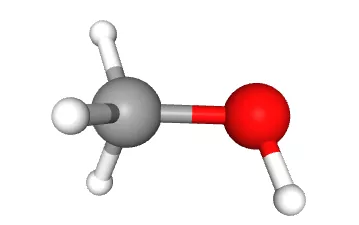
Fuel Grade Methanol CAS 67-56-1 is a specialized methanol product developed for energy applications, widely used as an alternative fuel in transportation, marine, and industrial combustion systems. With the chemical formula CH₃OH and CAS No. 67-56-1, it is a colorless, transparent, and highly volatile liquid with excellent combustion characteristics and energy conversion efficiency.
Compared with conventional fossil fuels such as gasoline, diesel, and heavy fuel oil, fuel grade methanol provides a cleaner combustion solution with lower sulfur emissions and reduced particulate pollution. Its high octane value, stable combustion characteristics, and flexible blending capability make it an option for enterprises seeking fuel diversification, operating-cost control, and lower-emission energy solutions.
| Parameter | Specification |
|---|---|
| Product Name | Fuel Grade Methanol |
| Chemical Formula | CH₃OH |
| CAS No. | 67-56-1 |
| Appearance | Colorless transparent liquid |
| Purity | ≥99.85% |
| Density (20℃) | 0.791–0.793 g/cm³ |
| Water Content | ≤0.10% |
| Acidity (as Acetic Acid) | ≤0.0015% |
| Ethanol Content | ≤0.01% |
| Sulfur Content | ≤0.0001% |
| Chloride Content | ≤0.0001% |
AOLANSU applies strict quality inspection throughout production to maintain stable combustion characteristics from batch to batch. Key indicators such as purity, moisture, sulfur, and other potential fuel contaminants are controlled before shipment. Each batch can be supplied with a COA to help international buyers verify specifications and assess compatibility with their fuel systems.
The high octane value of Fuel Grade Methanol CAS 67-56-1, generally around 110–115, provides favorable combustion characteristics for properly designed or adapted fuel systems. Its relatively clean combustion can help reduce carbon deposits compared with heavier conventional fuels, which is particularly valuable for commercial fleets and industrial equipment operating for extended periods.
For industrial users, stable combustion characteristics can contribute to more predictable heat output and operating conditions. This makes the material suitable for applications where fuel consistency is important to maintaining continuous production.
Methanol contains no sulfur in its molecular structure, and its combustion can produce substantially lower sulfur-related emissions and particulate pollution than heavy fuel oil. For companies facing increasingly strict environmental requirements, this makes methanol an attractive component of a broader fuel transition strategy.
Its environmental benefits should be evaluated according to the complete production, transportation, blending, and combustion pathway. AOLANSU therefore focuses on supplying consistent-quality material while helping buyers select an appropriate application method.
One of the practical characteristics of fuel grade methanol is its flexibility in fuel formulation. Depending on engine design, operating conditions, and applicable regulations, methanol can be used in blends such as M15 or M30, while dedicated methanol fuel systems may utilize higher concentrations.
This allows companies to evaluate alternative fuel adoption progressively rather than immediately replacing their entire existing energy infrastructure.
AOLANSU supports both trial procurement and long-term supply arrangements. Production scheduling, batch testing, hazardous chemical logistics, and export documentation are coordinated to reduce interruptions during international purchasing.
For buyers evaluating a new fuel source, sample and trial quantities can be used to verify combustion performance and equipment compatibility before moving toward larger-volume procurement.
In road transportation, Fuel Grade Methanol CAS 67-56-1 can be considered for methanol-capable engines or blended-fuel applications. Commercial fleets, buses, trucks, and other high-mileage vehicles can evaluate methanol-based fuel strategies according to their engine specifications and local regulations.
For fleet operators dealing with volatile diesel prices and increasingly demanding emission standards, methanol blending provides an alternative route for evaluating fuel diversification while maintaining existing transportation operations.
The shipping sector is actively exploring alternative fuels as environmental regulations become more stringent. Methanol has attracted attention as a marine fuel because of its low sulfur content and compatibility with dedicated marine fuel systems.
It can be considered for container ships, cargo vessels, and other marine applications where operators are planning a transition away from conventional heavy fuel oil. Proper fuel system compatibility assessment and marine regulatory compliance remain essential before implementation.
Industrial boilers, furnaces, and selected thermal systems can use methanol as a combustion fuel where the equipment is designed or adapted for its properties. Compared with coal and heavy oil, methanol can offer cleaner combustion with lower particulate and sulfur-related emissions.
For factories seeking to modernize their thermal energy systems, methanol can therefore serve as one option within a broader cleaner-energy strategy.
Beyond direct combustion, methanol is also an important chemical feedstock and energy carrier. Its established global supply chain makes it relevant to chemical producers, energy companies, and businesses exploring methanol-to-energy or methanol-based fuel technologies.
A European commercial transportation fleet faced increasing challenges from diesel emission regulations, rising fuel costs, and frequent engine maintenance requirements.
The company cooperated with Shandong Aolansu to introduce fuel grade methanol blended with diesel at an M30 ratio. AOLANSU provided product supply, application guidance, and customized logistics support.
After implementation, fuel consumption decreased by approximately 8%, while particulate matter and hydrocarbon emissions decreased by more than 40%. Engine maintenance intervals increased by 30%, and annual maintenance costs decreased by approximately 22%.
The project helped the fleet evaluate a lower-emission fuel strategy while maintaining its transportation efficiency.
A Southeast Asian shipping company previously relied on heavy fuel oil, which resulted in high sulfur emissions and increasing environmental compliance pressure. The company also experienced unstable fuel quality that contributed to engine maintenance challenges.
The company signed a long-term supply agreement with Shandong Aolansu and introduced marine application grade methanol. AOLANSU provided customized IBC packaging and complete export documentation to support international delivery and customs clearance.
Following implementation, sulfur emissions decreased by more than 95%, engine-related failures decreased by 35%, and maintenance costs decreased by 28%. The company's bunkering fuel costs were approximately 15% lower than those associated with heavy fuel oil.
Fuel quality directly affects combustion stability, equipment operation, and maintenance requirements. AOLANSU therefore places particular emphasis on controlling impurities that can negatively influence fuel-system performance.
The production process includes raw material inspection, purification, process monitoring, finished-product testing, and batch documentation. Important quality indicators are checked before shipment, and buyers can receive COA documentation for incoming material verification.
For customers with specific fuel-system requirements, AOLANSU can communicate technical specifications in advance so that product quality is evaluated against the actual application rather than relying solely on general industrial specifications.
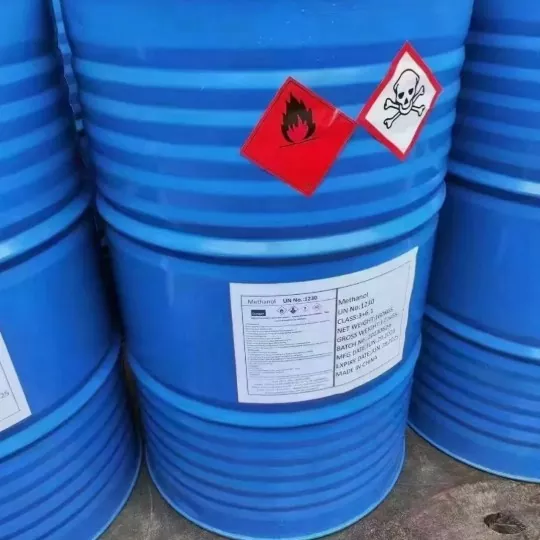
Fuel Grade Methanol CAS 67-56-1 is a flammable hazardous chemical and requires appropriate storage and transportation controls. Containers should remain tightly sealed and be stored in a cool, well-ventilated area away from ignition sources, excessive heat, and incompatible chemicals.
During handling, operators should use appropriate chemical-resistant gloves, protective eyewear, and other PPE specified by the applicable SDS. Adequate ventilation should be maintained to reduce vapor accumulation, and smoking or open flames should be strictly prohibited in handling areas.
International transportation must follow applicable dangerous goods regulations and the requirements of the destination country. AOLANSU can provide SDS, COA, customs documentation, and relevant hazardous chemical shipping documents to support compliant international procurement.
AOLANSU supports small trial orders so buyers can evaluate fuel quality, combustion characteristics, and equipment compatibility before entering long-term procurement arrangements. For larger requirements, factory-direct supply and planned production scheduling help customers maintain a more stable fuel inventory.
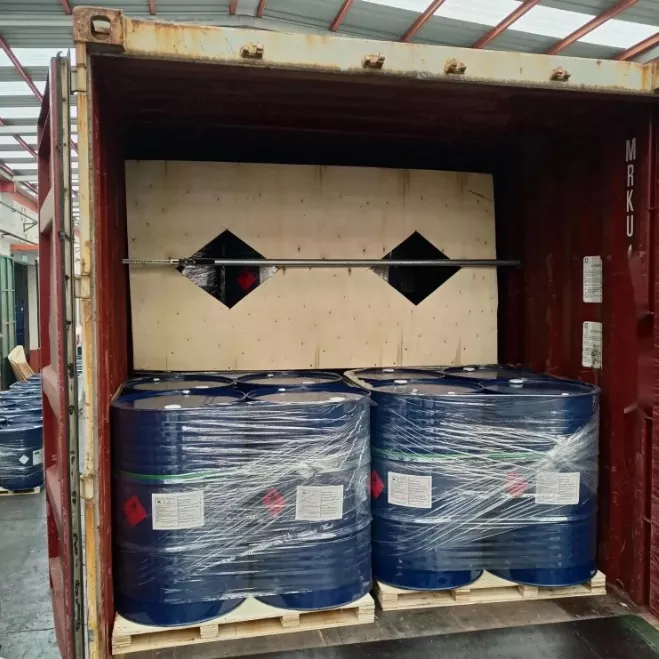
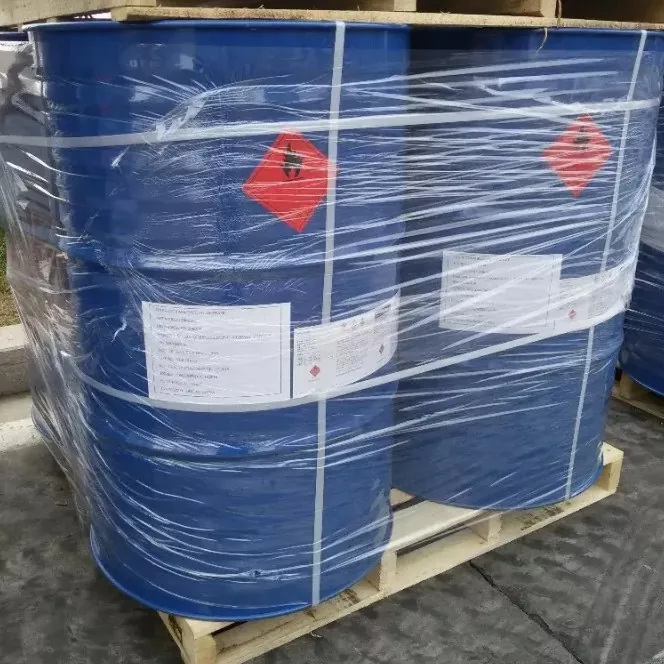
Standard export solutions include 160kg galvanized iron drums and 1000kg IBC containers. Packaging can also be discussed according to the buyer's storage facilities, transportation method, and application requirements.
A professional hazardous chemical logistics network supports deliveries to Europe, the Middle East, Africa, Southeast Asia, and other international markets. Delivery schedules depend on order volume, destination port, shipping route, and applicable dangerous goods requirements.
AOLANSU provides COA, SDS, customs declaration documents, and dangerous goods transportation documentation for international orders. Technical personnel can also provide guidance regarding fuel blending, storage, equipment compatibility, and safe operating procedures, helping buyers evaluate the product before commercial application.
The answer depends on the engine design and the intended blending ratio. Certain methanol-gasoline or methanol-diesel blends can be evaluated in compatible systems, while high-concentration or M100 applications generally require dedicated or modified fuel systems. Buyers should confirm equipment compatibility and local fuel regulations before use. AOLANSU can provide technical information based on the specific application.
Fuel grade methanol has a high octane value and can provide cleaner combustion characteristics, particularly regarding sulfur-related emissions and particulate matter. Its energy density is lower than gasoline and diesel, however, so fuel consumption cannot be compared on volume alone. Actual economic performance depends on fuel prices, blending ratio, equipment efficiency, and operating conditions.
AOLANSU can provide COA and SDS documentation together with applicable customs and hazardous chemical transportation documents. These documents allow buyers to verify product specifications, understand handling requirements, and support import clearance procedures.
Yes. AOLANSU supports both trial orders and long-term bulk procurement. For recurring customers, supply planning can be coordinated according to estimated consumption, production schedules, packaging requirements, and destination logistics to improve supply continuity.
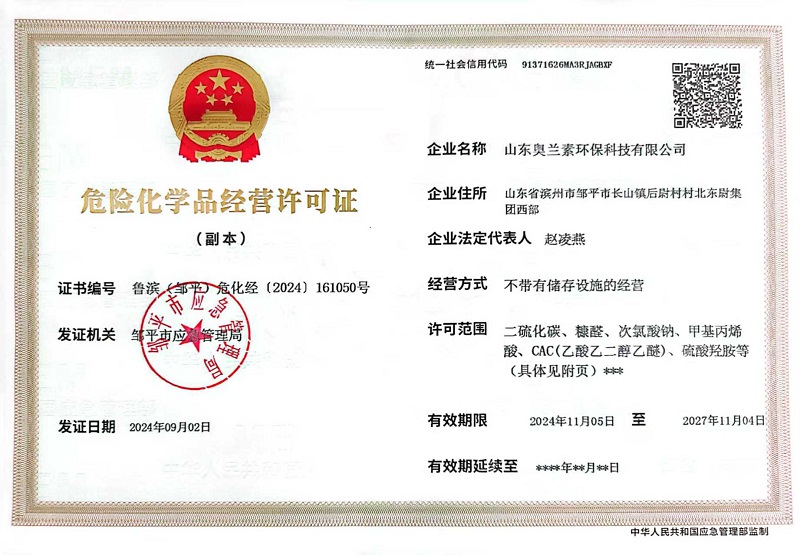
Shandong Aolansu Environmental Protection Technology Co., Ltd. is a China-based chemical supplier serving international industrial and energy markets. With hazardous chemical operation qualifications, standardized quality control, and international logistics experience, AOLANSU focuses on providing consistent chemical products and practical supply support for global buyers.
For companies evaluating methanol as an alternative transportation fuel, marine fuel, or industrial energy source, our approach focuses on product consistency, application compatibility, documentation, and supply reliability rather than simply supplying a commodity chemical.
Address
(North of Dongwei Group, West) Houwei Village, Changshan Town, Zouping City, Binzhou, Shandong Province, China
Tel