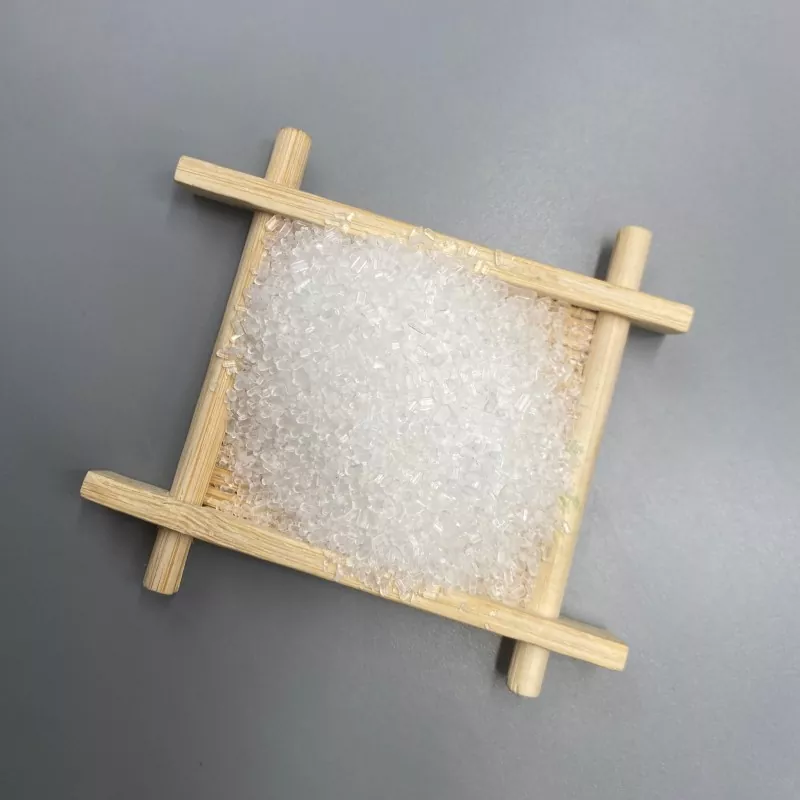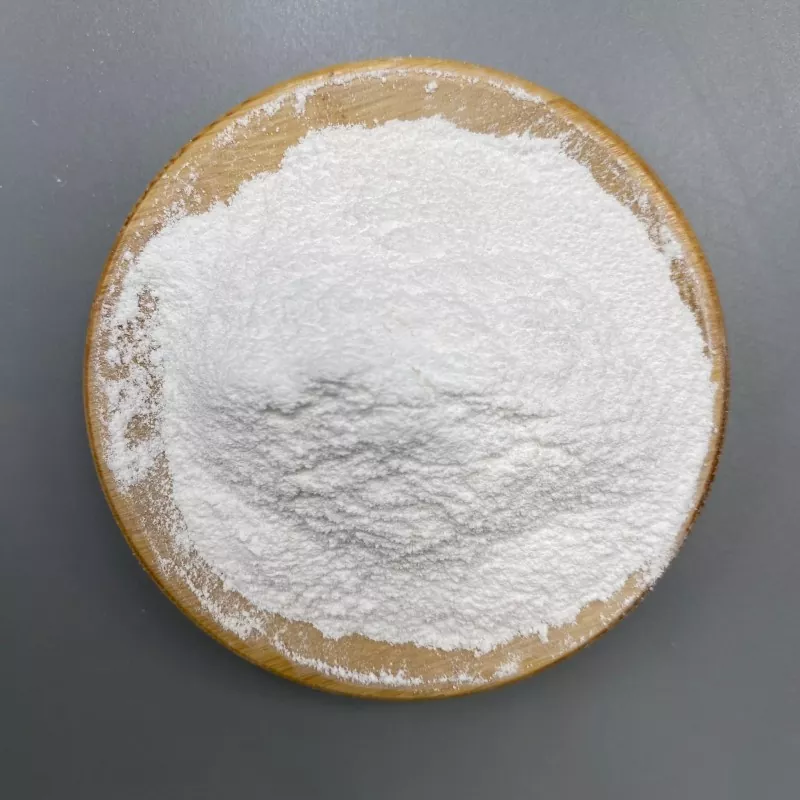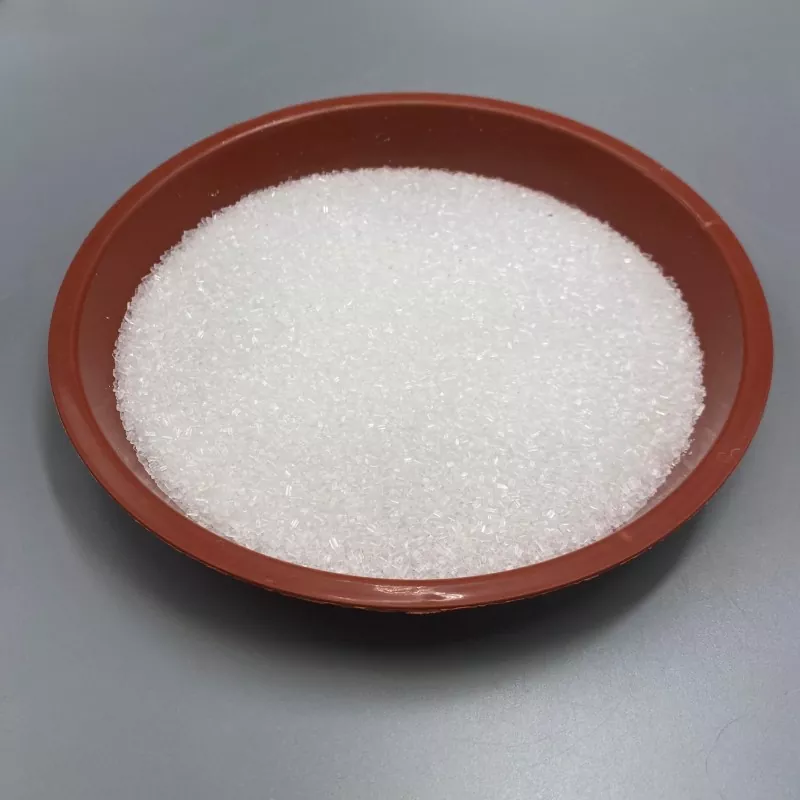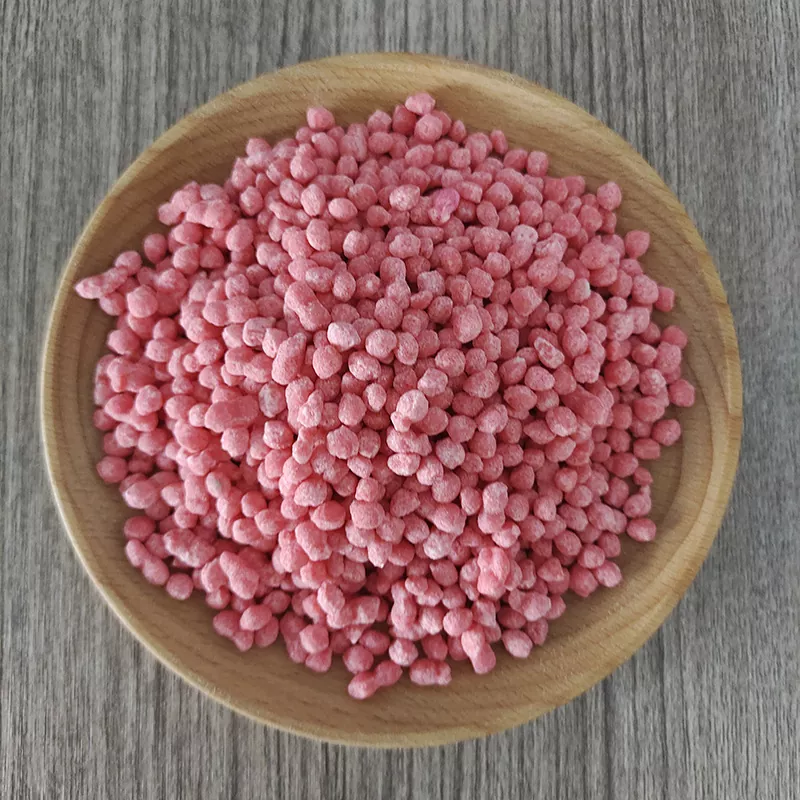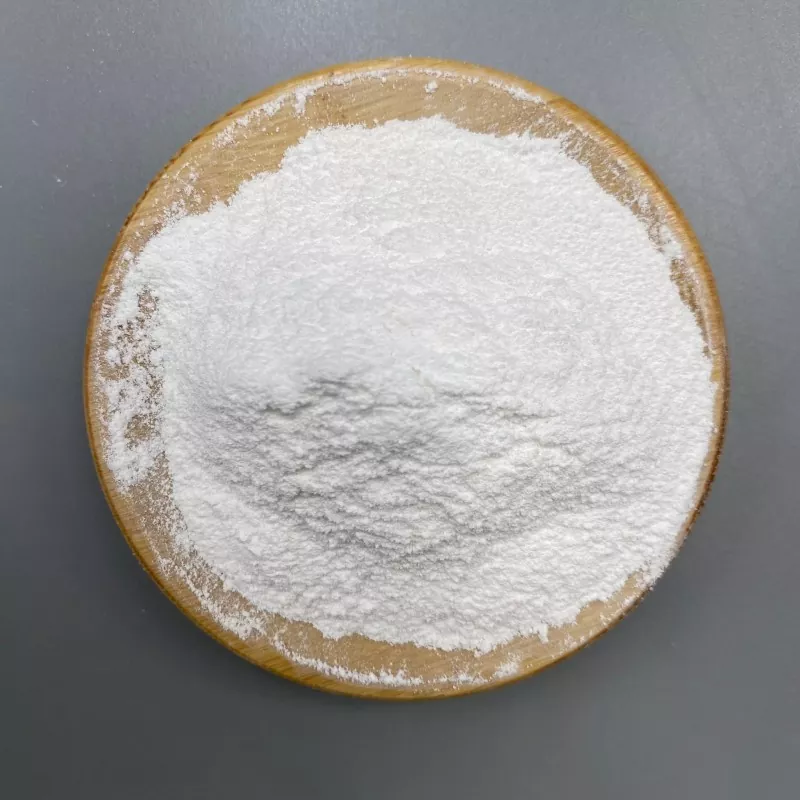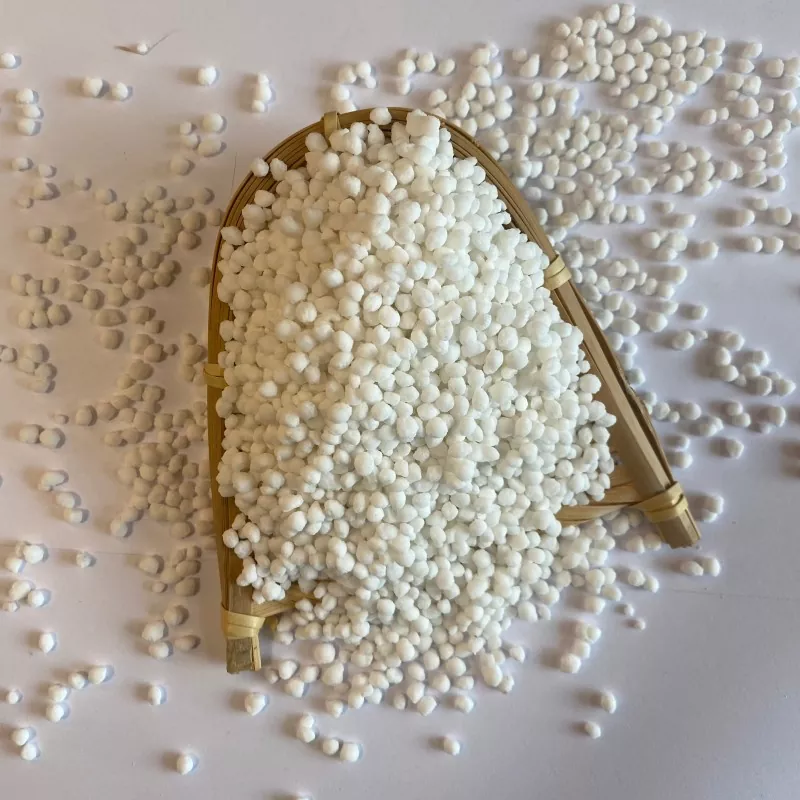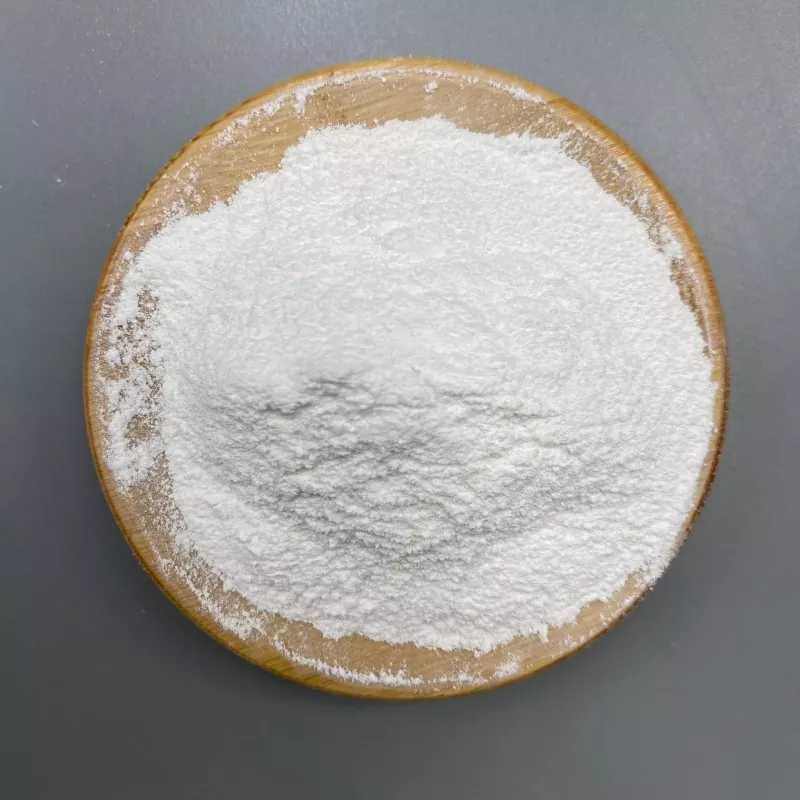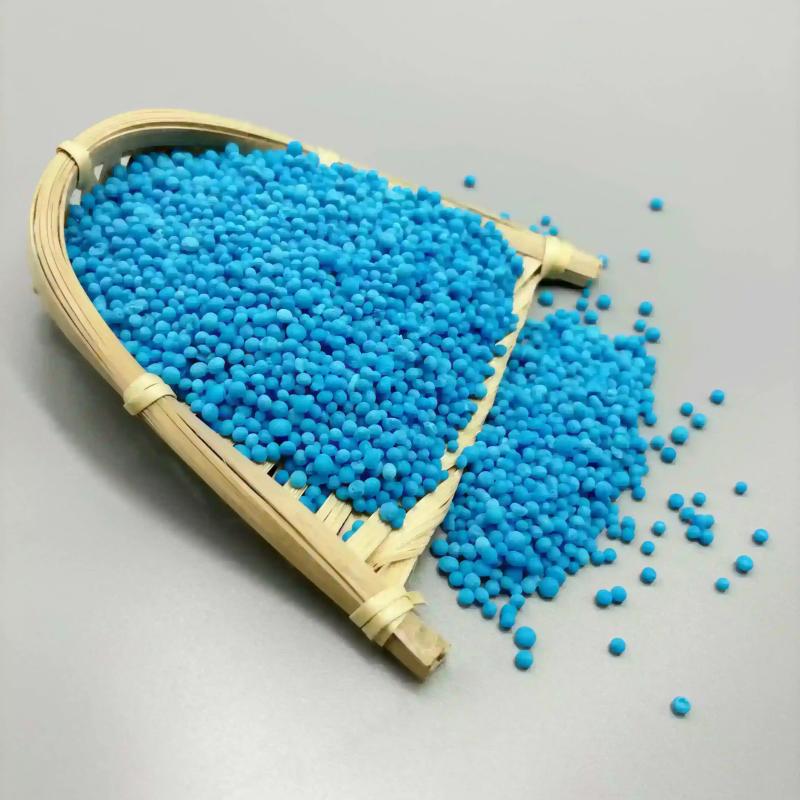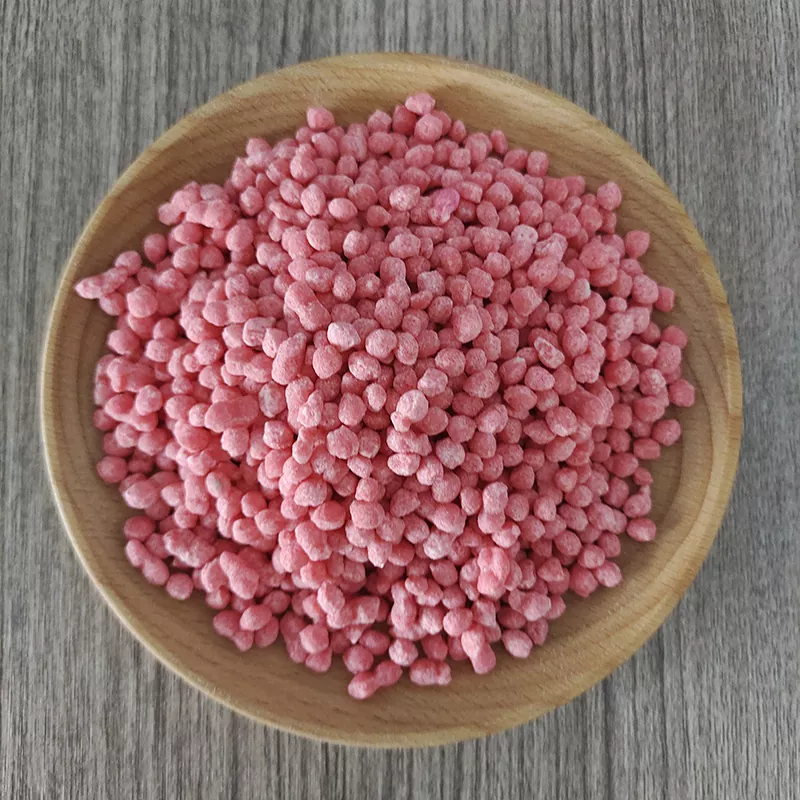
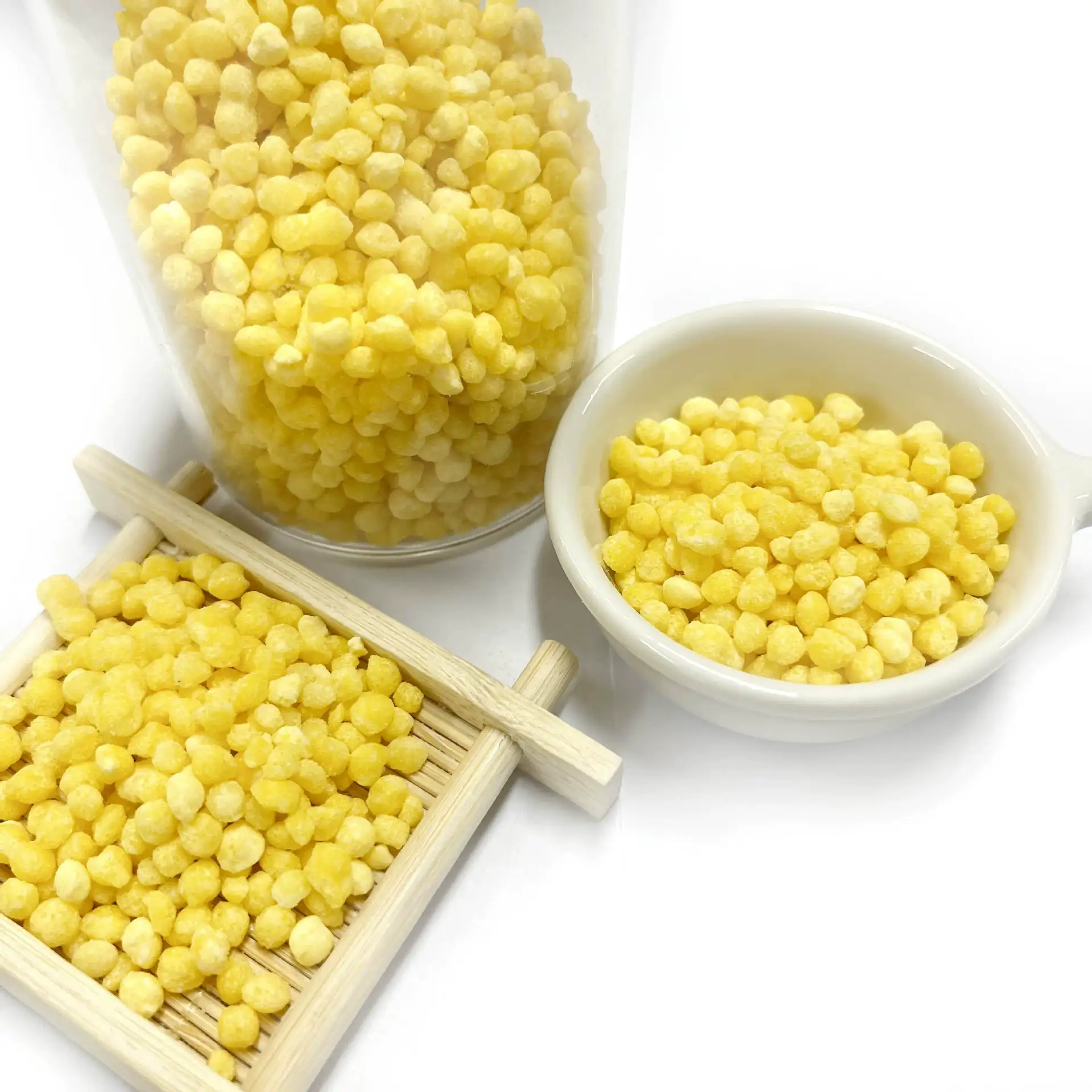
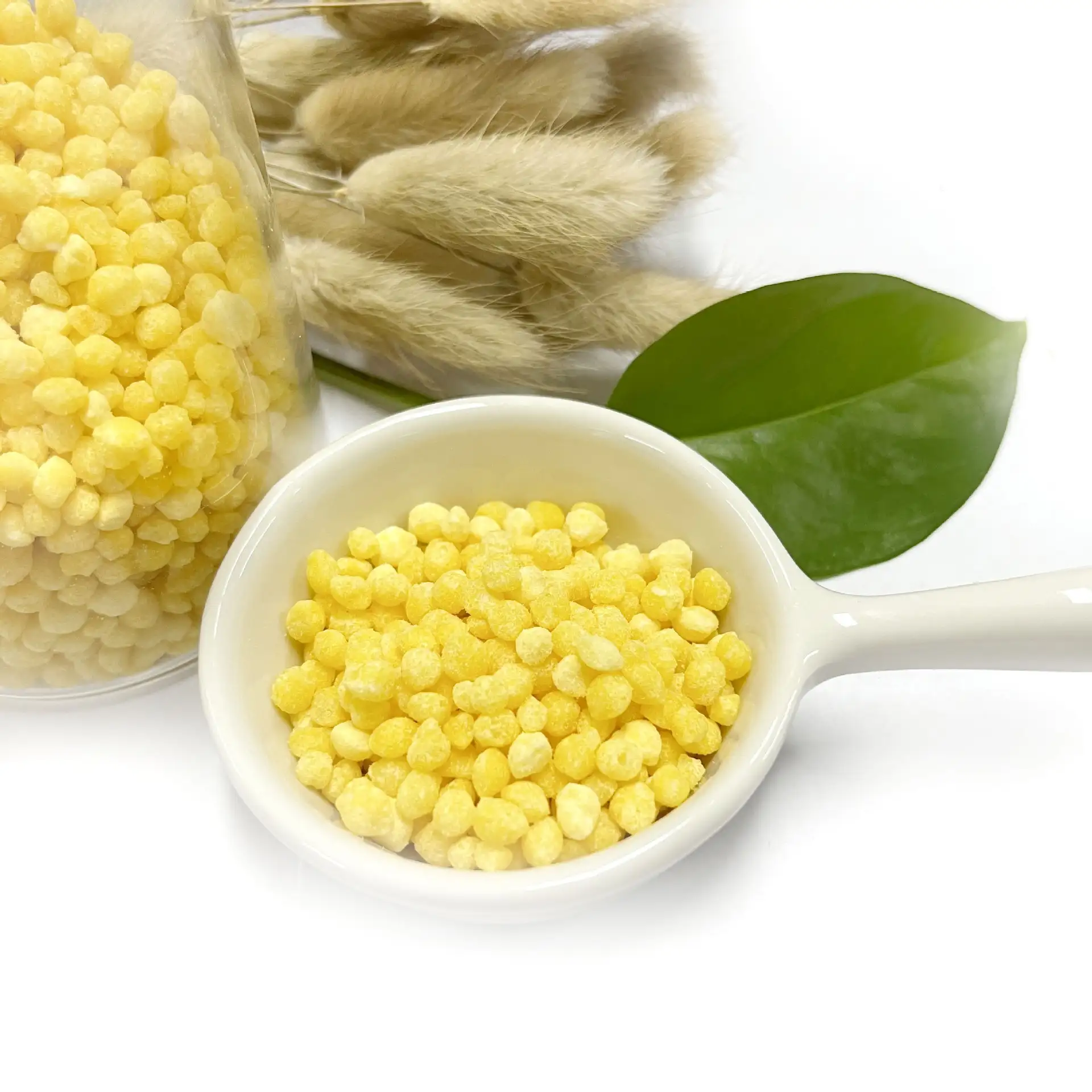
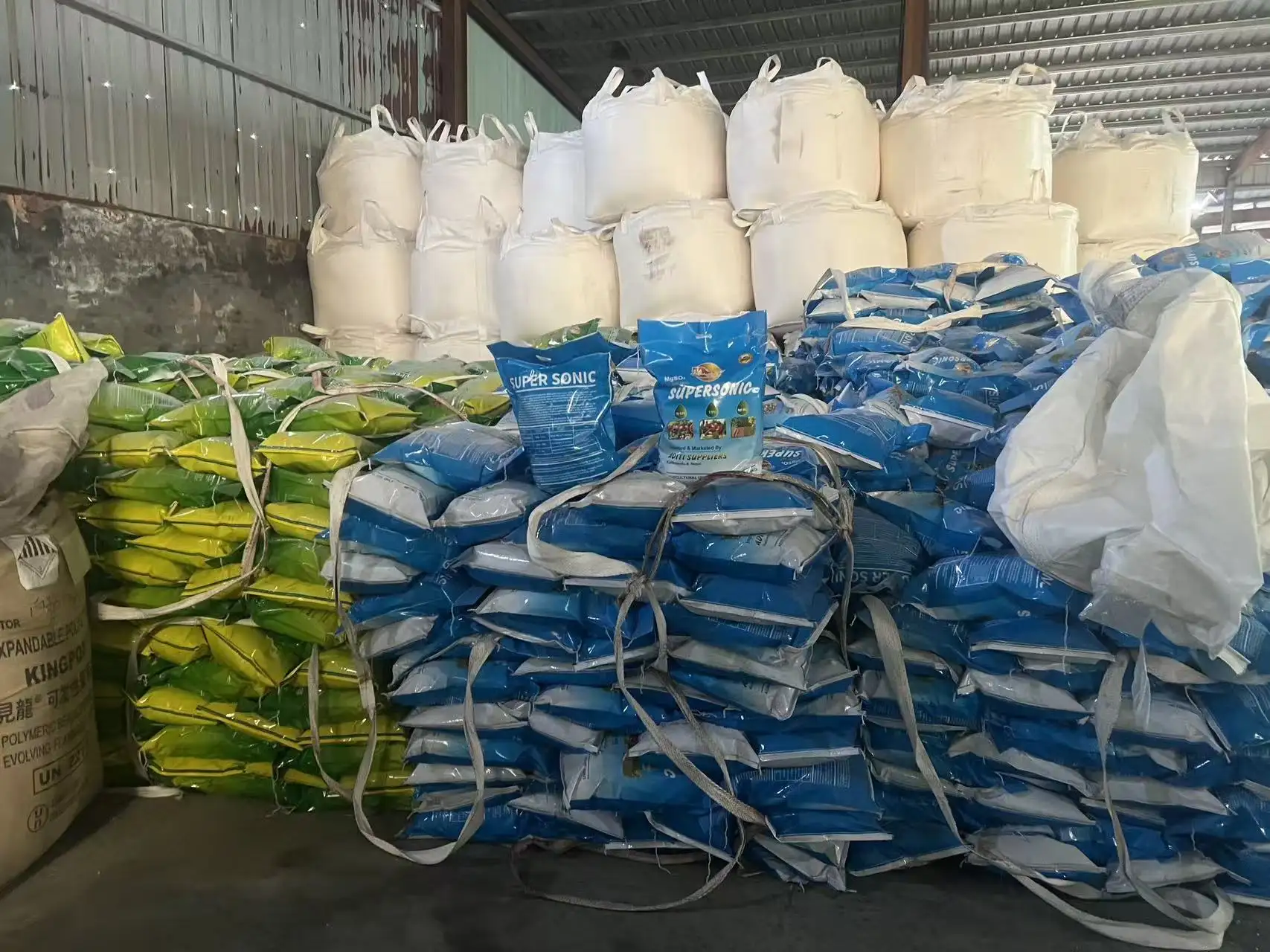

Magnesium Sulfate Bulk Wholesale is a water-soluble magnesium and sulfur fertilizer developed for crops requiring targeted magnesium supplementation. Available in Magnesium Sulfate Heptahydrate and Magnesium Sulfate Monohydrate grades, it provides different magnesium concentrations to support soil correction, fertigation, foliar feeding, greenhouse production, and intensive crop management.
Unlike conventional NPK fertilizers that focus primarily on nitrogen, phosphorus, and potassium, Magnesium Sulfate Bulk Wholesale is designed to address magnesium and sulfur deficiencies directly. Magnesium is a central component of chlorophyll and is closely involved in photosynthesis, while sulfur contributes to amino acid and protein formation. This makes the product particularly valuable for crops showing magnesium deficiency or grown in soils with insufficient available magnesium.
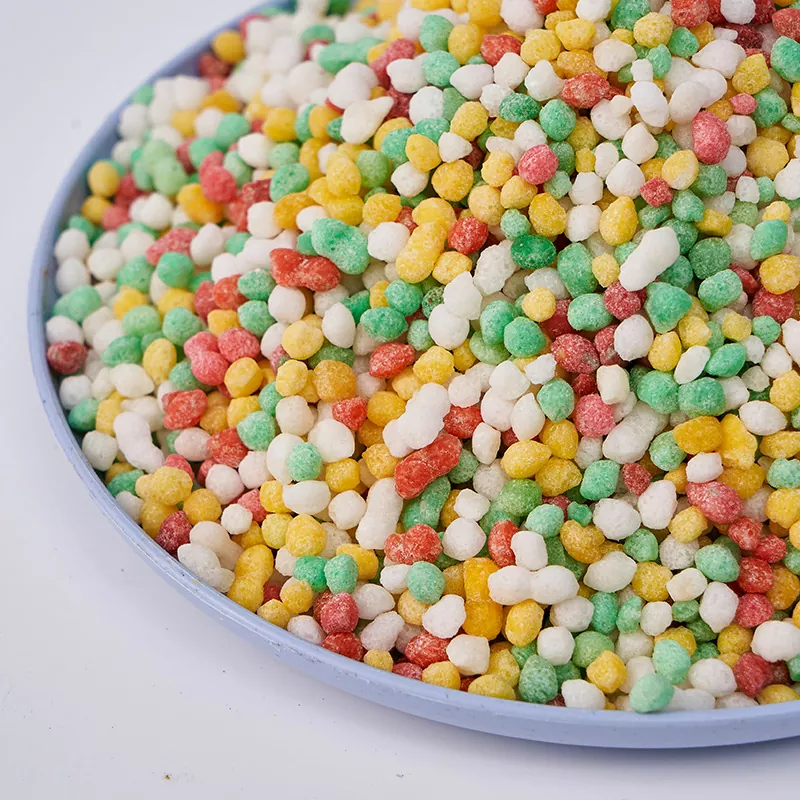
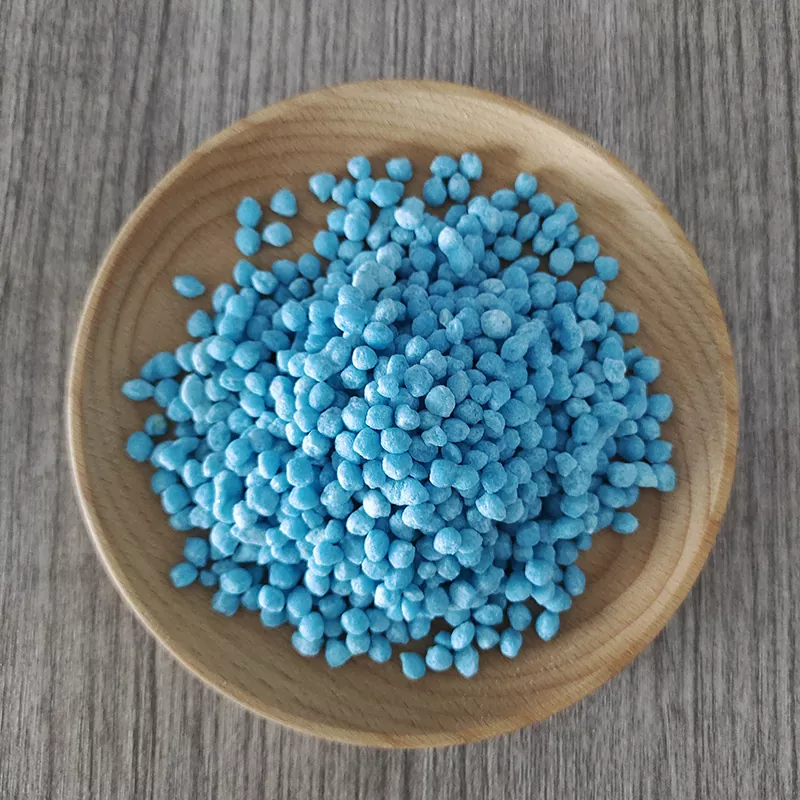
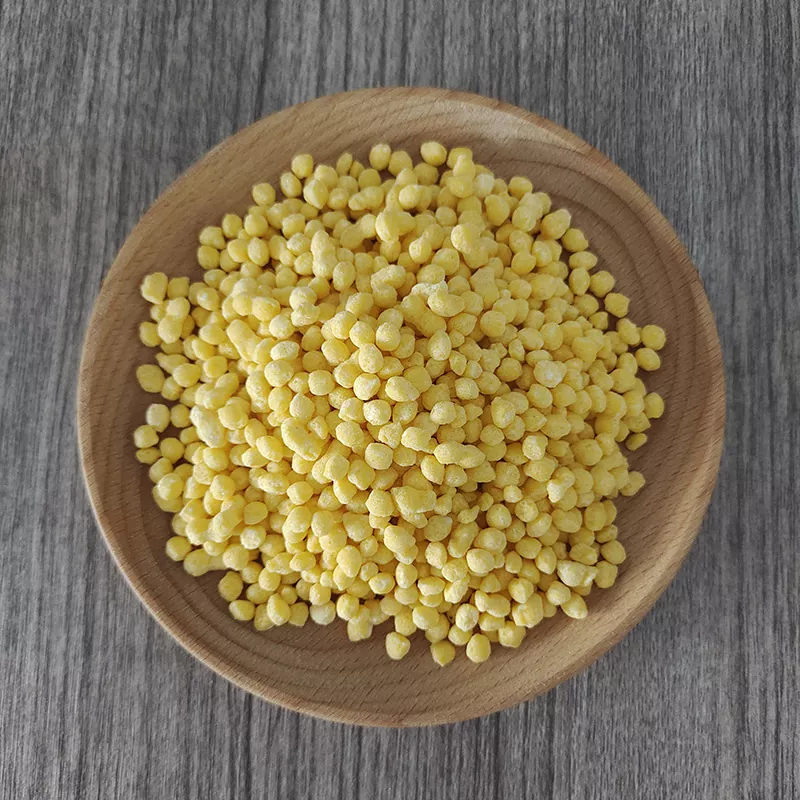
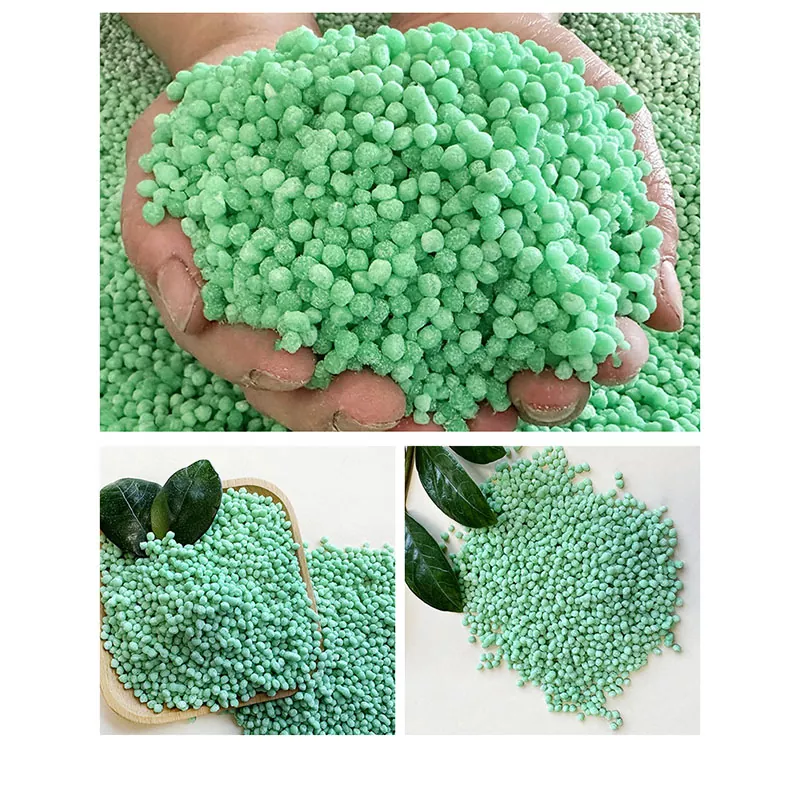
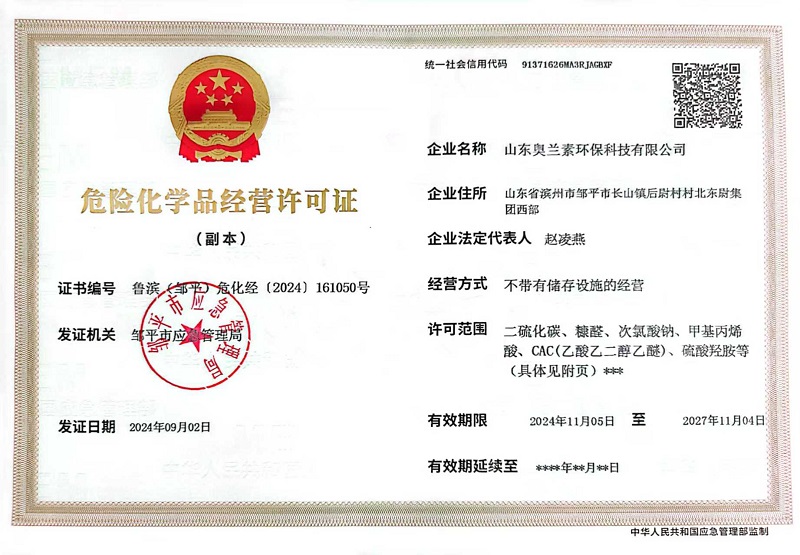
Manufactured by AOLANSU, the product is processed under controlled crystallization and purification procedures. We also holds a Hazardous Chemicals Business License, supporting compliant handling and supply of applicable chemical fertilizer products for qualified customers.
For agricultural buyers, the most important difference between magnesium sulfate products is not simply appearance or particle size, but the concentration of active magnesium and the intended application method. AOLANSU offers both heptahydrate and monohydrate forms so distributors, fertilizer formulators, and commercial farms can select the appropriate grade according to nutrient concentration, water solubility, application equipment, and crop requirements.
Magnesium Sulfate Monohydrate for Higher Magnesium Concentration
Magnesium Sulfate Monohydrate contains less crystallization water than the heptahydrate form and therefore provides a higher concentration of magnesium per unit weight. With MgO content of approximately ≥39.0%, it is suitable for fertilizer formulations and agricultural programs where higher magnesium concentration is required.
The higher nutrient density can also help reduce the amount of material required to deliver a specific magnesium target, depending on the application program and soil test results.
Magnesium Sulfate Heptahydrate contains crystallization water and offers excellent water solubility. It is commonly selected for fertigation, foliar application, greenhouse production, and general agricultural magnesium supplementation where rapid dissolution is important.
With an effective MgO content of approximately ≥25.0% according to the supplied specification, this grade provides a practical source of magnesium together with sulfur for crops requiring both nutrients.
| Specification | Heptahydrate | Monohydrate |
|---|---|---|
| Chemical Formula | MgSO₄·7H₂O | MgSO₄·H₂O |
| Magnesium Oxide (MgO) | ≥25.0% | ≥39.0% |
| Elemental Magnesium (Mg) | ≈15.1% | ≈23.5% |
| Sulfur (S) | ≈19.5% | ≈31.8% |
| Purity | ≥98.5% | ≥98.5% |
| Moisture | ≤1.0% | ≤0.5% |
| Chloride (Cl⁻) | ≤0.02% | ≤0.02% |
| Lead (Pb) | ≤0.001% | ≤0.001% |
| Iron (Fe) | ≤0.002% | ≤0.002% |
| pH Value | 5.5–7.5 | 5.5–7.5 |
Note: MgO, elemental Mg and sulfur values are theoretical conversions based on the stated chemical composition. The final commercial specification should be confirmed by the product COA for each production batch.
Magnesium deficiency can occur when soils have low magnesium reserves or when nutrient interactions restrict magnesium uptake. Sandy soils, highly weathered soils, intensive greenhouse soils, and fields receiving excessive amounts of competing nutrients may require additional magnesium management.
One of the most recognizable symptoms is interveinal chlorosis, where the tissue between leaf veins becomes yellow while the veins remain relatively green. Symptoms often appear first on older leaves because magnesium is mobile within the plant.
Other possible symptoms include reduced photosynthetic activity, weak plant growth, premature leaf discoloration, poor fruit development, and inconsistent crop quality. Soil and plant tissue testing should be used to confirm magnesium deficiency before establishing a large-scale fertilizer program.
Magnesium is located at the center of the chlorophyll molecule and therefore plays a fundamental role in photosynthesis. Adequate magnesium availability supports efficient light-energy conversion and healthy green leaf development.
Magnesium participates in numerous enzyme reactions associated with carbohydrate metabolism, energy transfer, and plant development. Maintaining sufficient magnesium availability helps crops utilize absorbed nutrients more effectively.
Sulfur is required for the synthesis of sulfur-containing amino acids and proteins. Supplying magnesium and sulfur together can therefore support a more complete secondary nutrient management strategy in crops where both nutrients are required.
For fields with confirmed magnesium deficiency, the product can be incorporated into the soil during land preparation or applied around the crop root zone. Soil application is suitable for field crops, orchards, and commercial agricultural production where magnesium reserves need to be replenished.
The application rate should be determined according to soil test results, crop requirements, existing magnesium levels, soil texture, and the selected product grade rather than using one fixed dosage for every crop.
Foliar feeding can be used when crops show visible magnesium deficiency during active growth. The fertilizer is dissolved in clean water and sprayed evenly over the foliage according to the crop's tolerance and agricultural practice.
A 1%–2% solution may be used as a general reference, but the final concentration should be adjusted according to crop species, leaf sensitivity, environmental conditions, and local agronomic recommendations.
Because of its high water solubility, the product can be incorporated into fertigation programs for drip irrigation and other controlled irrigation systems. This allows magnesium to be delivered directly to the active root zone and can be particularly useful in greenhouse vegetables, fruit orchards, and high-value crops.
For fertilizer manufacturers and agricultural distributors, the different MgO concentrations of heptahydrate and monohydrate provide flexibility when developing customized nutrient formulations. Compatibility testing should be conducted before combining concentrated fertilizer solutions or other agricultural chemicals.
Citrus, grapes, apples and other perennial fruit crops can require additional magnesium during periods of active leaf growth and fruit development. Magnesium supplementation can be incorporated into orchard nutrient management programs when soil or tissue testing indicates insufficient magnesium availability.
Rice, wheat, corn and soybean production may benefit from magnesium supplementation where soil magnesium availability is low. The product can be incorporated into a broader nutrient management program rather than replacing the primary NPK fertilizer program.
Tea, tobacco, cotton, oil crops and other commercial crops may have specific magnesium or sulfur requirements. The appropriate grade and application method should be selected based on crop nutrient demand and regional soil conditions.
Vegetable and Greenhouse
ProductionTomatoes, peppers, cucumbers, leafy vegetables and other intensive crops may experience nutrient imbalance because of continuous production and frequent irrigation. Water-soluble magnesium sulfate can be integrated into fertigation or foliar programs according to crop requirements.
| Item | Heptahydrate | Monohydrate |
|---|---|---|
| Chemical Formula | MgSO₄·7H₂O | MgSO₄·H₂O |
| MgO Content | ≥25.0% | ≥39.0% |
| Elemental Mg | ≈15.1% | ≈23.5% |
| Sulfur | ≈19.5% | ≈31.8% |
| Water Solubility | Excellent | Excellent |
| Main Advantage | Fast dissolution and flexible agricultural application | Higher magnesium concentration per unit weight |
| Typical Use | Fertigation, foliar feeding, greenhouse and soil application | High-concentration fertilizer formulations and targeted magnesium supplementation |
| Parameter | Specification |
|---|---|
| Product Name | Magnesium Sulfate Bulk Wholesale |
| Product Forms | Magnesium Sulfate Heptahydrate / Monohydrate |
| Chemical Formula | MgSO₄·7H₂O |
| CAS No. | 7487-88-9 |
| Purity | ≥98.5% |
| MgO Content | ≥25.0% / ≥39.0% |
| Elemental Magnesium | ≈15.1% / ≈23.5% |
| Sulfur Content | ≈19.5% / ≈31.8% |
| Appearance | White crystalline powder or granules |
| Solubility | Highly water soluble |
| Moisture | ≤1.0% / ≤0.5% |
| Chloride | ≤0.02% |
| Lead | ≤0.001% |
| Iron | ≤0.002% |
| pH Value | 5.5–7.5 |
| Particle Size | 1–4 mm granules; 80–100 mesh powder; customized sizes available |
| Packaging | 25kg PE-lined woven bags, 50kg drums, 1000kg jumbo bags |
| Shelf Life | 24 months under recommended storage conditions |
AOLANSU inspects incoming raw materials for purity, moisture, impurity levels, and other key indicators before production. This provides a controlled starting point for consistent fertilizer manufacturing.
Controlled crystallization and purification processes are used to maintain consistent crystal structure, nutrient concentration, solubility, and appearance. Process parameters are monitored throughout production.
Finished batches are tested for magnesium content, sulfur content, moisture, particle size, chloride, heavy metals, and other relevant quality indicators before shipment.
For qualified international buyers, AOLANSU can provide COA, MSDS/SDS, packing information, and other applicable export documentation to support product evaluation, transportation, and customs procedures.
The primary difference is crystallization water and nutrient concentration. Heptahydrate contains more water of crystallization and provides approximately 25% MgO, while monohydrate provides a higher MgO concentration of approximately 39%. The appropriate grade depends on the required magnesium concentration and application program.
Magnesium supplementation may be useful for citrus, grapes, tomatoes, potatoes, leafy vegetables, rice, wheat, corn, tea, tobacco, and other crops when soil or plant testing indicates insufficient magnesium availability.
Yes. The highly water-soluble grade can be used in fertigation systems. Filtration and solution compatibility should be checked according to irrigation equipment and the complete fertilizer program.
AOLANSU provides magnesium and sulfur fertilizer solutions for agricultural distributors, fertilizer manufacturers, importers, and commercial farming projects. Rather than treating all magnesium fertilizers as the same product, we provide different magnesium sulfate forms and concentration levels to help buyers select products according to their application requirements.
As a China-based manufacturer, AOLANSU combines controlled production, batch testing, flexible packaging, export documentation, and stable supply capability. The company also holds a Hazardous Chemicals Business License for applicable chemical product operations.
If you are sourcing magnesium fertilizer for agricultural distribution, fertilizer formulation, greenhouse production, orchards, or large-scale farming, contact AOLANSU for current specifications, COA, packaging options, sample availability, and bulk pricing.
Email: yang.jiao@dicotbio.com
Phone: +86-18554319686
WhatsApp: +86-13953143210
Address
(North of Dongwei Group, West) Houwei Village, Changshan Town, Zouping City, Binzhou, Shandong Province, China
Tel