
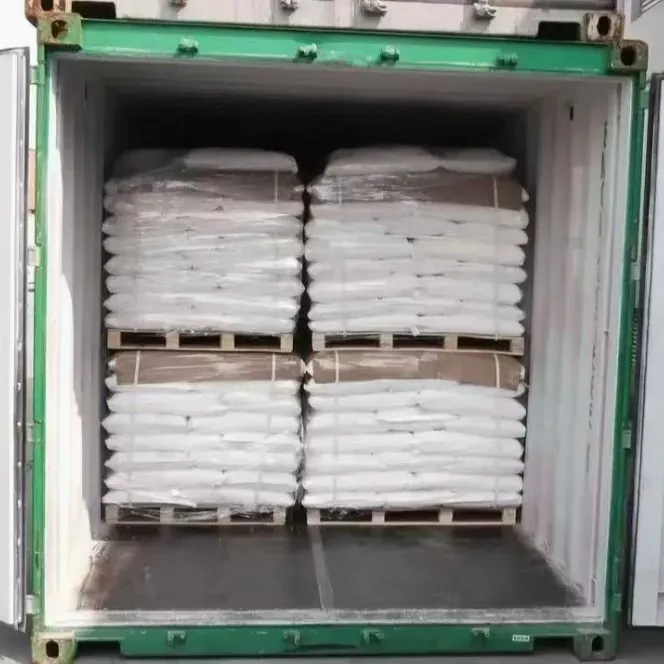
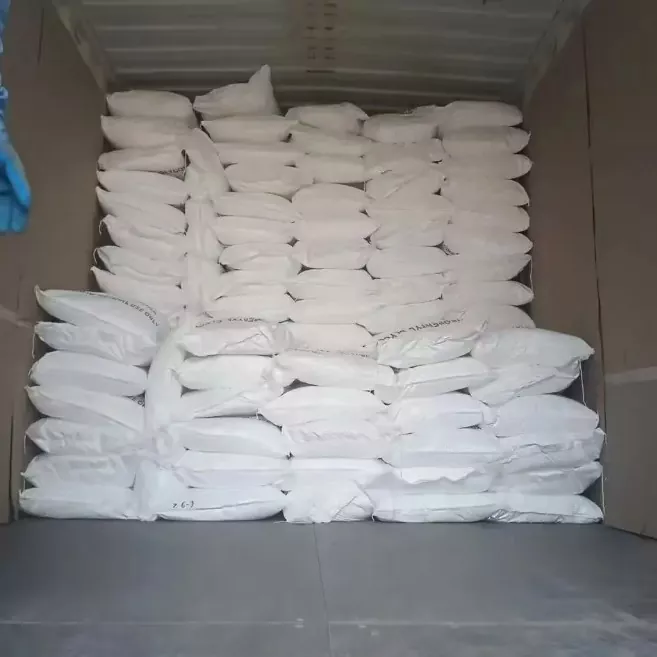

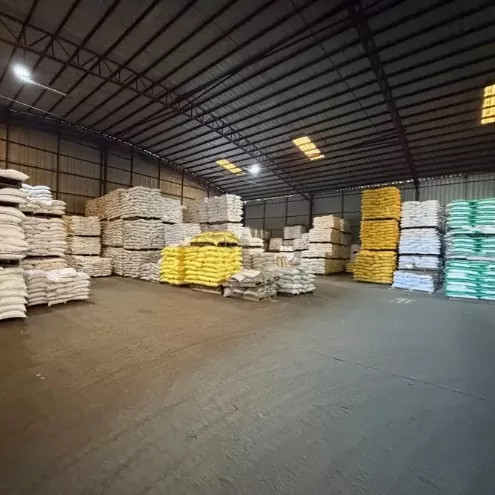

For factories using strong alkalis, the choice between solid flakes and liquid caustic soda can affect transportation cost, storage space, dosing flexibility, and solution preparation. Buyers therefore need to consider not only chemical purity, but also how the material will be dissolved, transferred, stored, and introduced into the production process.
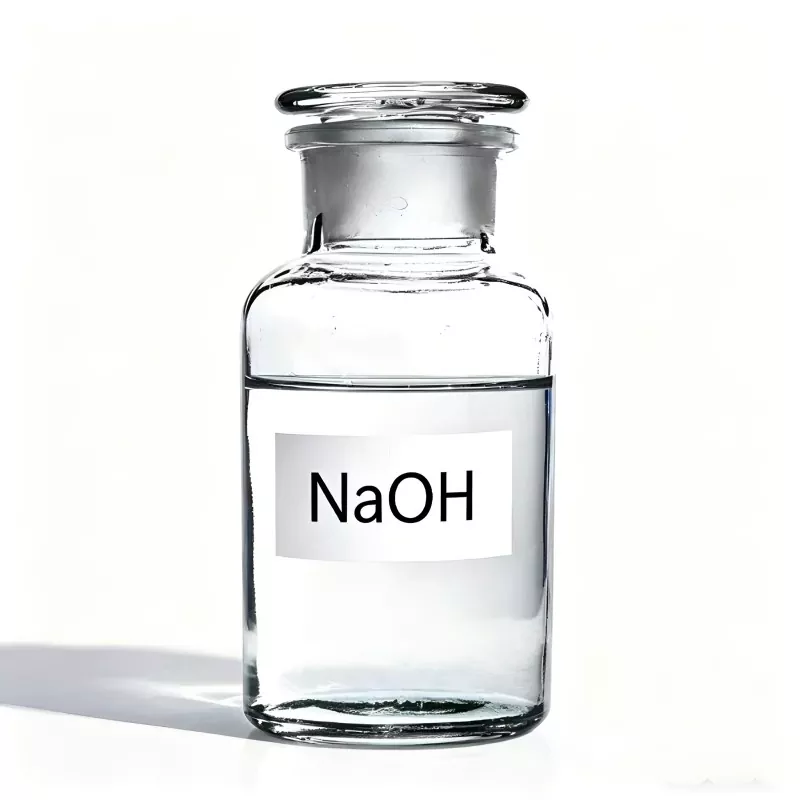
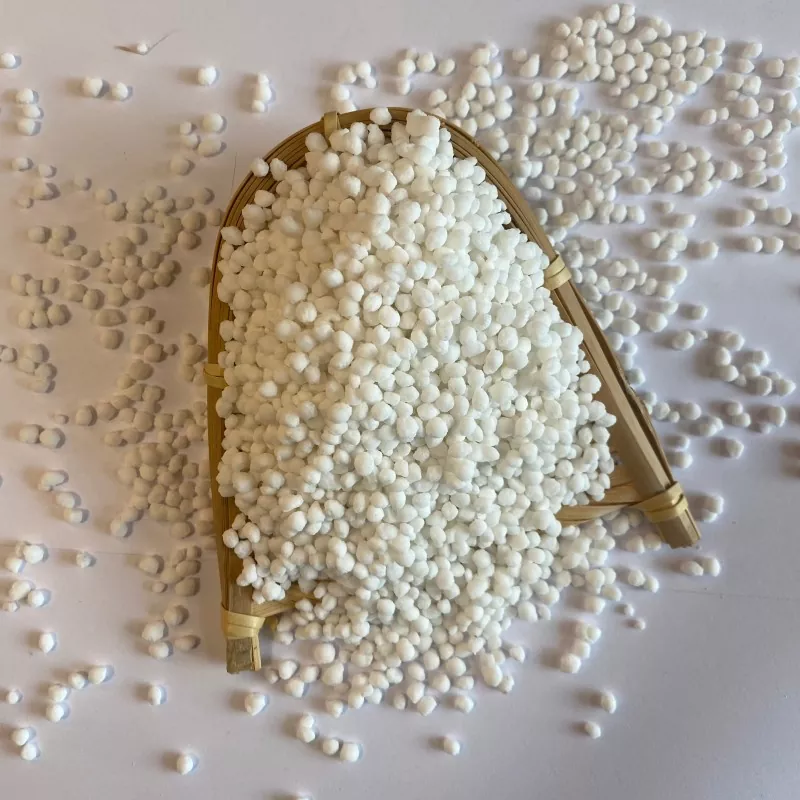
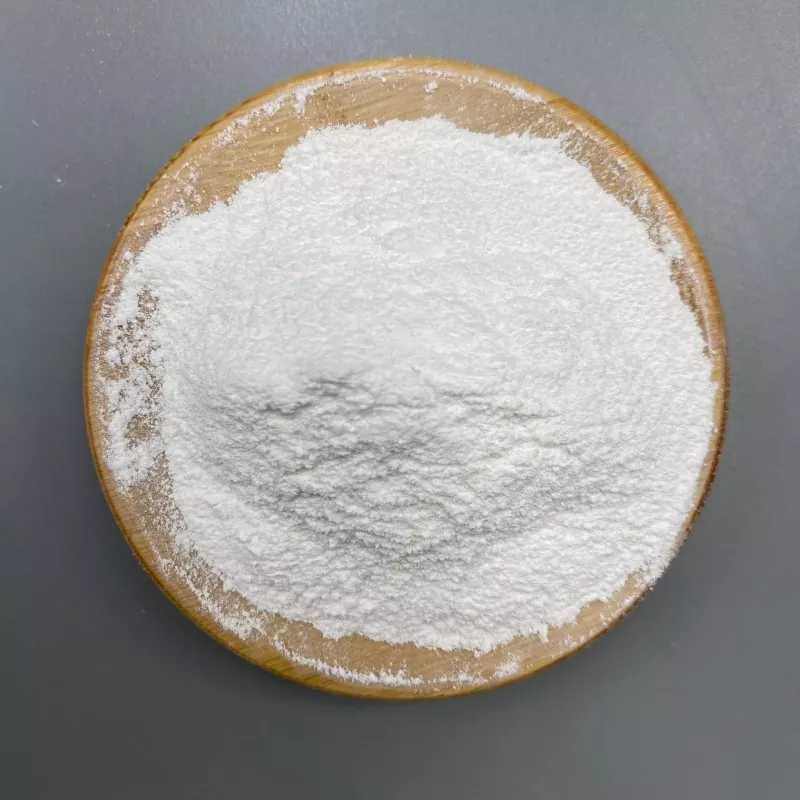
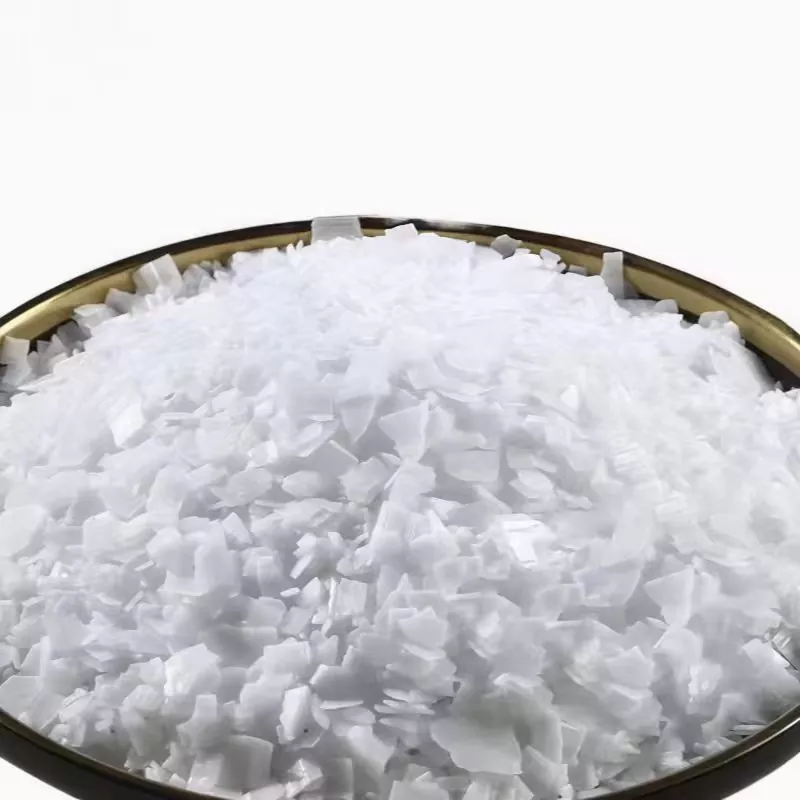
Sodium Hydroxide Flakes CAS 1310-73-2 is a white solid alkaline material with the chemical formula NaOH, CAS No. 1310-73-2, and EINECS No. 215-185-5. The AOLANSU specification provides a sodium hydroxide content of ≥99.0%, with controlled levels of sodium carbonate, sodium chloride, and iron oxide.
The flake form is particularly practical for manufacturers that need to prepare alkaline solutions according to their own process concentration. Instead of transporting a large quantity of water contained in liquid caustic soda, buyers can purchase a concentrated solid material and prepare the required solution at the point of use.
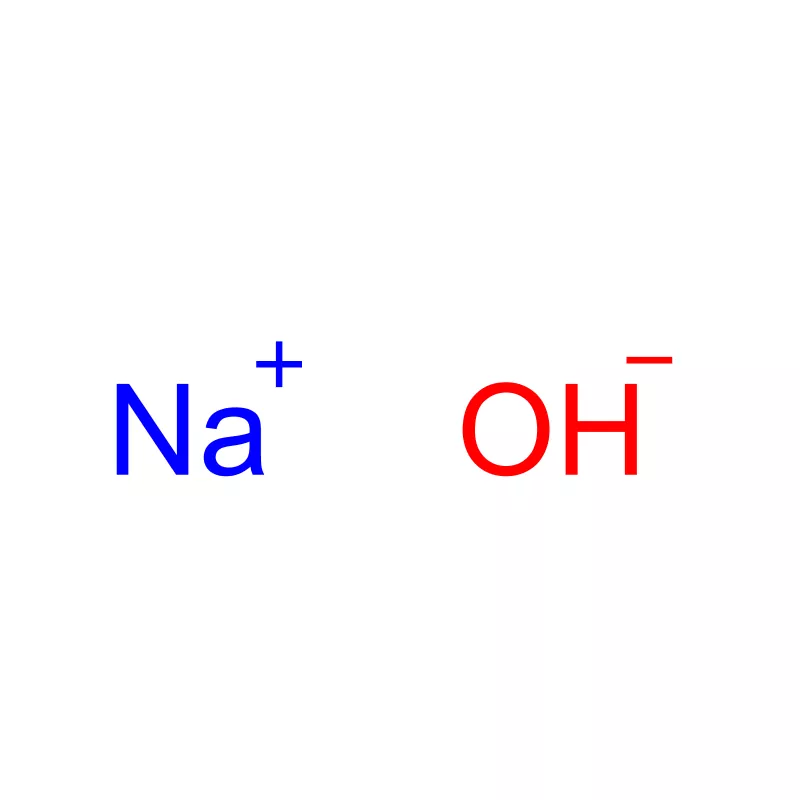
Liquid caustic soda contains a significant proportion of water, while the flake form provides a much more concentrated solid material. For buyers transporting chemicals over long distances, this difference can influence freight efficiency, storage requirements, and the amount of material that needs to be handled.
Factories with appropriate solution-preparation equipment can purchase solid flakes and prepare solutions according to their actual production requirements instead of receiving a predetermined concentration.
Different industrial processes require different alkaline concentrations. Textile mercerization, wastewater neutralization, chemical synthesis, and surface treatment do not necessarily use the same concentration.
The solid form allows users to prepare solutions according to their process parameters. This provides greater flexibility for factories operating multiple production lines or changing formulations between different products.
Some manufacturing plants do not consume caustic soda continuously. For these facilities, solid flakes can be easier to stock for scheduled production than maintaining large volumes of liquid alkaline material.
However, because the product readily absorbs moisture from the atmosphere, packaging must remain tightly sealed and storage conditions must be properly controlled.
The first step is to determine the concentration required by the production process. A textile factory, water-treatment facility, and chemical manufacturer may have completely different requirements.
After determining the required working concentration, the purchasing team can calculate how much solid material is required and select an appropriate dissolution and dosing method.
NaOH content alone does not provide a complete picture of a caustic soda product. Sodium carbonate and sodium chloride are also important indicators when the material is used in processes sensitive to inorganic impurities.
The AOLANSU specification controls sodium carbonate at ≤0.5% and sodium chloride at ≤0.03%, providing buyers with additional information for process evaluation.
Iron contamination can become an important consideration in textile processing, chemical manufacturing, surface treatment, and other applications where trace metals may affect the appearance or performance of the finished product.
The specified iron oxide content is ≤0.005%. Buyers with stricter requirements can discuss their target impurity limits with AOLANSU before placing an order.
When sodium hydroxide is dissolved in water, a substantial amount of heat is released. This is an important operating characteristic that must be considered during solution preparation.
Industrial users should use suitable mixing equipment and controlled addition procedures rather than adding large quantities of flakes into a limited amount of water at once. The actual operating procedure should follow the facility's chemical safety assessment and applicable SDS.
The material is highly hygroscopic. If packaging is left open or stored in a humid environment, the flakes can absorb atmospheric moisture and gradually change their physical condition.
Moisture absorption can increase caking and make accurate feeding more difficult. For this reason, unopened packaging should be kept sealed until the material is required for production.
Good warehouse management is more effective than trying to correct heavily caked material after long-term exposure. Keep bags or drums sealed, minimize exposure to humid air, avoid damaged packaging, and store the product in a dry chemical warehouse.
In cotton processing, concentrated alkaline solutions are used to modify fiber characteristics during mercerization. The treatment can improve fabric luster, dye affinity, and dimensional properties.
For this application, buyers should pay particular attention to NaOH concentration, iron-related impurities, solution preparation, and process temperature.
Wastewater treatment facilities use sodium hydroxide to neutralize acidic streams and adjust pH before subsequent treatment stages.
Because wastewater consumption can vary significantly, solid flakes can provide flexible inventory management for facilities that prepare alkaline solutions according to daily treatment demand.
In pulp production, sodium hydroxide participates in chemical treatment processes that help remove lignin and other unwanted components from raw materials. The resulting pulp can then undergo further processing for paper manufacturing.
As a strong base, sodium hydroxide participates in numerous chemical reactions and is used to manufacture sodium salts, detergents, bleaching agents, intermediates, and other chemical products.
For synthesis processes, impurity limits and concentration accuracy may be more important than simply purchasing the lowest-priced product.
Alkaline solutions can be used to remove oil, grease, and other contaminants from metal surfaces before electroplating, coating, or other surface-treatment processes.
The concentration and treatment time should be adjusted according to the metal substrate and the specific production process.
| Item | Specification |
|---|---|
| Product Name | Sodium Hydroxide Flakes |
| Common Name | Caustic Soda Flakes |
| CAS No. | 1310-73-2 |
| EINECS No. | 215-185-5 |
| Chemical Formula | NaOH |
| NaOH Content | ≥99.0% |
| Sodium Carbonate (Na₂CO₃) | ≤0.5% |
| Sodium Chloride (NaCl) | ≤0.03% |
| Iron Oxide (Fe₂O₃) | ≤0.005% |
| Bulk Density | 0.8–1.0 g/cm³ |
| Appearance | Pure White Flakes, No Caking |
| Shelf Life | 12 Months Under Sealed and Dry Storage |
A large textile manufacturing company in Jiangsu Province urgently needed high-purity Sodium Hydroxide Flakes CAS 1310-73-2 for the mercerizing process of pure cotton fabrics. The manufacturer wanted to improve fabric gloss while achieving more consistent dyeing performance.
Shandong Aolansu supplied customized 99.2% high-purity flake sodium hydroxide and placed particular attention on the control of ferric oxide and other impurities. The material was incorporated into the customer's existing mercerizing process without requiring a major change to the overall production system.
| Project Indicator | Result |
|---|---|
| Customer Location | Jiangsu Province, China |
| Industry | Textile Manufacturing |
| Application | Pure Cotton Fabric Mercerization |
| Supplied Grade | 99.2% High-Purity Flake Sodium Hydroxide |
| Fabric Gloss | Increased by 15% |
| Dye Consumption | Reduced by 10% |
| Long-Term Cooperation | Two-Year Stable Supply Agreement |
According to the project results, the customer achieved improved fabric gloss, lower dye consumption, and better dyeing uniformity. The two parties subsequently established a two-year stable supply cooperation agreement, with consistent product quality maintained across batches.
For trial production or facilities with moderate consumption, 25kg bags or other customized small-package solutions can make manual handling and inventory rotation more manageable.
Large consumers can discuss bulk packaging and shipment arrangements according to their storage equipment, annual consumption, and transportation requirements. The packaging should provide adequate moisture protection throughout the supply chain.
AOLANSU supports trial orders from 1–5 tons and can discuss packaging requirements for subsequent regular purchasing.
Store in a cool, dry, well-ventilated chemical warehouse with original packaging tightly sealed. Keep away from water, humidity, and incompatible chemicals.
The material is strongly corrosive. Operators should use alkali-resistant gloves, protective clothing, chemical-resistant goggles, and appropriate face protection during handling and solution preparation.
Because dissolution in water releases significant heat, the solution preparation process must be controlled carefully. Avoid uncontrolled addition and follow the plant's established operating procedures and current SDS.
Sodium Hydroxide Flakes CAS 1310-73-2 are corrosive hazardous chemicals and require appropriate management during purchasing, storage, transportation, and use.
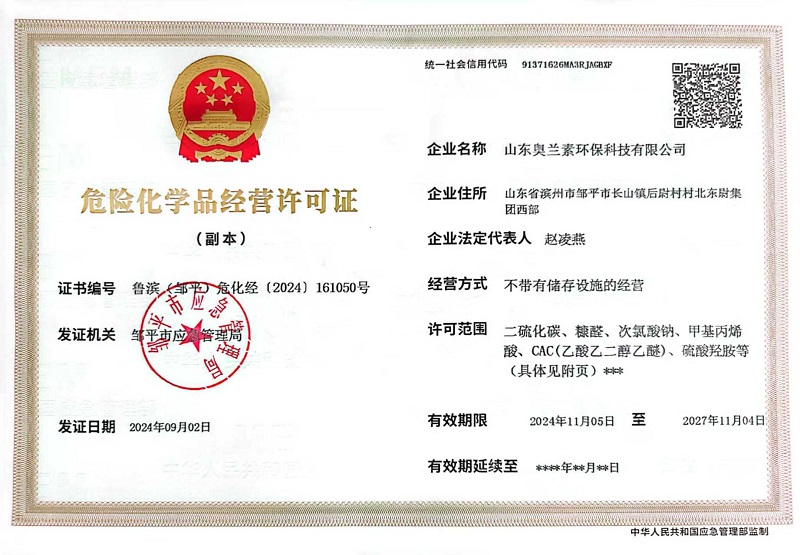
Shandong Aolansu Environmental Protection Technology Co., Ltd. holds a Hazardous Chemical Business License. This qualification supports supplier due diligence for buyers that need to purchase regulated chemical raw materials through a properly qualified chemical business.
AOLANSU can provide SDS, COA, product specifications, packaging information, and relevant shipping documentation according to customer requirements.
For repeated industrial purchasing, the important question is whether the supplier can maintain the agreed specification over time rather than simply meet the requirement of one shipment.
AOLANSU uses standardized production and inspection procedures to monitor NaOH content and major impurity indicators. Each batch can be supported with quality inspection documentation, allowing purchasing and quality teams to compare delivered material against the agreed specification.
The company also supports trial orders, regular bulk purchasing, customized packaging, and international logistics coordination, allowing customers to establish a purchasing arrangement based on actual consumption rather than a fixed supply model.
The main difference is physical form and concentration. Flakes are a concentrated solid material that can be stored and dissolved according to the user's requirements, while liquid caustic soda is supplied as a prepared aqueous solution. The better option depends on transportation distance, storage facilities, consumption volume, and solution-preparation capability.
Sodium hydroxide is highly hygroscopic and absorbs moisture from the air. Poorly sealed packaging or humid storage conditions can therefore cause physical changes and caking. Keeping the packaging sealed and the warehouse dry helps minimize this problem.
Yes. The original application case used customized 99.2% high-purity material for a textile mercerization project. Actual specifications should be confirmed according to the customer's application and purchasing requirements.
The supplied specification lists sodium hydroxide content at ≥99.0%. Sodium carbonate, sodium chloride, and iron oxide are also controlled within defined limits.
Yes. AOLANSU supports small-batch trial purchases of approximately 1–5 tons. Subsequent packaging and supply arrangements can be discussed according to the customer's consumption volume.
AOLANSU can provide COA, SDS, technical specifications, and relevant shipping documents according to the product and destination requirements.
Suitability depends on the specific grade, application, and applicable food regulations. Industrial-grade material should not be assumed to be suitable for direct food applications. Buyers should specify the intended use before ordering.
Send AOLANSU your required purity, annual consumption, packaging preference, destination port, and application. Our team can help evaluate the appropriate specification and provide quotation, documentation, and shipment arrangements.
Address
(North of Dongwei Group, West) Houwei Village, Changshan Town, Zouping City, Binzhou, Shandong Province, China
Tel