In industrial production, the appropriate caustic soda concentration depends on the process rather than simply on the highest available concentration. A solution that is too concentrated may require additional dilution, while a concentration that is too low can increase chemical consumption and introduce more water into the production system.
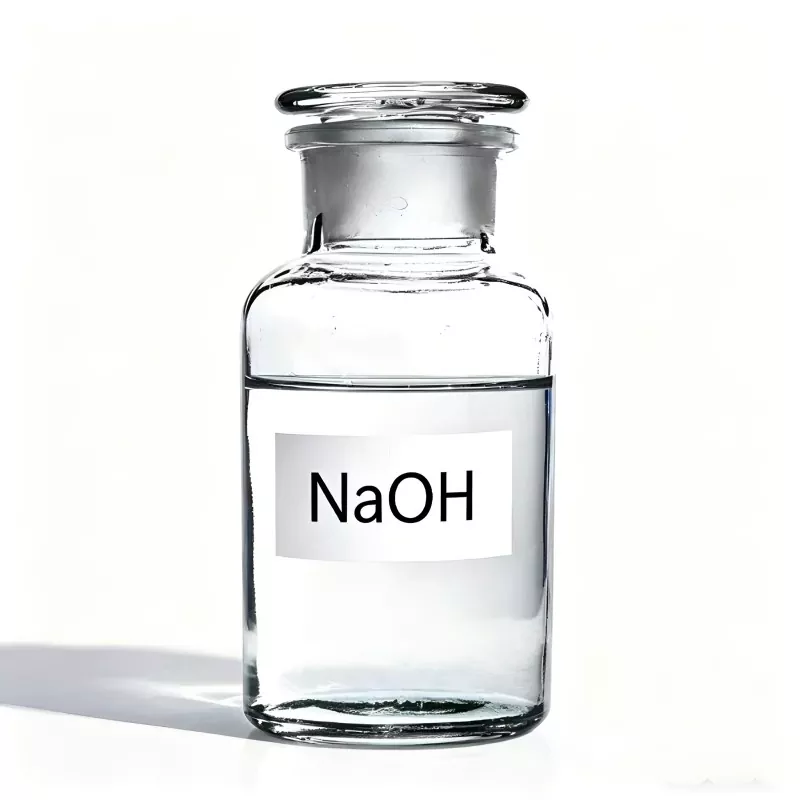
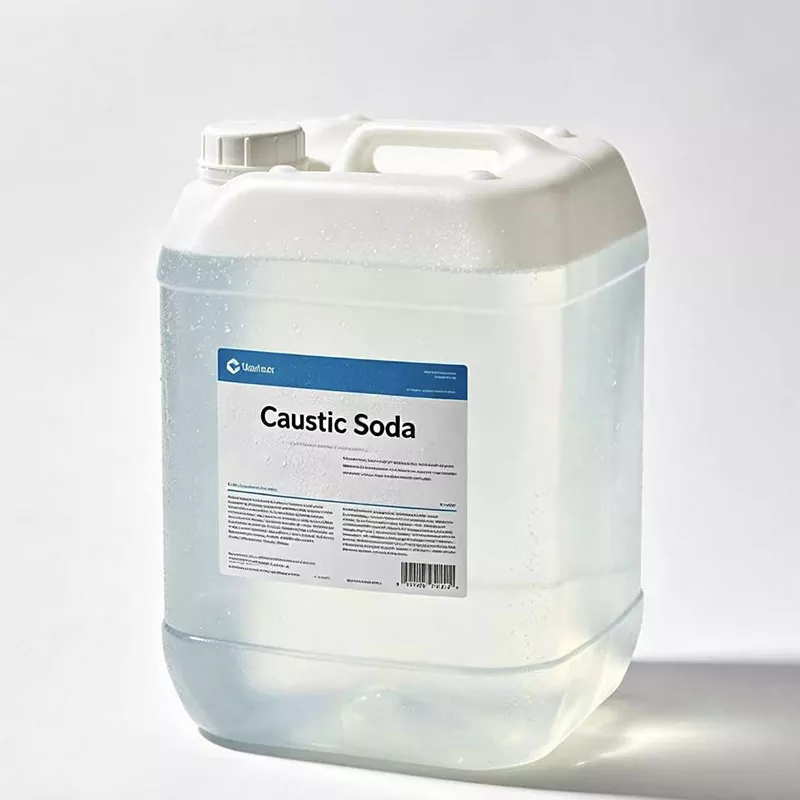
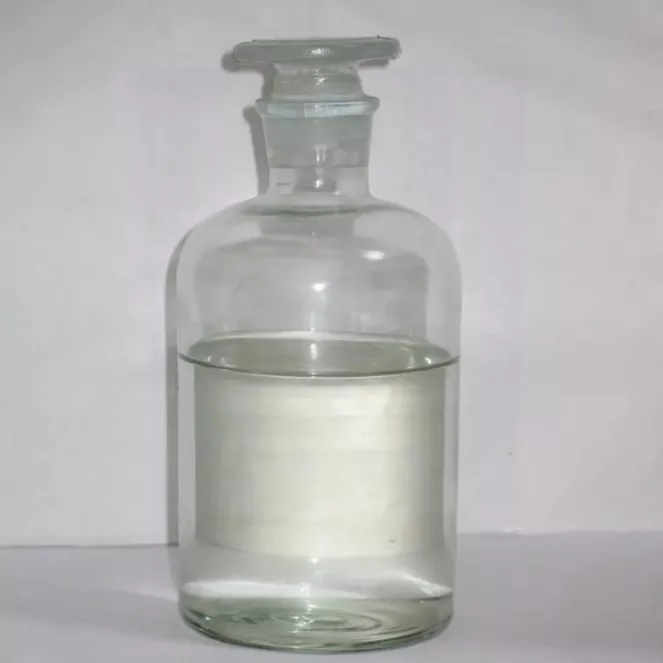
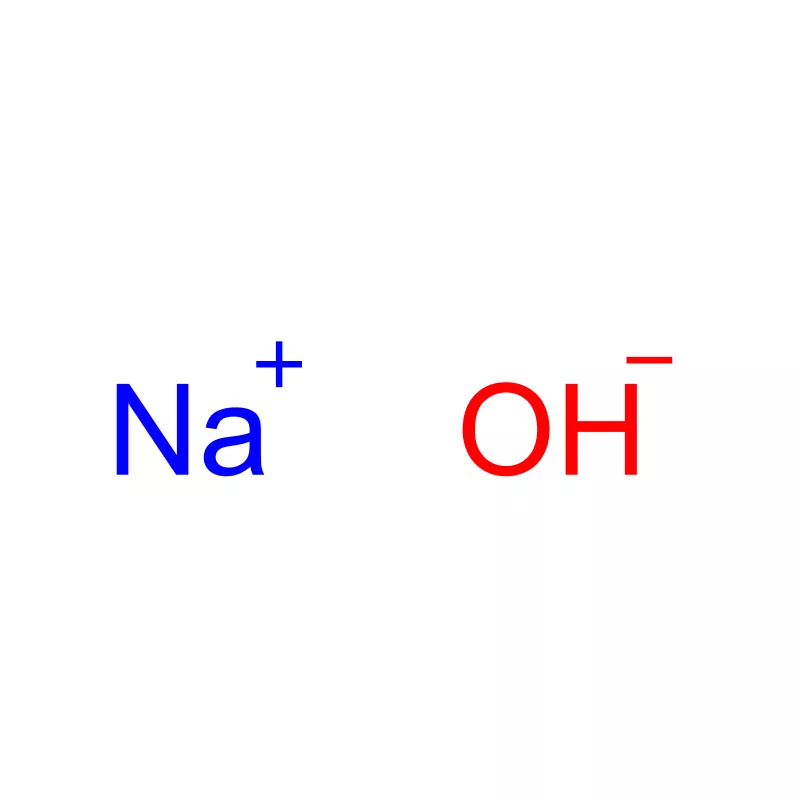
30% Caustic Soda Solution CAS 1310-73-2 is a liquid sodium hydroxide product with the chemical formula NaOH, CAS No. 1310-73-2, and EINECS No. 215-185-5. It is supplied as a clear, colorless and viscous liquid with a sodium hydroxide content of ≥30.0% and a density of approximately 1.328 g/cm³ at 20°C.
For production lines designed around approximately 30% alkaline solutions, this grade can be transferred directly to the process without preparing a solution from solid caustic soda. It can therefore be considered for pulp processing, textile treatment, water treatment, chemical manufacturing, petroleum processing, and other industrial applications where controlled alkaline conditions are required.
Not every factory needs the highest possible sodium hydroxide concentration. Some production processes are designed around a working solution below the concentration of concentrated liquid alkali. In these situations, purchasing a suitable intermediate-concentration solution can simplify chemical preparation and reduce the amount of adjustment required before dosing.
Alkaline concentration can influence reaction speed, material swelling, saponification, impurity removal, and surface treatment performance. Maintaining the intended concentration is therefore important for repeatable production.
For applications such as cotton mercerization and pulp treatment, the actual working concentration should be determined according to the raw material, process temperature, treatment time, and equipment configuration.
Liquid sodium hydroxide can be transferred through chemical pumps and pipelines, making it suitable for both continuous production lines and batch-processing systems. For factories that consume alkali regularly but do not require highly concentrated material, a 30% solution can provide a practical balance between chemical concentration and handling requirements.
Sodium hydroxide participates in neutralization, hydrolysis, saponification, delignification, and other alkaline reactions. The required concentration depends on the specific reaction and the desired treatment result.
Increasing concentration is not always equivalent to improving production efficiency. Excessive alkalinity can increase material consumption, affect product properties, or require additional process adjustment. The target concentration should therefore be established through process testing.
When a chemical solution is introduced into a production line, the water carried with the chemical also becomes part of the process. This can be important for pulp washing, textile treatment, wastewater treatment, and chemical formulations where water balance is closely controlled.
A 30% Caustic Soda Solution CAS 1310-73-2 provides an intermediate concentration that can be suitable for processes requiring a prepared liquid alkali while avoiding the need to handle solid sodium hydroxide.
Liquid products can be metered through pumps and flow-control systems, allowing the amount of sodium hydroxide introduced into a production line to be adjusted according to process demand.
For factories with frequently changing production loads, accurate dosing can be more practical than manually preparing alkaline solutions from solid material.
Sodium carbonate is a common impurity associated with sodium hydroxide. Its level can be relevant when alkaline concentration and chemical composition need to remain consistent between production batches.
The AOLANSU specification limits sodium carbonate to ≤0.04%, providing a defined reference for customers evaluating the material for their process.
Chloride ions can be undesirable in certain chemical processes and surface-treatment applications. Controlling chloride content helps customers evaluate whether the material is compatible with their existing process specifications.
The specified sodium chloride content is ≤0.005%.
Iron is particularly important for applications where discoloration or trace-metal contamination may influence the appearance of the finished product.
The iron oxide content of this specification is controlled at ≤0.0003%. This characteristic was also relevant to the textile application case described below.
Sodium hydroxide is used in wood cooking and other pulp-treatment operations to help break down lignin and separate unwanted components from cellulose fibers. For paper manufacturers, alkaline concentration, impurity levels, temperature, and treatment time need to be coordinated to achieve the desired pulp characteristics. The right solution concentration can help simplify chemical dosing within established production parameters.
In cotton textile processing, sodium hydroxide is used during scouring and mercerization. Alkaline treatment can modify fiber characteristics, improve fabric luster, and increase dye affinity. For this application, iron and other trace impurities can also be important because they may influence fabric appearance and color consistency.
Liquid sodium hydroxide can be used to raise the pH of acidic wastewater and create suitable conditions for downstream treatment processes. It may also support the precipitation of certain dissolved metal ions. The appropriate dosage should be calculated according to wastewater acidity, flow rate, buffering capacity, and the target treatment range.
Sodium hydroxide is an important basic raw material for manufacturing sodium salts, detergents, dyes, pharmaceutical intermediates, and other chemical products. The required concentration varies according to the reaction system. Buyers should therefore select the material based on the actual process rather than assuming that a higher concentration is always preferable.
Alkaline chemicals are used in selected petroleum refining and deacidification processes as well as metal surface treatment, electroplating, and related industrial operations. Before purchasing, users should verify chemical compatibility with their equipment and confirm the required operating concentration through their process specifications.
A large paper mill in Zhejiang previously experienced low pulp purity, relatively high lignin residue, and inconsistent paper toughness and whiteness during its pulp production process. The manufacturer needed an alkaline raw material that could be incorporated into its existing wood cooking and pulp treatment process while maintaining controlled impurity levels.
The customer introduced 30% liquid sodium hydroxide supplied by Shandong Aolansu into its pulp processing system. The alkaline treatment was adjusted according to the customer's existing production parameters.
| Performance Indicator | Reported Result |
|---|---|
| Lignin Removal Rate | Increased by 18% |
| Pulp Brightness | Increased from 78% to 89% |
| Paper Tensile Strength | Increased by 25% |
| Production Waste Loss | Reduced by 12% |
The customer reported improved pulp quality and reduced production waste after adjusting the alkaline treatment process. The low impurity characteristics of the supplied material also supported the customer's requirements for consistent pulp processing.
A cotton textile company in Jiangsu Province had experienced uneven fabric gloss, inconsistent dye adhesion, and relatively high rework rates caused by color differences during fabric mercerization. The manufacturer needed to improve the alkaline treatment conditions while reducing the influence of trace impurities on fabric appearance.
The customer applied the liquid alkali at a suitable working concentration of approximately 28–30% for the mercerization process. Process parameters were adjusted according to the customer's fabric type and existing production conditions.
| Production Indicator | Reported Result |
|---|---|
| Fabric Gloss | Increased by 30% |
| Dye Adsorption Rate | Increased by 22% |
| Batch Color Consistency | Reached 98% |
| Fabric Appearance | Reduced risk of yellowing associated with iron impurities |
The project helped the textile manufacturer improve fabric appearance and dyeing consistency while reducing rework caused by color variation. The case also demonstrates why impurity specifications can be important when selecting alkaline chemicals for textile processing.
| Item | Specification |
|---|---|
| Product Name | 30% Caustic Soda Solution |
| Common Names | Liquid Caustic Soda / Caustic Soda Lye |
| Chemical Formula | NaOH |
| CAS No. | 1310-73-2 |
| EINECS No. | 215-185-5 |
| NaOH Content | ≥30.0% |
| Sodium Carbonate (Na₂CO₃) | ≤0.04% |
| Sodium Chloride (NaCl) | ≤0.005% |
| Iron Oxide (Fe₂O₃) | ≤0.0003% |
| Appearance | Clear, Colorless and Transparent Viscous Liquid |
| Density at 20°C | 1.328 g/cm³ |
| pH Value | Approximately 14 |
| Shelf Life | 12 Months Under Sealed Storage |
Industrial users do not always operate with the same alkaline concentration. Depending on the application, the required solution may differ because of reaction conditions, equipment design, material characteristics, and dosing procedures. AOLANSU can discuss concentration requirements ranging from approximately 20% to 50% according to the customer's application and purchasing specifications.
For example, a textile factory may require a particular working concentration for mercerization, while a wastewater treatment facility may determine its dosage based on wastewater acidity and flow rate. Buyers should provide their intended application before confirming the appropriate specification.
Store the material in sealed, corrosion-resistant containers in a cool, dry, and well-ventilated chemical storage area. Protect containers from direct sunlight and avoid contact with incompatible acidic materials.
Storage tanks, pumps, valves, pipelines, and transfer equipment should be selected according to the corrosive characteristics of sodium hydroxide solution. Chemical compatibility should be confirmed before installation or modification of the dosing system.
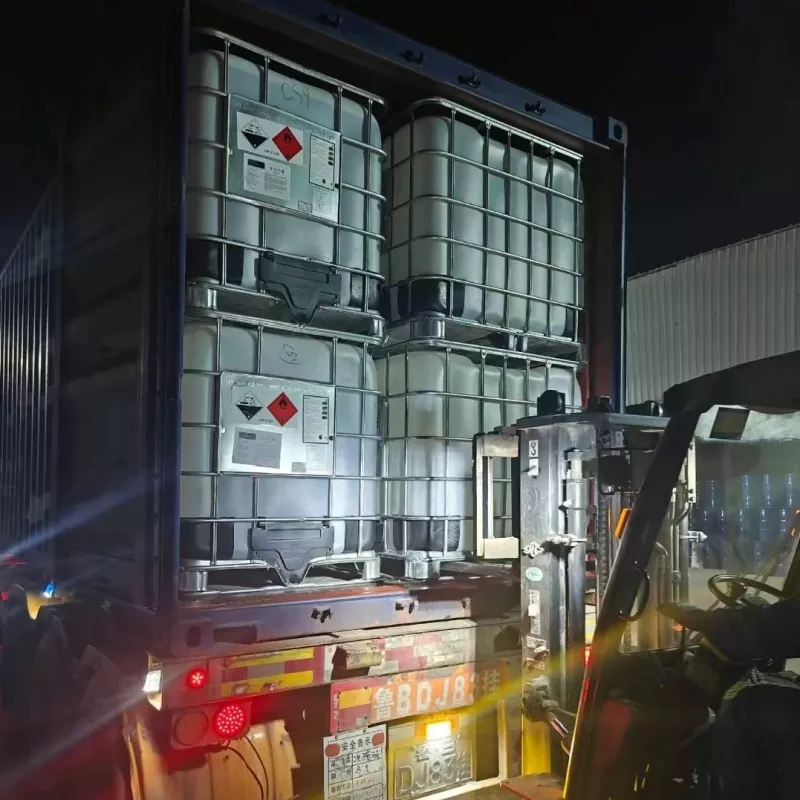
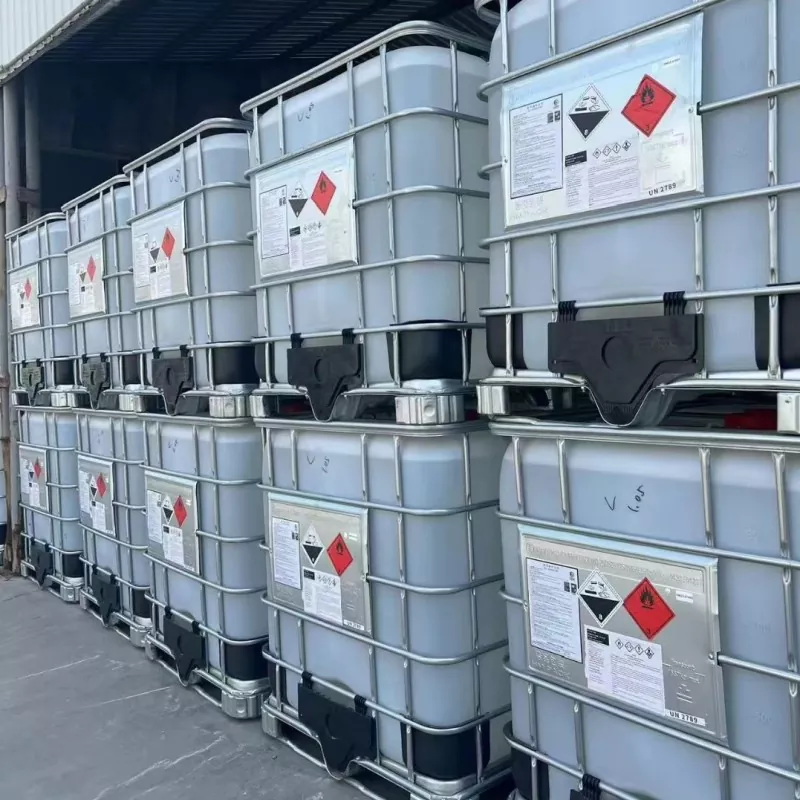
The material is a Class 8 corrosive substance and must be transported according to applicable dangerous goods regulations. Containers should be securely sealed and protected against impact, leakage, and improper handling throughout transportation.
Concentrated sodium hydroxide solution is strongly corrosive and can cause severe damage upon contact with skin or eyes. Operators should wear suitable chemical-resistant gloves, protective clothing, safety goggles, and appropriate face protection. Facilities should establish emergency washing procedures and provide accessible eyewash and safety shower equipment in areas where chemical handling takes place.
In the event of accidental exposure, immediately flush the affected area with plenty of running water and follow the emergency procedures specified in the current SDS. Waste materials and contaminated solutions should be handled according to applicable hazardous waste requirements.
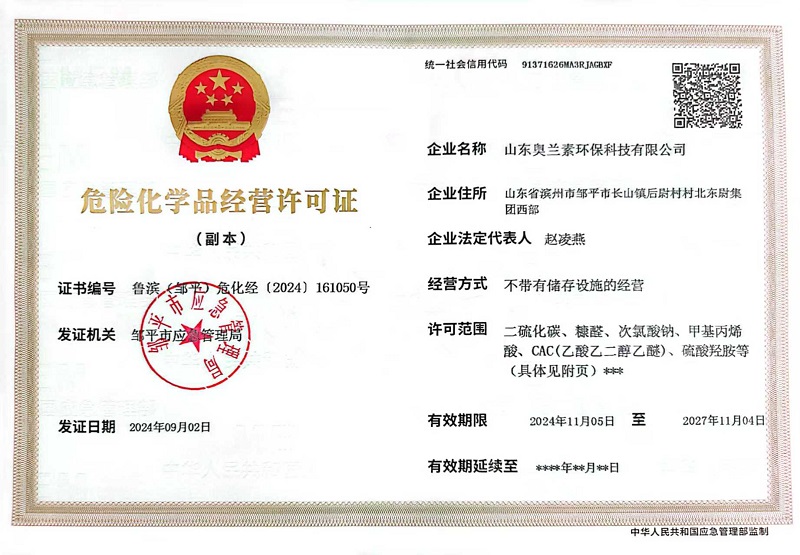
For international chemical procurement, supplier qualification is an important part of purchasing risk management. Shandong Aolansu Environmental Protection Technology Co., Ltd. holds a Hazardous Chemical Business License for its chemical business activities.
AOLANSU can provide supporting documents including SDS, COA, product specifications, packaging information, and relevant transportation documentation according to customer and destination requirements. These documents can help purchasing, quality, warehouse, and EHS teams complete supplier evaluation and establish appropriate procedures for chemical receiving and storage.
Providing detailed application information can make the quotation and product-selection process more efficient. Buyers should ideally specify their required concentration, estimated monthly or annual consumption, packaging preference, delivery location, and intended application.
If the material will be used in textile, pulp and paper, water treatment, chemical synthesis, or petroleum processing, providing the current working concentration and dosing method can also help determine whether the proposed grade is appropriate.
The main difference is concentration. A 30% Caustic Soda Solution CAS 1310-73-2 contains less NaOH per unit mass of solution and may be more suitable for production systems designed around moderate alkaline concentrations. A 45% solution provides a higher active chemical concentration and may be preferable where concentrated dosing is required. The appropriate grade depends on the actual process.
It can be considered for textile mercerization when the customer's process is designed for the relevant alkaline concentration. In the Jiangsu textile application case, the material was used at an approximately 28–30% working concentration.
Yes. Sodium hydroxide is widely used in pulp processing, including wood cooking and lignin removal. The appropriate dosage and treatment conditions should be established according to the raw material and production process.
The specification controls sodium carbonate at ≤0.04%, sodium chloride at ≤0.005%, and iron oxide at ≤0.0003%. These parameters can be particularly relevant to customers with process-sensitive applications.
Yes. AOLANSU can discuss customized concentrations from approximately 20% to 50% according to application requirements, production conditions, packaging, and order volume.
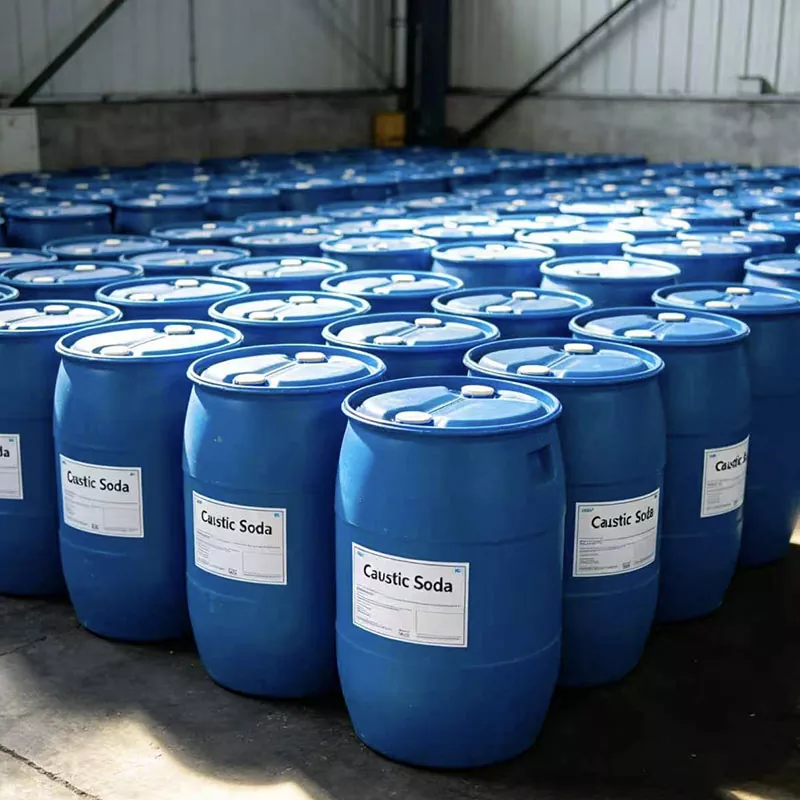
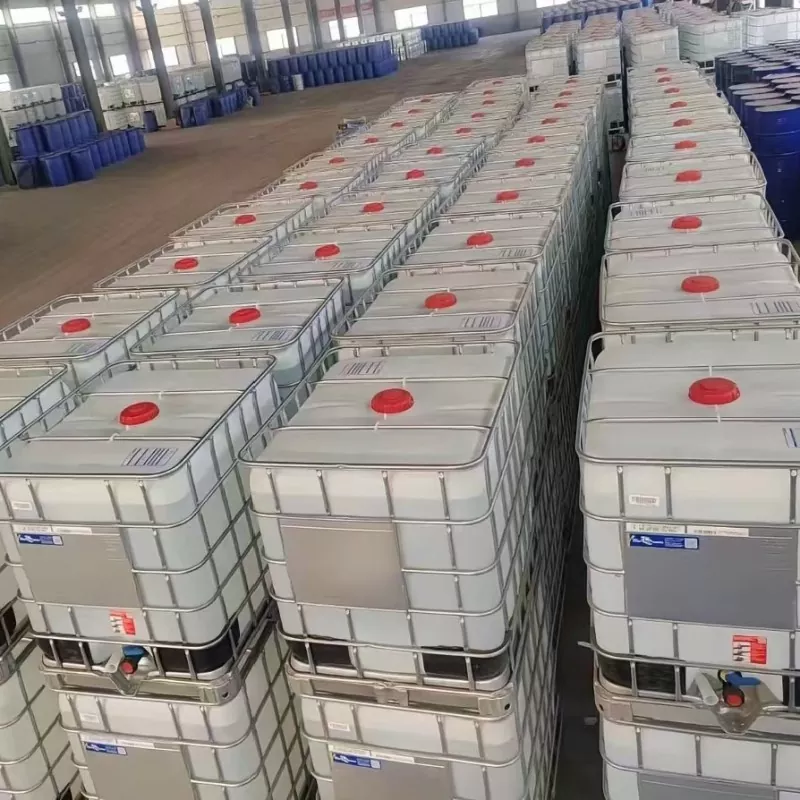
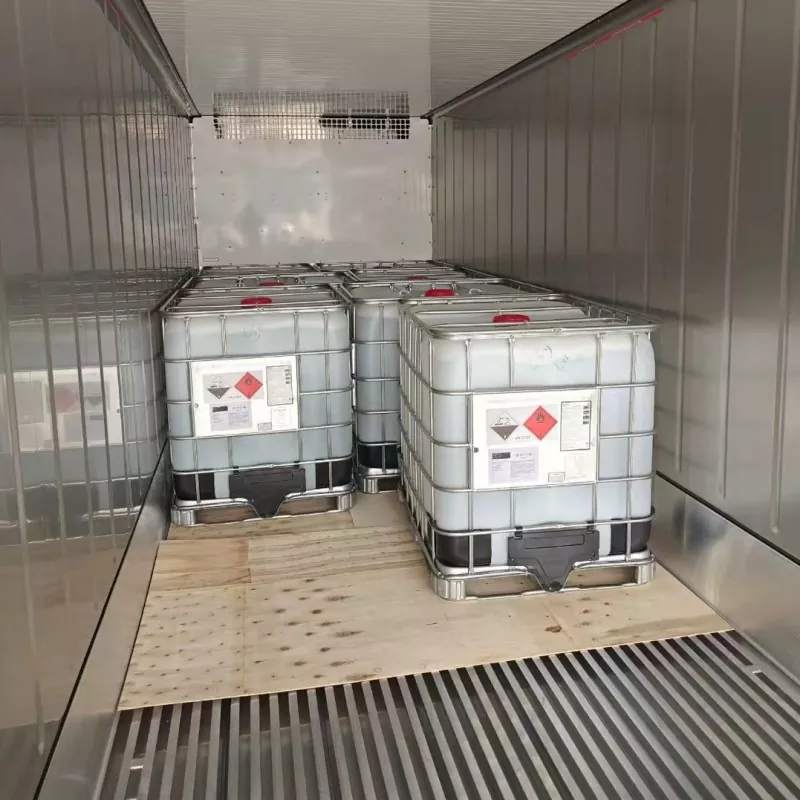
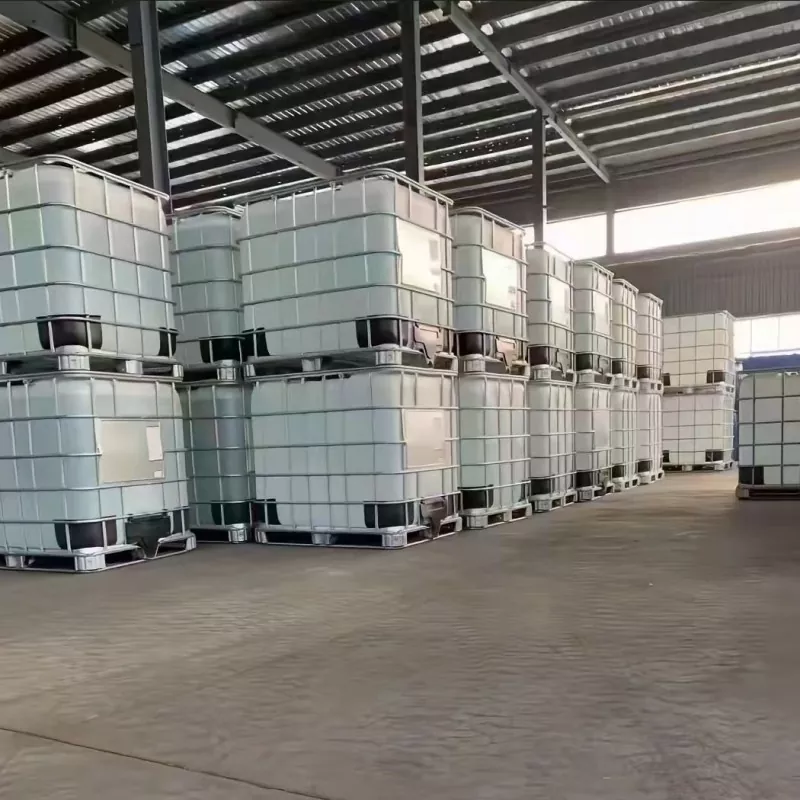
Available packaging includes 25kg plastic drums, 200kg chemical drums, and 1000kg containers. Customized packaging can be discussed according to the customer's transportation and storage requirements.
Yes. AOLANSU supports small-batch trial orders so customers can evaluate process compatibility before establishing regular supply arrangements.
The appropriate sodium hydroxide concentration should be selected according to the production process, not simply according to the highest available concentration. Pulp quality, textile treatment results, wastewater chemistry, dosing equipment, impurity limits, and storage conditions can all influence the final selection.
AOLANSU provides 30% liquid sodium hydroxide together with product documentation, packaging options, concentration customization, and hazardous chemical supply support for industrial buyers.
Send your required concentration, application, annual consumption, packaging preference, and destination to AOLANSU for a product specification and quotation based on your actual procurement requirements.
Address
(North of Dongwei Group, West) Houwei Village, Changshan Town, Zouping City, Binzhou, Shandong Province, China
Tel