Industrial plants that use alkaline chemicals continuously often need to consider more than chemical concentration. Dosing accuracy, preparation requirements, storage capacity, pipeline compatibility, and the amount of additional water introduced into the process can all affect operating efficiency.
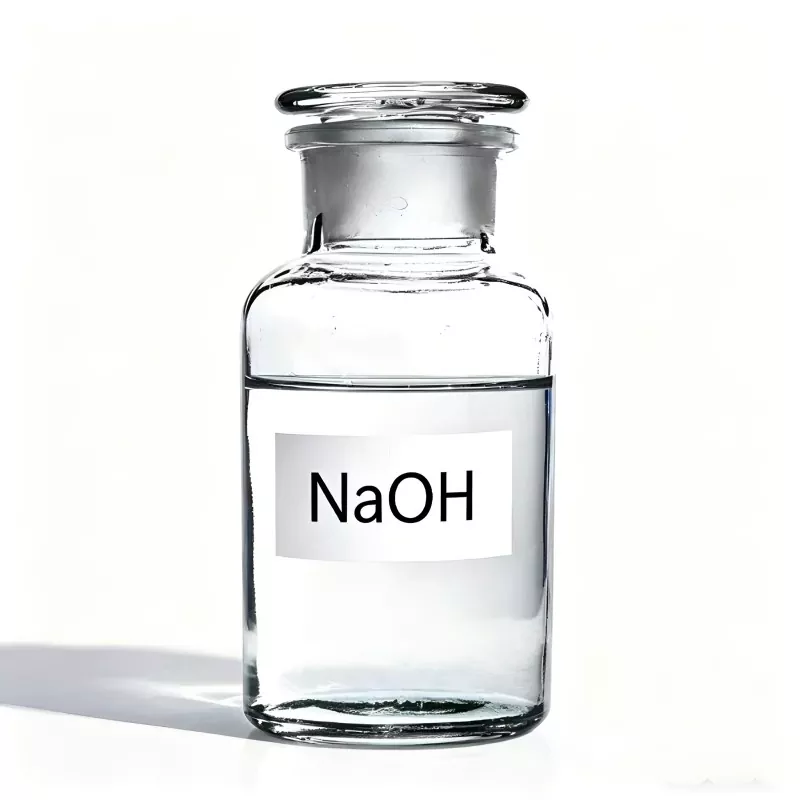
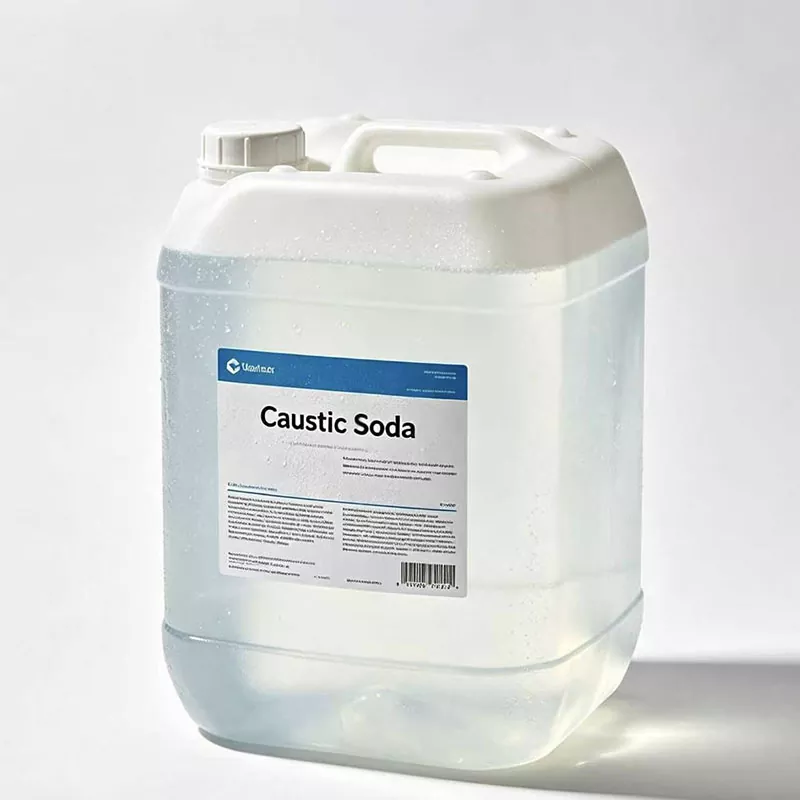
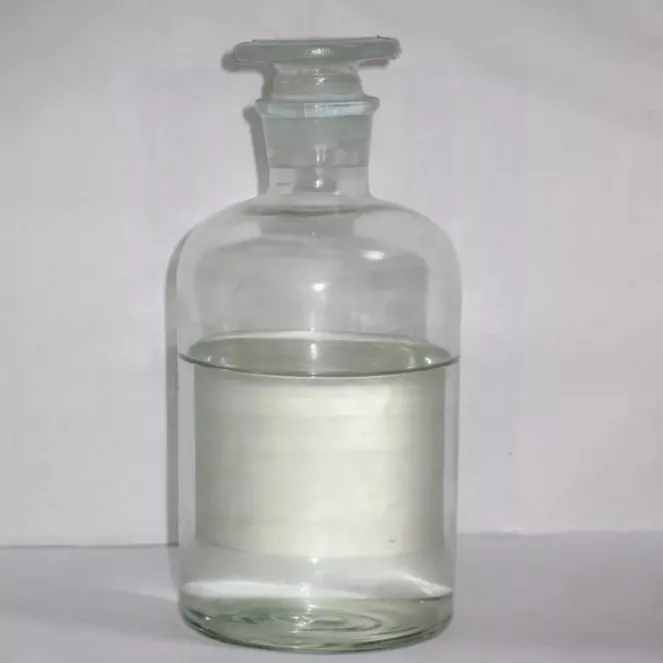
45% Sodium Hydroxide Solution CAS 1310-73-2 is a concentrated liquid alkali based on sodium hydroxide (NaOH), with CAS No. 1310-73-2 and EINECS No. 215-185-5. It is supplied as a clear, colorless liquid with a typical NaOH concentration of ≥45.0% and a density of approximately 1.483 g/cm³ at 20°C.
Unlike solid caustic soda that needs to be dissolved before use, this liquid form can be transferred directly from the storage container into a dosing system. This makes it particularly suitable for continuous neutralization, wastewater treatment, pulp processing, textile treatment, and other industrial operations requiring regular alkaline dosing.
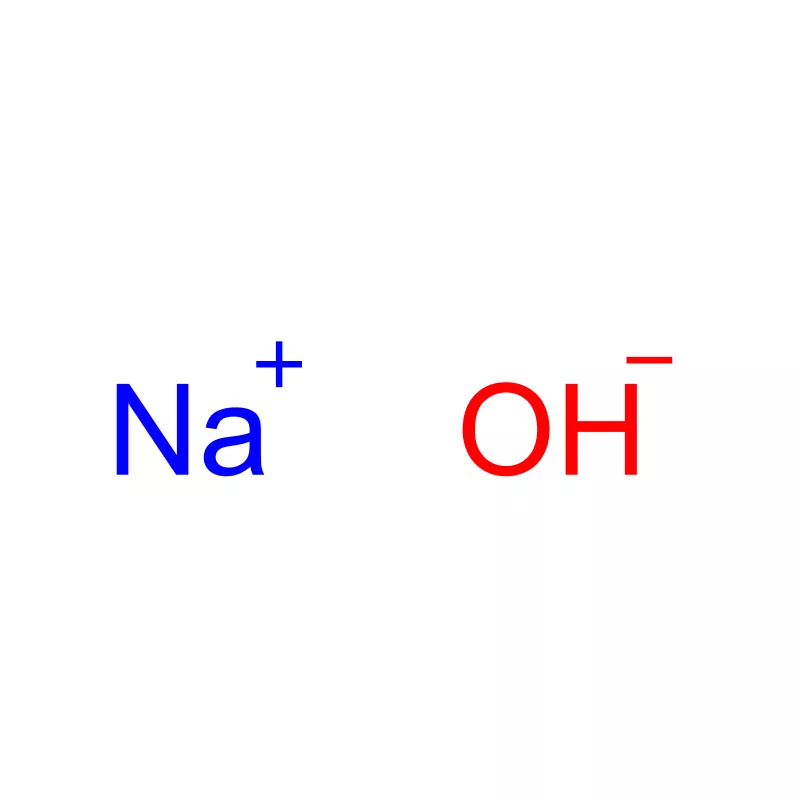
Factories using solid sodium hydroxide normally need a dedicated dissolution process before the chemical can enter the production system. This involves water supply, mixing equipment, temperature management, and additional operating procedures.
A concentrated liquid product eliminates this preparation stage. Once the material has been stored in a suitable chemical tank, it can be transferred to the dosing system according to the required process rate.
The concentration of a liquid alkali directly affects how much additional water enters a process when a specified quantity of NaOH is required.
For facilities where wastewater volume, evaporation load, or solution concentration is closely controlled, a higher-concentration material can provide greater flexibility in process design.
Continuous production lines increasingly rely on pumps, flow meters, storage tanks, and automatic dosing systems. A ready-to-use liquid alkali can be integrated into these systems more easily than manually dissolving solid material for every production cycle.
This is especially valuable for wastewater treatment plants and chemical factories where alkaline demand changes according to production conditions.
Acidic wastewater is commonly generated during chemical processing, metal treatment, pharmaceutical manufacturing, and other industrial operations. Sodium hydroxide can raise wastewater pH and help establish conditions suitable for subsequent treatment stages.
In wastewater systems, the actual dosing rate depends on wastewater acidity, flow rate, buffering capacity, and treatment objectives. The chemical should therefore be controlled through a properly designed dosing system rather than by concentration alone.
Alkaline treatment can also contribute to the removal of certain dissolved metal ions by converting them into less soluble hydroxide precipitates. This makes sodium hydroxide useful in industrial wastewater systems where pH adjustment and metal removal are performed together.
Actual removal efficiency depends on the specific metal species, wastewater composition, pH range, and subsequent separation process.
In pulp and paper manufacturing, sodium hydroxide is used in chemical treatment processes involving wood fibers and lignin removal. A liquid alkali supply can simplify chemical transfer and dosing in large production systems.
Textile manufacturers use sodium hydroxide in desizing, scouring, and mercerization processes. Process concentration and dosing accuracy can influence fabric treatment results, particularly when alkaline treatment is integrated into continuous production lines.
Alkaline chemicals can participate in selected petroleum-processing operations involving acidic components and impurity control. The required concentration should be determined according to the specific refinery process and chemical treatment system.
A higher concentration does not automatically mean that a 45% Sodium Hydroxide Solution CAS 1310-73-2 is suitable for every application. Buyers should calculate the actual amount of NaOH required by the process and then compare the total chemical consumption, transportation requirements, storage capacity, and water introduced into the system.
| Purchasing Factor | What Buyers Should Evaluate |
|---|---|
| NaOH Concentration | Required working concentration and dosing rate |
| Impurity Level | Carbonate, chloride, iron and other process-sensitive impurities |
| Storage Capacity | Tank volume and chemical compatibility |
| Dosing Equipment | Pumps, valves, pipelines and flow-control systems |
| Transportation | Hazardous chemical requirements and delivery distance |
| Process Water | Amount of additional water introduced during chemical dosing |
Lower-concentration liquid alkali can be appropriate when a production system has limited chemical dosing control or when the process is specifically designed around a predetermined dilute solution.
For high-consumption facilities with suitable storage and dosing infrastructure, a concentrated solution may provide a more efficient chemical supply model. The final choice should be based on process calculations rather than concentration alone.
Sodium carbonate is one of the main impurities that buyers may monitor when purchasing sodium hydroxide. Excessive carbonate can influence chemical consumption and process performance in applications where alkali composition must be tightly controlled. The AOLANSU specification limits sodium carbonate to ≤0.05% for this grade.
Chloride can become an important consideration in certain chemical, water-treatment, and metal-processing applications. Lower chloride levels can help reduce the introduction of unwanted ions into sensitive process streams. The specified sodium chloride content is ≤0.008%.
Trace iron can be relevant to applications where discoloration, product purity, or downstream chemical reactions are sensitive to metallic impurities. The specification controls iron oxide at ≤0.0005%, allowing buyers to evaluate the material according to their individual process requirements.
| Item | Specification |
|---|---|
| Product Name | 45% Sodium Hydroxide Solution |
| Common Names | Liquid Caustic Soda / Caustic Soda Lye |
| Chemical Formula | NaOH |
| CAS No. | 1310-73-2 |
| EINECS No. | 215-185-5 |
| NaOH Content | ≥45.0% |
| Sodium Carbonate (Na₂CO₃) | ≤0.05% |
| Sodium Chloride (NaCl) | ≤0.008% |
| Iron Oxide (Fe₂O₃) | ≤0.0005% |
| Appearance | Clear and Colorless Transparent Liquid |
| Density at 20°C | 1.483 g/cm³ |
| pH Value | Approximately 14 |
| Shelf Life | 12 Months Under Sealed Storage |
A fine chemical company in Jiangsu Province generates a significant quantity of acidic wastewater during its manufacturing operations. The wastewater pH was consistently around 3.0–3.5, while excessive heavy metal ions created additional challenges for meeting discharge requirements.
In 2024, the company partnered with Shandong Aolansu and introduced 45% high-purity liquid alkali into its wastewater treatment process.
AOLANSU's technical team provided on-site process guidance and helped optimize the chemical dosing ratio according to the wastewater characteristics.
The concentrated alkaline solution was directly introduced into the treatment system to adjust wastewater pH to approximately 6.8–7.5. Under the customer's treatment conditions, the alkaline environment also supported the precipitation and removal of heavy metal ions.
| Project Indicator | Result |
|---|---|
| Customer Location | Jiangsu Province, China |
| Industry | Fine Chemical Manufacturing |
| Wastewater pH Before Treatment | 3.0–3.5 |
| Target pH Range | 6.8–7.5 |
| Heavy Metal Removal | More than 98% under the project conditions |
| Labor Cost | Reduced by approximately 30% |
| Wastewater Treatment Time | Reduced by approximately 25% |
The treated wastewater consistently met the customer's discharge requirements, while the direct dosing approach reduced the need for secondary dilution. The project also demonstrated how concentration selection and dosing-system design can affect the operating efficiency of an industrial wastewater treatment process.
Because concentrated sodium hydroxide is strongly corrosive, storage tanks, valves, pipelines, pumps, and other contact components must be selected according to chemical compatibility and operating conditions.
The storage system should also provide adequate containment and leakage protection to reduce the consequences of accidental releases.
Concentrated sodium hydroxide solutions can exhibit changes in physical properties with temperature. Storage conditions should therefore be considered when designing tanks, pipelines, and transfer systems, particularly in regions with significant seasonal temperature changes.
For continuous treatment systems, metering pumps and flow-control equipment can be used to regulate chemical addition. Automated control can help maintain a more consistent treatment condition than irregular manual dosing.
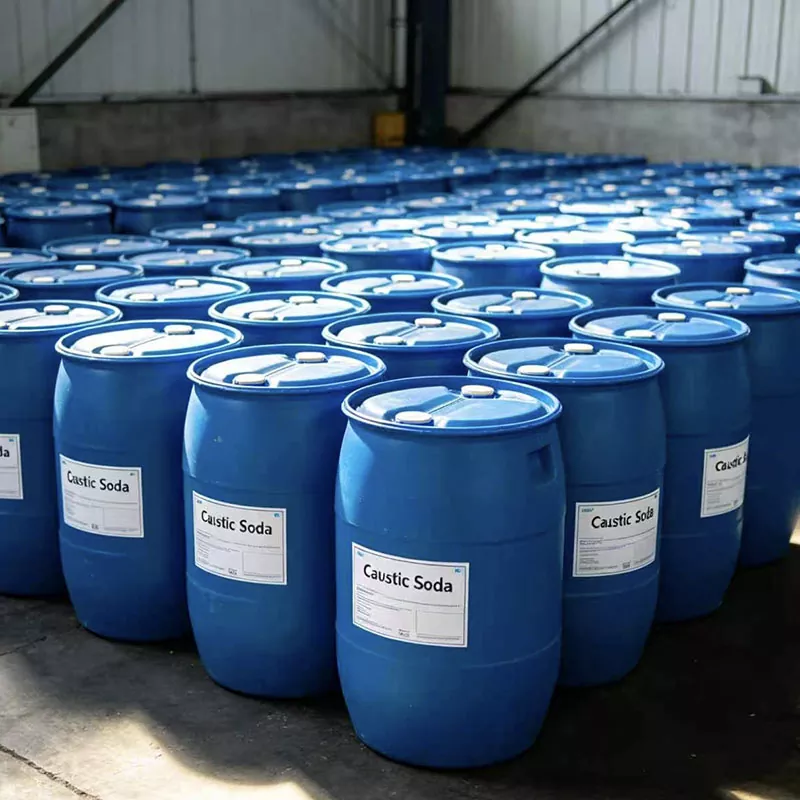
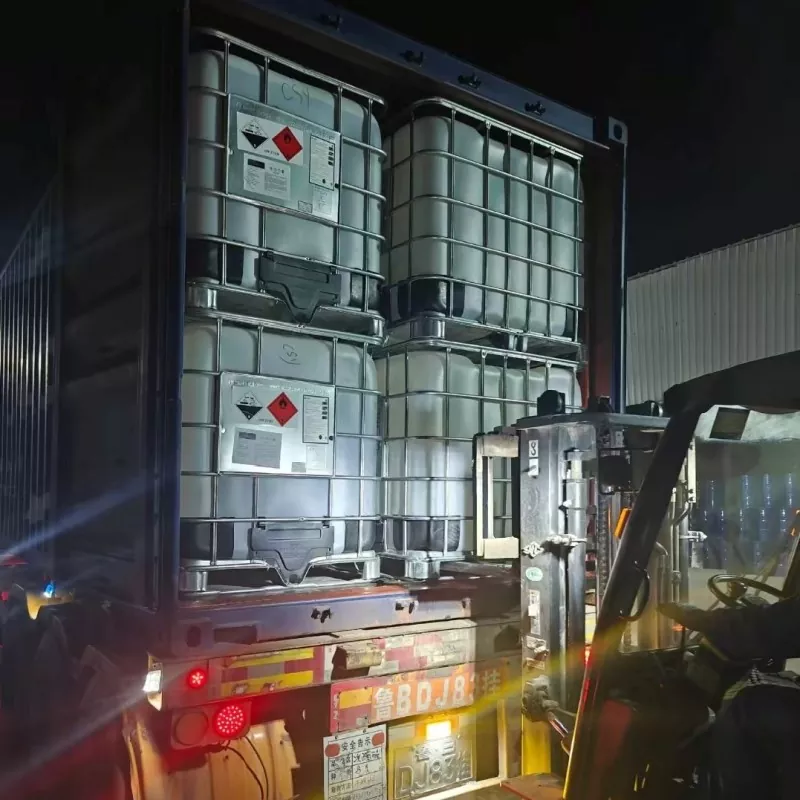
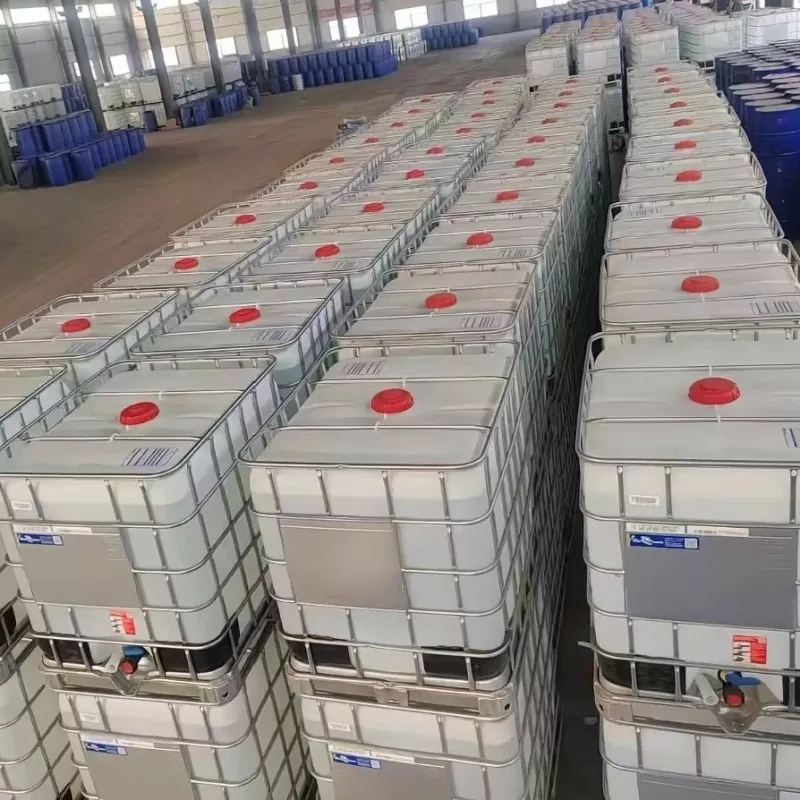
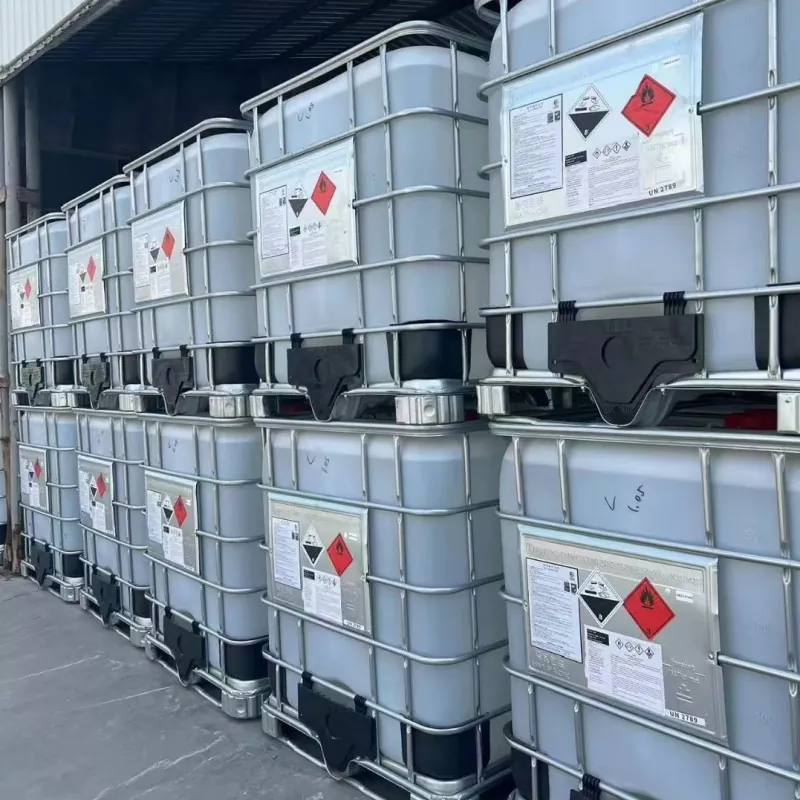
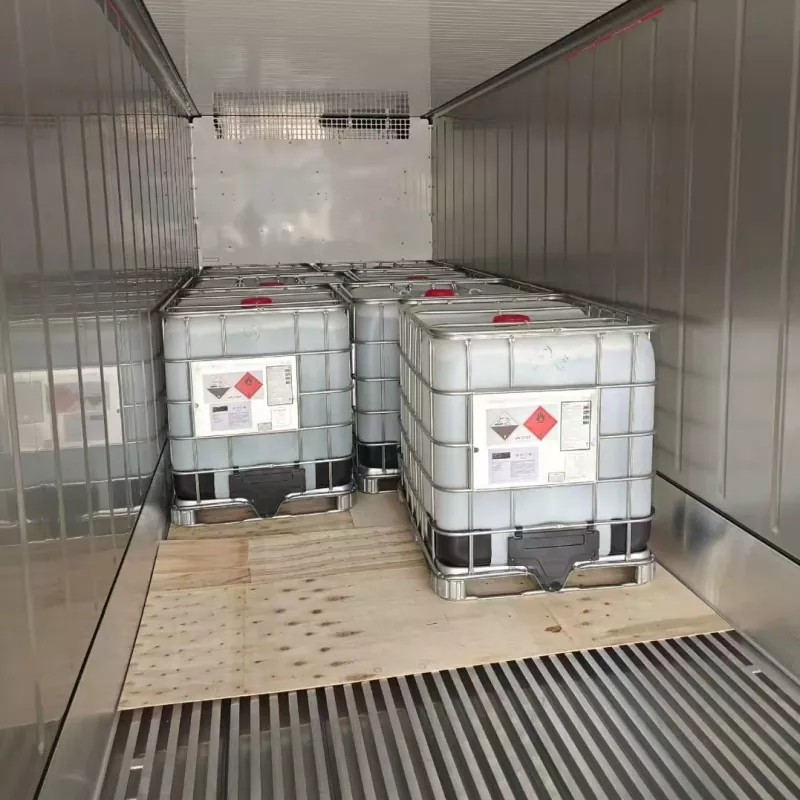
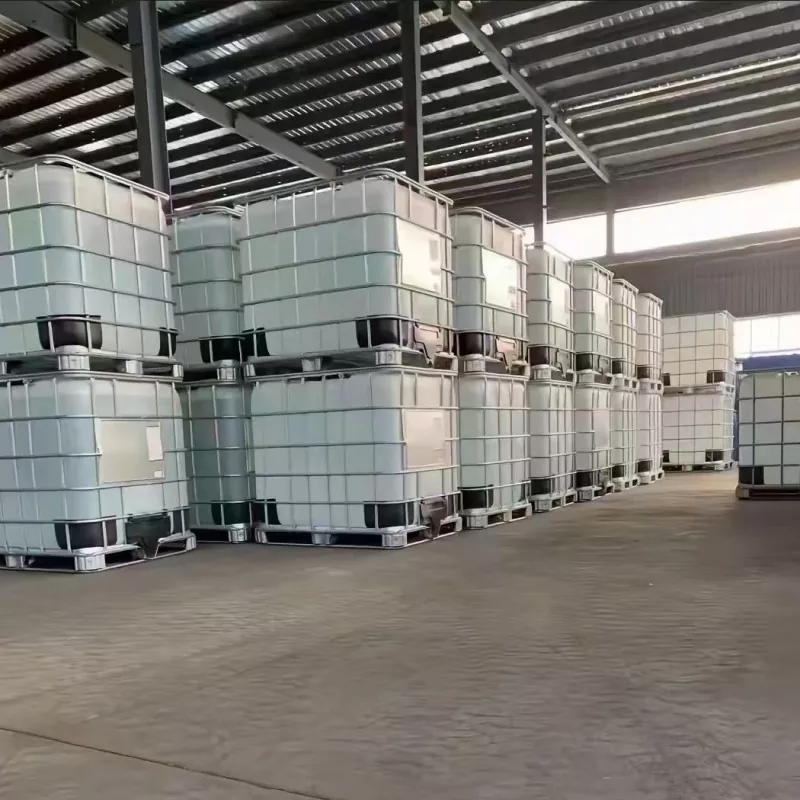
AOLANSU can provide packaging solutions including 25kg plastic drums, 200kg chemical drums, and 1000kg containers. Packaging selection can be discussed according to order quantity, storage facilities, transportation conditions, and destination requirements.
For international shipments, the material must be handled as a corrosive hazardous chemical. Appropriate packaging, labeling, transport documentation, and qualified logistics arrangements are required throughout the supply chain.
Operators should wear suitable alkali-resistant protective clothing, chemical-resistant gloves, safety goggles, and appropriate face protection when handling concentrated sodium hydroxide.
Direct contact with skin or eyes should be avoided. In the event of accidental exposure, immediately flush the affected area with plenty of water and follow the emergency procedures specified in the current SDS and the facility's chemical safety plan.
Store the material in a dedicated, well-ventilated chemical storage area. Keep it separated from incompatible acidic substances and other materials identified as incompatible in the SDS.
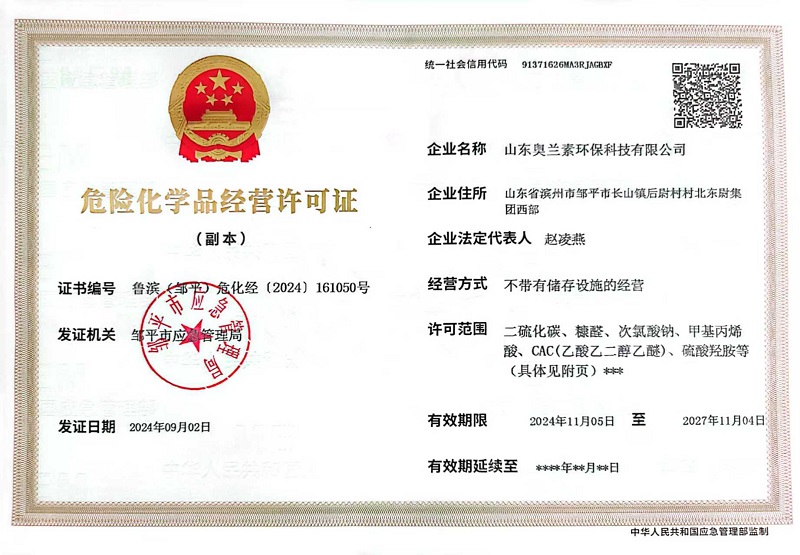
For industrial buyers, chemical compliance is part of supplier qualification. Shandong Aolansu Environmental Protection Technology Co., Ltd. holds a Hazardous Chemical Business License and provides chemical supply services for regulated products.
AOLANSU can provide SDS, COA, product specifications, packaging information, and relevant transportation documentation according to customer requirements. These documents can support internal purchasing review, warehouse management, and chemical safety procedures.
Before purchasing, buyers should provide the expected monthly or annual consumption, required concentration, storage tank capacity, delivery location, and dosing method. This information helps determine the most practical packaging and delivery arrangement.
For customers with continuous consumption, supply planning can also be based on tank capacity and replenishment frequency rather than individual shipment quantity. This approach can help avoid excessive inventory while maintaining sufficient chemical availability for production.
The main advantage is that it provides a concentrated liquid alkaline material that can be transferred directly into an appropriate dosing system without preparing a solution from solid flakes. This can simplify chemical handling for continuous industrial processes.
Neither concentration is universally better. The appropriate choice depends on the required NaOH concentration, dosing equipment, storage conditions, transportation distance, and process water requirements. A higher concentration may be advantageous for some high-consumption applications, while lower concentrations may be more suitable for systems designed around dilute solutions.
It can be used as an alkaline dosing chemical when the wastewater treatment system is designed for concentrated sodium hydroxide. The required dosage should be calculated based on wastewater pH, acidity, flow rate, buffering capacity, and the treatment target.
The stated specification controls sodium carbonate at ≤0.05%, sodium chloride at ≤0.008%, and iron oxide at ≤0.0005%, in addition to a NaOH content of ≥45.0%.
Available options include 25kg plastic drums, 200kg chemical drums, and 1000kg containers. Packaging can be discussed according to the customer's storage and transportation requirements.
Yes. AOLANSU can provide 45% Sodium Hydroxide Solution CAS 1310-73-2 documentation and technical communication regarding concentration selection, packaging, storage, and dosing requirements. For process-specific applications, customers should provide sufficient process information for proper evaluation.
Depending on the order and destination requirements, AOLANSU can provide COA, SDS, product specifications, and relevant shipping documentation.
Choosing the appropriate sodium hydroxide concentration requires consideration of the entire operating process rather than the chemical concentration alone. Storage capacity, dosing equipment, wastewater volume, transportation requirements, and impurity limits should all be evaluated before purchasing.
AOLANSU supports industrial buyers with product specifications, documentation, packaging options, trial orders, and international logistics coordination. Contact the team with your application, required quantity, delivery destination, and current dosing method to discuss a suitable supply solution.
Address
(North of Dongwei Group, West) Houwei Village, Changshan Town, Zouping City, Binzhou, Shandong Province, China
Tel